What Is The Man I Married About?
The premise of The Man I Married in 296 words, with nothing given away. The full story follows below.
In the late 1930s an ambitious American art critic, Carol Cabbott, embarks on what should be a picturesque European getaway with her husband, Eric Hoffman, and their bright‑eyed seven‑year‑old son, Ricky. The trip takes them deep into a Germany that is both glittering and foreboding, a nation teetering on the brink of an ominous transformation. The sleek boulevards of Berlin and the austere countryside of Austria provide a striking backdrop for a story that feels at once intimate and steeped in history, where the ordinary gestures of hospitality hide an unsettling current.
As the family settles into this charged atmosphere, Eric—a German industrialist’s son—finds himself drawn toward circles that pulse with fervent ideology, while Carol, ever observant, begins to sense a shift in the people around her. An elegant yet imposing presence, Frieda, a frequent visitor to the household, embodies the allure and danger of the new order, subtly pulling Eric into gatherings that test his loyalties. Meanwhile, a determined American correspondent, Kenneth Delane, offers a glimmer of perspective from beyond the continent’s rising tides, and a discreet request from Dr. Hugo Gerhardt pulls the couple into a delicate moral quandary that threatens to upend the fragile balance of their vacation.
The film moves with a measured, almost lyrical pace, allowing the tension between personal desire and the encroaching shadow of politics to unfold like a slow‑burning candle. Its tone oscillates between the sophisticated charm of an expatriate’s life and the stark, simmering unease of a society on the edge. Through Carol’s eyes, viewers are invited to witness the subtle way ordinary choices become extraordinary under the weight of looming catastrophe, leaving a lingering sense of curiosity about how far each character will be willing to go before the world they thought they knew irrevocably changes.
What Happens in The Man I Married?
The complete story of The Man I Married, from the first scene to the last, in 544 words (about 2 minutes). Spoilers throughout. Names in the text link to 7 cast member pages.
Spoilers ahead
A successful, yet naive American art critic Carol Cabbott Joan Bennett is married to German Eric Hoffman Francis Lederer. They have a seven-year-old son, Ricky Johnny Russell. They travel to pre-World War II Nazi Germany during the occupation of Austria and the invasion of Czechoslovakia to visit Eric’s father, whom he has not seen for ten years, even as everyone warns that going to Nazi Germany is foolish. A friend, Dr. Hugo Gerhardt Ludwig Stössel, asks them to deliver money to, and somehow help his brother, the famous philosopher Ernst Gerhardt, who has been arrested and imprisoned in Dachau.
When the Hoffmans reach Berlin, they are met at the station not by Eric’s father but by Frieda Anna Sten, the former wife of Eric’s old schoolmate and best friend. Eric’s father, an elderly director and owner of a factory, tells them he wants to sell everything and leave Berlin, as he can no longer endure the hostile atmosphere. Even his butler is a Nazi, and Frieda lingers around Eric as the plot unfolds. An active and enthusiastic Nazi, Frieda invites Eric to Nazi Party gatherings until he no longer wants to return to America, preferring to keep the factory and remain in Nazi Germany. Carol, however, grows increasingly uneasy about staying, and over time she sees her husband in a troubling new light.
While Eric attends Nazi gatherings, Carol tries to uncover the truth about Gerhardt with the help of Kenneth Delane Lloyd Nolan, an American foreign correspondent in Berlin who has a prophetic understanding of the downfall of Nazi Germany. Their investigation leads them to the grim discovery that Gerhardt has been killed in Dachau, and Carol decides to hand the money to Gerhardt’s widow Frau Gerhardt, a move that marks a pivotal shift in her awareness of the regime’s cruelty. They witness scenes of deliberate dehumanization and brutality by Nazis in the streets, experiences that sharpen Carol’s dawning realization of the true nature of German life under Nazi rule.
As the emotional tension tightens, Carol suspects Eric of infidelity with Frieda, and Eric confesses that he wants to marry Frieda. Carol, though pained, agrees to separate but is soon pulled into a deeper conflict over Ricky. Eric refuses to let Carol leave Germany with their son, intent on raising Ricky within the Nazi circle. The situation is further complicated when Eric’s father warns that if Ricky is not allowed to return with Carol to the United States, he will reveal that Eric’s mother was a Jewess. The revelation devastates Eric and strains every remaining tie, while Frieda, who has witnessed this moment, is horrified by the disclosure of Eric’s heritage and departs in disgust, calling him a Jude.
With the clock ticking and loyalties stretched to their limit, Carol and Ricky finally depart for New York, seeking safety and a new start away from the oppressive regime. Kenneth Delane remains at the station, choosing to stay “for the duration,” even as his own prospects dim, a quiet reminder of the personal costs of bearing witness to history’s darkest hours. The film closes on a journey from illusion to awakening, as a family confronted with moral choices and the perilous pull of ideology makes a tentative break from a world spiraling toward catastrophe.
The Man I Married Timeline: Every Key Event in Order
12 key events in the order they happen, from “Arrival in Berlin to visit Eric's father” to “Carol and Ricky depart for New York; Delane stays behind”. 12 events name a place, across 3 locations.
- 1
Arrival in Berlin to visit Eric's father
The Hoffmans travel to pre-war Nazi Germany to visit Eric Hoffman's father, whom he hasn't seen in ten years. They are warned that entering Nazi Germany at this moment is ill-advised. At the Berlin train station they are met not by the father but by Frieda, his former wife, signaling trouble ahead.
When:Pre-WWII Where:Berlin
- 2
Eric's father contemplates leaving Berlin; Eric drawn toward the Nazi circle
Eric's elderly father explains he wants to sell everything and depart Berlin because the climate has grown intolerable. Frieda lingers around Eric and starts drawing him toward the Nazi social circle. Eric begins attending Nazi Party gatherings, while Carol worries about staying.
When:Early stay Where:Berlin
- 3
Frieda pulls Eric deeper into Nazi circles
Frieda actively invites Eric to Nazi gatherings, and he succumbs to the pressure, distancing himself from America. Carol feels increasingly isolated as the regime's pull grows stronger around them. She struggles to reconcile her desires with the reality of staying in Germany.
When:Mid-stay Where:Berlin
- 4
Delane arrives and helps investigate Gerhardt's fate
American foreign correspondent Kenneth Delane enters the picture as an ally who sees the regime's danger. He helps them search for Ernst Gerhardt's fate and explains the peril facing intellectuals under the Nazis. They begin piecing together what happened to Gerhardt and plan to aid his family.
When:Mid-stay Where:Berlin
- 5
Ernst Gerhardt imprisoned in Dachau
Carol and Delane learn that Ernst Gerhardt has been arrested and imprisoned in Dachau, highlighting the regime's reach into dissidents and intellectuals. The revelation confirms the brutality of the Nazi system. This knowledge galvanizes their decision to act to help Gerhardt's family.
When:Imprisoned Where:Dachau
- 6
Ernst Gerhardt killed in Dachau; Carol helps his widow
They later learn that Ernst Gerhardt has been killed in Dachau, not merely imprisoned. Carol decides to send money to Gerhardt's widow as a concrete act of aid and solidarity. The tragedy underscores the human cost of the Nazi regime.
When:Late Where:Dachau
- 7
Public cruelty reinforces Carol's awakening
They witness deliberate denigration and cruelty in the streets as the Nazis exercise power in public spaces. The harsh scenes contribute to Carol's growing realization that Germany under Nazi control is a place of fear and oppression.
When:Mid-late Where:Berlin
- 8
Carol suspects infidelity; Eric admits he wants Frieda
Carol suspects Eric's affair with Frieda, and Eric admits that he wants to marry Frieda. Their confession shatters trust between them and intensifies their personal and moral conflict.
When:Late Where:Berlin
- 9
Custody clash over Ricky
The couple quarrels over custody as Eric refuses to let Carol leave Germany with Ricky. The dispute becomes a microcosm of the larger struggle between personal desires and the coercive Nazi climate.
When:Late Where:Berlin
- 10
Revelation of Eric's Jewish heritage
Eric's father warns that, unless Ricky is sent back to the United States, he will reveal that Eric's mother was Jewish. The confrontation shocks Eric, forcing him to confront his ancestry and the regime's anti-Semitic rules. Frieda witnesses the moment and is disgusted by the revelation.
When:Final confrontation Where:Berlin
- 11
Frieda leaves in disgust
Frieda, shocked by Eric's parentage, declares her disgust and leaves the house, shouting that he is a Jude. The blow underscores the personal costs of the regime and the deteriorating relationships around Eric.
When:Final Where:Berlin
- 12
Carol and Ricky depart for New York; Delane stays behind
Carol and Ricky leave for New York, and Delane escorts them to the station. He tells Carol that he must stay in Germany 'for the duration,' choosing to remain behind as the regime tightens its grip. The departure marks a turning point as they seek safety away from Nazi control.
When:Departure Where:Berlin station
Who Are the Main Characters in The Man I Married?
7 characters, among them Carol Hoffman (Joan Bennett), Eric Hoffman (Francis Lederer) and Ricky Hoffman (Johnny Russell): who each one is and the part they play in the story. Every profile links to the actor’s page.
-
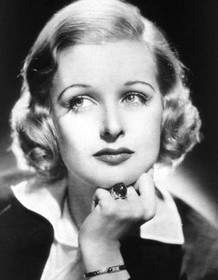
Carol Hoffman (Joan Bennett)
Played by Joan Bennett
An American art critic who travels to Berlin with her husband. She begins the journey with a worldly but naive view, gradually confronting the grim realities of Nazi rule. Her growing moral awareness drives the narrative and culminates in a decisive choice to protect her son.
- 🎭 Drama
- 💔 Relationship strain
- 🧭 Identity
- EH
Eric Hoffman (Francis Lederer)
Played by Francis Lederer
A German-American businessman who becomes increasingly entangled with the Nazi milieu. He attends party gatherings and contemplates remaining in Germany to preserve his factory. His evolving stance and revelations about his heritage strain his marriage and future.
- 🎭 Drama
- 💼 Ambition
- 🪪 Identity
- RH
Ricky Hoffman (Johnny Russell)
Played by Johnny Russell
A seven-year-old boy caught between his parents’ conflicting choices. His innocence is tested by the political turmoil around him, making him a focal point of the family’s struggle to stay together or flee.
- 👶 Child
- 🎭 Drama
- 💔 Family
- F(
Frieda (Anna Sten)
Played by Anna Sten
Eric’s former friend’s wife who is an active participant in Nazi social life. She lures Eric deeper into Nazi circles and embodies the regime’s seductive yet dangerous appeal. Her presence amplifies the tension around loyalty and betrayal.
- 🎭 Drama
- 💍 Infidelity
- 🪄 Manipulation
- DH
Dr. Hugo Gerhardt (Ludwig Stössel)
Played by Ludwig Stössel
A friend of the Hoffmans who asks them to deliver money to his brother, the philosopher Ernst Gerhardt, who is imprisoned in Dachau. He becomes a conduit for danger and moral conflict as the regime’s reach tightens.
- 🩺 Doctor
- 🧭 Loyalty
-
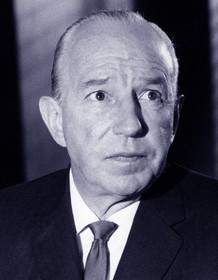
Kenneth Delane (Lloyd Nolan)
Played by Lloyd Nolan
An American foreign correspondent in Berlin with a prophetic understanding of the regime’s downfall. He assists Carol and Ricky, helping them reach safety at the station and choosing to stay for the duration of the crisis.
- 🗞️ Reporter
- 🧭 Hope
-
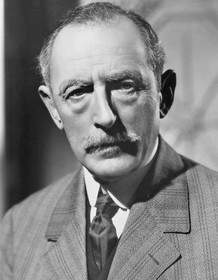
Friehof (Frank Reicher)
Played by Frank Reicher
Eric’s elderly father, a director and factory owner who wants to sell and leave Berlin. He warns Eric about the consequences of their choices and the looming threat of exposing Carol’s Jewish heritage to the police.
- 👨💼 Father
- 🏛️ Industry
Where and When Is The Man I Married Set?
The Man I Married is set in Berlin, Dachau, Austria, Nazi Germany and New York (Late 1930s). Here is why the time and place matter to the story.
When
Late 1930s
The events unfold in the years leading up to World War II, during the Nazi consolidation of power in Germany and the occupation of Austria. References to the 1938 Anschluss and the growing anti-Semitic regime set the backdrop. Daily life in Berlin is saturated with propaganda, fear, and the pressure to conform.
Where
Berlin, Dachau, Austria, Nazi Germany, New York
The story is set primarily in Berlin and across Nazi-ruled territories, including the annexed Austria. Dachau concentration camp looms as a brutal symbol of the regime's reach. The Hoffmans’ journey culminates with a return to the United States, highlighting a stark contrast between oppressive Europe and hopeful New York.
- 🏙️ Berlin
- 🏭 Dachau
- 🇦🇹 Austria
- 🪖 Nazi Germany
- 🗽 New York
What Are the Themes of The Man I Married?
4 ideas the story keeps returning to, among them Totalitarianism, Identity and Escape.
-
01
Totalitarianism
The film shows how a totalitarian regime embeds itself into everyday life, policing behavior and curtailing dissent. Public rituals and propaganda pervade streets and homes, shaping decisions. Cruel demonstrations against marginalized groups reveal the regime’s brutality. The Hoffmans’ choices are continually constrained by political power.
-
02
Identity
Eric’s hidden Jewish heritage rises to the surface, forcing a collision between personal identity and social allegiance. Carol’s perspective shifts as she confronts anti-Semitism and the regime’s dehumanization. The threat of police enforcement and family stigma pressures decisions about loyalty and safety. Identity becomes a central lens for moral conflict.
-
03
Escape
Carol and Ricky’s flight to New York becomes a bid for freedom and safety. Kenneth Delane helps navigate the dangers of state control and borders, offering a glimmer of rescue. The departure marks a moral break from the regime and a new beginning for the family. The escape is both physical and existential—a break from complicity.
-
04
Awakening
Carol transitions from naïve admiration of a prosperous Germany to a clear-eyed view of Nazi cruelty. She witnesses the regime’s cruelty in the streets and the manipulation behind public life. This awakening reframes her priorities, centering her responsibility to her son and to victims of oppression. The arc culminates in a decisive choice to flee with Ricky.
What Kind of Film Is The Man I Married?
Tense in tone, with steady pacing and a moderate story, going by the plot summary.
- Tone
- Tense
- Pacing
- Steady
- Story
- Moderate
- Intensity
- High
- Ending
- Bittersweet
A steadily tense and emotionally heavy drama that follows a woman's gradual disillusionment as her husband becomes a Nazi sympathizer, creating a claustrophobic atmosphere of dread and moral crisis.
- tense
- anxious
- oppressive
- morally challenging
- somber
- dread-filled
- nazi germany
- marital conflict
- political awakening
- ideological indoctrination
Content notes: war violence, antisemitism, child endangerment, political persecution, concentration camps, physical abuse.
Quiz
How well do you remember The Man I Married? Test yourself on the story.