
The Marriage of Maria Braun 1979


Directed by
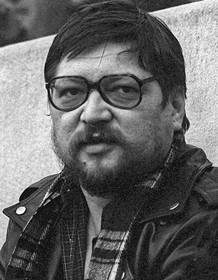
Rainer Werner Fassbinder
Made by

Albatros Filmproduktion
Where to Watch The Marriage of Maria Braun
See current US streaming, rental, and purchase options for The Marriage of Maria Braun (1979) via JustWatch.




Streaming availability powered by 
The Marriage of Maria Braun Plot Summary
Read the complete plot summary and ending explained for The Marriage of Maria Braun (1979). From turning points to emotional moments, uncover what really happened and why it matters.
During an Allied bombing raid in 1943, Maria Hanna Schygulla Braun and Klaus Löwitsch Hermann Braun marry, sealing a fragile pact in the chaos of war. The very next day, Hermann returns to the Eastern front, and when the war ends the family learns he is presumed dead. Maria clings to the memory of Hermann as the country begins to fracture under the weight of defeat and economic hardship. The social and financial collapse that follows pushes her to seek means of survival within a broken system, where old loyalties dissolve and new opportunists rise.
The postwar economy in Germany is brutal, and Maria Hanna Schygulla Braun must scramble to keep a roof over her head and food on the table. She takes a job in a seedy underground bar catering to Allied soldiers, a choice that unsettles her conscience and unsettles those who once believed in her virtue. The bar’s owner pressures her for a medical certificate, hinting that the job involves sex work. This, in turn, unsettles her longtime doctor, Claus Holm, who witnesses the strain of witnessing women pushed into exploitation, a strain that contributes to his own descent into morphine addiction.
At the bar, Maria Hanna Schygulla Braun forms a connection with Bill, George Eagles, a Black American soldier who offers a path out of poverty but whose help comes with emotional and ethical costs. While her primary aim is financial security for her family, she rapidly discovers a reciprocal warmth in Bill’s company. Their relationship grows, and Maria becomes pregnant, intertwining their lives in a precarious, fragile hope. Yet reality intrudes when Hermann is unexpectedly released from a Soviet POW camp and discovers Bill in bed with Maria. The moment shatters him; Maria rushes to explain, but he lashes out in anger, and Bill retaliates with violence. In a desperate bid to stop a fight, Maria smashes a beer bottle over Bill’s head, killing him. The consequences ripple outward as Hermann, determined to shield Maria, takes the fall for the murder and is sent to prison. The couple’s dreams fracture once again when their baby is stillborn, underscoring the personal cost of their entangled lives.
On the way home from the doctor, Maria Hanna Schygulla Braun seduces a train conductor to gain access to a first-class car, and there she encounters a wealthy passenger, Ivan Desny Karl Oswald, a textile industrialist. Oswald sees in Maria a shrewd, ambitious mind with a keen eye for opportunity, and he offers her a job as his personal advisor. This encounter marks a turning point: Maria’s future shifts from private heartbreak to high-stakes business strategy, and she begins to navigate powerful corridors of power with a mix of charm and willful ruthlessness.
Back in her apartment, Maria tells her mother and roommates that she must move into her own place, a sign of her growing independence. Voiceover intercuts with archival footage of Konrad Adenauer publicly stating that West Germany will not rearm, signaling a tense, fragile balance between economic recovery and political caution. Maria’s path continues toward opportunity as she reveals to Hermann, through their complicated phone calls and whispered plans, that she has accepted a strategic role within Oswald’s empire. In prison, Hermann and Oswald meet without Maria’s knowledge, and Hermann is emotionally unsettled by the revelation of her new life. When Hermann is released, he emigrates to Canada, insisting that he still loves Maria and that they will reunite someday.
Maria purchases a large suburban home, a tone-deaf symbol of prosperity amid lingering scarcity. Yet the idyll is short-lived as Hermann disappears from the scene, and Maria’s behavior grows harsher, lashing out at the staff, family, and colleagues. Oswald dies a few years later, and a celebratory mood gives way to a darker period as Maria descends into a self-destructive streak. In the backdrop, Adenauer’s policy shift toward rearmament intensifies the national mood, and a restless energy animates Maria’s ambitions.
When Hermann unexpectedly returns on the day of West Germany’s 1954 World Cup Final against Hungary, the emotional chemistry between the two is strained to a breaking point. A gas stove fuels a tragedy: Maria lights a cigarette, and rather than turning off the flame, she permits a fatal gas leak to unfold. The resulting explosion claims both her life and Hermann’s, leaving the future ambiguous—Was it suicide, or a desperate accident born of despair? The will from Oswald emerges, revealing that while Maria anticipated inheriting a vast sum, she receives only half. Oswald reveals a condition: he promised the other half to Hermann if Hermann allowed the terminally ill Oswald to spend the rest of his life with Maria. The scene closes on the couple as the smoke billows, the two bodies found together, and Germany’s triumph on the field in the background.
Senkenberg, Oswald’s lawyer, arrives to read the will and to confront Maria with a stark reality: the fortune she counted on is not as she imagined. In the final, breathless moment, the death of the two lovers is left deliberately unresolved, a question left to the viewer’s interpretation, a symbol of the era’s moral ambiguity. The post-credits sequence presents a stark montage: ominous negatives of postwar West German Chancellors—Adenauer, Erhard, Kiesinger, and Schmidt—flicker across the screen, a reminder that every personal tragedy exists within a larger national drama.
- Maria Hanna Schygulla Braun’s drive for security and status unfolds against a backdrop of economic collapse, shifting loyalties, and the uneasy tension of a society rebuilding itself. Her ascent is marked by a series of morally complex choices, many of which hinge on subduing emotion to embrace calculated risk. The film follows how a woman negotiates power through a mixture of seduction, strategic intellect, and practical endurance, weaving personal ambition into the fabric of a country trying to redefine itself after catastrophe.
- Hermann [Klaus Löwitsch] Braun’s initial loyalty and later withdrawal illustrate the boundaries of trust in a postwar world where old attachments clash with new incentives. His willingness to bear the consequences of Maria’s decisions—and to pursue a future elsewhere—highlights the loneliness and dislocation at the heart of the era.
- Karl Oswald [Ivan Desny] embodies the new order: wealth, influence, and the chance to shape a country’s future through commerce and leverage. Maria’s alliance with Oswald demonstrates how power can be negotiated through a blend of intellect and personal chemistry, with the dense web of lawyers, executives, and unions shaping the outcome of every choice.
- The surrounding cast, including Rainer Werner Fassbinder as the Peddler, Hark Bohm as Senkenberg, Claus Holm as the Doctor, Isolde Barth as Vevi, Gottfried John as Willi Klenze, Günther Kaufmann as the American on Train, Elisabeth Trissenaar as Betti Klenze, Peter Berling as Bronski, Volker Spengler as the Train Conductor, Gisela Uhlen as Mother, Günter Lamprecht as Hans Wetzel, Lilo Pempeit as Frau Ehmke, Karl-Heinz von Hassel as Prosecuting Counsel, Sonja Neudorfer as Red Cross Nurse, Barbara Baum as (as Baum), Rolf Bührmann as Warden, Kristine De Loup as Notary, Hannes Kaetner as Justice of the Peace, George Eagles as Bill, Anton Schiersner as Grandpa Berger, Bruce Low as American at Conference, Georg Kuhn as Georg Kuhn, Horst-Dieter Klock as Gentleman with Car, Martin Häussler as Reporter, Norbert Scherer as Warden, Andreas Willim as Andreas Willim, and Arthur Glogau as Warden (uncredited) contribute to a tapestry that portrays how a society contends with trauma, reinvention, and the blurring of personal desire with public duty.
“My time’s just beginning.”
The Marriage of Maria Braun Timeline
Follow the complete movie timeline of The Marriage of Maria Braun (1979) with every major event in chronological order. Great for understanding complex plots and story progression.
Wedding during bombing
During a 1943 Allied bombing raid over Germany, Maria Berger and Hermann Braun marry in a hurried ceremony. The chaos of airstrikes frames their union as a lifeline in a collapsing world. The next day, Hermann returns to the Eastern Front.
Hermann presumed dead after the war
When the war ends, Maria is told that Hermann has died, leaving her to face a future without him. She clings to his memory as she rebuilds a life in a devastated Germany.
Postwar job in seedy bar
To survive the ruined economy, Maria takes a job in a seedy underground bar catering to Allied soldiers. Her boss asks for a doctor's medical certificate, hinting that the work involves sex. The doctor who treats her patients grows addicted to morphine due to the strain.
Maria and Bill begin a relationship
Maria begins a relationship with Bill, a Black American soldier she meets at the bar. Her motive is to secure financial support for her family, but affection develops between them. Maria becomes pregnant.
Hermann returns and discovers the affair
Hermann unexpectedly returns from a Soviet POW camp and discovers Bill with Maria. She rushes to comfort him, but he coldly slaps her. Bill and Hermann fight, shattering the fragile peace.
Tragic end to the confrontation
To break up the brawl, Maria smashes a beer bottle over Bill's head, killing him. Hermann takes the fall for Maria and is sent to prison. Maria and Bill's child is stillborn.
Maria meets Oswald on a train
On a train home from her doctor, Maria seduces a conductor to access a first-class car and charms Karl Oswald, a wealthy textile industrialist. Oswald offers her a job as his personal advisor.
Maria asserts independence and political backdrop
Back in her apartment, Maria tells her mother and roommates that she needs to move into her own apartment. In a voiceover, Konrad Adenauer publicly declares that West Germany will not rearm.
Maria convinces Hermann of the Oswald plan
To finance a future home, Maria reveals to Hermann that she has taken the job with Oswald, promising that 'My time's just beginning.' The revelation shapes their strained, fragile future.
Maria rises at Oswald's firm
Maria becomes Oswald's mistress, translator, and personal secretary, using her sexuality to close deals and advance in the firm. Senkenberg, Oswald's lawyer, warns that the partnership with Oswald forsakes Germany's interests, but she persists.
Hermann leaves prison for Canada
Hermann meets Oswald in prison and emotionally withdraws from Maria. After his release, he emigrates to Canada, telling Maria that he still loves her and hopes to reunite later.
Oswald dies and Adenauer's rearmament
Maria buys a large suburban house, but Oswald dies three years later, prompting a global financial shift. Adenauer announces the rearmament of Germany, signaling a new era of strength and ambition.
The final tragedy: 1954 World Cup and the gas death
On the day West Germany faces Hungary in the 1954 World Cup Final, Senkenberg arrives for Oswald's will reading and reveals its terms: Hermann would get the other half of Oswald's estate only if he allows the terminally ill Oswald to stay with Maria. Later, Maria lights a cigarette, triggering a gas leak that kills both her and Hermann; whether it is accident or suicide remains unresolved. Senkenberg discovers their bodies as Germany becomes world champion.
The Marriage of Maria Braun Characters
Explore all characters from The Marriage of Maria Braun (1979). Get detailed profiles with their roles, arcs, and key relationships explained.
Maria Braun (Hanna Schygulla)
A resourceful and morally flexible woman who navigates postwar Germany by blending sexuality, wit, and business instincts. She transforms from a bar worker into a key adviser and mistress, orchestrating deals while masking her vulnerability. Her emotional detachment becomes a strategic asset in a society redefining gender roles.
Hermann Braun (Klaus Löwitsch)
Maria's husband who returns from the Soviet POW camp and is drawn into her world, yet remains emotionally distant. He bears the consequences of her actions and ultimately withdraws from the relationship, choosing to emigrate before the final tragedy. His presence exposes themes of loyalty, disappointment, and longing.
Bill (George Eagles)
A Black American soldier with whom Maria begins a conflicted romance as a means to secure financial support for her family. Their affair culminates in violence, and his death marks a turning point that exposes the cost of Maria's pragmatic love.
Karl Oswald (Ivan Desny)
Wealthy textile industrialist who becomes Maria's patron, lover, and business partner. She leverages their relationship to gain influence and control, and his estate becomes a central element in the final revelations about her power and her sacrifices.
Senkenberg (Karl-Heinz von Hassel)
Oswald's lawyer who remains wary of Maria's influence but ultimately supports the firm. He provides legal cover and confronts Maria with the moral ambiguities of their business world, including the will that becomes central to the ending.
Doctor (Claus Holm)
Maria's physician who becomes a morphine addict due to the pressures on his female patients forced into sex work. His addiction underscores the moral cost of wartime upheaval on the healing professions.
Mother (Gisela Uhlen)
Maria's mother figure who witnesses her daughter's ascent and the cost it exacts on their family. She embodies the traditional, often unsettled, expectations of women in a changing Germany.
The Marriage of Maria Braun Settings
Learn where and when The Marriage of Maria Braun (1979) takes place. Explore the film’s settings, era, and how they shape the narrative.
Time period
1943–1954
The narrative spans from the 1943 bombing through the immediate postwar period into the mid-1950s. It covers wartime devastation, occupation-era adjustments, and West Germany’s early economic rise, culminating in pivotal moments around the 1954 World Cup and the rearmament debate.
Location
Germany, West Germany, Underground bar for Allied soldiers, Suburban house, Train car
The story unfolds across postwar Germany, beginning with a bombing raid and moving through the country’s rebuilding years. Key locations include a seedy underground bar frequented by Allied soldiers, a luxurious train car, and Maria’s expanding suburban home. The settings reflect economic scarcity, social upheaval, and rapid modernization in a nation trying to reassemble itself.
The Marriage of Maria Braun Themes
Discover the main themes in The Marriage of Maria Braun (1979). Analyze the deeper meanings, emotional layers, and social commentary behind the film.
💼
Power & Ambition
Maria leverages sexuality, wit, and strategic thinking to climb from barwork to the inner circles of wealth. Her ascent hinges on calculated choices, negotiation, and a willingness to trade personal ties for financial security. The film probes how ambition can redefine morality in a society rebuilding from ruin.
🏛️
War's Aftermath
Survival in a shattered economy forces people to reinvent themselves through new social contracts and fragile loyalties. Institutions, markets, and personal codes are reformulated as people chase stability amid scarcity. The bar, the will, and the deals Maria makes illustrate a world where values are negotiable.
❤️🔥
Love, Loyalty & Betrayal
Maria's relationships—first with Hermann, then with Bill, and later with Oswald—are entangled with power, dependence, and manipulation. The narrative questions whether genuine affection can endure in a landscape defined by self-interest and necessity. The ambiguous ending emphasizes the fragility of intimate bonds under systemic strain.

Coming soon on iOS and Android
The Plot Explained Mobile App
From blockbusters to hidden gems — dive into movie stories anytime, anywhere. Save your favorites, discover plots faster, and never miss a twist again.
Sign up to be the first to know when we launch. Your email stays private — always.
Explore the mobile appThe Marriage of Maria Braun Spoiler-Free Summary
Discover the spoiler-free summary of The Marriage of Maria Braun (1979). Get a concise overview without any spoilers.
In the bleak aftermath of World II, a shattered Germany teeters between ruin and reluctant renewal. The streets echo with the remnants of bombed buildings, ration lines stretch into the horizon, and a fragile peace hangs over a population desperate to find footing again. It is within this cracked landscape that Maria Braun, newly wed to a young soldier on the very day the war’s last gunfire fades, must confront a future suddenly emptied of the man she loved.
Maria’s beauty and fierce determination become both shield and compass as she navigates a world where survival often demands uneasy compromises. She takes work in a dimly lit bar that serves the occupying Allied forces, a place where the line between respectable employment and exploitation blurs beneath the neon glow. The atmosphere is heavy with whispered hopes and unspoken judgments, reflecting a society where old codes dissolve and new, opportunistic networks begin to surface.
Amid the clamor of reconstruction, Bill, a Black American soldier, enters her orbit, offering an unexpected glimpse of possibility that contrasts sharply with the desperation surrounding her. Their connection hints at a different kind of escape—one that balances financial relief with emotional complexity. Later, a chance encounter on a train brings Karl Oswald, a polished textile industrialist, into the picture; he recognizes in Maria a sharp mind and an unyielding ambition, extending an invitation into the burgeoning world of post‑war commerce and influence.
The film’s tone is a restless blend of stark realism and lingering melancholy, underscored by the constant hum of a nation trying to rebuild its identity. Maria’s journey is framed by moral ambiguity, where personal desire collides with the collective yearning for stability. As she threads her way through love, power, and survival, the story invites viewers to consider how one woman’s drive can both reflect and reshape the fragile hope of an entire era.
Movies with Similar Twists and Themes
Uncover films that echo the narrative beats, emotional arcs, or dramatic twists of the one you're exploring. These recommendations are handpicked based on story depth, thematic resonance, and spoiler-worthy moments — perfect for fans who crave more of the same intrigue.

Featured on this page

What's After the Movie?
Not sure whether to stay after the credits? Find out!
Check out our other apps:

SAT Sphere
Build confidence for the Digital SAT.

Mori Atlas
Discover wild places worth protecting.

Luntero
Search smarter for a home in Amsterdam.

Plot Explained
Unravel movie endings and hidden clues.

Pokechamp
Dive into Pokémon data and battle logic.

Driving Theory
Get ready for your European theory test.

Movie Dust
Plan your next cinema trip with ease.

Musemap
Find art and culture as you travel.

Selkobase
Compare credentials before committing.

Local Manual
Turn an unfamiliar country into practical next steps.

Lernavi
Compare school systems before your next move.

GymRoam
Find a workout stop wherever your plans take you.
Explore Our Movie Platform
New Movie Releases (2026)
Famous Movie Actors
Top Film Production Studios
Movie Plot Summaries & Endings
Major Movie Awards & Winners
Best Concert Films & Music Documentaries
Movie Collections and Curated Lists
© 2026 What's After the Movie. All rights reserved.
Privacy Policy