
The Marriage of Maria Braun (1979): Cast, Box Office & Plot
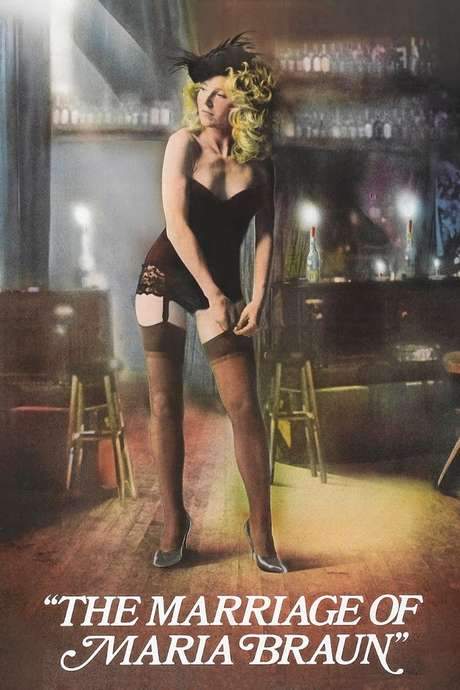
The Marriage of Maria Braun is a 1979 drama starring Hanna Schygulla as Maria Braun, Klaus Löwitsch and Claus Holm. It runs 2 hours and earned $12,119 worldwide.
- Released
- Runtime
- 2h (120 min)
- Genre
- Drama
- Original language
-
 German
 - Studio
- Albatros Filmproduktion
- After the credits
- No No extra scene
What Is The Marriage of Maria Braun About?
The premise of The Marriage of Maria Braun without spoilers. The whole story is in the plot summary further down.
After marrying a young soldier in the final days of World II, Maria watches him disappear without a trace. Facing a shattered country and a future without her husband, she must depend on her striking beauty and fierce ambition to secure work, rebuild her life, and endure the harsh realities of the post‑war era on her own.
The Marriage of Maria Braun Themes & Keywords
· 50 tags- female frontal nudity
- reference to mata hari
- sexual attraction
- female nudity
- female full frontal nudity
- new german cinema
- sexuality
- bar hostess
- german woman
- female protagonist
- washing one's hands
- post world war two germany
+38 more Show fewer
- american zone of occupation in germany
- german history
- 1950s
- black market
- rubble
- homecoming soldier
- black american soldier
- post war
- suicide by gas oven
- cheating wife
- disorder
- reference to heinrich von kleist
- post world war two
- marriage
- husband wife relationship
- breaking a bottle over someone's head
- secret agreement
- gas explosion
- scene during end credits
- husband wife reunion
- ambitious woman
- german soldier
- businesswoman
- suicide
- industrialist
- extramarital affair
- capitalism
- character name in title
- f rated
- interracial relationship
- abortion
- military tribunal
- jail
- west germany
- train
- reading of will
- manslaughter
- incarceration
The Marriage of Maria Braun Cast & Characters
Hanna Schygulla leads the cast as Maria Braun, with Klaus Löwitsch as Hermann Braun and Claus Holm as Doctor.
-
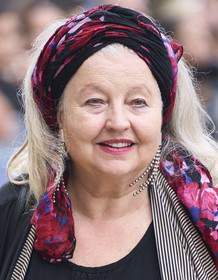 Hanna Schygulla as Maria Braun
 - Klaus Löwitsch as Hermann Braun
- Claus Holm as Doctor
- George Eagles as Bill
Also Starring in The Marriage of Maria Braun
· 27 more- Ivan Desny Karl Oswald
- Hark Bohm Senkenberg
- Rainer Werner Fassbinder Peddler
- Isolde Barth Vevi
- Gottfried John Willi Klenze
- Günther Kaufmann American on Train
- Elisabeth Trissenaar Betti Klenze
- Peter Berling Bronski (as Berling)
- Volker Spengler Train Conductor
- Gisela Uhlen Mother
- Günter Lamprecht Hans Wetzel
- Lilo Pempeit Frau Ehmke
- Karl-Heinz von Hassel Prosecuting Counsel
- Michael Ballhaus Counsel
- Sonja Neudorfer Red Cross Nurse
- Barbara Baum
Show all 31 cast members Show fewer cast members
- Rolf Bührmann Warden
- Kristine De Loup Notary
- Hannes Kaetner Justice of the Peace
- Anton Schiersner Grandpa Berger
- Bruce Low American at Conference
- Georg Kuhn
- Horst-Dieter Klock Gentleman with Car
- Martin Häussler Reporter
- Norbert Scherer Warden
- Andreas Willim
- Arthur Glogau Warden (uncredited)
The Marriage of Maria Braun Plot Summary
What happens in The Marriage of Maria Braun from start to finish, spoilers included, with a timeline of 13 key events. The opening is below; the full summary is a 6-minute read.
Spoilers ahead
During an Allied bombing raid in 1943, Maria Hanna Schygulla Braun and Klaus Löwitsch Hermann Braun marry, sealing a fragile pact in the chaos of war. The very next day, Hermann returns to the Eastern front, and when the war ends the family learns he is presumed dead. Maria clings to the memory of Hermann as the country begins to fracture under the weight of defeat and economic hardship. The social and financial collapse that follows pushes her to seek means of survival within a broken system, where old loyalties dissolve and new opportunists rise.
Full summary
The whole story of The Marriage of Maria Braun, scene by scene
The Marriage of Maria Braun Box Office
The Marriage of Maria Braun grossed $12,119 worldwide. $8,144 came from the US and Canada and $3,962 (33%) from the rest of the world.
Worldwide gross
$12.1K
- US & Canada
- $8.1K
- International
- $4K
How Well Do You Know The Marriage of Maria Braun?
10 questions about the story, each with a hint if you get stuck. Pick an answer to see whether you were right.
Question 1 of 10
- Question 1: not answered
- Question 2: not answered
- Question 3: not answered
- Question 4: not answered
- Question 5: not answered
- Question 6: not answered
- Question 7: not answered
- Question 8: not answered
- Question 9: not answered
- Question 10: not answered
During which year does the Allied bombing raid that leads to Maria and Hermann's marriage take place?
The Marriage of Maria Braun Also Known As
21 alternative titles, including “Maria Brauns ekteskap” and “마리아 브라운의 결혼”.
- Also known as
-
- Maria Brauns ekteskap
- 마리아 브라운의 결혼
- マリア・ブラウンの結婚
- 玛丽亚布劳恩的婚姻
- Шлюб Марії Браун
- Le Mariage de Maria Braun
- Il matrimonio di Maria Braun
- El matrimonio de Maria Braun
- Замужество Марии Браун
- 玛丽娅·布劳恩的婚姻
- O Casamento de Maria Braun
- Бракът на Мария Браун
+9 more Show fewer
- Maria Brauns äktenskap
- Małżeństwo Marii Braun
- Maria Braun'un Evliliği
- Căsătoria Mariei Braun
- Maria Braunin avioliitto
- ازدواج ماریا براون
- Manželství Marie Braunové
- El matrimonio de María Braun
- Maria Brauni abielu
Seen The Marriage of Maria Braun?
Movies Like The Marriage of Maria Braun
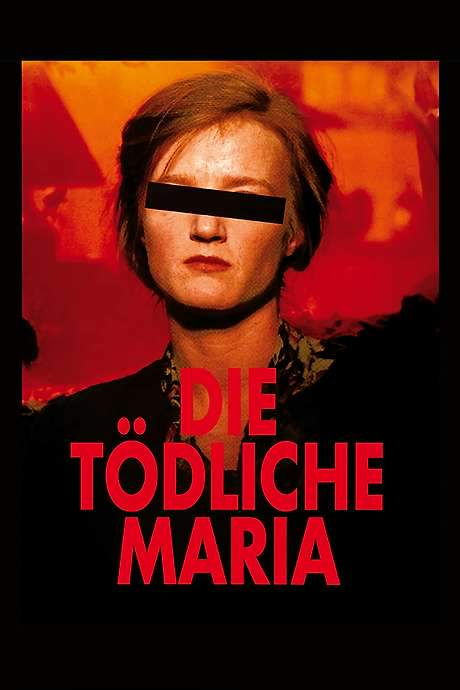
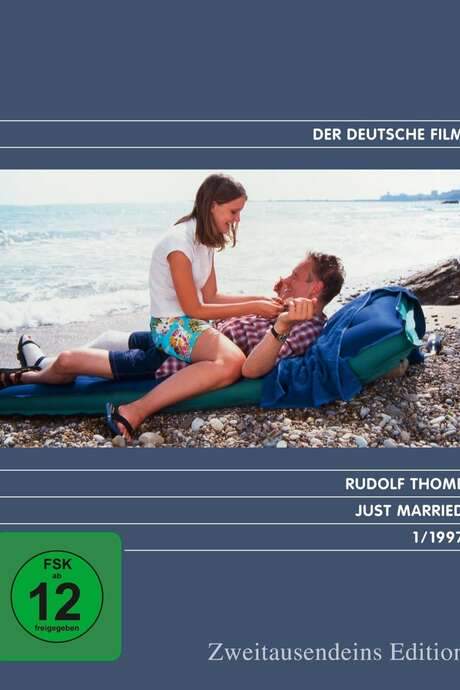
Films with a similar story, tone or audience, including Deadly Maria, Maria’s Lovers and Just Married.

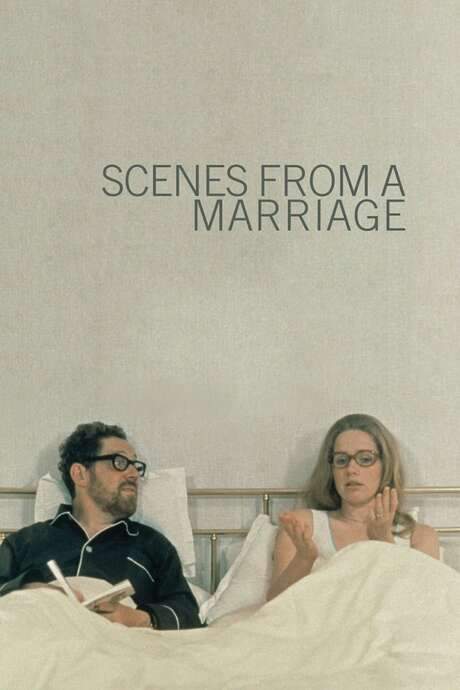
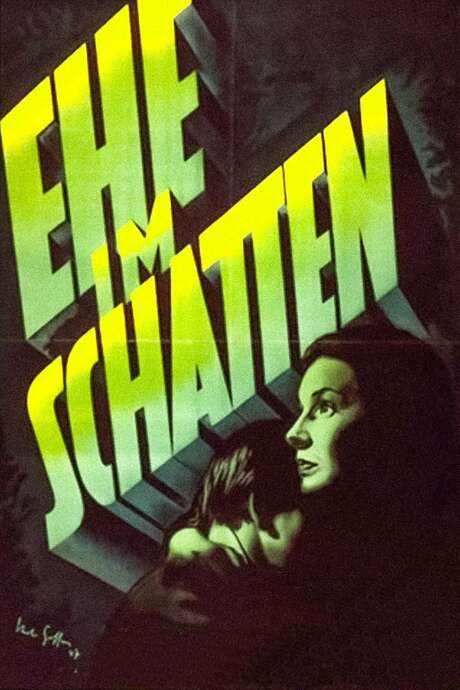
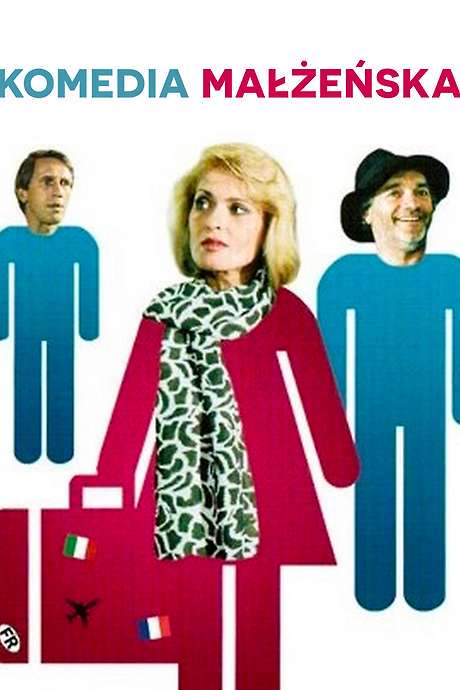
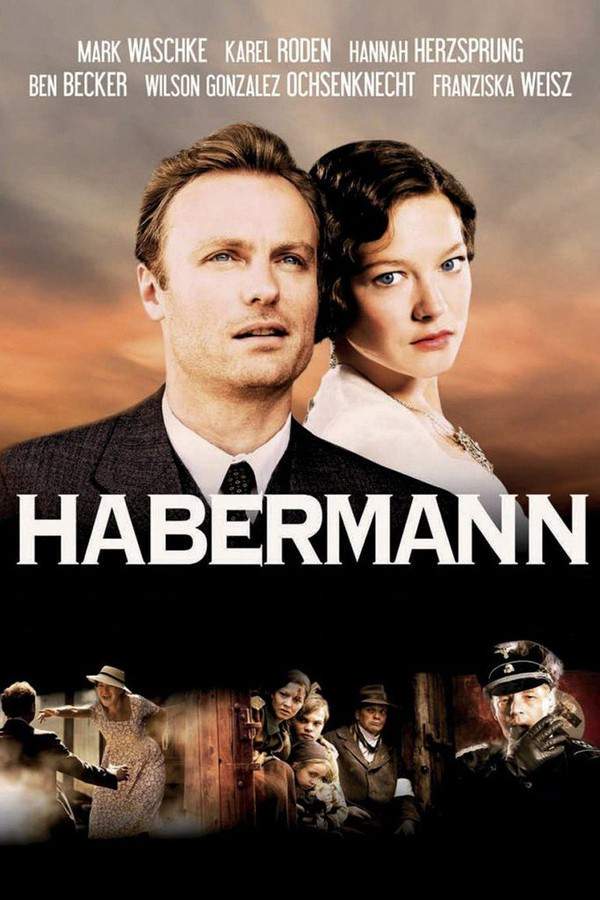
The Marriage of Maria Braun FAQ: Cast & Box Office
Runtime, release date, cast, box office, post-credit scenes and language of The Marriage of Maria Braun, each answered in a sentence.
How long is The Marriage of Maria Braun?
The Marriage of Maria Braun runs 2 hours (120 minutes).
When was The Marriage of Maria Braun released?
The Marriage of Maria Braun was released on February 20, 1979.
Who is in the cast of The Marriage of Maria Braun?
The Marriage of Maria Braun stars Hanna Schygulla as Maria Braun, Klaus Löwitsch as Hermann Braun and Claus Holm as Doctor, among 31 credited actors.
How much did The Marriage of Maria Braun make at the box office?
The Marriage of Maria Braun grossed $12,119 worldwide ($8,144 domestic, $3,962 international).
Does The Marriage of Maria Braun have a post-credit scene?
No. The Marriage of Maria Braun has no extra scene during or after the credits.
What language is The Marriage of Maria Braun in?
The original language of The Marriage of Maria Braun is German.
Coming soon to your phone
The Plot Explained Movie Summary App
From blockbusters to hidden gems: plot summaries, endings explained and timelines on your phone. Save your favorites and never miss a twist again.
Be the first to know when it launches. Your email stays private, always. Learn more about the app
