What Is The Lion Has Wings About?
The premise of The Lion Has Wings in 290 words, with nothing given away. The full story follows below.
Released at the dawn of a new global conflict, The Lion Has Wings operates as both a historical document and a stirring dramatic piece, weaving reality and fiction into a cohesive call to arms. The film unfolds as a narrative mosaic, utilizing a sequence of interlinked chapters to capture the mood of a nation steeling itself for war. Through a blend of authentic newsreel clips and carefully staged studio sequences, the story establishes a stark contrast between the peaceful traditions of Britain and the menacing spectacle of a rising totalitarian power, setting a tone that is both defiant and foreboding.
The narrative centers on Wing Commander Richardson, a senior Royal Air Force officer whose life becomes a microcosm of the nation’s broader struggle. Alongside his wife, Mrs. Richardson, he embodies the stoic dedication required to face an uncertain future. The film uses this domestic foundation to explore the concept of duty, presenting the pair not merely as individuals but as symbols of the professional and personal resolve driving the British war effort. Their interactions serve to humanize the looming machinery of war, grounding the geopolitical stakes in the quiet endurance of everyday people.
Guided by the commentary of E. V. H. Emmett, the film bridges the gap between the home front and the skies above. It highlights the intricate network of defense—from the vigilant Observer Corps to the protective presence of barrage balloons—emphasizing that survival relies on teamwork and infrastructure as much as individual bravery. By juxtaposing historical echoes with contemporary threats, the story paints a vivid picture of a society on high alert. The atmosphere is thick with vigilance, capturing the tension of a populace waiting for the storm to break, yet determined to hold the line against aggression.
What Happens in The Lion Has Wings?
The complete story of The Lion Has Wings, from the first scene to the last, in 333 words (about 1 minute). Spoilers throughout. Names in the text link to 1 cast member page.
Spoilers ahead
The Lion Has Wings unfolds in a sequence of interlinked chapters that thread the life of Wing Commander Richardson [/actor/ralph-richardson], his wife, Mrs. Richardson [/actor/merle-oberon], and their family as Britain steels itself for war. The narrative mosaic centers on a senior RAF officer and the home front that surrounds him, presenting a portrait of duty, sacrifice, and quiet endurance.
The film opens with a newsreel–style voiceover by the commentator, E. V. H. Emmett [/actor/e-v-h-emmett], setting up a stark contrast between life in peaceful Britain and the growing militarism of Nazi Germany. This opening uses a blend of newly shot footage and restored newsreel clips, weaving in moments from history and cinema alike. It even incorporates a scene from Queen Elizabeth I delivering her famous Tilbury speech to the troops, juxtaposed with snippets from Triumph des Willens to underscore the spectacle and menace of totalitarian power.
In the second chapter, the story moves to an early bombing raid on German warships in the Kiel Canal. The sequence is largely realized on a sound stage with impressive effects, yet it is seasoned with occasional shots of the real bombers and their crews returning from the mission, lending a tangible sense of danger and persistence to the air war being fought from afar.
The third chapter follows Luftwaffe bombers as they strike, and the RAF’s response unfolds with the help of the Observer Corps and barrage balloons. This portion highlights how air defense relies on teamwork, vigilance, and the infrastructure of civil support that keeps aircraft and crews ready to respond under pressure.
The epilogue settles beside a river, where Mr. and Mrs. Richardson take a rare moment of rest from their duties. Mrs. Richardson delivers a stirring reflection about the long tradition of British women offering their sons and lovers to defend the land, sea, and now the air. The sentiment is noble and defiant, a call to perseverance even as exhaustion threads through Wing Commander Richardson, who dozes off partway through her heartfelt speech.
The Lion Has Wings Timeline: Every Key Event in Order
11 key events in the order they happen, from “Opening newsreel sets stage for war” to “Closing message: defense of the British way of life”. 10 events name a place, across 9 locations.
- 1
Opening newsreel sets stage for war
The film opens with a newsreel-style documentary that contrasts life in Britain with Nazi Germany. It is narrated by E.V.H. Emmett in a bright, patriotic tone. The sequence blends existing newsreel footage with newly shot material to set the wartime mood.
When:Opening Where:Britain (opening sequence)
- 2
Tilbury speech clip signals homeland resolve
Within the opening sequence, the film reuses footage from Fire Over England showing Queen Elizabeth I delivering her Tilbury speech. The clip is used to evoke determined resistance and national unity. It helps anchor the film's theme of defending the homeland against invasion.
When:Opening Where:Tilbury, England
- 3
Triumph of the Will footage contrasted with Britain
The documentary inserts footage from Triumph des Willens to juxtapose German militarism with British resilience. The image pairing underscores the film's warning about threats from the continent. This critique is delivered through a calm, documentary style.
When:Opening Where:Britain/Germany
- 4
Kiel Canal raid begins the war-on-the-sea chapter
The second chapter depicts an early bombing raid on German warships in the Kiel Canal. The event is largely recreated in the studio using special effects, with a few real bomber sequences showing the crews returning from the raid. It marks a dramatic wartime action sequence early in the film.
When:Chapter 2 Where:Kiel Canal, Germany
- 5
Real bomber footage blends with studio effects
Even though much of the Kiel Canal raid is staged, the film includes authentic footage of the bombers and their crews returning. This hybrid approach heightens realism while preserving a documentary feel. The sequence underscores the war's reach and the craft of aerial warfare.
When:Chapter 2 Where:Kiel Canal
- 6
Luftwaffe attack over Britain and RAF defense
A subsequent chapter shows a Luftwaffe bombing raid against Britain. The attack is repelled with the help of the Royal Air Force, the Observer Corps, and barrage balloons. The scene emphasizes civilian and military cooperation in defending the homeland.
When:Chapter 3 Where:British airspace
- 7
Central throughline: the RAF officer and his family
Throughout the film, a senior RAF officer, played by Ralph Richardson, and his wife and family provide the linking narrative. Their personal lives are shown alongside wartime events, grounding the larger history in intimate human scale. The throughline connects chapters of action with moments of domestic life.
Where:RAF base/home
- 8
Domestic scenes and duty-bound life
The linking narrative contrasts the officer's duties with quiet, domestic scenes at home. It shows the strain on family life and the efforts to balance service with ordinary care. These moments humanize the wartime experience while keeping focus on leadership and duty.
Where:Home
- 9
River-side epilogue: a stirring speech
In the epilogue, the officer and his wife take a break by the river as she delivers a stirring speech. She honors how British women have given sons and lovers to defend the land, sea, and air. The moment frames the national resolve and the role of women in sustaining the war effort.
When:Epilogue Where:Riverbank
- 10
Fatigue and quiet resilience
Wing Commander Richardson is depicted as exhausted, nearly falling asleep during his wife's performance. The moment underscores the cost of leadership and the relentless pace of wartime duty. The scene closes with a quiet, human note amid the broader patriotic rhetoric.
When:Epilogue Where:Riverbank
- 11
Closing message: defense of the British way of life
The epilogue ties personal sacrifice to a broader defense of the British way of life. The narrative argues that resilience, family, and courage define a nation during times of aggression. The film closes on a note of patriotic resolve.
When:Epilogue
Who Are the Main Characters in The Lion Has Wings?
7 characters, among them Wing Commander Richardson (Ralph Richardson), Mrs. Richardson (Merle Oberon) and June Richardson (June Duprez): who each one is and the part they play in the story. Every profile links to the actor’s page.
-
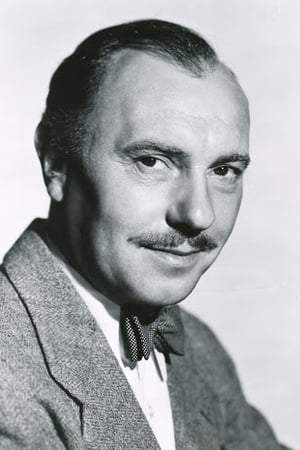
Wing Commander Richardson (Ralph Richardson)
Played by Ralph Richardson
A senior RAF officer who anchors the narrative with a blend of discipline and weary resolve. He embodies leadership under pressure, balancing demanding duty with concerns for family. His perseverance and careful decision-making reveal the human cost of sustaining a war effort.
- 🎖️ RAF
- 🧭 Leadership
- 🕊️ Duty
- MR
Mrs. Richardson (Merle Oberon)
Played by Merle Oberon
A strong, articulate partner whose perspective frames the war as a shared national task. Her speech highlights the role of women and civilians in sustaining morale and purpose. She embodies resilience and moral guidance within the home front narrative.
- 👩💼 Family
- 🗣️ Speech
- 💪 Resolve
- JR
June Richardson (June Duprez)
Played by June Duprez
A member of the Richardson family who represents the civilian perspective amid wartime tension. She provides a window into how families experience and endure the changes brought by conflict. Her presence emphasizes the domestic sphere as part of the national story.
- 👧 Family
- 🌟 Hope
- 🏡 Civilian life
- B-
Bill - Navigator (Derrick De Marney)
Played by Derrick De Marney
An RAF navigator whose calm precision supports bombing missions. He contributes to the crew's trust and effectiveness under pressure. His role highlights the human skill behind aerial operations.
- ✈️ Aviator
- 🎯 Precision
- 🧭 Navigation
- HO
Head of Observer Corps (Milton Rosmer)
Played by Milton Rosmer
Leads the observer network that detects and reports aerial threats. He embodies vigilance and procedural discipline in defending the skies. His work demonstrates the collective effort required for timely defense.
- 🔭 Observation
- 🛡️ Civil defense
- 🗒️ Coordination
- BO
Briefing Officer (Robert Douglas)
Played by Robert Douglas
Delivers mission briefings and coordinates operational details. He represents the organizational backbone that aligns crews with strategic objectives. His role emphasizes communication and planning in wartime maneuvers.
- 🗒️ Briefings
- 🗺️ Strategy
- 🎙️ Communication
- P(
Pilot (Anthony Bushell)
Played by Anthony Bushell
An experienced pilot responsible for leading flight missions. He embodies risk management, skill, and composure under fire. His presence reinforces the technical and human facets of aerial warfare.
- ✈️ Pilot
- 🧭 Navigation
- 📡 Communication
Where and When Is The Lion Has Wings Set?
The Lion Has Wings is set in Britain and Kiel Canal (1930s–1940s). Here is why the time and place matter to the story.
When
1930s–1940s
The narrative spans the late 1930s into the early years of World War II, blending a pre-war mood with the onset of hostilities. It emphasizes air defense, bombing raids, and civilian involvement, showing how time reshapes duty and sacrifice. The film uses contemporary wartime events to anchor its period atmosphere, from newsreel-style sequences to frontline missions.
Where
Britain, Kiel Canal
Britain serves as the central setting, highlighting the home front and the nation’s wartime mobilization. The Kiel Canal sequence anchors a notable naval operation near a key German waterway, illustrating early war actions. Throughout the film, urban centers, coastlines, airfields, and river scenes convey the scaled effort of British society during conflict.
- 🇬🇧 Britain
- 🌊 Kiel Canal
- 🏡 Home Front
What Are the Themes of The Lion Has Wings?
4 ideas the story keeps returning to, among them Patriotism, Gender and Sacrifice and Propaganda/Media.
-
01
Patriotism
The film frames national pride as a unifying force, employing a newsreel-like voice to bolster morale. It presents everyday Britons—families, workers, and service members—as essential to the war effort. Leading figures embody steadfast duty and collective resolve in the face of threat.
-
02
Gender and Sacrifice
Mrs. Richardson's speech positions women as pivotal to national defense, extending sacrifice beyond the battlefield. The narrative elevates civilian labor and moral support as crucial components of wartime resilience. The film portrays domestic life as an active part of sustaining the country during conflict.
-
03
Propaganda/Media
Newsreel footage and patriotic narration shape public perception and morale. The film juxtaposes archival material with dramatized scenes to present a curated vision of sacrifice and unity. Media is shown as a tool to reinforce resolve and collective identity.
-
04
Defense Technology
The story highlights barrage balloons, the Observer Corps, and bomber operations as monuments of wartime ingenuity. It underlines teamwork across air, land, and sea defenses, illustrating how technology and organization support national defense. The visuals emphasize modernization and the practical aspects of protecting the home front.
What Kind of Film Is The Lion Has Wings?
Hopeful in tone, with variable pacing and a straightforward story, going by the plot summary.
- Tone
- Hopeful
- Pacing
- Variable
- Story
- Straightforward
- Intensity
- Medium
- Ending
- Mixed
A patriotic and urgent propaganda film that blends staged drama with newsreel footage to create a stirring, defiant, and hopeful portrait of British resilience against Nazi aggression.
- patriotic
- stirring
- documentary
- urgent
- proud
- defiant
- world war ii
- propaganda
- royal air force
- national defense
Content notes: war violence.