What Is Spitfire About?
The premise of Spitfire in 353 words, with nothing given away. The full story follows below.
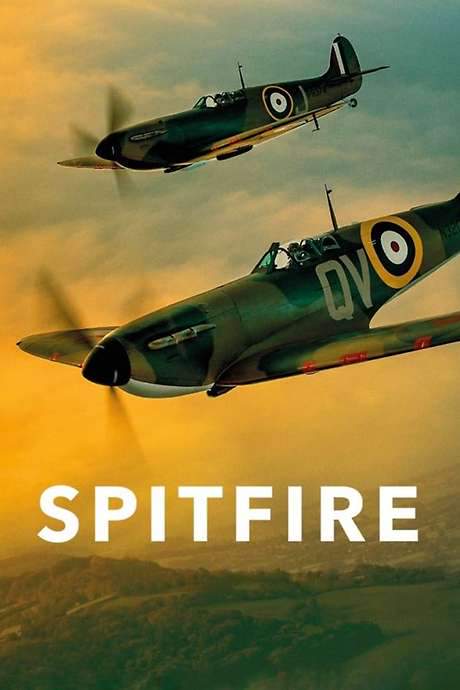
markdown Against the backdrop of the sweeping skies over southern England and the towering cliffs of Dover, this documentary brings to life the story behind one of history’s most iconic aircraft. Through a blend of archival footage and breathtaking new aerial shots of surviving Spitfires, the film invites viewers into the world of interwar aviation — a period of rapid innovation that gave rise to legendary machines, including the Spitfire alongside its contemporaries, the Hawker Hurricane and the Messerschmitt 109. The narrative traces how early seaplane designs evolved into the fighter planes that would soon shape the course of history.
At the heart of the documentary are the voices of those who lived through this extraordinary era. Modern-day pilots, museum curators, and surviving members of fighter squadrons and air auxiliaries share personal recollections that lend an intimate, human dimension to the sweeping technical story. Among the voices are RAF flying ace Tom Neil and Air Transport Auxiliary pilot Mary Ellis, one of the last surviving British women pilots from the Second World War. Their testimonies bridge generations, connecting the pioneering designers — including the visionary R. J. Mitchell and his successor Joseph Smith — to the aviators who carried their creations into the skies above Europe, Africa, and Asia.
The film weaves together the design legacy of the Spitfire with the lived experiences of the pilots who flew it, offering a portrait of courage, ingenuity, and the relentless drive to push the boundaries of flight. Clips from the 1942 film The First of the Few starring Leslie Howard as R. J. Mitchell add a cinematic layer to the storytelling, while emotional moments — such as Mary Ellis being reunited with a Spitfire bearing her original signature from 1944 — give the documentary its soulful, reverent tone.
With its rich mix of personal narrative and historical footage, the documentary stands as a tribute to the pilots of all nations who flew and fought in the Second World War. It captures both the marvel of the machines themselves and the human spirit that animated them, celebrating a chapter of history that continues to inspire awe.
What Happens in Spitfire?
The complete story of Spitfire, from the first scene to the last, in 230 words (about 1 minute). Spoilers throughout.
Spoilers ahead
Using archival footage and new aerial footage of surviving Spitfires filmed over southern England and the cliffs of Dover, the film traces the history of the plane’s development beginning with its design inspiration from a seaplane designed by R. J. Mitchell and built by Supermarine that won the 1931 Schneider Trophy. The documentary also uses clips from the 1942 film The First of the Few in which director and lead actor Leslie Howard portrays the first Spitfire’s designer R. J. Mitchell, who died in 1937 and was eventually succeeded as chief designer by Joseph Smith. The film then follows the evolving design and roles of the Spitfire through the Battle of Britain, the Siege of Malta, the Normandy landings, until its eventual retirement after the war.
The documentary interviews modern-day pilots, museum curators, and several surviving members of fighter squadrons and the air auxiliaries, such as RAF flying ace Tom Neil and Air Transport Auxiliary pilot Mary Ellis, one of the last surviving British women pilots from World War II. At the end of the film, Ellis is shown being reunited with Spitfire MV154 which bears her original signature from 1944, which she again signed on camera. Both Neil and Ellis died just days after the film’s release. The film is dedicated to “the memory of the pilots of all nations who flew and fought in the Second World War.”
Spitfire Timeline: Every Key Event in Order
15 key events in the order they happen, from “Schneider Trophy Victory” to “The Passing of Tom Neil and Mary Ellis”. 4 events name a place, across 4 locations.
- 1
Schneider Trophy Victory
R. J. Mitchell designed a seaplane built by Supermarine that won the 1931 Schneider Trophy. The success of this racing aircraft provided the direct design inspiration for what would become the Spitfire. The speed and aerodynamics of the seaplane laid the technical groundwork for Britain's most famous fighter.
When:1931
- 2
Designing the Spitfire
Building on the lessons of the Schneider Trophy, Mitchell began designing a new fighter aircraft at Supermarine. The design carried over racing aerodynamics into a military machine. Mitchell's work set in motion the creation of one of the most iconic aircraft in history.
When:1930s
- 3
Mitchell's Death and Joseph Smith's Succession
R. J. Mitchell died in 1937 before the full story of the Spitfire could unfold. He was succeeded as chief designer by Joseph Smith, who took over the continued development of the aircraft. Smith guided the Spitfire's evolving design through the years of war that followed.
When:1937
- 4
The Spitfire Enters Service
Built by Supermarine, the Spitfire entered service with the Royal Air Force as war loomed over Europe. The aircraft represented the cutting edge of British fighter design at the time. Its baptism of fire was waiting just over the horizon in the skies above Britain.
When:Late 1930s
- 5
The Battle of Britain
The Spitfire took center stage in the Battle of Britain as the RAF defended against the Luftwaffe's assault. The film follows the aircraft's evolving design and roles throughout this decisive campaign. Its performance in these skies turned the Spitfire into an enduring symbol of resistance.
When:1940 Where:Southern England
- 6
The Siege of Malta
The Spitfire was called upon during the Siege of Malta, defending the strategically vital island under sustained attack. The documentary traces how the aircraft adapted to this grueling Mediterranean theater. Its role at Malta showed the Spitfire's value well beyond the skies of Britain.
When:1940-1942 Where:Malta
- 7
The First of the Few
The wartime film The First of the Few, directed by and starring Leslie Howard, dramatized the Spitfire's creation. Howard portrayed designer R. J. Mitchell, bringing the aircraft's origin story to contemporary audiences. Clips from this 1942 feature are used in the documentary to illustrate Mitchell's legacy.
When:1942
- 8
The Normandy Landings
The Spitfire served during the Normandy landings as the Allies stormed the beaches of occupied France. By this point the aircraft had evolved into a versatile machine supporting the invasion from the air. The documentary follows the Spitfire's expanded roles through this pivotal turning point of the war.
When:June 1944 Where:Normandy, France
- 9
Mary Ellis Signs Spitfire MV154
In 1944, Air Transport Auxiliary pilot Mary Ellis signed Spitfire MV154. As one of the women who ferried aircraft to the front lines, her signature became a personal mark on the machine. It would later serve as a poignant physical link between the war years and the present day.
When:1944
- 10
Retirement After the War
With the end of the Second World War, the Spitfire was gradually retired from active service. The documentary traces the aircraft's path from frontline fighter to celebrated historical icon. Although its military career wound down, its legend only continued to grow.
When:Late 1940s
Show the other 5 events of Spitfire Hide the last 5 events
- 11
Spitfires Over Southern England
The documentary presents new aerial footage of surviving Spitfires flying over southern England and the cliffs of Dover. These sequences capture the aircraft in flight decades after the war. They are interwoven with archival footage tracing the plane's full history of development and service.
When:Present day Where:Southern England and the cliffs of Dover
- 12
Voices of the Veterans
The film features interviews with modern-day pilots, museum curators, and surviving members of fighter squadrons and the air auxiliaries. Among them are RAF flying ace Tom Neil and Air Transport Auxiliary pilot Mary Ellis, one of the last surviving British women pilots of World War II. Their firsthand memories preserve the human stories behind the aircraft's legend.
When:Present day
- 13
Ellis Reunited with MV154
At the end of the film, Mary Ellis is reunited with Spitfire MV154, which still bears her original signature from 1944. On camera, she signs the aircraft once more, bringing her story full circle. The moment stands as a moving connection between the veterans and the machines they flew.
When:Present day
- 14
A Film Dedicated to the Few
The documentary is dedicated 'to the memory of the pilots of all nations who flew and fought in the Second World War.' The tribute honors not just the Spitfire but the people of every nation who flew it or faced it. It frames the entire film as an act of remembrance.
- 15
The Passing of Tom Neil and Mary Ellis
Just days after the film's release, both Tom Neil and Mary Ellis passed away. Their deaths underscored how precious the surviving firsthand memories of the air war had become. The film stands as one of the final records of their remarkable generation.
When:Days after the film's release
What Kind of Film Is Spitfire?
Bittersweet in tone, with steady pacing and a moderate story, going by the plot summary.
- Tone
- Bittersweet
- Pacing
- Steady
- Story
- Moderate
- Intensity
- Medium
- Ending
- Bittersweet
A reverent and contemplative documentary tribute that traces the iconic Spitfire's journey from design to WWII combat, weaving archival footage with poignant pilot memories.
- reverent
- nostalgic
- contemplative
- somber
- heroic
- reflective
- aviation history
- world war ii
- aerial combat
- military technology
Content notes: war violence, aerial combat, death of soldiers, memorial subject matter.
Quiz
How well do you remember Spitfire? Test yourself on the story.