What Is The Fighting 69th About?
The premise of The Fighting 69th in 330 words, with nothing given away. The full story follows below.
The film throws you straight into the mud‑splattered trenches of World War I, where the iconic 69th Infantry Regiment fights under a sky that crackles with artillery and the roar of camaraderie. The atmosphere is a relentless blend of gritty realism and kinetic excitement, painting a battlefield that feels both historic and immediate. Every shot pulses with the urgency of men caught between the chaos of combat and the yearning for purpose, setting a tone that is as much about the roar of rifles as it is about the whisper of hope in the din of war.
At the heart of the story is Jerry Plunkett, a fast‑talking New Yorker whose swagger and relentless bragging set him apart from his fellow soldiers. His bold mouth often lands him in hot water with superiors and isolates him from the close‑knit men around him. Yet beneath the bravado lies a restless desire to prove his mettle, to earn a medal and a name that will echo beyond the trenches. Jerry’s presence injects a volatile mix of humor and tension, making his journey feel like a high‑stakes gamble played out on the front lines.
Balancing Jerry’s fire is Father Duffy, the regiment’s steadfast chaplain whose calm confidence offers a quiet counterpoint to the battlefield’s roar. He sees beyond Jerry’s bluster, convinced that the young soldier’s restless energy can be channeled into something heroic. Their uneasy alliance becomes a subtle dance of mentorship and challenge, where faith and discipline clash with raw ambition, hinting at the possibility of redemption even in the darkest moments of war.
Together, the film weaves a portrait of a unit on the edge of history, where daring action meets the softer strains of loyalty, faith, and personal growth. The promise of thrilling combat is matched by an undercurrent of introspection, inviting viewers to wonder whether a brash soldier can truly earn the respect of his comrades and find a place within the brotherhood forged in the crucible of conflict.
What Happens in The Fighting 69th?
The complete story of The Fighting 69th, from the first scene to the last, in 606 words (about 3 minutes). Spoilers throughout. Names in the text link to 3 cast member pages.
Spoilers ahead
The story revolves around Jerry Plunkett, a rebellious and rough-talking soldier from New York who often displays a mix of bravado and disrespect towards authority figures. When the United States enters World War I, Jerry, eager to prove his bravery and attain medals, enlists in the 69th Infantry Regiment with dreams of single-handedly defeating the Germans. His enthusiasm is matched by his inexperience, which soon begins to reveal itself through careless mistakes in the chaos of battle.
Despite Jerry’s tough exterior, Father Francis P. Duffy — the compassionate chaplain of the regiment — sees a deeper potential within him. Father Duffy passionately advocates for giving Jerry another chance, appealing to the regiment’s commanding officer, Major “Wild Bill” Donovan, to look beyond Jerry’s reckless behavior. Reluctantly, Donovan agrees, and when orders come to send a squad into no man’s land to gather intelligence from German soldiers, Jerry is chosen to participate.
During this dangerous patrol, Jerry’s nervousness and inexperience cause him to inadvertently betray the squad’s position, resulting in the death of two highly respected soldiers: Lieutenant “Long John” Wynn and Private Timmy Wynn. These tragic events provoke outrage from Donovan, who orders Jerry to face a court-martial for his mistakes. As Jerry awaits the execution of his sentence, Father Duffy visits him and makes a final effort to spiritually save him. Jerry, overwhelmed by guilt and despair, pleads with the priest to let him desert the army and escape the horrors of war.
Just as he makes this desperate request, a German shell strikes, destroying the jail cell and freeing Jerry. During this chaos, he witnesses Father Duffy tending to wounded soldiers, encouraging their spirits and urging them to keep faith amid the destruction. Moved by this act of courage and kindness, and inspired by Donovan’s resilience, Jerry decides to rejoin his comrades on the front lines, determined to fight once again.
Upon catching up with the 69th, Jerry finds that their advance has been halted by a fierce German assault. In a critical moment, he comes across a mortar crew that has been decimated, save for Sergeant “Big Mike” Wynn. Remembering how Jerry’s earlier recklessness had caused the deaths of Wynn’s two brothers, Wynn initially refuses to let Jerry operate the mortar. But Jerry’s persistence and desire to make amends persuade Wynn to teach him how to use it.
With the mortar now in his hands, Jerry begins to turn the tide against the German bombardments, helping his unit push forward. However, the Germans respond with increasing ferocity, and during a desperate trench attack, they lob a grenade into the trench where Jerry and Wynn are sheltering. In a heroic act of self-sacrifice, Jerry throws himself onto the grenade to shield Wynn, sacrificing his own life in the process. Mortally wounded, Jerry dies, leaving his comrades stunned by his sudden display of true bravery and selflessness.
Though Jerry Plunkett is a fictional character created for the film, many of the other characters, including Father Duffy, Major Donovan, Lieutenant Ames, and poet Joyce Kilmer, were real members of the 69th Regiment. The film also depicts numerous historical events faithfully, such as training at Camp Mills, the Mud March, the collapse of a dugout at Rouge Bouquet, crossing the Ourcq River, and the Victory Parade, among others. These scenes are based on actual occurrences, giving viewers an authentic glimpse into the experiences of soldiers during WWI.
“No matter how dark the night, the dawn always comes.”
This heartfelt and patriotic story showcases themes of redemption, bravery, and faith, illustrating that even those with flaws and fears can find their courage in the face of overwhelming adversity.
The Fighting 69th Timeline: Every Key Event in Order
10 key events in the order they happen, from “Jerry Plunkett Enlists in WWI” to “Aftermath and Legacy”.
- 1
Jerry Plunkett Enlists in WWI
Jerry Plunkett, a tough-talking New Yorker, joins the 69th Infantry amidst patriotic fervor when the United States enters WWI. He aims to win medals and prove his bravery by fighting against the Germans, despite his inexperience and disrespect for military authority.
- 2
Initial Combat and Mistakes
Plunkett participates in early battles but his inexperience and reckless attitude lead to errors in combat. His actions cause casualties and reveal his lack of preparedness for the brutal realities of war.
- 3
Father Duffy Mentors Plunkett
Father Francis P. Duffy, a chaplain and respected member of the 69th, believes there is more to Plunkett than his bravado. He advocates for giving Plunkett another chance to prove himself, hoping to encourage his spiritual growth and courage.
- 4
Plunkett Sent on No Man's Land Mission
Major Donovan orders Plunkett to join a squad into no man's land to gather intelligence. Plunkett's nervousness causes him to inadvertently reveal their position, leading to the deaths of Lieutenant Wynn and Private Timmy Wynn.
- 5
Court-Martial and Imminent Execution
Due to his mistake, Donovan orders Plunkett to be court-martialed. While awaiting execution, Plunkett seeks spiritual comfort from Father Duffy, expressing a desire to desert the war, but is denied release.
- 6
War Explosion and Plunkett's Escape
A German shell destroys the jail cell where Plunkett is detained, freeing him unexpectedly. Plunkett then witnesses Duffy helping wounded soldiers, further inspiring his sense of duty and faith.
- 7
Plunkett Rejoins the Front
Moved by Donovan's leadership and Duffy's faith, Plunkett decides to return to the frontline. He finds the 69th halted by German bombardment and joins the effort to push forward.
- 8
Heroic Act with the Mortar
Plunkett finds Sgt. Wynn and learns to operate a mortar amidst ongoing German shelling. His determination helps the battalion fight back and progress despite the fierce enemy fire.
- 9
Sacrifice and Death
In a final act of heroism, Plunkett dives onto a grenade to protect Sgt. Wynn and others. He sustains fatal wounds and dies, displaying true bravery and selflessness in the face of death.
- 10
Aftermath and Legacy
Plunkett's sacrifice leaves Major Donovan and Sgt. Wynn in shock, highlighting his growth from a reckless youth to a brave soldier. The story concludes with reflections on his courage and the real soldiers of the 69th involved in these historic events.
Who Are the Main Characters in The Fighting 69th?
8 characters, among them Jerry Plunkett - James Cagney, Father Francis P. Duffy - Pat O'Brien and Major Donovan - George Brent: who each one is and the part they play in the story. Every profile links to the actor’s page.
-
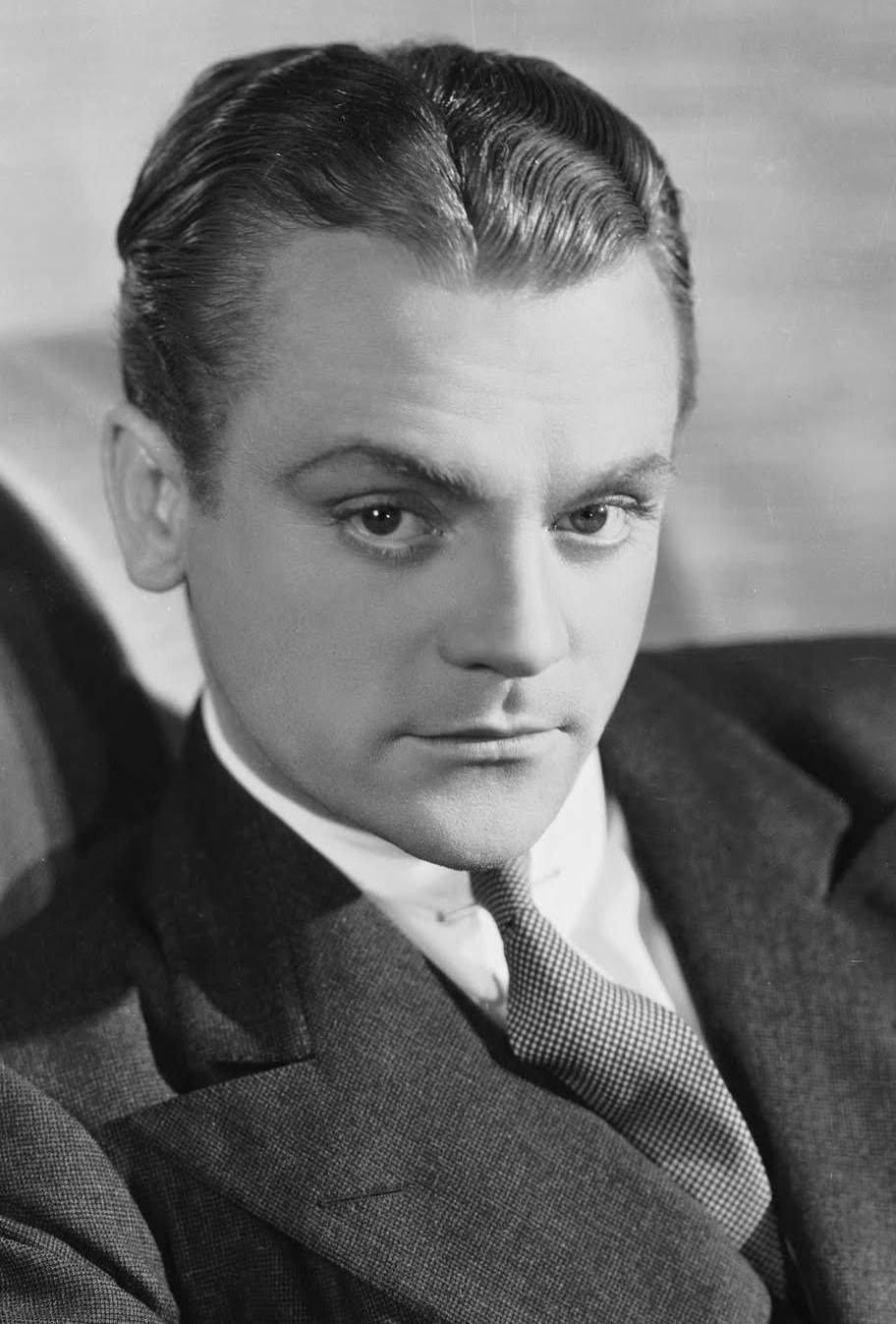
Jerry Plunkett - James Cagney
Played by James Cagney
A brash, quick-talking New York recruit whose swagger masks inexperience and a longing for heroic recognition. His impulsive mistakes in combat set the story in motion, but he is given a chance at redemption by mentors like Father Duffy. He ultimately sacrifices himself in a grenade blast to save a fellow soldier.
- 🎖️ Protagonist
- 🗣️ Rebellious
- 🪖 Soldier
- 🇺🇸 American
-
Father Francis P. Duffy - Pat O'Brien
Played by Pat O'Brien
The regiment's compassionate chaplain who believes in giving Jerry a second chance. He advocates for mercy and mentorship, influencing leadership decisions and bolstering morale. He cares for the wounded after shelling and embodies steadfast faith under fire.
- 🙏 Mentor
- 🕊️ Faith
- 🗺️ Moral guidance
- 🫡 Chaplain
-
Major Donovan - George Brent
Played by George Brent
Known as a pragmatic and decisive leader, he oversees the 69th and weighs the consequences of discipline and redemption. He initially approves giving Jerry another chance and faces the grim realities of war alongside his men. His authority anchors the unit during crises.
- 🎖️ Command
- 🧭 Decisive
- 🪖 Leader
- 🗽 Patriot
- LA
Lieutenant Ames - Dennis Morgan
Played by Dennis Morgan
An officer who works under pressure as the 69th faces peril on the front lines. He represents the professional, weary side of command and contributes to the regiment's discipline and cohesion. His presence underscores the military hierarchy amid chaos.
- 🧭 Officer
- 🗡️ Duty
- 🪖 Soldier
- 🗺️ Frontline
- JK
Joyce Kilmer - Jeffrey Lynn
Played by Jeffrey Lynn
The unit's poet, whose presence speaks to art and humanity amidst war. Kilmer's words and perspective reflect the era's cultural fabric and provide a counterpoint to carnage. He remains part of the battalion's social fabric during the campaign.
- 🎨 Poet
- 🗣️ Voice
- 🕊️ Humanist
- 🇺🇸 American
- LJ
Long John Wynn - Dick Foran
Played by Dick Foran
A veteran mortar crew member whose family history intensifies the stakes after his brothers are killed in earlier incidents. He embodies stern discipline and courage that earns respect from the soldiers he mentors and fights alongside. His interactions with Jerry shape both their arcs.
- 🪖 Veteran
- 🗡️ Mentor
- 🛡️ Protector
- 🇺🇸 American
- TW
Timmy Wynn - William Lundigan
Played by William Lundigan
A younger Wynn brother whose fate intertwines with the regiment's trials. Timmy's presence adds emotional weight to the cost of war and the responsibilities of older soldiers to safeguard their comrades. He becomes part of the tragedy that drives the narrative's moral questions.
- 👶 Youth
- 🧭 Duty
- 🛡️ Ally
- 🇺🇸 American
- BM
Big Mike Wynn - Alan Hale
Played by Alan Hale
A seasoned sergeant who commands respect in the mortar crew and becomes a key ally to Jerry. His initial reluctance to trust Jerry evolves into mentorship, guiding him toward competence in combat.
- 🧭 Mentor
- 🛡️ Soldier
- 🪖 Leader
- 🇺🇸 American
Where and When Is The Fighting 69th Set?
The Fighting 69th is set in Camp Mills, Long Island, New York, Western Front and France (World War I (1917–1918)). Here is why the time and place matter to the story.
When
World War I (1917–1918)
The narrative unfolds during World War I after the United States enters the war, placing the 69th Infantry in grueling trench warfare. The era emphasizes patriotism, sacrifice, and the moral choices soldiers face under fire. Real wartime events like the Mud March and Ourcq River crossings anchor the film in a specific historical period.
Where
Camp Mills, Long Island, New York, Western Front, France
Camp Mills on Long Island serves as the regiment's initial training ground for the 69th Infantry before deployment. The story follows the unit as it moves from American training grounds to the brutal trench warfare of the Western Front. Scenes tied to the Ourcq River and a Victory Parade anchor the regiment's journey in World War I.
- 🏕️ Training Camp
- 🗺️ Western Front
- 🗽 New York
What Are the Themes of The Fighting 69th?
3 ideas the story keeps returning to, among them Redemption, Faith & Mercy and War & Sacrifice.
-
01
Redemption
Jerry's arc moves from reckless bravado to selfless courage, culminating in a sacrifice that redeems his earlier missteps. The mentorship of Father Duffy nudges him toward accountability and bravery under fire. The climax shows a transformed soldier choosing to protect a comrade at the cost of his own life.
-
02
Faith & Mercy
The regiment's chaplain embodies faith as a source of strength for men in crisis. Through Duffy's guidance, the troops find hope and resilience amid chaos. The story frames faith as a sustaining force in moments of fear, doubt, and despair.
-
03
War & Sacrifice
The film portrays the brutal realities of World War I, from no-man's land patrols to devastating shellfire. It emphasizes the toll of battle on individuals and how acts of personal sacrifice can alter the course of a unit. The final act turns a mistake into a heroic act of selflessness.
What Kind of Film Is The Fighting 69th?
Hopeful in tone, with fast pacing and a straightforward story, going by the plot summary.
- Tone
- Hopeful
- Pacing
- Fast
- Story
- Straightforward
- Intensity
- High
- Ending
- Bittersweet
A fast-paced, intense war drama filled with brutal combat and high tension, following one soldier's redemptive journey from cowardice to heroic self-sacrifice against a grim but ultimately hopeful backdrop.
- patriotic
- tense
- redemptive
- heroic
- grim
- inspirational
- world war i
- military life
- redemption arc
- cowardice to courage
Content notes: war violence, death of soldiers, combat scenes.
Quiz
How well do you remember The Fighting 69th? Test yourself on the story.