What Is Men in War About?
The premise of Men in War in 275 words, with nothing given away. The full story follows below.
In the bitter chill of a Korean winter, a battered platoon of the 24th Infantry Division finds itself stranded far behind enemy lines after a chaotic retreat on September 6, 1950. Cut off from radio contact, the men must navigate hostile terrain while the ever‑present threat of unseen infiltrators looms. Their only hope is to fight their way toward Hill 465, a rumored rally point where friendly forces await, turning a simple navigation order into a desperate quest for survival.
The unit’s uneasy balance is defined by the clash of two starkly different leaders. Lieutenant Benson carries the weight of formal military discipline, insisting on order and a clear chain of command despite the chaos around them. Opposite him, Sgt. Montana arrives with a hardened, almost fatalistic outlook, his primary concern the silent, catatonic figure of the Colonel—a once‑commanding officer now reduced to a mute presence. The tension between Benson’s methodical approach and Montana’s raw pragmatism fuels a reluctant partnership that forces both men to reassess what leadership means in a war that offers no clear rules.
The film breathes a gritty, unflinching atmosphere, where the thin line between duty and survival is constantly tested. The landscape itself feels oppressive, echoing the internal struggles of soldiers who must confront fear, fatigue, and the erosion of camaraderie. Amid the anxieties of the frontline, moments of unexpected humanity flicker, suggesting that even in the harshest conditions, bonds can form and personal codes of honor may emerge. This uneasy alliance and the looming march toward the hill set the stage for a tense, character‑driven odyssey that asks how far one will go when the world collapses around you.
What Happens in Men in War?
The complete story of Men in War, from the first scene to the last, in 757 words (about 3 minutes). Spoilers throughout. Names in the text link to 4 cast member pages.
Spoilers ahead
Lieutenant Benson leads an isolated and exhausted platoon of the 24th Infantry Division after radio contact is severed and unseen North Korean infiltrators begin harassing them, silently killing the Americans and taking their weapons. The mission remains simple in theory—reach a hill to link up with American forces—but the reality is far harsher, forcing the men to improvise under pressure and fear.
The narrative tightens when the patrol encounters a jeep driven by Staff Sergeant Montana, with a shell-shocked passenger known only as “the Colonel” from the First Cavalry Division, bound and unable to speak. The Colonel’s mute condition and the brutal discipline he once upheld become symbolic of a war-weary force trying to cling to order in the face of chaos. After the Battle of the Nakdong River, an event described in grim terms as where “our men fell like rain,” the seasoned Montana decides that he and his colonel have had enough of the fighting, a moment that tests loyalty, duty, and survival instincts in equal measure. Benson ends up commandeering their jeep to redistribute equipment for his platoon, alongside the battle-fatigued Cpl. Zwickley, who embodies the toll of continuous combat.
As the group presses toward the designated hill, Montana’s instincts clash with Benson’s discipline. He defies orders by shooting a surrendering North Korean sniper, a moment that carries heavy consequences when the sniper is revealed to have a concealed weapon hidden inside his hat. The platoon’s rear guard suffers a setback when Sgt. Killian, distracted by tending a helmet net filled with flowers, is killed while trying to cover the retreat. Montana steps into Killian’s place, feigning fatigue to draw infiltrators into the open where he can strike, turning the tide with a brutal efficiency.
Montana’s hard-edged pragmatism begins to restore a semblance of order within the unit, and his actions also seem to push Cpl. Zwickley toward a rougher form of control over his own nerves. The platoon endures sniper fire, artillery barrages, and land mines as they press toward their objective, with Sgt. Lewis meeting a tragic end after a panic overtakes him in the heat of danger. The mood remains tense, but the crew doggedly continues, driven by a stubborn mix of duty and desperation.
When they finally reach the hill, they discover that the position is already held by North Korean forces. Montana vaults over the line between enemy and ally again by shooting three enemy soldiers who are disguised as Americans, a dramatic reversal that underscores the deception and danger surrounding them. A North Korean prisoner is used as bait and killed by his own side, further blurring the line between friend and foe. Benson leads a renewed assault, but Montana and the Colonel remain in reserve, their presence haunting the frontline with a sense of unspoken history between them. The Colonel’s mind returns in a moment of clarity, and he joins the assault only to be killed on the battlefield, a moment that leaves the unit with a hardened resolve and a heavier personal cost. Shamed by the loss, Montana ultimately chooses to stand with Benson.
Together, the two survivors—Lieutenant Benson and Montana—with the steadfast presence of Sgt. Riordan, press to dismantle the pillbox and a machine-gun nest using grenades and a flamethrower. The fight is brutal, and the losses mount, but the trio persists, embodying a blend of leadership, grit, and reluctant camaraderie that carries them through the danger.
In the end, only Benson, Montana, and Riordan emerge from the hill’s slope, scarred by the ordeal yet alive to tell the tale. As American reinforcements arrive, Montana unveils a container of medals that the Colonel had intended to award his men, a stark reminder of honor amid the ugliness of war. Benson, with a sober calm, calls the roll of his platoon in alphabetical order, including those who fell during the assault, while Montana theatrically casts the medals to the dead on the hillside, a final, haunting gesture that seals the unit’s fate and memorializes the fallen.
The film lingers on the emotional aftermath as the landscape absorbs the echoes of gunfire and oath. It presents a stark meditation on leadership, loyalty, and the toll that prolonged conflict exacts on individuals who are pushed to their limits by isolation, fear, and the relentlessness of war. The bond between Benson and Montana—at once opposites and indispensables—serves as the emotional core of the story, while the broader narrative places their battlefield choices against the unyielding reality of a war that continues to demand sacrifices from those who endure it.
Men in War Timeline: Every Key Event in Order
14 key events in the order they happen, from “Platoon is cut off and radio fails” to “Medals and roll call on the slope”. 14 events name a place, across 9 locations.
- 1
Platoon is cut off and radio fails
On 6 September 1950, a small US infantry platoon becomes isolated behind enemy lines, exhausted and without radio contact. They are harassed by unseen North Korean infiltrators who silently kill patrols and slip in silence. Their only instruction is to reach a hill where they can link up with American forces.
When:6 September 1950 Where:Korean frontline
- 2
jeep encounter with Montana and the silent Colonel
A patrol encounters a jeep driven by Staff Sergeant Montana and a silent, bound Colonel from the First Cavalry Division. The Colonel is unable to speak and is tied to his seat, and Lieutenant Benson uses the jeep to ferry his platoon’s equipment and the battered Corporal Zwickley. The jeep becomes a temporary transfer of leadership and supplies.
Where:Road to hill
- 3
Montana’s weariness grows after Nakdong River
After the Battle of the Nakdong River, Montana, a hardened veteran, decides he and the Colonel have had enough of the war. He reveals his weariness and contempt for endless fighting, signaling a turning point for his character. The pair contemplate withdrawing from further combat.
Where:Korean frontline road
- 4
Benson takes command and secures gear
Benson, taking command of the platoon, commandeers the jeep for his unit’s equipment and the battle-fatigued Zwickley. The move consolidates their gear and asserts leadership in a desperate situation. This act also reshapes the dynamics with Montana and the others.
Where:Road to hill
- 5
Montana shoots surrendering sniper
Montana disobeys Benson by instinctively shooting a surrendering North Korean sniper. The man collapses, and a concealed weapon inside his hat reveals that danger can come from within even when enemies seem defeated. The action sets a hard-edged tone for Montana’s leadership.
Where:Frontline near hill
- 6
Killian dies; Montana takes his place
Sergeant Killian is killed while covering the rear, and Montana takes his place, feigning fatigue to lure infiltrators into the open, where he eliminates them. The squad’s cohesion hinges on Montana’s improvisation and brutality when needed. The platoon’s morale begins to hinge on his aggressive resolve.
Where:Rear of the platoon
- 7
Montana steadies the unit and eases Zwickley
Montana reshapes the platoon into a disciplined formation and even helps Corporal Zwickley overcome his neurosis with a hard, corrective approach. His rough methods prove effective in keeping the men focused under pressure. The platoon functions with renewed ferocity.
Where:Approach to hill
- 8
The platoon faces multiple threats
The platoon endures sniper fire, artillery bombardment, and land mines as they push toward the hill. Platoon Sergeant Lewis panics under pressure and is killed, illustrating the intense strain on leadership under fire. The unit presses forward despite mounting casualties.
Where:Path toward hill
- 9
Hill is held by North Koreans; disguise exposed
When they reach the hill, they discover it is held by North Korean defenders. Montana shoots three enemy soldiers disguised as Americans after a North Korean prisoner is killed by his own side. The line between ally and enemy blurs on this battlefield.
Where:Hilltop
- 10
Colonel joins the assault and is killed
Benson and his men launch an assault, but Montana and the colonel initially stay out. The colonel regains his bearings, joins the assault, and is killed in the fighting. His death underlines the high cost paid by leadership.
Where:Hilltop
Show the other 4 events of Men in War Hide the last 4 events
- 11
Montana joins the assault
Shamed by the Colonel’s death, Montana joins Benson to continue the assault on the hill. He commits to the fight even as his personal weariness remains, underscoring a complex moral turn for his character. The decision marks a shift back toward teamwork.
Where:Hilltop
- 12
Grenades and flamethrower clear the nest
They use grenades and a flamethrower to destroy a pillbox and a machine-gun nest, clearing the way for their final push. The offensive momentum swings in favor of Benson’s unit as they reduce the hill’s defenses. The assault tightens as fires rage around the battlefield.
Where:Hilltop
- 13
Only three survive as reinforcements arrive
Only Benson, Montana, and Riordan survive the attack while American reinforcements arrive to secure the hill. The unit’s sacrifice is tempered by the arrival of fresh troops who can help hold the position. The closing hours reveal the true cost of the engagement.
Where:Hilltop
- 14
Medals and roll call on the slope
Montana produces a container of medals that the colonel had intended to award. Benson calls the roll of the platoon in alphabetic order, including those killed, as Montana tosses medals to the dead on the slope of the hill. The moment commemorates both victory and loss.
Where:Slope of the hill
Who Are the Main Characters in Men in War?
8 characters, among them Lt. Benson - Robert Ryan, Sgt. Montana - Aldo Ray and Cpl. Zwickley - Vic Morrow: who each one is and the part they play in the story. Every profile links to the actor’s page.
-
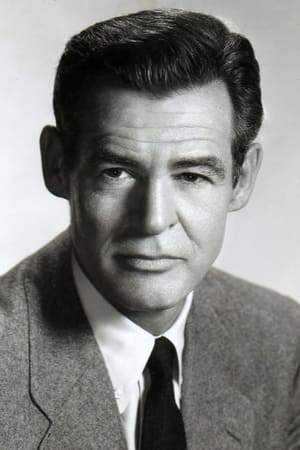
Lt. Benson - Robert Ryan
Played by Robert Ryan
Platoon leader who must navigate isolation and unclear orders, keeping his unit focused on reaching the designated hill. He is practical, patient under pressure, and committed to linking up with American forces despite the mounting danger. Benson represents disciplined command and the moral weight of making tough calls for his men.
- 🎖️ Leader
- 🧭 Strategy
- 🛡️ Calm Under Fire
- SM
Sgt. Montana - Aldo Ray
Played by Aldo Ray
A battle-hardened, brusque sergeant who disobeys at times yet becomes the backbone of the platoon’s morale and discipline. He improvises tactics, including using deception to flush out infiltrators, and ultimately helps restore order after a period of chaos. Montana's rough exterior hides a capacity for strategic daring and loyalty to his comrades.
- 🎖️ Courage
- 🗺️ Tactics
- 🪖 Dependability
- CZ
Cpl. Zwickley - Vic Morrow
Played by Vic Morrow
Shell-shocked and neurotic under the stress of continuous sniper attacks and bombardment. His condition becomes a focal point for the platoon’s vulnerability, and he relies on his comrades to persevere. Zwickley’s arc illustrates how fear and trauma intersect with intimate moments of camaraderie.
- 🧠 Trauma
- 🪖 Soldier’s Struggle
- 🔥 Stress
- TC
The Colonel - Robert Keith
Played by Robert Keith
A high-ranking officer who is initially immobile and speechless due to injuries, treated as a fatherly figure by Montana. He eventually joins the assault only to be killed, symbolizing the ultimate cost of leadership in war. His presence frames the narrative’s sense of duty and sacrifice.
- 🎖️ Honor
- 🗺️ Strategy
- ⚔️ Duty
-
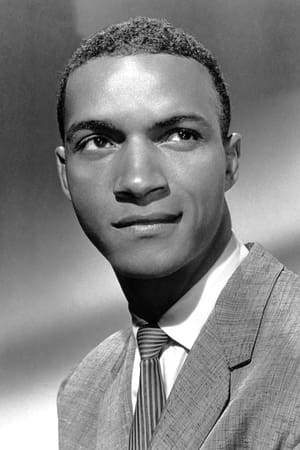
Sgt. Killian - James Edwards
Played by James Edwards
Tough, steady, and protective of the rear-guard, he dies while covering the platoon’s flank and maintaining the line. His death reinforces the peril of frontline command and the personal risks soldiers take for the unit.
- ⚔️ Valor
- 🛡️ Duty
- 💥 Sacrifice
- SL
Sgt. Lewis - Nehemiah Persoff
Played by Nehemiah Persoff
A sergeant who succumbs to battlefield fear during a heavy artillery barrage, illustrating the human fragility under extreme stress. His death underscores the platoon’s fragility when confronted with sustained bombardment.
- 🧠 Trauma
- 🔥 Firefight
- ⚰️ Loss
- PA
Pvt. Ackerman - Walter Kelley
Played by Walter Kelley
A loyal private who carries his weight under fire and stays focused on the mission despite the chaos around him. His reliability reflects the steady core of a disciplined infantry unit.
- 🪖 Loyalty
- 🧭 Duty
- 💪 Endurance
- SR
Sgt. Riordan - Phillip Pine
Played by Phillip Pine
A sergeant who participates in the assault and remains a steady presence through the final push. He contributes to the platoon’s cohesion as the hill assault unfolds.
- 🎖️ Loyalty
- 🗺️ Patrol Skill
- ⚔️ Readiness
Where and When Is Men in War Set?
Men in War is set in Korean Peninsula and South Korea (September 1950). Here is why the time and place matter to the story.
When
September 1950
The events take place in the early phase of the Korean War, beginning around September 6, 1950. U.S. troops from the 24th Infantry Division are cut off and must maneuver through hostile territory with limited radio contact. The period is marked by rapid moves, brutal close-quarters combat, and the chaotic shift from mobility to entrenchment on advancing front lines.
Where
Korean Peninsula, South Korea
Set on the Korean Peninsula during the early days of the 1950 Korean War, the action unfolds on a rugged hillside and surrounding terrain near the Nakdong River line. The area is a tense front-line zone where isolated platoons endure constant harassment and the threat of unseen enemy infiltrators. The environment is defined by artillery bombardments, mines, and the ever-present risk of ambush as troops attempt to link up with friendly forces.
- 🏔️ Mountainous terrain
- ⚔️ Frontline pressure
- 🪖 Military occupation
What Are the Themes of Men in War?
3 ideas the story keeps returning to, among them Leadership, Trauma and Sacrifice.
-
01
Leadership
The story centers on how leadership is tested under fire, with Lt. Benson and Sgt. Montana guiding a fractured platoon through a deadly gauntlet. Benson provides steadiness and tactical focus, while Montana, though rough around the edges, exerts a transformative influence that steadies the unit. Their contrasting styles reveal how different forms of command can emerge under pressure. The climactic moments show leadership not as a single heroics but as a collective recalibration of the group toward survival and purpose.
-
02
Trauma
Soldiers endure mounting psychological strain: Zwickley's shell shock and the constant fear of ambush highlight the inner toll of war. The platoon’s morale frays under sniper fire, artillery, and the burden of seeing comrades fall. Montana's blunt methods to snap his men back into formation illustrate the harsh realities of treating mental wounds on the battlefield. The film anchors its drama in how trauma shapes decisions and relationships under extreme duress.
-
03
Sacrifice
Deaths punctuate the mission, from Killian's valorous but fatal rear-guard action to the Colonel’s final stand and demise. The surviving men—Benson, Montana, and Riordan—must reconcile their losses while pressing the assault against a fortified position. The ritual of awarding medals to the fallen, delivered by Montana after reinforcements arrive, underscores the cost of victory. Sacrifice is framed not just in grand moments of heroism but in the quiet carry-forward of memory and duty.
What Kind of Film Is Men in War?
Dark in tone, with fast pacing and a moderate story, going by the plot summary.
- Tone
- Dark
- Pacing
- Fast
- Story
- Moderate
- Intensity
- High
- Ending
- Bittersweet
An intensely grim and claustrophobic war film that follows an exhausted, isolated platoon through constant peril, emphasizing the brutal psychological toll and reluctant bonds forged under extreme duress.
- tense
- grim
- exhausting
- brutal
- claustrophobic
- fatalistic
- military survival
- wartime leadership
- battle fatigue
- duty vs instinct
Content notes: war violence, graphic death, psychological trauma, PTSD.
Quiz
How well do you remember Men in War? Test yourself on the story.
Where to Watch Men in War
Stream it on Cineverse and Fandango at Home Free, or rent or buy it from Amazon Video and Fandango At Home. US availability and prices from JustWatch.
Stream 10
 Cineverse
  Fandango at Home Free
  Fandor
  Fandor Amazon Channel
  Fawesome
  Philo
Philo  Plex
Plex  Plex Channel
  The Roku Channel
  Tubi TV
Streaming availability in the US, powered by