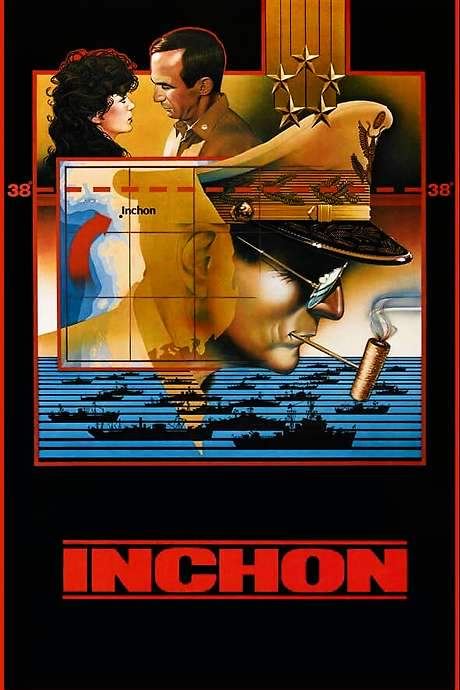
What Is Inchon About?
The premise of Inchon in 322 words, with nothing given away. The full story follows below.
In the bitter chill of the Korean winter, the tide of the war turns toward the moonlit shores of Inchon. The film paints a sweeping canvas of Allied forces poised for a daring amphibious strike, a massive operation that feels both monumental and precarious. Sun‑splashed beaches, cramped command tents, and the endless hum of radio traffic create a world where strategic brilliance and the raw chaos of combat constantly collide, setting a tone that is as grand‑scale as it is intimate.
At the heart of the military drama stands Douglas MacArthur, whose charismatic confidence and ruthless ambition dominate the strategic landscape. His presence is felt in every briefing, every press conference, and the whispered belief that a single mind can reshape a nation’s fate. The looming pressure of public expectation meets the gritty reality of soldiers and civilians alike, underscoring a mood that oscillates between hopeful triumph and sobering uncertainty.
Against this backdrop, the personal stakes focus on a married couple thrust into the maelstrom. Barbara Hallsworth, a resourceful civilian, finds herself drawn into a perilous mission that forces her to balance maternal protectiveness with the harsh demands of a warzone. Meanwhile, Frank Hallsworth, a dedicated Army major, wrestles with the weight of duty as his love for Barbara is tested by the relentless pull of the front lines. Their relationship becomes a quiet, tension‑filled thread woven through the larger tapestry of conflict, illustrating how love and destiny are reshaped by the fire of battle.
The narrative also hints at the lives intersecting around them—Lim, a young woman whose affection for Frank adds a layer of longing, and Saito, a figure whose choices reflect the complex loyalties of a nation in turmoil. Together, these characters inhabit a world where heroism is measured not only in battlefield victories but in the fragile moments of human connection, leaving the audience to wonder how love will endure when everything else is being rewritten by war.
What Happens in Inchon?
The complete story of Inchon, from the first scene to the last, in 607 words (about 3 minutes). Spoilers throughout. Names in the text link to 10 cast member pages.
Spoilers ahead
Set during the Korean War, the film revisits the Battle of Inchon—September 15 to 19, 1950—often highlighted as the turning point of the conflict. At the center of the drama is Gen. Douglas MacArthur, the commanding figure whose audacious amphibious plan off the Incheon coast frames the entire story and shapes the fate of the campaign.
On the home front near the 38th parallel, Barbara Hallsworth Barbara Hallsworth is the wife of a U.S. Army major who becomes involved in a perilous mission. She is asked to escort five South Korean children to safety in Seoul, traveling by limousine. The journey is violently interrupted when their chauffeur is killed, forcing Barbara to press on toward safety at the Inn of the Sixth Happiness. In a tense moment that underscores the chaos of war, she shoots a North Korean soldier to protect the group, a stark reminder that civilians are drawn into the conflict just as fiercely as soldiers.
Meanwhile, Frank Hallsworth Maj. Frank Hallsworth finds himself entangled in a forbidden affair with Lim, the daughter of Saito. Lim Lim becomes a focal point of personal risk and family tension, as her father, Saito, is keenly aware of the relationship and does not disapprove, adding a layer of complexity to the couple’s decisions as the invasion unfolds. Frank’s personal scheme intersects with the larger war, reminding viewers that the human costs of conflict stretch far beyond the battlefield.
As the danger escalates, Frank learns of the invasion and heads north to locate Barbara, aided by Sgt. Augustus Henderson. Henderson plays a crucial practical role—fixing a battery in Barbara’s vehicle and helping to reunite the couple—while the larger military operations push forward with relentless momentum.
In Tokyo, journalists—David Feld, Park, and Longfellow—attend a press conference that is meant to spotlight MacArthur’s leadership. Yet the general himself does not appear, a moment that underlines the tension between public spectacle and on-the-ground strategy. MacArthur’s wife, Jean MacArthur, later shares with him that he is convinced he is the only person who can rescue South Korea, a claim that foreshadows his larger role in shaping wartime events.
Back on the water and through the channels, Hallsworth and Lim push forward with a bold signal to the fleet. They manage to turn on a lighthouse to alert 261 U.S. ships, while Saito triggers mines in the channel. The sea lanes tremble under the threat of mines, and Lim is killed in the ensuing battle, a devastating sacrifice that underscores the human toll behind strategic maneuvers.
As American troops surge forward, the North Korean forces are driven back, and the streets and shores fill with cheering crowds who wave South Korean and American flags alike. The narrative moves toward a closing note of resolve as MacArthur—whose leadership looms large throughout—recites the Lord’s Prayer, a moment that segues into a final newsreel that revisits his wartime leadership and the war’s turning point.
- The film’s scope blends intimate, high-stakes personal drama with sweeping military action, portraying how lives intersect at the edge of a pivotal moment in history.
- Across its threads, the story emphasizes courage, sacrifice, and the imperfect humanity of those who navigate the consequences of war, from civilian evacuees and frontline soldiers to generals and journalists.
- The interplay between Barbara’s protective actions, Frank and Lim’s fragile romance, and the strategic gambits that defined Inchon creates a mosaic of wartime experience—showing how a single campaign can ripple through families, communities, and nations.
This retelling stays faithful to its core events while expanding the emotional texture of its characters, delivering a dense, character-driven panorama set against a landmark chapter in the Korean War.
Inchon Timeline: Every Key Event in Order
12 key events in the order they happen, from “Invasion begins on the 38th parallel” to “Newsreel of MacArthur closes the film”. 10 events name a place, across 6 locations.
- 1
Invasion begins on the 38th parallel
In June 1950, North Korean forces push across the 38th parallel, plunging the peninsula into war. Civilians scramble to flee toward safer areas, and Seoul becomes a destination of urgency. The stage is set for both battlefield operations and personal stories to unfold amid the conflict.
When:June 1950 Where:38th parallel region, Korea
- 2
Barbara rescues children and escapes the invasion
Barbara Hallsworth is driven toward Seoul with five South Korean children, but her chauffeur is killed along the way. She takes control, guides them to safety at the Inn of the Sixth Happiness, and even shoots a North Korean soldier who threatens them. Her actions highlight civilian courage amid the early chaos of the war.
When:June 1950 Where:Route to Seoul; Inn of the Sixth Happiness
- 3
Frank searches for Barbara as invasion starts
Frank Hallsworth, entangled in an affair with Lim, learns of the invasion and travels north to locate Barbara. Army sergeant August Henderson assists, repairing her vehicle and aiding the search. The long-delayed reunion underscores how personal relationships persist amid national catastrophe.
When:June 1950 Where:Korea, northward journey
- 4
Journalists report from Tokyo; MacArthur's stance
David Feld, Park, and Longfellow attend a press conference with MacArthur in Tokyo, though the general does not appear as expected. He aligns with his wife by declaring he is the man who can rescue South Korea and shapes public perception of the war. The scene frames leadership and media narratives on the eve of major operations.
When:Date not specified Where:Tokyo, Japan
- 5
Lighthouse signal sets the stage for Inchon
Hallsworth and Lim manage to turn on a lighthouse to signal 261 U.S. ships, providing a crucial navigational cue for the impending landing. The moment links civilian infrastructure to a planned amphibious operation. Place: Incheon Channel
When:September 1950 Where:Incheon Channel
- 6
Mines are activated in the channel
Saito triggers mines in the channel, complicating the landing and heightening the danger for approaching ships and troops. The defensive move tests the planners' resolve and patience. Place: Incheon Channel
When:September 1950 Where:Incheon Channel
- 7
Lim falls in the fighting
Lim is killed during the ensuing battle, underscoring the personal cost of the operation. Barbara and others witness the tragedy as the assault moves forward. Place: Incheon Channel
When:September 1950 Where:Incheon Channel
- 8
UN troops land and push out North Koreans
American and allied forces land at Incheon and begin driving North Korean troops from the area. The operation marks a turning point by breaking the North Korean advance and enabling counteroffensives. Place: Incheon, Korea
When:September 15–19, 1950 Where:Incheon, Korea
- 9
Civilians celebrate as flags fly
As combat subsides, the people cheer and wave South Korean and American flags along the harbor. The moment captures relief and renewed hope amid a long, brutal war. Place: Incheon, Korea
When:September 1950 Where:Incheon, Korea
- 10
Inchon marks the turning point of the war
The successful landing is framed in the film as the turning point of the Korean War, shifting momentum decisively in favor of UN forces. The narrative ties strategic success to human courage and resilience. Place: Incheon, Korea
When:September 1950 Where:Incheon, Korea
- 11
MacArthur recites the Lord's Prayer
In the aftermath of the major operation, MacArthur is shown reciting the Lord's Prayer, a moment that emphasizes leadership, faith, and resolve. The scene links personal belief to the broader war effort. Place: Not specified
When:September 1950
- 12
Newsreel of MacArthur closes the film
After the prayer, a newsreel of MacArthur is shown, reinforcing his public image and the war's narrative for audiences. The sequence caps the story with a retrospective feel. Place: Not specified
When:September 1950
Who Are the Main Characters in Inchon?
9 characters, among them Barbara Hallsworth (Jacqueline Bisset), Maj. Frank Hallsworth (Ben Gazzara) and Saito-San (Toshirô Mifune): who each one is and the part they play in the story. Every profile links to the actor’s page.
-

Barbara Hallsworth (Jacqueline Bisset)
Played by Jacqueline Bisset
A U.S. Army major’s wife who is displaced by the North Korean invasion. She is chauffeured to Seoul, then drives five South Korean children to safety after her chauffeur is killed, ultimately reaching a protected location. On her harrowing path, she shoots a North Korean soldier, demonstrating quick thinking and courage under danger.
- 👩✈️ Heroine
- 🧭 Courage
- 🗺️ War-torn Korea
-
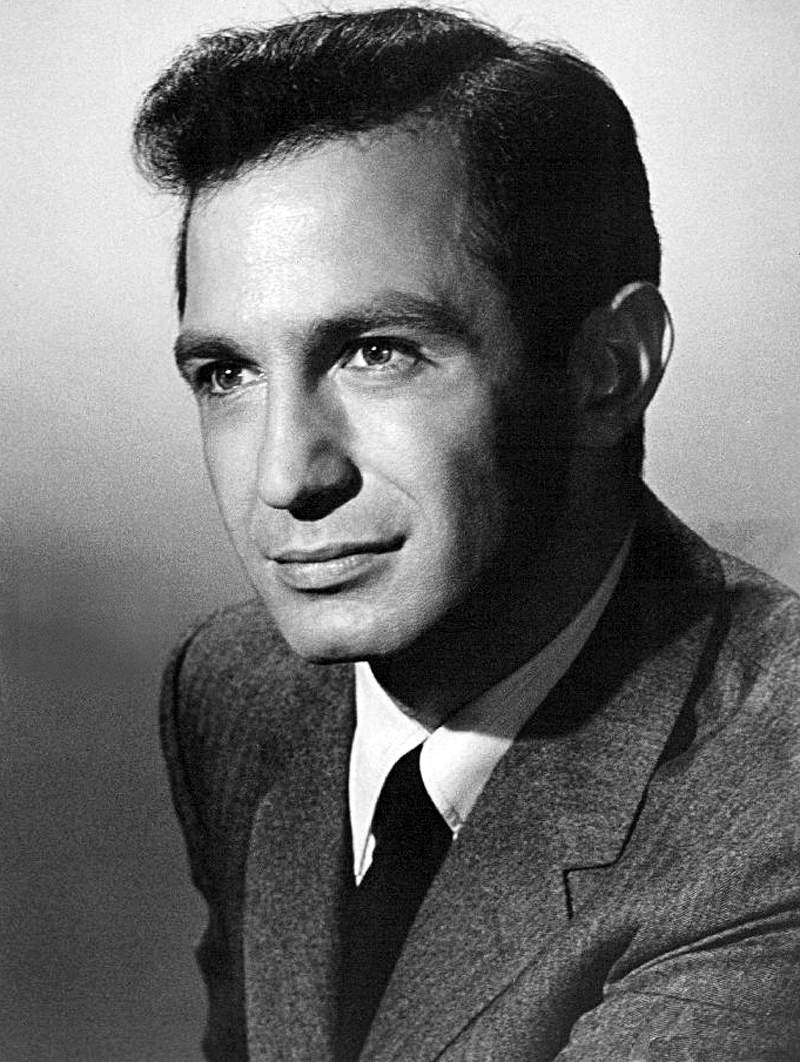
Maj. Frank Hallsworth (Ben Gazzara)
Played by Ben Gazzara
Barbara’s husband, who heads north to locate her while wrestling with a complicated personal life. His efforts reflect duty and determination in the face of danger. His pursuit intersects with the larger conflict and moral choices around loyalty and fidelity.
- 🛡️ Duty
- 💞 Relationships
- 🗺️ War context
-
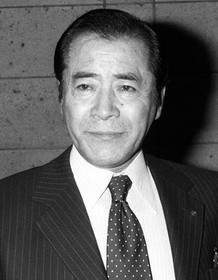
Saito-San (Toshirô Mifune)
Played by Toshirô Mifune
Barbara’s father, depicted as a pragmatic elder who is aware of his daughter’s affair and does not disapprove. He embodies familial ties and traditional authority navigating the upheavals of war.
- 👨👦 Family
- 🧭 Honor
- 🗺️ War context
-
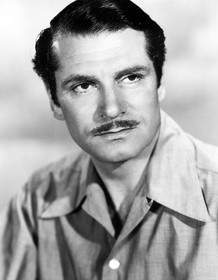
Gen. Douglas MacArthur (Laurence Olivier)
Played by Laurence Olivier
Commander of the Allied forces who masterminds the Inchon landing, a turning point in the war. He withdraws from a public press conference, reflecting the tension between leadership and media. The film closes with him reciting the Lord’s Prayer, signaling a moral compass amid strategic chaos.
- 🎖️ Leadership
- 🧭 Strategy
- 🗺️ War hero
- L(
Lim (Karen Kahn)
Played by Karen Kahn
A South Korean woman who has an affair with Frank. She contributes to the personal dimension of the wartime landscape and dies during the lighthouse signaling battle, symbolizing the human cost of conflict.
- 💔 Romance
- 🧭 Survival
- 🗺️ Korean War
- DF
David Feld (David Janssen)
Played by David Janssen
A journalist at a Tokyo press conference, representing media presence in wartime reporting. His observations help frame how events are conveyed to the public and influence international perception.
- 📰 Journalism
- 🎯 Truth
- 🗞️ War reportage
- P(
Park (Nam Koong-won)
Played by Nam Koong-won
A Korean journalist who, along with Feld and Longfellow, attends the press briefing in Tokyo. Park embodies the local perspective within wartime media coverage.
- 📰 Journalism
- 🗺️ War coverage
- L(
Longfellow (Rex Reed)
Played by Rex Reed
Another journalist present at press events, contributing to the film’s lens on media and the portrayal of wartime events to a broader audience.
- 📰 Journalism
- 🗞️ Public perception
- JM
Jean MacArthur (Dorothy James)
Played by Dorothy James
MacArthur’s wife, who shares a personal perspective on the general’s public persona and private resolve during the wartime crisis.
- 👩✈️ Spouse of leader
- 🕊️ Moral support
Where and When Is Inchon Set?
Inchon is set in Incheon, Seoul and Tokyo (1950). Here is why the time and place matter to the story.
When
1950
The events take place during the early Korean War in 1950. The invasion of the North Koreans in June gives way to the Inchon landing in September, shaping the campaign’s momentum. The timeline interweaves battlefield action with political decisions and media presence throughout that year.
Where
Incheon, Seoul, Tokyo
The story centers on the Korean War era, focusing on the Inchon landing as a pivotal turning point. Action unfolds across border towns near the 38th parallel, the port city of Inchon, and the city of Seoul as civilians flee from conflict. Tokyo serves as a staging ground for planning and media coverage surrounding the operation.
- 🗺️ War setting
- 🌍 Asian theatre
- 🚢 Amphibious operation
What Are the Themes of Inchon?
4 ideas the story keeps returning to, among them War, Leadership and Displacement.
-
01
War
The film portrays the brutality and complexity of war, highlighting a turning-point operation that requires courage under fire. It shows civilians displaced by the fighting and individuals risking their lives in acts of quick thinking and endurance. The Inchon landing is presented as both a strategic feat and a human trial, testing loyalties and moral choices.
-
02
Leadership
Leadership under pressure is a central thread, shown through strategic planning, bold decisions, and the burden of command. The narrative explores how leaders balance public perception with wartime realities, culminating in moments that define a commander’s resolve. The closing moments reflect a moral anchor that guides decisive action amid uncertainty.
-
03
Displacement
The invasion drives mass movement of people fleeing danger, underscoring the human cost of war. Personal stories—families split, refugees seeking safety, and civilians adapting to peril—ground the conflict in everyday resilience. The theme emphasizes the fragility of home in the face of sudden upheaval.
-
04
Media
Journalists and press reporting frame the war for the public, highlighting the relationship between information and power. The film juxtaposes on-the-ground action with media briefings, illustrating how narratives are shaped in wartime. The absence of MacArthur from a key press event and the final newsreel underscore the media’s influence and limits.
What Kind of Film Is Inchon?
Dark in tone, with variable pacing and a moderate story, going by the plot summary.
- Tone
- Dark
- Pacing
- Variable
- Story
- Moderate
- Intensity
- High
- Ending
- Bittersweet
An intense and heavy war epic that blends sweeping military action with grim personal dramas of sacrifice and forbidden romance, creating a somber and chaotic viewing experience.
- grim
- tense
- melancholic
- somber
- chaotic
- sacrificial
- war drama
- military strategy
- forbidden romance
- civilian survival
Content notes: war violence, child endangerment, character death.
Quiz
How well do you remember Inchon? Test yourself on the story.
Where to Watch Inchon
. US availability and prices from JustWatch.
Streaming availability in the US, powered by