What Is Swing Vote About?
The premise of Swing Vote in 382 words, with nothing given away. The full story follows below.
In the dusty outskirts of Texico, New Mexico, life drifts at the pace of a lone trailer’s wind‑blown porch swing. Here lives Bud Johnson, a heavy‑drinking, good‑natured slacker who spends his days juggling dead‑end jobs, bar stools, and the lingering echoes of a marriage that has already slipped away. The town’s slow‑moving rhythm is punctuated by the hum of a nation on the brink of deciding its next president, a contrast that magnifies Bud’s comfortable disengagement and sets a tone that is equal parts wry comedy and understated melancholy.
His teenage daughter, Molly, is the opposite of her father’s laissez‑faire attitude. Bright, idealistic and already plugged into the political chatter that sweeps the country, she takes it upon herself to register both of them as independent voters, hoping to spark a flicker of responsibility in her dad. Their strained relationship—Bud’s reluctance to shoulder any kind of adult obligation versus Molly’s earnest desire to be heard—creates a tender undercurrent that drives the film’s emotional core. The small‑town setting, with its modest diners, rust‑colored horizons and close‑knit community, feels both intimate and surprisingly reflective of the broader national mood.
As the presidential race tightens into a dead‑heat, New Mexico’s five electoral votes become the kind of hinge that could tip the balance of power. In a twist of fate, Bud’s single, uncast vote is suddenly thrust into the spotlight, transforming his ordinary existence into a focal point for the country’s political circus. Reporters, campaign aides, and a whirlwind of media attention converge on the sleepy town, turning everyday life into a stage where the banal and the monumental collide. The atmosphere crackles with a blend of nervous humor and genuine urgency, hinting at the ripple effects one ordinary person can create when the world’s gaze lands on them.
Against this backdrop, Bud must navigate the unfamiliar terrain of civic duty while confronting the more personal stakes of fatherhood, identity, and redemption. The presence of Kate Madison, a television journalist eager to capture his authentic voice, adds another layer of observation and potential self‑discovery. The film balances the grand scale of a national election with the intimate, often messy moments of a family learning what responsibility truly means, keeping the audience curious about how a reluctant everyman will respond when his ordinary life becomes extraordinary.
What Happens in Swing Vote?
The complete story of Swing Vote, from the first scene to the last, in 993 words (about 4 minutes). Spoilers throughout. Names in the text link to 2 cast member pages.
Spoilers ahead
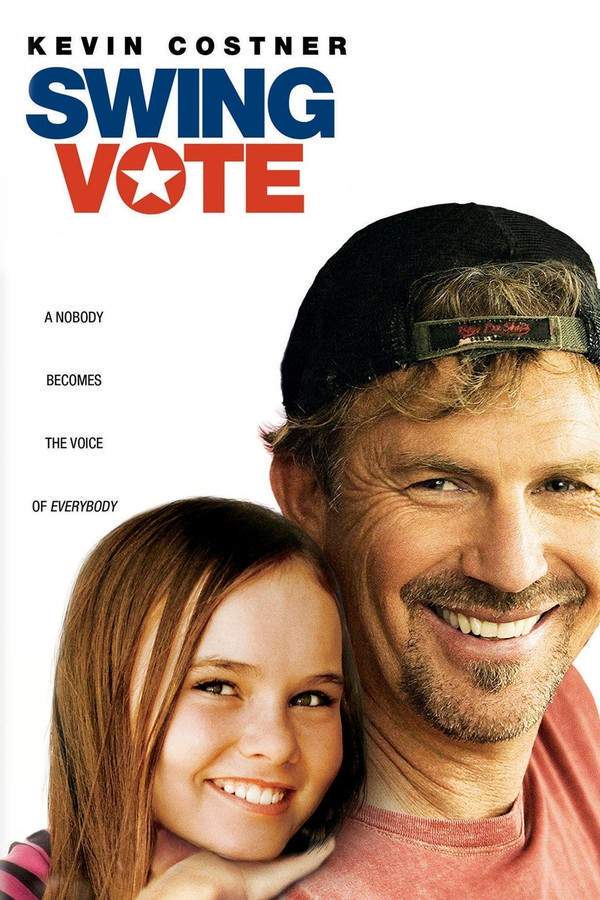
Ernest ‘Bud’ Johnson, Kevin Costner a heavy-drinking, well-meaning but often unreliable slacker, lives in a weathered trailer on the edge of Texico, New Mexico. His life is stacked with a string of small disappointments: his wife Larissa has left him with their young daughter Molly to chase a singing career, leaving Bud to drift between work tardiness and bar stools. Molly, by contrast, is plugged into the world around her—curious, idealistic, and politically engaged—registering herself and Bud as an independent in the presidential race. The film starts with the tension between a father who resents responsibility and a daughter who refuses to abandon her civic duties.
Bud’s promises to Molly prove fragile. He’s fired from his job and, far more often, drawn to the bar, where the lure of alcohol outpaces any pledge to cast a ballot. One night, after a morning where Molly tries to nudge him toward voting, he collapses in his truck and forgets his commitment entirely. Molly, determined to see him participate, decides to vote in his stead, but the voting machine crashes under the strain of the moment, leaving the ballot orphaned inside the device. To avoid trouble, Molly takes the stub and drives Bud home, a small act with outsized political consequences. She hints at a new living arrangement with Larissa, but the answer is a blunt no, foreshadowing the widening rift in Bud’s personal life.
The election itself grows impossibly tense. Neither incumbent Republican Andrew Carington Boone nor Democratic challenger Donald Greenleaf can be declared the winner, as both the popular and electoral tallies hover in a precarious dead heat. New Mexico’s five electoral votes have become the hinge that could tilt the race, but the state’s outcome remains unsettled because Bud’s ballot remains uncast in a technically unresolved way. The stakes tighten into a congressional-like standoff, and Bud is given only ten days to determine his vote, a deadline that could swing the presidency.
Desperate to win him over, Greenleaf’s campaign manager Art Crumb orders a deep dive into Bud’s world—his tastes, his music, his habits—hoping to craft a persuasive appeal. Boone’s team, led by Martin Fox, counters with their own efforts, even sending a familiar face, Richard Petty, to accompany Bud and Molly to a private audience aboard Air Force One for a meeting with President Boone. Just when it seems both camps will bend the truth to fit Bud’s persona, Bud’s attention is snagged by a new signal: a political ad from a beloved figure, a friend of Greenleaf, inviting him to a party; the stunt feels both intimate and calculated, the kind of event designed to shore up a wavering voter.
Into this chessboard steps Kate Madison, a television journalist whose interview with Bud becomes a catalyst for change. Paula Patton brings Kate to life as she tries to capture Bud’s real views, but the interview is misinterpreted by the media, causing the two campaigns to shift positions in ways that look disingenuous to many observers. The day-to-day tactics—paroled bandmates performing again, showy gestures, glitzy televised moments—start to feel hollow to Bud and Molly, who see through the optics to a deeper problem: the public’s hunger for sound bites more than honest answers.
The politicking begins to touch the private lives around Bud. Boone’s wife contemplates leaving him after his own moral compromises to win, while Greenleaf begins to reconcile with his spouse as the polls flip in unexpected directions. Yet the rowdy theater of campaigns cannot erase Bud’s neglect of Molly’s life; a key moment comes when Molly is left feeling abandoned during Bring Your Dad to Work Day at school. She seeks refuge with Larissa, only to face a harsh, drug-addicted reality that frightens her. Bud realizes what happened and returns to his daughter, comforting her as reporters swarm and flashbulbs pop, a moment that marks a turning point in their relationship.
That turning point ripples through Bud’s behavior. He wakes up to the gravity of his situation, stops drinking, and begins to engage with the issues that have shaped his life—gun-shy about politics in the past, suddenly curious about the consequences of his vote. He collaborates with Kate and Molly to sift through the mail from ordinary Americans, inquiries and concerns that reveal what people truly want from their leaders. The pair organize a meaningful public forum—Bud, newly versed in the concerns of everyday citizens, serves as a moderator, fielding questions drawn from the letters, not from party operatives. Through this framed discussion, Bud confronts his own ignorance about politics, as well as the broader realities of life beyond his barstool.
In a bold move that crystallizes the transformation, Bud delivers a written speech that candidly acknowledges his past shortcomings and his newfound commitment to voting for issues that genuinely matter. He confesses regrets about not knowing much about politics—and, more importantly, about not knowing much about life. The next morning, Molly watches the outcome with a hopeful smile as Bud casts his vote in alignment with the values he has finally come to understand. The election story, once hinging on a single act of a shy, impulsive vote, widens into a narrative about responsibility, reconciliation, and the difficult but essential act of choosing the right path.
Throughout, the film threads a simple truth: elections are more than moments of spectacle; they are prolonged decisions shaped by everyday people and the growth they are capable of, even when faced with cynicism and fatigue. The closing arc centers on a father who grows up in front of his daughter, a journalist who unveils the human core behind political narratives, and a candidate who learns that the public’s trust depends less on polished rhetoric and more on honest attention to the issues that affect real lives. In the end, Bud’s vote becomes not just a political action but a personal declaration—the result of a journey from disengagement to responsibility, a journey that Molly witnesses with quiet pride and a hopeful heart.
Swing Vote Timeline: Every Key Event in Order
12 key events in the order they happen, from “Bud's life in Texico and Molly's political awakening” to “Wake-up call, reform, and a debate victory for the voters”. 12 events name a place, across 12 locations.
- 1
Bud's life in Texico and Molly's political awakening
Bud Johnson is a heavy-drinking slacker living in a trailer in Texico, New Mexico. His wife Larissa has left him with their young daughter Molly to pursue a singing career, while Molly cares about politics and urges him to vote. She even registers him as an independent, hoping he will participate in the presidential election.
When:Pre-election Where:Texico, New Mexico
- 2
Bud promises to vote but relapses into drinking
Bud reluctantly promises to vote, but loses his job and ends up at the bar, drinking away the day. His lapse means he forgets his promise to Molly. The scene sets up the central conflict of responsibility versus apathy.
When:Election day Where:Texico, New Mexico bar
- 3
Molly's TV moment and Bud's attempt to vote
Bud sees Molly being interviewed by a television journalist about the election and is reminded of his obligation to vote. He tries to drive to the polling station but passes out drunk in his truck in the parking lot. The moment highlights the consequences of his neglect.
When:Election day Where:Parking lot near polling place
- 4
Molly votes secretly; ballot gets stuck
Frustrated by the system, Molly decides to vote on Bud's behalf, hoping to influence the outcome. Before she can select a candidate, the voting machine malfunctions, leaving the ballot inside. Molly takes the stub and leaves to avoid getting caught.
When:Election day Where:Polling station
- 5
Bud's family life strains further
Back home, Molly tells Bud she wants to live with Larissa, but Bud is unable to change the arrangement. The family tension deepens as the personal lives of the trio intersect with the political drama. Molly's desire for stability clashes with Bud's careless routines.
When:Post-polling Where:Bud and Molly's trailer home
- 6
Election cannot be called; NM votes become decisive
The election ends in a near-tie with both candidates and their electoral votes in limbo. New Mexico's five electoral votes become the hinge, but Bud's miscast vote prevents the state from being clear. A tight ten-day window is set for Bud to cast a proper ballot.
When:Election night to post-election window Where:New Mexico
- 7
Campaigns study Bud and tailor pitches
Art Crumb and Martin Fox order their teams to learn everything about Bud, hoping to tailor messages to win him over. They begin micro-targeting him based on his interests and past life. The strategy marks a shift toward personalized persuasion.
When:Early strategy phase Where:Campaign offices
- 8
Power play: Bud's Air Force One meeting
Richard Petty drives Bud and Molly to an orchestrated personal meeting with President Boone aboard Air Force One. The encounter is designed to sway Bud with access and spectacle. Molly watches the process with growing discomfort as her father becomes part of the campaign theater.
When:After initial targeting Where:Air Force One
- 9
Willie Nelson ad and the staged party
Bud sees a personal invitation from Willie Nelson to a party organized by Crumb and Greenleaf, tapping into his admiration for the celebrity. Greenleaf’s team even arranges to parole one of Bud's old bandmates for a triumphant musical performance. The spectacle intensifies the political theater around Bud.
When:Post-Air Force One meeting Where:TV ad / party venue
- 10
Exclusive interview reshapes perceptions
Kate Sweeney secures an exclusive interview with Bud, but the interview’s framing misinterprets his actual opinions. The misread narrative causes the candidates to flip-flop on several positions. The media circus grows as public perception shifts.
When:Mid-campaign Where:Television studio
- 11
Bring Your Dad to Work Day fiasco and family rift
Bud’s neglect shows when Molly is hurt by his absence during Bring Your Dad to Work Day at her school. She visits Larissa’s home seeking stability, but Larissa lashes out due to prescription drug addiction. Bud deduces what happened, returns, and comforts Molly as journalists swarm.
When:Mid-to-late campaign Where:Molly's school; Larissa's home
- 12
Wake-up call, reform, and a debate victory for the voters
Bud experiences a wake-up call, stops drinking, and begins working with Kate and Molly to understand the issues. He becomes moderator of a debate, asking questions drawn from letters from the public and expressing his regrets in a written speech. The next morning, Bud casts his vote—an act Molly watches with a smile.
When:Next morning Where:Town hall / debate stage; home
Who Are the Main Characters in Swing Vote?
4 characters, among them Bud Johnson (Kevin Costner), Kate Madison (Paula Patton) and Andrew Carington Boone (Kelsey Grammer): who each one is and the part they play in the story. 3 of them link to the actor’s page.
-
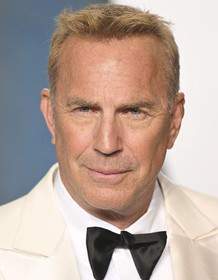
Bud Johnson (Kevin Costner)
Played by Kevin Costner
A heavy-drinking, disengaged father who initially treats elections as a joke. His wake-up call comes from Molly's faith in him, prompting a gradual switch from apathy to participation and accountability. By the end, he uses his platform to seek real understanding of issues and makes a conscious voting choice.
- 🎯 Cynicism
- 💖 Fatherly love
- 🗳️ Civic duty
-
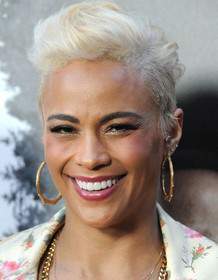
Kate Madison (Paula Patton)
Played by Paula Patton
A TV journalist whose interview with Bud becomes a flashpoint in the race. She is driven by professional ambition but becomes a catalyst for exposing Bud’s true opinions and the strategies behind the campaigns. Her reporting exposes manipulation and pushes for a more honest political conversation.
- 🎬 Media
- 🗣️ Journalism
- 🧭 Ethics
-
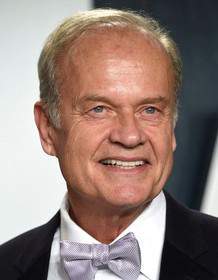
Andrew Carington Boone (Kelsey Grammer)
Played by Kelsey Grammer
The incumbent Republican president whose campaign adapts under pressure. Boone's image is shaped by consultants, public appearances, and a quest to win Bud’s vote, even as personal tensions threaten his marriage. His arc shows the tension between political idealism and pragmatic campaigning.
- 🏛️ Presidency
- 🔄 Campaign strategy
- 🗣️ Leadership
- MJ
Molly Johnson
Bud’s daughter, a politically engaged student who encourages her father to vote and learn. She experiences disappointment when Bud forgets important moments but ultimately witnesses his life-changing transformation. Her trust and desire for a better future propel Bud toward responsibility.
- 👧 Daughter
- 💡 Activism
- 🫶 Family
Where and When Is Swing Vote Set?
Swing Vote is set in Texico and New Mexico (Late 2000s). Here is why the time and place matter to the story.
When
Late 2000s
The events unfold in a contemporary political era, characterized by modern media, campaign tactics, and real-time public scrutiny. The story centers on a pivotal election whose outcome hinges on a single vote, reflecting the high-stakes nature of 21st-century U.S. politics. The pace is brisk, with campaigns orchestrating public appearances and media moments to sway voters.
Where
Texico, New Mexico
Texico is a small desert town in New Mexico that anchors the story in a national political moment. Its modest streets and trailer parks frame Bud's personal journey against the backdrop of a hotly contested presidential race. The locale highlights how a rural community can become a focal point in a close election.
- 🏜️ Desert town
- 🗳️ Political satire
- 🎭 Contemporary politics
What Are the Themes of Swing Vote?
3 ideas the story keeps returning to, among them Voting and Responsibility, Media Manipulation and Family and Redemption.
-
01
Voting and Responsibility
Bud's transformation from political cynicism to active civic participation drives the plot, underscoring that every vote can matter in a close race. The film links personal choices to national consequences, showing how public opinion shifts when ordinary people engage. It also questions who actually speaks for the voter and what voters owe to the process.
-
02
Media Manipulation
Campaigns tailor appearances and craft messages to win Bud's support, revealing how media framing can distort beliefs. An exclusive interview further sways public opinion by misinterpreting Bud's true views. The movie critiques the performative nature of modern elections and the ease with which images can shape outcomes.
-
03
Family and Redemption
Bud's bond with Molly and his efforts to become a responsible father ground his political awakening. The daughter’s trust and expectations push him to engage with real issues instead of relying on pop-culture noise. The arc culminates in a personal transformation that parallels the nation's journey toward a more principled choice.
What Kind of Film Is Swing Vote?
Hopeful in tone, with steady pacing and a straightforward story, going by the plot summary.
- Tone
- Hopeful
- Pacing
- Steady
- Story
- Straightforward
- Intensity
- Medium
- Ending
- Happy
A steady-paced, hopeful political satire that follows a flawed but well-meaning man's transformative journey from apathy to responsibility, balancing humorous political maneuvering with heartfelt family drama.
- hopeful
- satirical
- uplifting
- reflective
- strained
- heartfelt
- political satire
- father daughter relationship
- personal responsibility
- small town life
Content notes: alcohol abuse, parental neglect, brief drug reference.
Quiz
How well do you remember Swing Vote? Test yourself on the story.