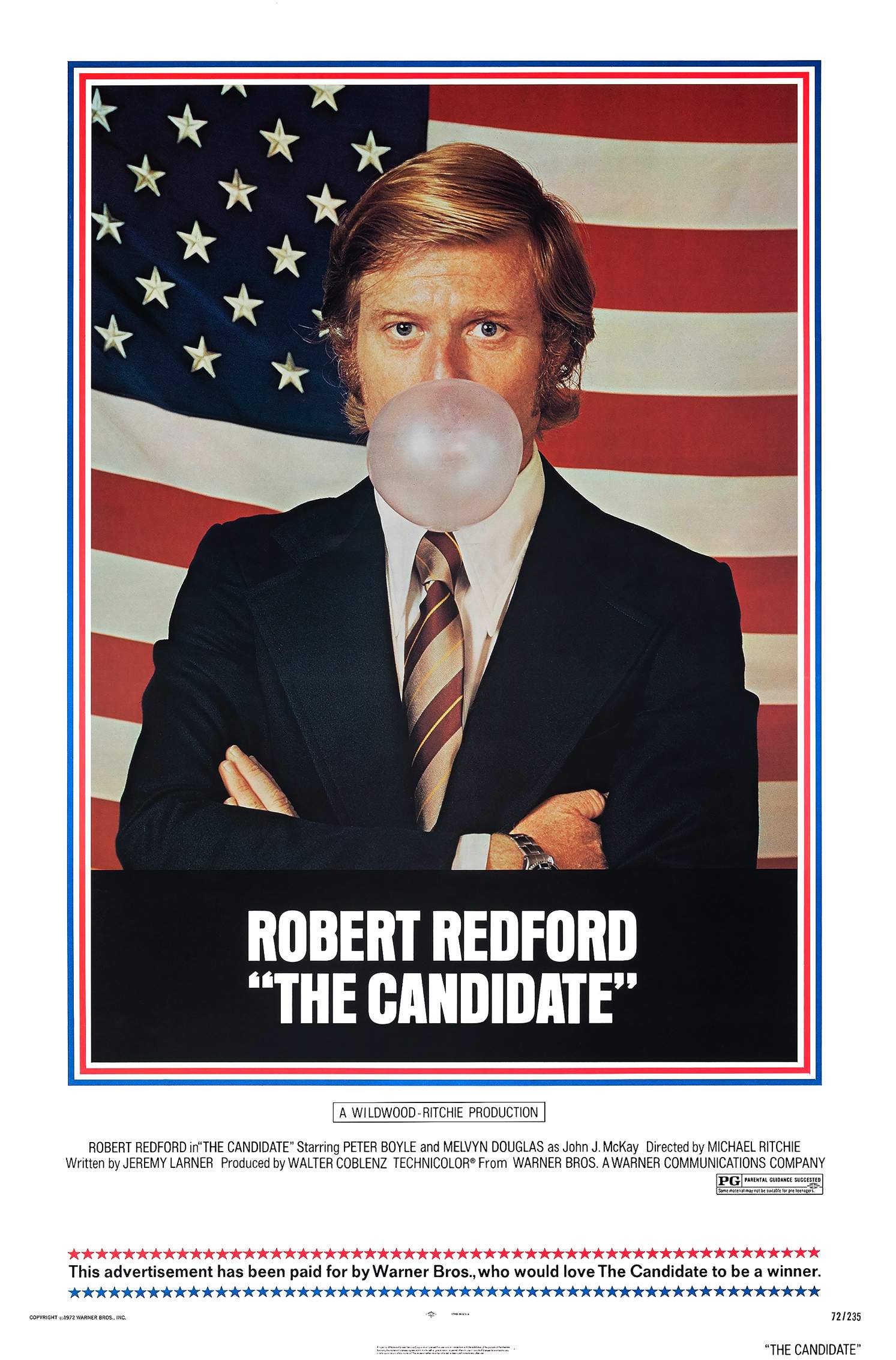
What Is The Candidate About?
The premise of The Candidate in 261 words, with nothing given away. The full story follows below.
In the cut‑throat arena of California politics, a veteran consultant is handed a seemingly impossible assignment: to find a fresh Democratic face that can take on a three‑term incumbent senator whose dominance appears unquestioned. The film opens on a world where campaign strategy feels as much like chess as it does storytelling, and every public appearance is a high‑stakes performance. The tone is a blend of sharp political intrigue and personal idealism, setting a stage where ambition clashes with the reality of power.
Marvin Lucas is a seasoned political operative whose reputation rests on navigating these treacherous waters. When the party’s bench offers no obvious challenger, he turns his keen eye toward a charismatic newcomer—Bill McKay, a handsome public‑interest lawyer with a legacy tied to a beloved former governor. McKay’s appeal lies in his sincerity and the promise of a message that can resonate beyond the usual partisan slogans, making him the perfect, if unlikely, vehicle for the party’s hope of change.
The dynamic between Lucas and McKay becomes the film’s central engine, a dance of pragmatism and principle. Lucas proposes an unconventional freedom for the campaign, granting McKay the chance to speak honestly about his convictions while still aiming to sway a broad electorate. Their relationship hints at generational tension, media scrutiny, and the weight of familial expectation, all underscored by the looming presence of the incumbent senator. As the campaign gains momentum, the story invites viewers to wonder how far one will go to bridge idealism with the demands of a relentless political machine, leaving the outcome tantalizingly unresolved.
What Happens in The Candidate?
The complete story of The Candidate, from the first scene to the last, in 515 words (about 2 minutes). Spoilers throughout. Names in the text link to 1 cast member page.
Spoilers ahead
Marvin Lucas, a seasoned political consultant, faces a challenging assignment: he must find a Democratic challenger to oppose three-term California Senator Crocker Jarmon in a race that looks decided from the start. With no big-name Democrat stepping forward, Lucas identifies Bill McKay, the idealistic, handsome, and charismatic son of the popular former California governor. Bill McKay, the public interest lawyer with a rising profile, becomes the candidate Lucas hopes can carry a meaningful message to voters.
Lucas lays out a provocative deal: because the outcome seems fixed, McKay can campaign with complete freedom, speaking frankly about the issues and his convictions. McKay agrees, eager to push for his values and to test how far his ideals can travel on the campaign trail. The nomination comes easily, driven more by McKay’s name and appeal than by a hard-fought ideological battle. But Lucas soon delivers sobering news: the latest polls show McKay is on track to lose badly. The party expected defeat, but not humiliation, so Lucas asks McKay to temper his message to reach a broader slice of voters.
As McKay hits the road, his once-clear platform begins to soften into something more generic in an effort to appeal to moderates and independents alike. The shift helps his poll numbers rise, yet it creates a new tension: the media read McKay’s father’s silence as an endorsement of Jarmon, a misperception that threatens to derail the campaign. McKay reluctantly confronts his father and explains the problem, and the elder statesman explains to reporters that he is simply respecting his son’s wish to stay out of the spotlight for the moment.
With McKay narrowly trailing—nine points behind—the incumbent senator proposes a televised debate. McKay agrees to answer in a way that fits Lucas’s strategy, but the exchange takes a turn when, after the debate, he blurts out that the discussion did not address core issues like poverty and race relations. The outburst alarms Lucas, who fears it will damage the campaign. Reporters press McKay backstage, but the scene is upstaged when his father strides in to publicly praise his son, reframing the narrative around the elder McKay’s presence on the trail. The positive portrayal accelerates McKay’s comeback, and the dynamic with his father becomes a catalyst that narrows the polling gap.
As election day approaches, Lucas and McKay’s father organize a meet‑and‑greet with a labor union representative to discuss a potential endorsement. The union leader hints at a powerful partnership if both sides commit to collaboration, and McKay, through careful phrasing, signals cautious disinterest. The tension dissolves in a moment of uneasy laughter, and the public endorsement that follows further mobilizes California workers behind McKay, tipping public opinion toward a virtual tie with Jarmon.
McKay ultimately wins the election. In the finale, he escapes the victory party and draws Lucas into a secluded room as reporters flood the corridor outside. McKay asks the critical question, “What do we do now?” while the crowd’s clamor swells, and the film closes without a definitive answer, leaving the future of the new administration open to interpretation.
What do we do now?
The Candidate Timeline: Every Key Event in Order
14 key events in the order they happen, from “Lucas recruits Bill McKay to run” to “Ending left open to interpretation”. 14 events name a place, across 8 locations.
- 1
Lucas recruits Bill McKay to run
Marvin Lucas, a political consultant, searches for a credible Democratic challenger to Senator Crocker Jarmon. With no big-name Democrats eager to enter the unwinnable race, he identifies Bill McKay—the idealistic son of former governor John J. McKay—as the best instrument for their aims. Lucas offers McKay a proposition: he can campaign freely, saying exactly what he believes.
When:early campaign Where:California
- 2
McKay accepts the challenge and enters the race
McKay agrees to the proposition and enters the race, energized by the chance to champion his values. He hits the campaign trail across California, drawing crowds with his charisma and idealism. The nomination comes largely on name alone, as few serious Democrats enter the contest.
When:early campaign Where:California campaign trail
- 3
Nomination secured by name and legacy
McKay cruises to the Democratic nomination on name recognition and his father's legacy, as few serious opponents challenge him. Lucas watches the numbers, hoping for a strong victory but bracing for a tougher battle than expected. The campaign begins to shift toward broader electoral appeal.
When:nomination season Where:California
- 4
Polls predict a crushing defeat; moderation proposed
Latest polling shows McKay likely to lose by a wide margin, forcing Lucas to push for a more moderate, broad-appeal message. The shift risks diluting McKay's authenticity, but the team hopes to attract a larger cross-section of voters. The stakes rise as election dynamics become more fluid.
When:late campaign Where:California
- 5
Media misreads father's silence as endorsement
With McKay's father staying out of the race, California media interpret his silence as an endorsement of Jarmon, complicating the narrative. McKay fights to control the message while dealing with the perception of his father's absence. The public image becomes a central obstacle in the campaign.
When:before debate Where:California media
- 6
Private meeting with father; explanation of silence
In a private meeting, the elder McKay explains that he is simply honoring his son's wishes to stay out of the race, not endorsing the opponent. The father’s stance creates a temporary pivot in how the campaign is framed publicly. McKay grapples with how to leverage his family's name without causing misinterpretation.
When:private meeting Where:McKay family residence/campaign office
- 7
Debate scheduled; McKay plans tailored answers
A debate with Jarmon is proposed, and McKay agrees to answer in ways guided by Lucas, aiming to moderate his message while retaining core beliefs. The team rehearses talking points that appeal to a broader electorate. The debate itself becomes a focal point of the late campaign strategy.
When:debate night approach Where:debate stage, California
- 8
McKay's candor after the debate
At the end of the debate, McKay blurts out that the discussion has not addressed real issues like poverty and race relations. Lucas fears the remark will hurt the campaign, while reporters scramble to interpret the moment. Backstage, his father publicly congratulates him, shifting attention away from the outburst.
When:debate night Where:debate venue/backstage
- 9
Father's reemergence fuels momentum
Rather than dousing the moment, the media spotlight on the former governor’s return helps frame the race around McKay's family legacy. The positive coverage and the elder McKay's public presence lend legitimacy to the campaign. Polls begin to close the gap as public perception shifts.
When:immediately after debate Where:California campaign trail
- 10
Labor union meet-and-greet and possible endorsement
Lucas and McKay's father arrange a meet-and-greet with a labor union representative to discuss potential endorsement. McKay initially resists alignment, and the room carries a tense, uneasy energy. The atmosphere softens with uncomfortable laughter as the group navigates the political realities.
When:late campaign Where:union hall
Show the other 4 events of The Candidate Hide the last 4 events
- 11
Union endorsement boosts McKay's campaign
The union endorsement air-drops into the public sphere, signaling workers' support for McKay. With the backing of organized labor, a broad section of Californian voters begins to tilt toward his candidacy. The endorsement helps him reclaim momentum and narrows the polling gap.
When:late campaign Where:California
- 12
McKay closes the gap and reaches a tie
With momentum from endorsements and a more populist tone, McKay pulls into a virtual tie with Jarmon. The race becomes a dead heat as election day approaches, turning a previously trivial contest into a competitive battleground. The outcome now hinges on late breaking events and turnout.
When:few days before election Where:California
- 13
McKay wins the election
Election night ends with McKay winning the seat, a dramatic turn from the early doomsday polling. He escapes the victory party and pulls Lucas into a private room, asking, 'What do we do now?' as throngs of journalists clamour outside, searching for guidance. The moment underscores the uneasy future the new senator now faces.
When:election night Where:victory party room
- 14
Ending left open to interpretation
In the final scene, McKay and Lucas confront an uncertain political horizon. The film leaves unresolved questions about idealism, pragmatism, and what power means in practice. The audience is left with the sense that winning the election is only the beginning of a much larger challenge.
When:post-election Where:California
Who Are the Main Characters in The Candidate?
4 characters, among them Bill McKay (Robert Redford), Marvin Lucas (Peter Boyle) and Crocker Jarmon (Kenneth Tobey): who each one is and the part they play in the story. Every profile links to the actor’s page.
-
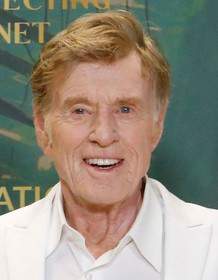
Bill McKay (Robert Redford)
Played by Robert Redford
Idealistic, charismatic Bill McKay is a public interest lawyer who steps into the race to advocate for real change. He initially clings to his values but gradually confronts campaign machinery that pushes him toward broad, issue-light messaging. A pivotal moment during the debate reveals his growing moral conflict and the personal cost of political compromise.
- 🎯 Idealism
- 🧭 Moral conflict
- 🗣️ Charisma
-
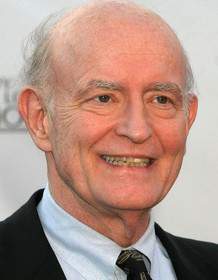
Marvin Lucas (Peter Boyle)
Played by Peter Boyle
A calculating political consultant, Lucas orchestrates the campaign with a pragmatic, often ruthlessly effective mindset. He tailors McKay’s message to appeal to a broad electorate, sometimes at the expense of principle. His manipulation of the race drives the plot and exposes the costs of political strategy.
- 🧠 Strategy
- 🗡️ Manipulation
- 🎭 Pragmatism
- CJ
Crocker Jarmon (Kenneth Tobey)
Played by Kenneth Tobey
Crocker Jarmon is a popular, entrenched incumbent senator whose formidable presence frames the stakes of the race. His strength as an opponent forces McKay and his team to rethink strategy. Jarmon’s political dominance heightens the tension between reformist aims and the realities of electoral power.
- 🏛️ Incumbency
- 🗳️ Rivalry
- 🗺️ Influence
-
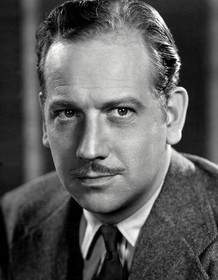
John J. McKay (Melvyn Douglas)
Played by Melvyn Douglas
Former California governor and proud father of Bill McKay, McKay’s father embodies a quiet, principled influence. His silence during the race is interpreted by the media as endorsement, complicating his son’s campaign. He offers steadiness and a reminder of legacy, while his actions help shape the political narrative around his son.
- 🧭 Legacy
- 🗣️ Influence
- 👥 Fatherhood
Where and When Is The Candidate Set?
The Candidate is set in California (Early 1970s). Here is why the time and place matter to the story.
When
Early 1970s
The events take place in the early 1970s, a period marked by political reform and shifting media dynamics. Campaigns relied heavily on televised moments, poll-driven messaging, and public perception. The era’s atmosphere amplifies the tension between idealism and practical campaigning.
Where
California
The story unfolds within the political terrain of California, highlighting a statewide Senate race. It showcases a mix of urban centers and rural communities, reflecting the state's diverse voter base. The setting emphasizes the influence of media, endorsements, and public opinion on electoral outcomes.
- 🗳️ Politics
- 🌴 California landscape
What Are the Themes of The Candidate?
3 ideas the story keeps returning to, among them Power, Manipulation and Conscience.
-
01
Power
Politics shows how power can be manufactured through messaging, endorsements, and media framing. Endorsements and party strategies steer public perception more than policy details. The film highlights the influence of money, polls, and televised moments on a candidate’s trajectory. It presents a cynical view of how electoral outcomes can hinge on image as much as ideology.
-
02
Manipulation
Campaign consultants shape a candidate’s message to fit a broader audience, often diluting core beliefs. The film follows how Lucas modifies McKay’s platform to chase votes rather than principle. It probes the ethical costs of tailoring a public persona to fit opinion polls. The tension between truth and tactics drives the drama.
-
03
Conscience
McKay experiences a moral awakening when out of step with the team during the debate. His quip about issues like poverty and race relations exposes the gap between campaigning and governance. The moment complicates the campaign's narrative and reveals the personal stakes of political power. The ending leaves the audience unsettled about who truly wins when ambition overrides integrity.
What Kind of Film Is The Candidate?
Tense in tone, with steady pacing and a straightforward story, going by the plot summary.
- Tone
- Tense
- Pacing
- Steady
- Story
- Straightforward
- Intensity
- Medium
- Ending
- Ambiguous
A tense and cynical political drama that follows an idealistic candidate's gradual disillusionment as he navigates the compromises of a high-stakes campaign, culminating in an ambiguous victory.
- thought-provoking
- cynical
- anxious
- satirical
- disillusioned
- realistic
- political campaign
- idealism vs pragmatism
- cynicism
- father son relationship
Quiz
How well do you remember The Candidate? Test yourself on the story.
Where to Watch The Candidate
Stream it on Tubi TV and YouTube, or rent or buy it from Amazon Video and Apple TV Store. US availability and prices from JustWatch.
 Tubi TV
  YouTube
  YouTube Free
  YouTube TV




Streaming availability in the US, powered by