
Running Mates 2000

Directed by

Ron Lagomarsino
Made by

Turner Network Television
Running Mates Plot Summary
Read the complete plot summary and ending explained for Running Mates (2000). From turning points to emotional moments, uncover what really happened and why it matters.
Governor James Reynolds Pryce Tom Selleck is a charismatic liberal politician who rises to the front of the race for the presidency, only to discover how deeply his life and career are shaped by the women who orbit his world. As Pryce navigates the pressures of a national bid, the film threads a careful, human-centered portrait of power where intimate relationships blur the lines between personal loyalty and political calculation.
Pryce owes the extraordinary momentum of his campaign to two pivotal figures: his strategist and trusted adviser Lauren Hartman Laura Linney and his wife Jennifer Pryce Nancy Travis. The dynamic between Pryce and these two anchors runs through every major decision, from messaging to etiquette to the strain of never quite having enough time for either of them. The duo represents, in different ways, the emotional core of a campaign that is at once polished and precarious, and their bond with Pryce adds a layer of complexity to the political arena he inhabits.
Meanwhile, Pryce is wrestling with who should stand beside him on the ticket. The four potential paths keep colliding in the most personal of arenas. Senator Parker Gable Robert Culp, a mentor who helped Pryce in his early years but remains a problematic figure due to his womanizing reputation, looms as a dangerous but familiar option. Meg Gable Faye Dunaway, Washington’s sharp socialite wife, presses Pryce from the outside, urging him toward a choice she believes would solidify political power and social clout alike. The seasoned lobbyist Senator Mitchell Morris Bruce McGill presents another avenue, one rooted in business connections and influence that Pryce publicly resents but privately considers. And Senator Terrence Randall Bob Gunton, a costly but alluring fundraiser favorite, represents the glitzy Hollywood end of the spectrum, a faction Pryce’s campaign team views with equal parts skepticism and ambition. Supporting them all is Shawna Morgan Teri Hatcher, Pryce’s punchy, savvy fundraising manager who often seems to be aiming for more than just a seat at the table.
Across these competing voices, the film stages a tense, almost claustrophobic power dynamic. Pryce’s inner circle isn’t a simple chorus of advisors; it’s a collection of influential women who each has her own agenda, and who are all somehow connected to Pryce through past intimacy and shared history. Before his marriage to Jennifer, Pryce had been involved with Lauren, Meg, and Shawna in ways that he carries with him as a constant reminder of how intricately personal history can intersect with public duty. This history fuels conversations that swing between candid candor and calculating strategy, turning every decision into a negotiation not just about policy, but about loyalty, judgment, and trust.
The story unfolds not as a portrait of a flawless political machine, but as a study of the people who believe they know what Pryce should be, and of the man who finds himself pulled in multiple directions at once. Each woman brings a distinct voice, a different set of fears and ambitions, and a unique lens on what Pryce’s presidency could mean for their own ambitions and lives. The result is a layered exploration of how power, affection, and ego collide on the road to the highest office, and how those collisions reveal what leadership looks like when the pressures of public life are inseparable from private history.
In the end, the film invites viewers to consider how the people closest to a candidate—those who propel him forward and those who would reshape him—are often the ones who can most destabilize or redefine a political future. It’s a meticulous, character-driven meditation on influence, accountability, and the cost of staying true to one’s ideals when every choice is colored by the intimate relationships surrounding a presidential bid.
Running Mates Timeline
Follow the complete movie timeline of Running Mates (2000) with every major event in chronological order. Great for understanding complex plots and story progression.
Front-runner status hinges on key allies
As Pryce ascends to the Democratic nomination front-runner, his campaign relies heavily on the guidance of Lauren Hartman and the support of his wife Jennifer. Their influence keeps his public image steady while personal choices simmer in the background. The dynamic hints at how much his success depends on his relationships as much as his policies.
VP shortlist takes shape
With the vice-presidential slot still open, Pryce begins weighing four candidates: Parker Gable, Mitchell Morris, Terrence Randall, and the influence of Meg’s perspective. He finds each option carries strategic risk, from Gable's mentorship and baggage to Morris's Big Business ties and Randall's fundraising dynamics. The decision becomes central to his campaign's trajectory.
Gable: mentor but risk
Parker Gable, Pryce's early political mentor, is considered for the VP slot but his womanizing reputation makes Pryce uneasy. Meg Gable, his wife and confidante, adds pressure by advocating for her husband. Pryce must weigh loyalty to a trusted ally against potential political baggage.
Meg's influence over the choice
Meg's perspective as Gable's wife and Washington social figure shapes Pryce's assessment of Gable as a running mate. Her pressure reveals how personal relationships bleed into political strategy. Pryce grapples with whether family ties should steer a national campaign.
Morris: Big Business ties complicate the choice
Senator Mitchell Morris is a potential VP pick due to his experience, but Pryce dislikes his deep ties to Big Business. The lobbyist's influence raises concerns about policy independence. Pryce's doubts intensify as he weighs corporate influence against his ideals.
Randall and Shawna clash over fundraising
Senator Terrence Randall is another option, but he faces opposition from Shawna Morgan, Pryce's Hollywood fundraising manager who dislikes him. The frictions highlight how campaign finance dynamics shape candidate selection. Pryce observes the fault lines created by these personal and professional disagreements.
Pryce's past romantic entanglements surface
The campaign's atmosphere becomes tense as it is revealed that Pryce had sexual relationships with Lauren, Meg, and Shawna before marrying Jennifer. Those past liaisons complicate trust and create delicate leverage points. Pryce must manage personal vulnerabilities while staying focused on the race.
Jennifer's role and loyalty tested
Jennifer Pryce stands by her husband but faces the strain of political maneuvering framed by others' interests. She mediates between Pryce and the women who shape his path while seeking to protect their marriage. The tension between public duties and private loyalties threatens the campaign's cohesion.
Lauren's loyalty under pressure
Lauren Hartman remains Pryce's campaign manager, balancing professional duties with the realities of past intimacy. Her decisions affect campaign strategy and relationships with the other women who hold Pryce's fate in their hands. The dynamic suggests loyalty isn't simple when history is involved.
The four women's agendas overshadow policy
The summary paints a picture of four women focused on their own battles rather than Pryce's best political outcome. Personal rivalries and strategic posturing threaten the clarity of his message. Pryce faces a campaign landscape where personal power struggles eclipse policy considerations.
Campaign atmosphere grows tense
Washington social scenes and high-stakes meetings amplify the pressure on Pryce as he wades through conflicting advice. He is pulled between loyalty to mentors, spouses, and colleagues and the need to present a coherent presidential vision. The drama underscores how politics and personal life intertwine.
Uncertain future as decision looms
With multiple stakeholders tugging in different directions, Pryce's choice of running mate remains unresolved. The campaign braces for continuing tension as personal conflicts threaten to derail the political calculus. The stage is set for further drama, regardless of any immediate outcome.
Running Mates Characters
Explore all characters from Running Mates (2000). Get detailed profiles with their roles, arcs, and key relationships explained.
James Reynolds Pryce (Tom Selleck)
A popular liberal governor from Michigan who has risen to front-runner status for the presidency. Charismatic and polished, he finds his life and career heavily guided by the women in his orbit, including his campaign team and wife. He is uneasy about accepting Parker Gable as a running mate due to Gable's womanizing and corporate ties, while navigating the influence of Meg and Shawna. His private relationships intersect with his public decisions, creating tension as the campaign unfolds.
Lauren Hartman (Laura Linney)
Pryce's trusted campaign manager and political fixer. She is a sharp strategist who shapes messaging, strategy, and the often delicate balance of power within the campaign. Her past romantic entanglement with Pryce adds personal tension to their professional partnership. Her influence is pivotal to Pryce's front-runner status, even as loyalties and ambitions are tested.
Jennifer 'Jenny' Pryce (Nancy Travis)
Pryce's wife, a stabilizing presence in his life. She supports her husband publicly while also confronting the political drama behind the scenes. Her relationship to Pryce provides emotional weight to the campaign and heightens the stakes when the other women's influence comes into play. She embodies loyalty and a grounded perspective within the political world.
Meg Gable (Faye Dunaway)
Parker Gable's wife and a powerful Washington socialite who presses Pryce to consider her husband as the VP. She wields social influence to advance preferred outcomes and uses pressure and networks to shape the campaign. Her past romantic involvement with Pryce (and others) adds personal tension that complicates political calculations. Her presence underscores the blend of public pedigree and private ambition in politics.
Sen. Parker Gable (Robert Culp)
A seasoned mentor to Pryce and a potential VP candidate with charisma and a track record. His womanizing and industry connections create a tension between experience and integrity in Pryce's decision-making. Gable's presence represents the old guard of politics opposing Pryce's reform image. He remains a constant pressure point in the VP equation.
Sen. Mitchell Morris (Bruce McGill)
A veteran senator with close ties to Big Business who becomes a foil to Pryce's campaign. Pryce dislikes Morris's corporate connections, which makes him a questionable VP option. Morris embodies the corporate influence that complicates the candidate's desire for reform. He represents the economic power behind the political stage.
Sen. Terrence Randall (Bob Gunton)
A potential VP candidate whose fundraising prowess and connections make him appealing to some stakeholders. Pryce is wary of Randall's political agenda and ties to fundraising networks. His role showcases the tension between fundraising power and political ethics in the campaign.
Shawna Morgan (Teri Hatcher)
Pryce's Hollywood fundraising manager with a flair for high-profile events. She is sharp, ambitious, and deeply involved in shaping the candidate's image and donor relationships. Her presence adds another layer of personal and professional maneuvering to Pryce's decision-making. She embodies the entertainment-politics nexus that drives modern campaigns.
Running Mates Settings
Learn where and when Running Mates (2000) takes place. Explore the film’s settings, era, and how they shape the narrative.
Time period
early 1990s
Set against a contemporary U.S. political backdrop, the story tracks a gubernatorial candidate navigating a national campaign. Televised debates, media spin, and backroom negotiations define the period, rather than grand public spectacles. The era highlights how public image and private relationships intertwine in modern politics. The timing underscores the immediacy of campaign decisions and their consequences.
Location
Michigan, Washington D.C.
The film follows a Michigan governor as he runs for the presidency, placing a spotlight on his home state and the national capital. Campaign events unfold in Lansing and in Washington, D.C., where advisors, donors, and rivals shape the race. The setting emphasizes a polished political world with media scrutiny surrounding every decision. The high-stakes environment mirrors the pressures of modern U.S. politics.
Running Mates Themes
Discover the main themes in Running Mates (2000). Analyze the deeper meanings, emotional layers, and social commentary behind the film.
🎭
Power
The film centers on how influence flows from a web of female power around the candidate, shaping decisions beyond policy. Pryce's public success hinges on the opinions and pressure from women in his orbit. Personal dynamics become political leverage, blurring lines between ally and rival. The drama reveals how image and authority coexist in intimate and public spheres.
💬
Manipulation
Campaign messaging is molded by those closest to Pryce, who push their own agendas through control of information. The running mate decision becomes a chess move, with each player advancing rumors or favors. The film shows how conversations and secrets drive the campaign's trajectory more than policy alone. Media and personal history become tools in this power game.
🤝
Loyalty
Trust, loyalty, and competing relationships test the campaign's unity. Pryce relies on Lauren while balancing his wife and former lovers, creating a web of obligations. The dynamics reveal how personal relationships can help or hinder political goals. The story uses these ties to explore what loyalty means in high-stakes politics.
🧭
Decision
Choosing a vice-presidential running mate is the central strategic dilemma, intertwining policy preferences, personal chemistry, and public perception. Pryce must navigate the wants of party insiders, donors, and his own conscience. The decision demonstrates how a single choice can redefine a campaign's direction. The film frames this moment as a test of leadership under pressure.

Coming soon on iOS and Android
The Plot Explained Mobile App
From blockbusters to hidden gems — dive into movie stories anytime, anywhere. Save your favorites, discover plots faster, and never miss a twist again.
Sign up to be the first to know when we launch. Your email stays private — always.
Explore the mobile appRunning Mates Spoiler-Free Summary
Discover the spoiler-free summary of Running Mates (2000). Get a concise overview without any spoilers.
In the polished yet pressure‑cooked world of a national presidential primary, the story follows a charismatic liberal governor who suddenly finds his name at the top of the ticket. The campaign trail is rendered with a sleek, media‑saturated sheen, but beneath the glossy ads and staged rallies a restless tension hums, hinting that every public move is shadowed by private reckonings.
At the heart of this swirl is James Reynolds Pryce, a politician whose charm has carried him from state hallways to the nation’s most demanding stage. As his ambition mounts, the film paints him as both a confident front‑man and a man increasingly aware that the very momentum propelling his bid is tangled with relationships he can no longer ignore. His inner resolve is tested not by scandalous headlines but by the quiet weight of intimacy that follows him into every strategic meeting.
Surrounding Pryce is a constellation of influential women whose histories with him shape the campaign’s rhythm. Lauren Hartman, his sharp‑topped strategist, blends personal insight with political calculus, while his wife Jennifer Pryce embodies the steady, often overlooked anchor that keeps his public persona grounded. Outside the marriage, figures such as the glamorous socialite Meg Gable and the incisive fundraiser Shawna Morgan bring their own ambitions and perspectives, turning every conversation into a negotiation of loyalty, desire, and calculation. The dynamic is less a hierarchy than a tightly wound network where past intimacy silently directs present decisions.
The tone remains a measured, character‑driven meditation on power and affection, balancing the sleek surface of a high‑stakes campaign with the intimate, sometimes uncomfortable, undercurrents of personal history. The film invites viewers to watch how ambition, ego, and the lingering echo of former romances can shape a political future long before any decisive vote is cast.
Movies with Similar Twists and Themes
Uncover films that echo the narrative beats, emotional arcs, or dramatic twists of the one you're exploring. These recommendations are handpicked based on story depth, thematic resonance, and spoiler-worthy moments — perfect for fans who crave more of the same intrigue.
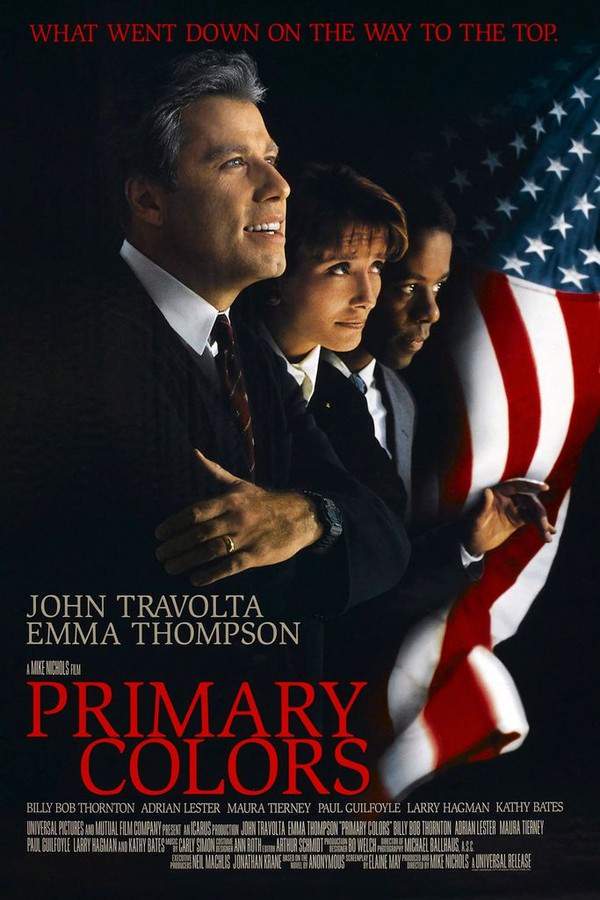
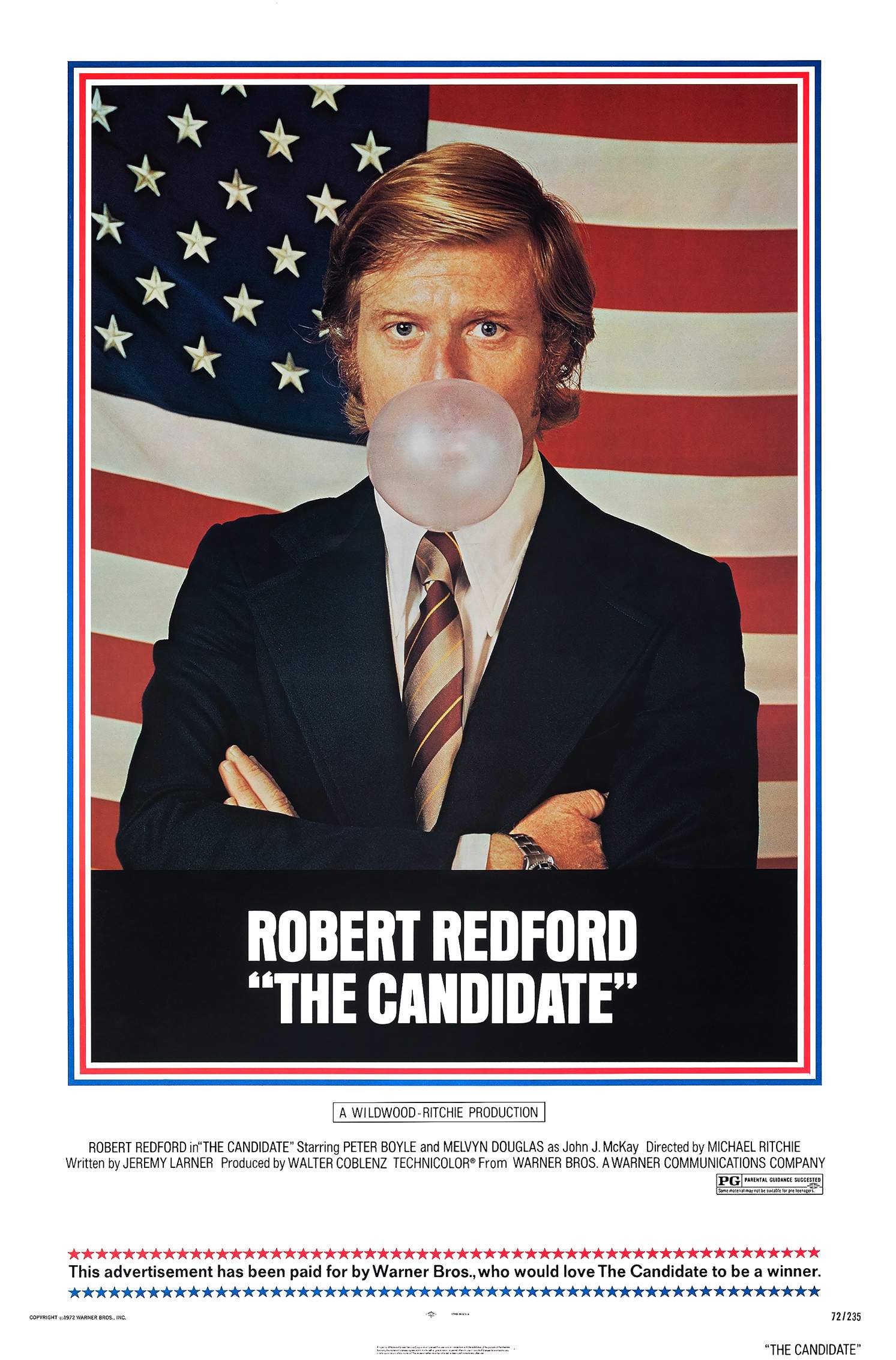

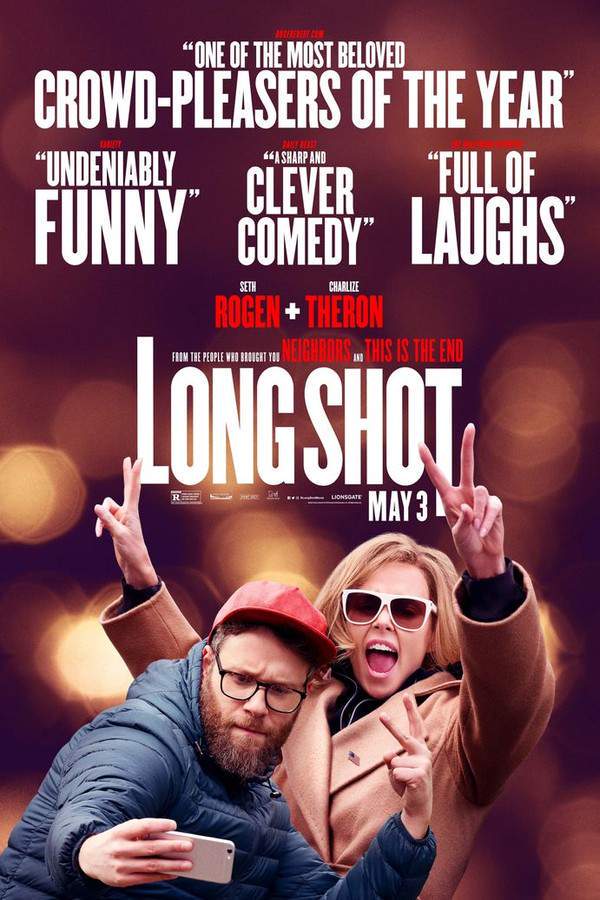
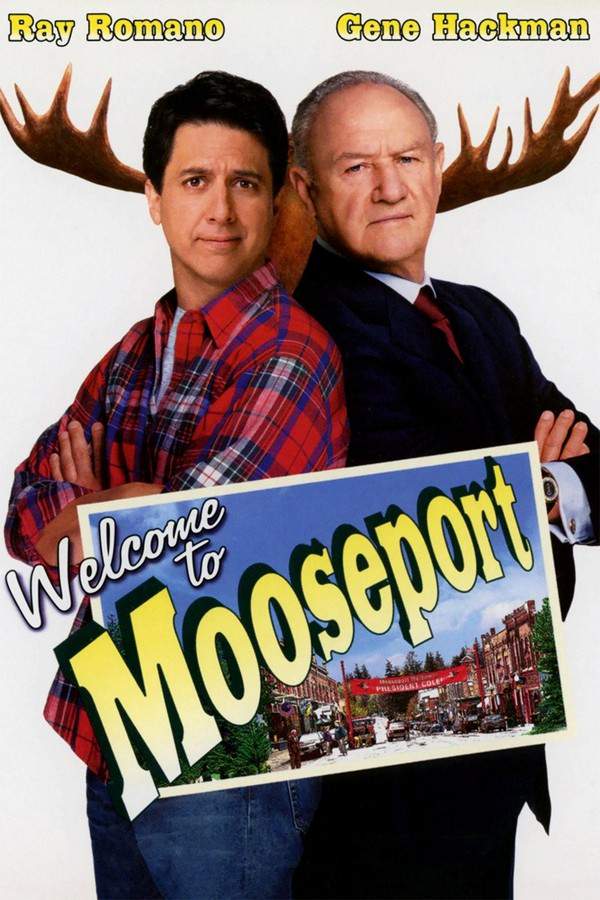

Featured on this page

What's After the Movie?
Not sure whether to stay after the credits? Find out!
Check out our other apps:

SAT Sphere
Build confidence for the Digital SAT.

Mori Atlas
Discover wild places worth protecting.

Luntero
Search smarter for a home in Amsterdam.

Plot Explained
Unravel movie endings and hidden clues.

Pokechamp
Dive into Pokémon data and battle logic.

Driving Theory
Get ready for your European theory test.

Movie Dust
Plan your next cinema trip with ease.

Musemap
Find art and culture as you travel.

Selkobase
Compare credentials before committing.

Local Manual
Turn an unfamiliar country into practical next steps.

Lernavi
Compare school systems before your next move.

GymRoam
Find a workout stop wherever your plans take you.
Explore Our Movie Platform
New Movie Releases (2026)
Famous Movie Actors
Top Film Production Studios
Movie Plot Summaries & Endings
Major Movie Awards & Winners
Best Concert Films & Music Documentaries
Movie Collections and Curated Lists
© 2026 What's After the Movie. All rights reserved.
Privacy Policy