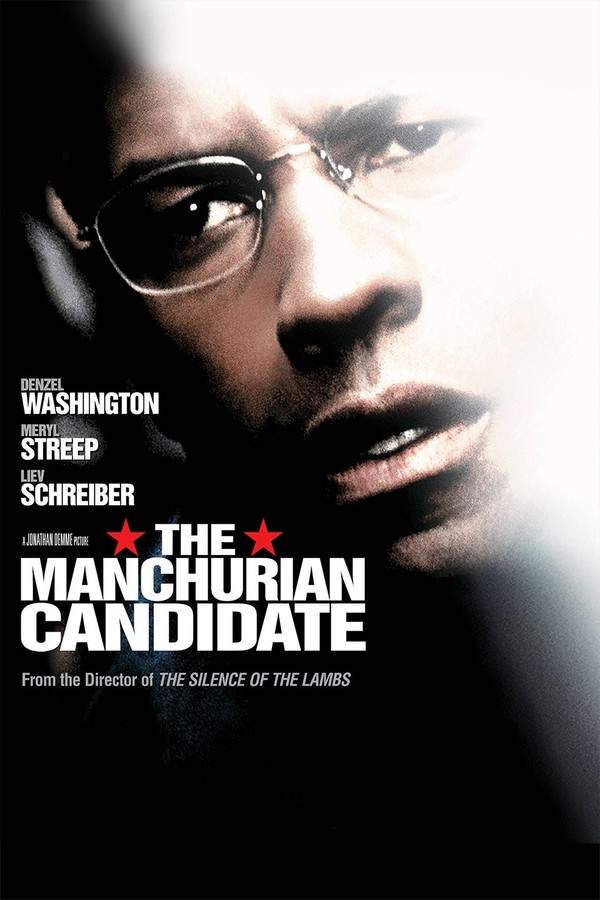
What Is The Best Man About?
The premise of The Best Man in 314 words, with nothing given away. The full story follows below.
In the midst of a frenzied party convention held in Los Angeles, the nation’s future hangs on a tightly contested ballot. Five hopefuls jockey for a coveted presidential nomination, and the first round of voting fails to produce a decisive winner. The atmosphere crackles with the buzz of delegates, media cameras, and whispered negotiations, turning the convention hall into a pressure‑cooker where ambition collides with uncertainty.
At the center of the competition stand two starkly different men. William Russell, a former Secretary of State, carries the weight of a distinguished public record and a reputation for principled intellect. Beneath that veneer lie personal scars—a troubled marriage and a lingering nervous breakdown—that threaten to undermine his poised exterior. Opposite him is Joe Cantwell, a hard‑nosed senator whose populist, anti‑communist rhetoric energizes a fervent base. Cantwell’s willingness to push the boundaries of conventional politics marks him as a formidable, if unsettling, contender.
Guiding the turbulent proceedings is the seasoned former President Art Hockstader, whose seasoned pragmatism makes his endorsement a linchpin for any hopeful. Though he leans toward one candidate, his cautious nature keeps the balance teetering. Meanwhile, three secondary hopefuls linger in the wings, each a potential bridge for a decisive coalition, and the coveted vice‑presidential slot looms as a strategic bargaining chip. The convention becomes a stage where personal convictions, hidden vulnerabilities, and strategic alliances flicker like shadows in the bright lights of the political arena.
The film adopts a cool, observational tone, treating the high‑stakes contest less as melodrama and more as a study of power’s subtle choreography. It invites viewers to watch the delicate dance of ambition, principle, and temptation, as each player measures how far they are prepared to go when the nation’s leadership is at stake. The result is a tense, character‑driven portrait of a moment when the country’s destiny hangs on the fragile calculus of a few influential figures.
What Happens in The Best Man?
The complete story of The Best Man, from the first scene to the last, in 437 words (about 2 minutes). Spoilers throughout.
Spoilers ahead
In May 1964, former Secretary of State William Russell [Henry Fonda] and Senator Joe Cantwell [Cliff Robertson] emerge as the two leading contenders for the presidential nomination of their unnamed party. Russell is portrayed as a principled intellectual, but his personal life casts a shadow: his past indiscretions and a strained marriage to Alice Russell [Margaret Leighton] complicate his image, and a prior nervous breakdown lingers over his public bearing. Cantwell presents himself as a ruthless, populist anti-communist who promises to close the missile gap and win the presidency by any means necessary. He thrives on aggression and bold tactics, and his willingness to go to great lengths to secure the nomination makes him a formidable rival. Neither man trusts the other, and both question the other’s fitness to lead the country.
At the nominating convention in Los Angeles, the aging but pragmatic former President Art Hockstader [Lee Tracy] holds the deciding influence. He would rather see Russell succeed, yet he is wary of Russell’s indecision and strict-principled stance; Cantwell’s hard-edged toughness and readiness to do whatever it takes begin to appeal to him. The pivotal turn comes when Cantwell privately attacks Russell using illegally obtained psychological reports, a tactic arranged by Don Cantwell [Gore Vidal], his brother and campaign manager. Hockstader withholds endorsement from both men, choosing not to commit to either side. He also distributes a tantalizing offer: the vice-presidential slot to the three minor candidates still in play—Senator Oscar Anderson [Richard Arlen], Governor John Merwin [William R. Ebersol], and Governor T. T. Claypoole [John Henry Faulk].
Behind the scenes, Sheldon Bascomb [Shelley Berman], a wartime acquaintance of Cantwell, becomes a pawn in a smear campaign. Cantwell’s rivals push Bascomb to testify about Cantwell’s past, and when Bascomb is confronted by Cantwell, the confrontation escalates into a back-and-forth that places Russell’s team under pressure to retaliate with smear tactics. Russell resists, and Cantwell recognizes that Russell does not have the stomach for such dirty tricks. As the balloting progresses, neither candidate secures a majority, though Cantwell maintains a slender lead.
The endgame arrives when Russell’s circle suggests leveraging the allegations, yet Russell refuses to cross that line. In a dramatic sequence, Cantwell offers Russell the second spot on his ticket, only for Russell to turn the offer down. Instead, he endorses Merwin by releasing his delegates and urging them to consolidate behind Merwin, who ultimately clinches the nomination.
the missile gap
This portrait of ambition, principle, temptation, and power unfolds with a clinical, observational tone, highlighting how personal flaws, strategic partnerships, and hardball politics collide at a moment when the country’s leadership is being decided.
The Best Man Timeline: Every Key Event in Order
12 key events in the order they happen, from “Russell and Cantwell emerge as frontrunners” to “Final stage: VP slots and the aftermath”. 11 events name a place, across 8 locations.
- 1
Russell and Cantwell emerge as frontrunners
In May 1964, former Secretary of State William Russell and Senator Joe Cantwell rise to the top of their party's presidential race. Both carry serious vulnerabilities: Russell's personal indiscretions and past nervous breakdown, Cantwell's ruthless, populist opportunism. The stage is set for a brutal contest at the convention.
When:May 1964
- 2
Convention opens in Los Angeles
At the nominating convention in Los Angeles, the campaigns jockey to win over undecided delegates while the aging former President Art Hockstader watches warily. He grapples with which candidate to back, warning of the risks in both approaches. In the end, he refuses to endorse either man, complicating both campaigns.
When:Nomination convention, May 1964 Where:Los Angeles
- 3
Cantwell uses illegal psychological reports against Russell
Cantwell attacks Russell using illegally obtained psychological reports, hoping to smear his opponent's character. He assumes Hockstader will endorse him, but the former president declares his neutrality and refuses to be a tool for either side. The exchange hardens the contest into a test of nerve and principle.
When:During private talks at the convention Where:Convention suite
- 4
Undecided delegates become battleground
Undecided delegates become the campaign's focal point as balloting begins. Russell appeals to delegates' principles and integrity, while Cantwell relies on blackmail and fear to gain influence. The fighting continues with no clear winner in sight.
When:First ballot phase Where:Convention floor, Los Angeles
- 5
Hockstader offers VP slots to minor candidates
Art Hockstader informs the campaign teams that he would consider multiple paths, including offering the vice-presidential spots to the three minor candidates: Oscar Anderson, John Merwin, and T. T. Claypoole. Russell's aides learn of the backroom maneuvering, highlighting the extent of backstage deals at the convention. The offers illustrate how the race blends ideology with pragmatic power plays.
When:During the convention Where:Convention floor, Los Angeles
- 6
Bascomb surfaces as a potential smear
One of Russell's aides discovers Sheldon Bascomb, who could link Cantwell to homosexual activity during his World War II service in Alaska. The allegation creates a looming threat that could derail Cantwell’s momentum. Cantwell's team counters, while Russell weighs how and when to use the information.
When:Conventional proceedings, early ballots Where:Campaign offices
- 7
First ballot ends in deadlock
After the first ballot, neither candidate has enough votes to win, though Cantwell holds a slim lead. The deadlock exposes the campaign's divide between a hard-edged strategy and a principled stance. The convention descends into a tense stalemate as rounds continue.
When:First ballot Where:Los Angeles Convention Center
- 8
Private meeting; confrontation over the smear
Russell arranges a private meeting with Cantwell to address the charges, while Bascomb confronts Cantwell face-to-face about the allegations. Cantwell counters that Russell will not pull the trigger and taunts him for avoiding a fight. Russell warns Cantwell that he could release the charge if Cantwell blunders, signaling a brutal back-and-forth.
When:Between ballots Where:Private meeting room, convention
- 9
Cantwell's momentum persists amid ongoing balloting
As more ballots are cast, Cantwell maintains a slender lead and the momentum seems to favor him. Russell's anti-corruption appeal still resonates with some delegates, but Cantwell's relentless tactics keep him ahead. The race tightens into a tense standoff on the floor.
When:Mid-balloting rounds Where:Convention floor, Los Angeles
- 10
Russell rejects Cantwell's VP offer; backs Merwin
Cantwell privately offers Russell the second spot on his ticket, but Russell shocks him by releasing his delegates and urging support for Merwin instead. The move repudiates Cantwell's backroom bargain and triggers a dramatic realignment. Merwin rises as a leading contender as delegates swing behind him.
When:Late-stage balloting Where:Convention floor
- 11
Merwin secures the nomination
With Russell's delegates backing Merwin, the former governor secures the party's nomination. Cantwell watches in frustration as his strategy to derail the process falters. Hockstader maintains neutrality, neither endorsing the nominee nor throwing his support behind Cantwell.
When:Nomination decision Where:Los Angeles
- 12
Final stage: VP slots and the aftermath
The party acknowledges the three minor candidates—Anderson, Merwin, and Claypoole—and cites the VP slot offers that shaped the race. The film closes by underscoring the cost of ambition and the fragility of principle in modern political campaigning. The outcome of the race remains uncertain, shaped by loyalties and backroom compromises.
When:Post-nomination Where:Convention site
Who Are the Main Characters in The Best Man?
8 characters, among them William Russell (Henry Fonda), Joe Cantwell (Cliff Robertson) and Art Hockstader (Lee Tracy): who each one is and the part they play in the story. Every profile links to the actor’s page.
-
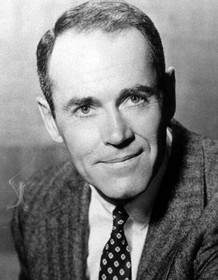
William Russell (Henry Fonda)
Played by Henry Fonda
A principled intellectual who aspires to the presidency but battles a past nervous breakdown and a strained marriage. He publicly emphasizes character and policy, yet private life flaws threaten voter confidence. He resists smear tactics, hoping to win on virtue rather than manipulation.
- 🎯 Principled
- 🧭 Cautious
- 🕊️ Honest
-
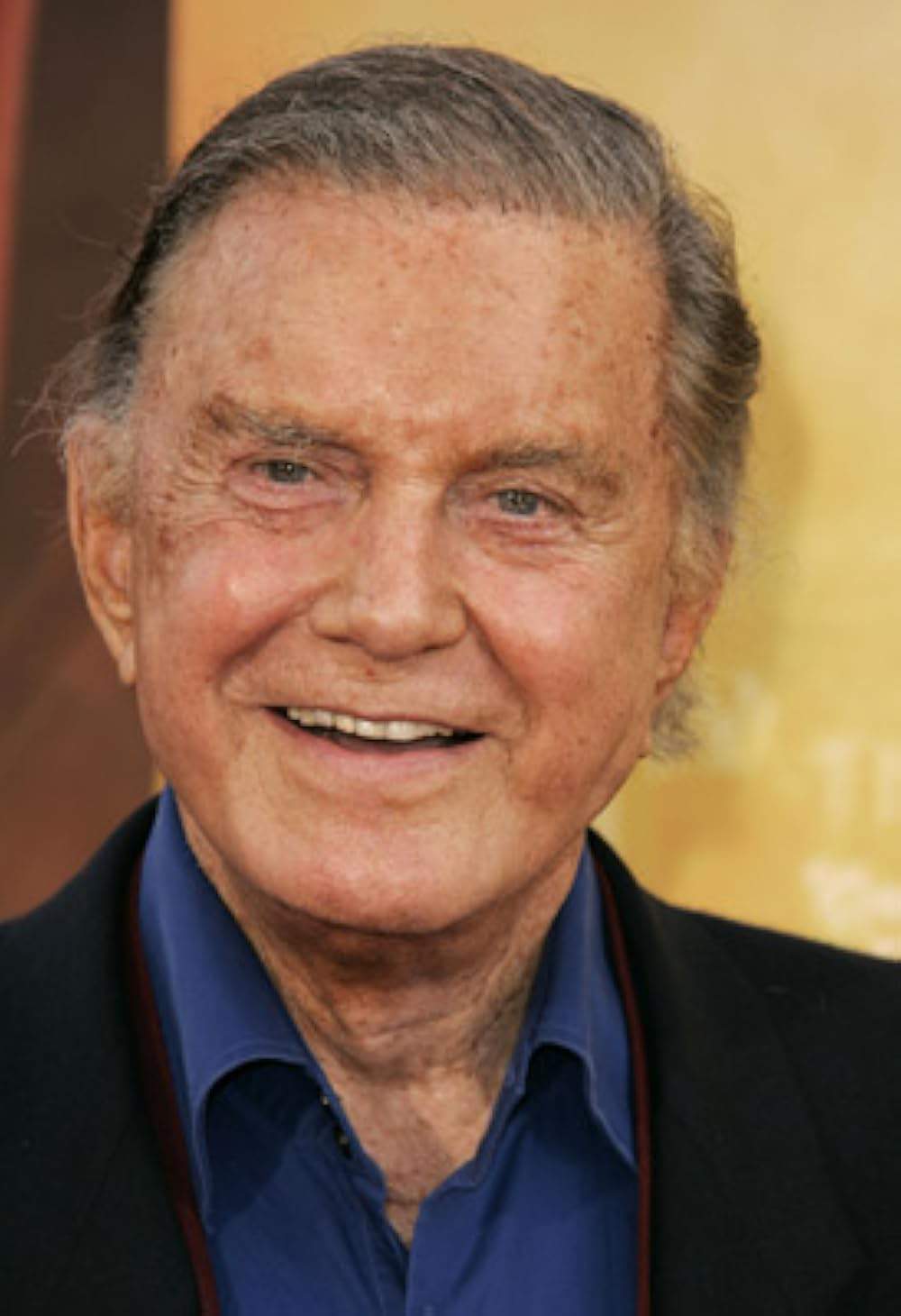
Joe Cantwell (Cliff Robertson)
Played by Cliff Robertson
A ruthless, self-styled man of the people and anti-communist firebrand. He is willing to deploy illegal psychological reports and smear tactics to secure the nomination. His ambition is naked, and he views rivals as obstacles to be crushed.
- 🔥 Ambitious
- 🗡️ Ruthless
- AH
Art Hockstader (Lee Tracy)
Played by Lee Tracy
A pragmatic former President whose endorsement can tilt the convention. He dislikes Cantwell's recklessness but respects his toughness, preferring Russell yet fearing his indecision. He ultimately declines to back either candidate, wielding influence without committing.
- 🏛️ Pragmatic
- 🗳️ Influential
- AR
Alice Russell (Margaret Leighton)
Played by Margaret Leighton
William Russell's wife, alienated by his neglect and past indiscretions. Her relationship with the candidate mirrors the personal costs of political life. She embodies the domestic fallout of a campaign focused on power and image.
- 💔 Spouse
- 🕊️ Loyalty
- DC
Don Cantwell (Gene Raymond)
Played by Gene Raymond
Cantwell's brother and campaign manager who orchestrates strategy and smear tactics. He is willing to obtain controversial material to damage Russell, highlighting the moral compromises at stake in modern campaigns.
- 🎯 Strategist
- 🗡️ Machiavellian
- SB
Sheldon Bascomb (Shelley Berman)
Played by Shelley Berman
A veteran linked to Cantwell who becomes a trigger in the smear campaign. He offers leverage by connecting Cantwell to past controversial activities, illustrating how personal history can be weaponized in politics.
- 🧭 Informant
- 🌀 Threat
- SO
Sen. Oscar Anderson (Richard Arlen)
Played by Richard Arlen
A potential vice-presidential option offered by Hockstader during the balloting. He represents the broader field of candidates whose support could swing the nomination, underscoring the centrists and power brokers behind the scenes.
- 🏛️ Senator
- 🧭 Swing vote
- GJ
Gov. John Merwin (William R. Ebersol)
Played by William R. Ebersol
Governor and one of the minor contenders who could join a ticket if endorsements align. His presence signals the broader field of candidates who influence the convention's outcome and the calculus of power for both major candidates.
- 🧭 Governor
- 🗳️ Contender
Where and When Is The Best Man Set?
The Best Man is set in Los Angeles and California (May 1964). Here is why the time and place matter to the story.
When
May 1964
Set in May 1964, the story follows the lead-up to a presidential nomination at the party's convention. The era is defined by Cold War anxieties and debates over missiles, while insiders fight for delegate influence and ideological purity. The timeline centers on the pivotal ballot rounds and the strategic moves that could decide the nomination.
Where
Los Angeles, California
The nominating convention unfolds in Los Angeles during the 1964 campaign season, casting the city as a backdrop for backroom dealmaking, media scrutiny, and public spectacle. The setting emphasizes the high-stakes drama of choosing a party's nominee. Its sunny, televised facade contrasts with the cutthroat tactics at play behind closed doors.
- 🎭 Political drama
- 🗳️ Election politics
- 🏛️ Power
What Are the Themes of The Best Man?
4 ideas the story keeps returning to, among them Power Play, Moral Dilemma and Media Machinations.
-
01
Power Play
The film centers on how ambition maneuvers through backroom deals, public statements, and calculated endorsements. Candidates weigh every vote and every whisper from party elders to secure the nomination. The pursuit of power reveals both strategic savvy and moral risk.
-
02
Moral Dilemma
Each candidate faces ethical choices under pressure: uphold personal integrity or surrender it to win. The game exposes how fear of loss can erode principles. The cast grapples with the cost of political success on personal responsibilities and reputations.
-
03
Media Machinations
Illegally obtained psychological reports and smear tactics illustrate how information can be weaponized. The media environment amplifies scandals and shapes delegate perception. Public image becomes as influential as policy in determining the outcome.
-
04
Private vs Public
The tension between private life and public duty threads through William Russell's relationship with his wife and Cantwell's personal world. The campaign exposes vulnerabilities that can undermine trust and campaign credibility. The line between personal indiscretions and political liabilities is central to the narrative.
What Kind of Film Is The Best Man?
Tense in tone, with steady pacing and a moderate story, going by the plot summary.
- Tone
- Tense
- Pacing
- Steady
- Story
- Moderate
- Intensity
- Medium
- Ending
- Bittersweet
A tense and cynical political drama that steadily builds anxiety as ambitious candidates engage in strategic backstabbing and moral compromises during a high-stakes convention.
- tense
- anxious
- strategic
- cynical
- observational
- morally conflicted
- political ambition
- moral compromise
- blackmail
- power struggle
Content notes: psychological blackmail.
Quiz
How well do you remember The Best Man? Test yourself on the story.
Where to Watch The Best Man
Stream it on Hoopla and ScreenPix. US availability and prices from JustWatch.
 Hoopla
  ScreenPix Amazon Channel
  ScreenPix Apple TV channel
  Tubi TV
  YouTube Free
 Streaming availability in the US, powered by