What Is The Great Man Votes About?
The premise of The Great Man Votes in 277 words, with nothing given away. The full story follows below.
In the waning days of the Roaring Twenties, a modest city hums with the quiet tension of a community caught between old‑world respectability and the restless stir of modern politics. The streets echo with clattering streetcars and the murmur of council chambers, while a pervasive sense of possibility hangs over every precinct as election day looms. Within this setting, the film paints a portrait of a world where a single vote can feel as weighty as a declaration of independence, and where the personal fortunes of ordinary citizens become the hidden gears of larger machinations.
At the heart of the story is Gregory Vance, a widower who once lectured in the hallowed halls of Harvard and now ekes out a life as a night‑watchman, nursing a fragile sobriety and a fierce devotion to his children. His home, though modest, is steeped in the language of Latin verses and Shakespearean soliloquies—a sanctuary where intellect and affection battle the shadows of his fallen reputation. His daughter Joan and son Donald absorb this blend of cultured nurture and gritty reality, striving to protect their father’s pride while urging him toward a steadier path.
The fragile equilibrium of their lives is unsettled when city officials discover that Gregory is the sole registered voter in a pivotal precinct, drawing both political parties into a subtle contest of favors and pressure. Simultaneously, estranged relatives loom on the periphery, quietly scheming to claim custody of the children. The film’s tone balances melancholy with quiet resolve, inviting the audience to wonder how a man once celebrated for his mind will navigate the intertwining currents of civic duty, familial love, and the ever‑present lure of compromise.
What Happens in The Great Man Votes?
The complete story of The Great Man Votes, from the first scene to the last, in 492 words (about 2 minutes). Spoilers throughout.
Spoilers ahead
Gregory Vance [John Barrymore] is a former Harvard professor who has fallen on hard times and now drifts as an outcast alcoholic in a small city. He still clings to his duties as a father, guiding his children with a love of learning, teaching them Latin and Shakespeare, and shaping their days around literature and conversation. Joan [Virginia Weidler] and Donald [Peter Holden] grow up in a home where intellect and affection compete with the stain of his reputation, and they do their best to shield him from judgment while also pushing him toward a better path.
Their tutor, the perceptive Miss Billow [Katharine Alexander], visits the family with a mix of warmth and professional resolve. Through these shared moments, she sees the talent and dignity that once defined Vance, and he gradually opens up about the blow that shattered his status—the death of his wife, the children’s mother. This candid exchange rekindles a fragile thread of respect between the once-celebrated educator and the woman who teaches their community’s youth, offering a glimmer of hope in a life otherwise haunted by shame.
In the background looms the city’s political landscape, where the iron-willed Iron Hat McCarthy [Donald MacBride] wields power as the local boss, and the current mayor sits poised on the edge of victory. A fierce altercation erupts after bullies, led by the boss’s son, challenge the family, drawing attention to Vance and the fragile line between respectability and public scandal. The Mayor thrives on a locked-in political system, and every vote seems predetermined—except for a crucial ward where Vance’s presence could tilt the scale.
Meanwhile, the threat of losing custody of the children because of their wealthy in-laws adds urgency to every choice Vance makes. The family’s immediate concern intertwines with the broader question of political corruption and influence, as Miss Billow’s faith in him deepens and the children’s affection for their father motivates him to reclaim his dignity.
The turning point comes when Iron Hat stages a tempting offer—an ostensibly modest city job meant to win Vance’s support. Yet the children push back against easy compromises, and the real stakes rise when Vance is drawn into a plan that hinges on a formal, written job offer. By insisting on written terms, he gains leverage to reveal the corrupt practices at the heart of the mayor’s administration and Iron Hat’s control of the city’s machinery. The proof of graft surfaces, and with it, the public eye shifts toward a new, cleaner future.
Ultimately, Vance’s decision to demand accountability leads to a powerful reassessment of his life. Reinvigorated by the possibility of civic integrity and a renewed relationship with Miss Billow, he begins to shed the stigma that has haunted him. The film closes on a note of cautious optimism: a man once written off as a fallen scholar now steps toward a legitimate, hopeful chapter, guided by a community that believes in his capacity to reform and contribute once more.
The Great Man Votes Timeline: Every Key Event in Order
12 key events in the order they happen, from “Vance's precarious life in a small city” to “New life and moral turning point”. 12 events name a place, across 10 locations.
- 1
Vance's precarious life in a small city
We are introduced to Gregory Vance, a former Harvard professor who has become an outcast alcoholic. Despite his flaw, he cares for his children Joan and Donald, and tries to educate them with Latin and Shakespeare. He hints that his fall from respectability began with the death of their mother.
When:Present Where:Home; small city
- 2
Milkman ride and drinking companion
Vance hitches a ride with the local milkman who also delivers alcohol to him after his night shift as a watchman. The arrangement highlights his precarious dependence and the social circles he navigates. This routine sets the tone for his marginal existence in town.
When:Night Where:City streets / milkman route
- 3
Vance stays a loving father and teacher
Despite his alcoholism, Vance remains devoted to his children, teaching them classics, Latin, and Shakespeare. The children in turn look after him and guard his reputation in the town. Their home life anchors the story’s moral center.
When:Evenings Where:Home
- 4
Bullies clash with Vance's children
An altercation between Vance's children and bullies led by Iron Hat McCarthy's son erupts in the streets. The incident exposes the town's power dynamics and foreshadows political maneuvering to come. The children's resilience earns Vance a street-level stake in city affairs.
When:Afternoon Where:Schoolyard / street
- 5
Agnes Billow arrives and forms a bond
The children's teacher, Agnes Billow, visits and the two adults grow friendly, especially as she recognizes Vance’s value as a writer she once admired. Their connection hints at a potential partnership in Vance’s redemption arc. She begins to see the man behind the outcast.
When:Daytime Where:Vance's home
- 6
Mother’s death as turning point
Vance reveals that his fall from respectability began with the death of the children's mother. The loss solidifies his isolation and motivates his attempts to regain dignity. This backstory deepens the emotional stakes for his children and for Agnes.
When:Past/retrospective Where:Home
- 7
Election stakes and the decisive ward
With the mayoral election approaching, Iron Hat learns that every vote is locked in place except for one crucial ward in which Vance’s stance could tip the balance. The city’s political machine depends on a single swing vote. This turn makes Vance a potential kingmaker.
When:Election week Where:Campaign HQ / City hall
- 8
In-laws threaten custody
Vance’s wealthy in-laws threaten to take custody of Joan and Donald, raising the personal stakes of the political game. The threat adds urgency to his need to straighten out his life and secure his children’s future. The family’s material comfort clashes with moral considerations.
When:Pre-election Where:Vance family home
- 9
Iron Hat offers a city post
To win his vote, Iron Hat offers Vance a low-level job in the city government. The offer is framed as a chance to be part of the system, but it also seems like a bribe to align with the machine. Vance weighs the price of political complicity against personal redemption.
When:Campaign period Where:Iron Hat’s office / City hall
- 10
Children leverage the deal for writing in writing
Joan and Donald push the deal further by insisting that any job offer be put in writing. Their demand shifts the bargaining power and gives Vance leverage to demand clear terms. The moment signals a turn toward accountability in the political bargain.
When:Evening Where:Home
- 11
Vance exposes the corruption
Vance seizes the chance to expose the corruption of the mayor and Iron Hat. He refuses to participate in dirty politics and uses the moment to publicly challenge the machine. The revelation reshapes public opinion and his own reputation.
When:Campaign climax Where:City offices / press
- 12
New life and moral turning point
With the machine’s power unseated, Vance becomes socially respectable again and begins a new life. The narrative implies a path of personal reform, possibly shared with Miss Billow as a partner in this fresh chapter. The town sees him as a redeemed figure.
When:After election Where:City / Home
Who Are the Main Characters in The Great Man Votes?
7 characters, among them Gregory Vance (John Barrymore), Iron Hat McCarthy (Donald MacBride) and Miss Billow (Katharine Alexander): who each one is and the part they play in the story. Every profile links to the actor’s page.
- GV
Gregory Vance (John Barrymore)
Played by John Barrymore
A former Harvard professor turned outcast alcoholic who still raises his children with care and wit. He clings to classical education and moral ideals, even as his personal struggles threaten his reputation. His transformation becomes the linchpin of the story, showing how personal integrity can challenge a corrupt system.
- 🥀 Tragic past
- 📚 Intellectual
- 👨👧 Family-centered
- 🎭 Redemption
- IH
Iron Hat McCarthy (Donald MacBride)
Played by Donald MacBride
The city’s hard-edged political boss, manipulative and persistent in maintaining control over elections and favors. He represents the corrupt machinery that Vance must confront to protect his children and restore his own dignity. His pressure tactics set the plot in motion toward reform.
- 💰 Power
- 🏛️ Politics
- 🗡️ Ruthlessness
- 👥 Machine influence
- MB
Miss Billow (Katharine Alexander)
Played by Katharine Alexander
The children's teacher who becomes a confidante for Vance and a catalyst for his awakening. She recognizes Vance’s intellectual gifts and moral potential, offering support that hints at a deeper personal connection. Her presence helps steer him toward a cleaner, more hopeful path.
- 🎓 Educator
- 💖 Moral influence
- 🧭 Guidance
- J(
Joan (Virginia Weidler)
Played by Virginia Weidler
Vance’s daughter, a bright, loyal child who helps look after her father and keeps the family anchored in love and dignity. She embodies the personal stakes of political corruption and the desire for a stable, respectable home.
- 👧 Daughter
- 🎭 Shakespearean
- 🕊️ Loyal
- D(
Donald (Peter Holden)
Played by Peter Holden
Vance’s son, part of the family’s hope and resilience. He shares a close bond with his father and reflects the impact of the moral choices at the heart of the story. His involvement underlines the theme of protecting family through reform.
- 🧒 Son
- 🧠 Curious
- 🤝 Loyal
-
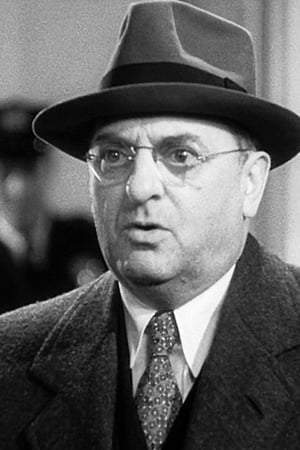
The Mayor (Granville Bates)
Played by Granville Bates
The incumbent political figure whose fate intertwines with the machine’s power and the city’s political future. His governance is challenged as Vance’s potential to shift the balance of power emerges, highlighting the stakes of public office.
- 🏛️ Mayor
- 🧭 Political influence
- 🗝️ Gatekeeper
- DM
Davy McCarthy (Benny Bartlett)
Played by Benny Bartlett
The young son of Iron Hat McCarthy, a figure who witnesses the political battles and family dynamics at play. His presence underscores the personal costs of corruption and the hope offered by reform.
- 🧒 Child
- 👨👧 Family ties
- 🧐 Observant
Where and When Is The Great Man Votes Set?
The Great Man Votes is set in Small American city (1930s). Here is why the time and place matter to the story.
When
1930s
The action unfolds during the 1930s, a period of economic hardship and entrenched machine politics. Election campaigns and backroom deals reflect the era's demand for reform and moral awakening. Personal destinies are tested against the pressures of public office and civic responsibility.
Where
Small American city
Set in a modest American city where tight-knit neighborhoods meet a powerful political machine. The location highlights the tension between public reputation and private loyalty as votes and careers hinge on backroom deals. This urban backdrop frames a story of families navigating risk, duty, and reform within a corrupt system.
- 🏙️ City setting
- 🗳️ Political influence
- 👨👩👧 Family dynamics
What Are the Themes of The Great Man Votes?
3 ideas the story keeps returning to, among them Redemption, Politics and Family.
-
01
Redemption
Gregory Vance's fall from respectability is halted by a conscious choice to pursue integrity. His demand for a written job offer signals a turning point from manipulation to accountability. The arc emphasizes personal reform linked to family welfare and public duty.
-
02
Politics
The plot centers on a city election where a political boss seeks to lock in votes through influence and pressure. Vance's emergence as a potential swing vote disrupts the machine's control and exposes corrupt practices. The narrative probes the struggle between entrenched power and civic virtue.
-
03
Family
Family loyalty drives pivotal decisions, from the threat of custody by in-laws to the children’s role in inspiring reform. The kids’ reverence for their father grounds the moral stakes of the story. The film frames reform as something that must protect and uplift loved ones.
What Kind of Film Is The Great Man Votes?
Hopeful in tone, with steady pacing and a moderate story, going by the plot summary.
- Tone
- Hopeful
- Pacing
- Steady
- Story
- Moderate
- Intensity
- Medium
- Ending
- Happy
A steady-paced, hopeful drama about a fallen scholar's redemption, blending melancholic reflection on loss with the warm, uplifting struggle to reclaim dignity and family against a backdrop of political pressure.
- hopeful
- redemptive
- reflective
- melancholic
- nostalgic
- warm
- redemption
- political corruption
- single father
- alcoholism
Content notes: alcoholism, child endangerment.
Quiz
How well do you remember The Great Man Votes? Test yourself on the story.