What Is The Great Man About?
The premise of The Great Man in 317 words, with nothing given away. The full story follows below.
In the bustling world of mid‑century American radio, a larger‑than‑life on‑air personality has become a cultural touchstone, his voice echoing through living rooms and commuters’ headphones alike. When the beloved commentator Herb Fuller meets an untimely end, the network moves quickly to stage a public memorial that will both honor his legacy and reassure an audience that the show must go on. The atmosphere is one of polished reverence, yet beneath the gleaming microphones lies a subtle current of whispered doubt.
Joe Harris is a sharply witty reporter known for his cutting‑edge coverage of Broadway and the city’s nightlife. Tasked by the network’s president, Philip Carleton, to craft the eulogy that will define the fallen star’s final chapter, Harris finds himself thrust into a world of carefully choreographed tribute. His natural curiosity clashes with the expectations of corporate PR, embodied by the smooth‑talking Nick Cellentano, as he begins to sense that the man everyone adored may have been far more complicated than the public narrative suggests.
Assistance arrives in the form of longtime producer Sid Moore, whose loyalty to the deceased’s brand is matched only by his awareness of the power such a story can wield. Around them gather a cast of familiar voices: Harris’s efficient secretary Ginny, the tormented singer Carol Larson whose career was interwoven with the commentator’s program, the idealistic station owner Paul Beaseley who first hired the legend, and the charismatic bandleader Eddie Brand whose music has always underscored the show’s polished façade. Each contributes a piece of the puzzle, hinting at the hidden layers beneath the glitter.
The film balances the glossy sheen of broadcast spectacle with an undercurrent of moral questioning, inviting the audience to consider how public memory is constructed. As Harris delves deeper, the tension between honoring a myth and confronting uncomfortable truths becomes the story’s quiet engine, promising a meditation on integrity, ambition, and the cost of fame.
What Happens in The Great Man?
The complete story of The Great Man, from the first scene to the last, in 720 words (about 3 minutes). Spoilers throughout. Names in the text link to 2 cast member pages.
Spoilers ahead
Joe Harris, José Ferrer, is a popular local radio news reporter who covers Broadway with a sharp, wry edge. The network’s brightest star, Herb Fuller, has built a larger-than-life persona, but behind the shine lies a complex mix of ego, routine, and secrets. When Fuller dies in an auto accident, Philip Carleton, the president of the Amalgamated Broadcasting Network, tasks Harris with producing a monumental memorial: a public viewing of Fuller’s coffin followed by a commemorative show that gathers the Fuller circle—the on-air family and the colleagues who knew him best. Carleton hints at a potential reward for success: Harris could become Fuller’s replacement.
Assisted by the network’s public relations man, Nick Cellentano, Harris notices odd, almost bored remarks at the public viewing from people who seem to attend more out of habit than reverence. The tangle of attitudes around Fuller’s death intrigues him, and he’s drawn deeper into the mystery as he meets Sid Moore, Fuller’s longtime producer. Moore offers his help while recognizing that Harris is now the favorite to inherit Fuller’s seat, and he remains keenly aware of how to shape the narrative to protect his own influence. Harris is not alone in this pursuit; with the support of his secretary Ginny, Joanne Gilbert, he begins to dig beneath the surface.
What Harris uncovers is a portrait of a man who wore a brilliant public mask while indulging in alcohol-driven excesses and a history of ethical compromises. Fuller’s darker side emerges: a pattern of exploitation and bold, reckless behavior that fueled his rise. Through interviews and careful scrutiny, Harris learns about Fuller’s relationship with Carol Larson, the alcoholic singer on his program, whose ties to the show reveal conflicts of interest that ripple through the broadcasts. The investigation widens further as Harris discovers Fuller’s connections with various song publishers whose works were regularly featured on Fuller’s program, suggesting a web of influence behind the studio’s glamorous veneer.
The story of Fuller’s ascent is echoed by Paul Beaseley, owner of a small Christian radio station in New England, who initially hired Fuller after being impressed by his inspirational poetry. Beaseley’s perspective adds a layer of moral complexity, especially as Harris learns more about Fuller’s personal contradictions and the way his star status conflicted with the very principles Beaseley valued. The investigation also brings into focus Fuller’s on-stage collaborator Eddie Brand, the bandleader played by Russ Morgan, who dutifully records a deliberately crafted, seemingly sincere sound bite about Fuller—an emblem of the manufactured warmth that defined Fuller’s image.
As Harris compiles the material into a script, Carleton privately warns him about Sid Moore’s duplicitous nature too. Carleton warns that Moore intends to spin Harris’s chances of becoming Fuller’s successor in a way that could force a hostile contract situation. The network’s strategy is clear: either Harris signs a release that keeps him in line, or the network will pivot away from him. The stakes are high, and Harris must decide how to balance loyalty to the truth with the pressure to protect his own career.
With the memorial broadcast looming, Harris faces a moral dilemma: should he echo the public’s fond memory of Fuller—the warm, entertaining figure people loved—or strip away the polished surface to reveal the phony beneath the image? He ultimately chooses honesty, discarding his prepared script to tell a more complete, unvarnished story about Fuller. As Carleton and Moore listen in, Moore realizes the value of Harris’s candor, tearing up the contract in a gesture that signals a shift in power. Yet Carleton refuses to stop the broadcast, recognizing that the public may come to see Harris as a man of principle and integrity, just as Harris’s honesty could be marketed with the same deftness once reserved for Fuller’s carefully crafted persona.
In the end, the program becomes less a tribute to a beloved radio personality and more a revealing examination of reality behind the glitter. Harris’s decision to foreground truth over gloss redefines his own career trajectory, while Carleton exposure to Harris’s courage demonstrates that the network can rebrand authenticity just as effectively as it built a legend around Fuller. The story closes on the idea that public memory is malleable, but it also recognizes the enduring value of conscience—how telling the truth, even when it unsettles an audience, can affirm a journalist’s true vocation.
The Great Man Timeline: Every Key Event in Order
14 key events in the order they happen, from “Fuller's death and Harris's assignment” to “Path to replacement”. 14 events name a place, across 14 locations.
- 1
Fuller's death and Harris's assignment
Herb Fuller dies in a car accident, triggering a major memorial project. Philip Carleton, president of Amalgamated Broadcasting Network, tasks Joe Harris with creating a sweeping memorial show, including a public viewing of Fuller's coffin. Carleton hints that Harris could become Fuller's replacement if the memorial is a success.
When:Day of Fuller's death Where:Amalgamated Broadcasting Network offices
- 2
Planning the memorial extravaganza
Harris begins assembling a plan for the memorial extravaganza, featuring the public viewing, interviews with Fuller's cast, and other friends who knew him. He coordinates with the network publicist and staff to shape the event as a televised tribute. The pressure mounts as the project becomes a test of Harris's nerve and judgment.
When:In the days after Fuller’s death Where:Network studios
- 3
Sid Moore offers help
Harris meets Sid Moore, Fuller’s longtime producer, who promises assistance and signals that he expects Harris to succeed. Moore’s confidence hints at a subtle power play behind the scenes. Harris senses Moore’s ambition may be as much about control as about honoring Fuller.
When:Early planning stage Where:Moore's office
- 4
Beaseley's cautionary tale
Paul Beaseley, owner of a small Christian radio station in New England, recalls hiring Fuller for his early inspirational poetry. He later discovers Fuller’s darker side, complicating the image of the bedside confidant Fuller presented to the public.
When:During prep Where:Beaseley's station in New England
- 5
The investigation widens
Harris, aided by his secretary Ginny, digs into Fuller’s past and uncovers a pattern of alcohol abuse and egotistical, unscrupulous behavior. He begins to map Fuller’s relationships with people who enabled or were harmed by his behavior. The scope of the investigation widens beyond the memorial project.
When:Investigation phase Where:Harris's office
- 6
Relationships and publishers
Harris discovers Fuller had a relationship with singer Carol Larson and conflicts of interest with song publishers that benefited him personally. The findings threaten the public-friendly aura of Fuller’s career. Harris weighs how much to reveal on air.
When:Investigation phase Where:Backstage and show offices
- 7
Eddie Brand's staged sincerity
Bandleader Eddie Brand records an artificially sincere sound bite praising Fuller, illustrating how the show's machinery can sanitize even difficult truths. The recording underscores the tension between image and reality in Fuller’s world.
When:Mid-investigation Where:Recording studio
- 8
Contract with Moore
Moore signs Harris to a contract, pulling him deeper into Fuller’s legacy and the show’s politics. Through this deal, Harris learns more about Fuller’s escapades and the power Moore wields over the narrative.
When:Midpoint Where:Moore's office / network offices
- 9
Carleton warns Harris
Philip Carleton privately warns Harris that Moore is duplicitous and that the network will spin Harris in a negative light if he won’t cooperate. He suggests a strategy for maintaining leverage, or risk being replaced. The warning heightens the stakes for the live broadcast.
When:Pre-broadcast Where:Carleton's office
- 10
The choice faced
Harris confronts the essential choice between praising the warm public image of Fuller and exposing the phony behind it. He weighs the cost of truth against the network’s expectations. The moment sets up the decision that will define his career.
When:Before live broadcast Where:Studio / planning room
Show the other 4 events of The Great Man Hide the last 4 events
- 11
Harris broadcasts the truth
During the memorial broadcast, Harris discards his prepared script and reveals Fuller’s true nature to the audience. The moment tests his nerve and marks a turning point in how the network is perceived. The viewers witness a reckoning between persona and reality.
When:Live memorial broadcast Where:Live broadcast studio
- 12
Moore tries to intervene
Moore realizes Harris’s intent and rips up Harris’s contract, demanding that Carleton stop the broadcast. Carleton refuses to intervene, recognizing the potential to market Harris’s integrity. The power struggle intensifies as the live program unfolds.
When:During broadcast Where:Control room / Moore's office
- 13
Carleton pivots to honesty as a brand
Carleton reframes the broadcast by proposing that Harris’s honesty can be marketed just as effectively as Fuller’s polished image. He frames truth as a new selling point for the network. This strategic pivot reframes the event from a burial of a myth to a birth of a candid persona.
When:During/post-broadcast Where:Control room
- 14
Path to replacement
With the truth out, Harris gains credibility and the network considers him a strong candidate to carry Fuller’s legacy forward. The dramatic turn foreshadows Harris potentially becoming Fuller’s successor rather than merely replacing a manufactured star. The film closes on the possibility of principled leadership in broadcast news.
When:Post-broadcast Where:Network offices / Studio
Who Are the Main Characters in The Great Man?
13 characters, among them Joe Harris (José Ferrer), Paul Beaseley and Philip Carleton (Dean Jagger): who each one is and the part they play in the story. Every profile links to the actor’s page.
-
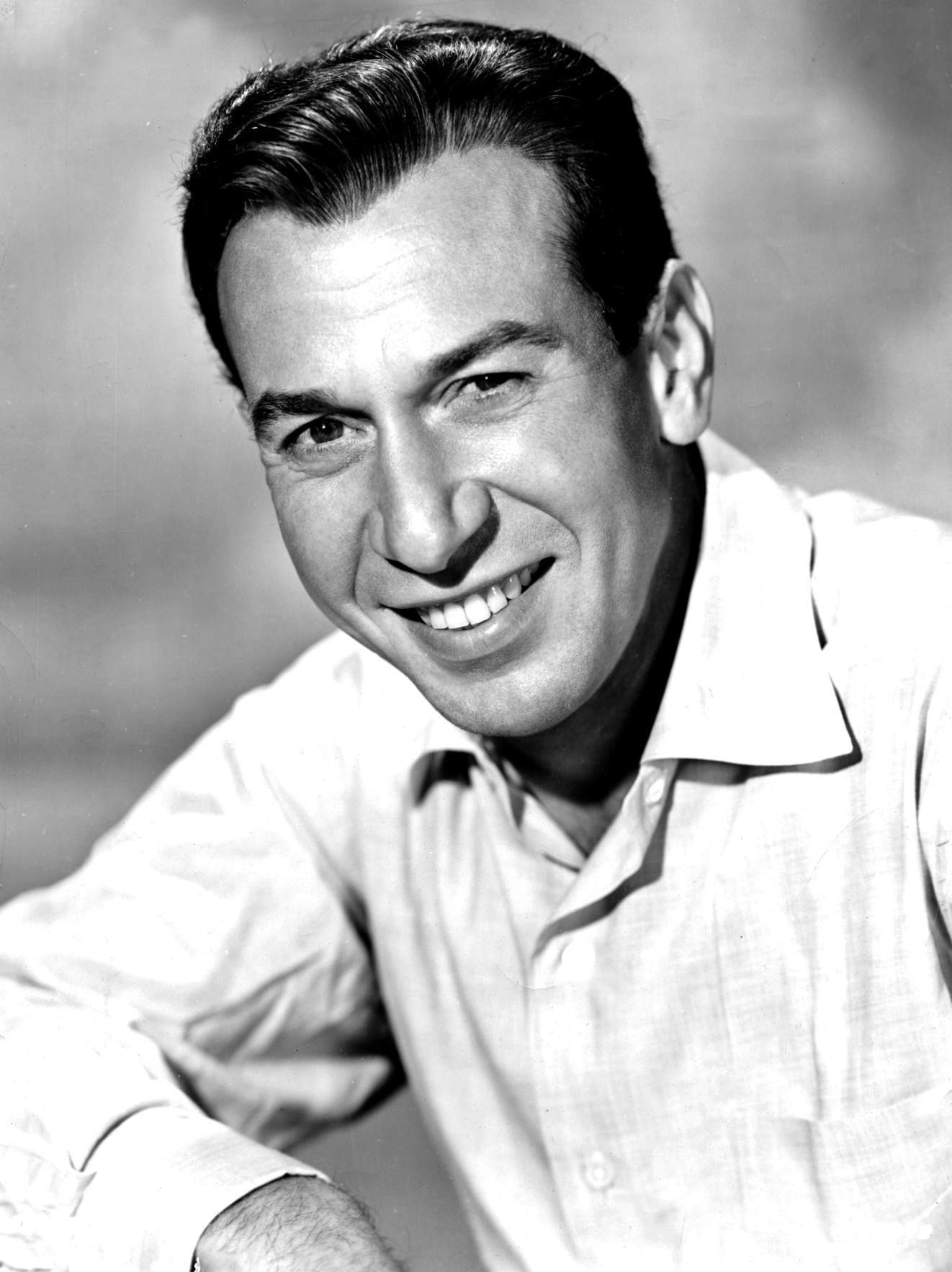
Joe Harris (José Ferrer)
Played by José Ferrer
A popular radio news reporter with a sharp, workmanlike wit who is entrusted with crafting a memorial for a legendary host. He digs into Fuller’s life, balancing respect for the public image with a demand for truth. His decision to reveal the phony beneath the image defines the film’s ethical center.
- 🎤 Broadcaster
- 🕵️ Investigator
- 🗞️ Journalist
-
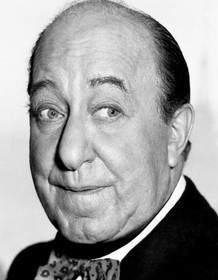
Paul Beaseley
Played by Ed Wynn
Owner of a tiny Christian radio station in New England who first hired Fuller and treated him as a son. He later reveals Fuller’s darker side, influencing Harris’s perspective on the man behind the fame.
- 🎙️ Radio
- 🧭 Mentor
-
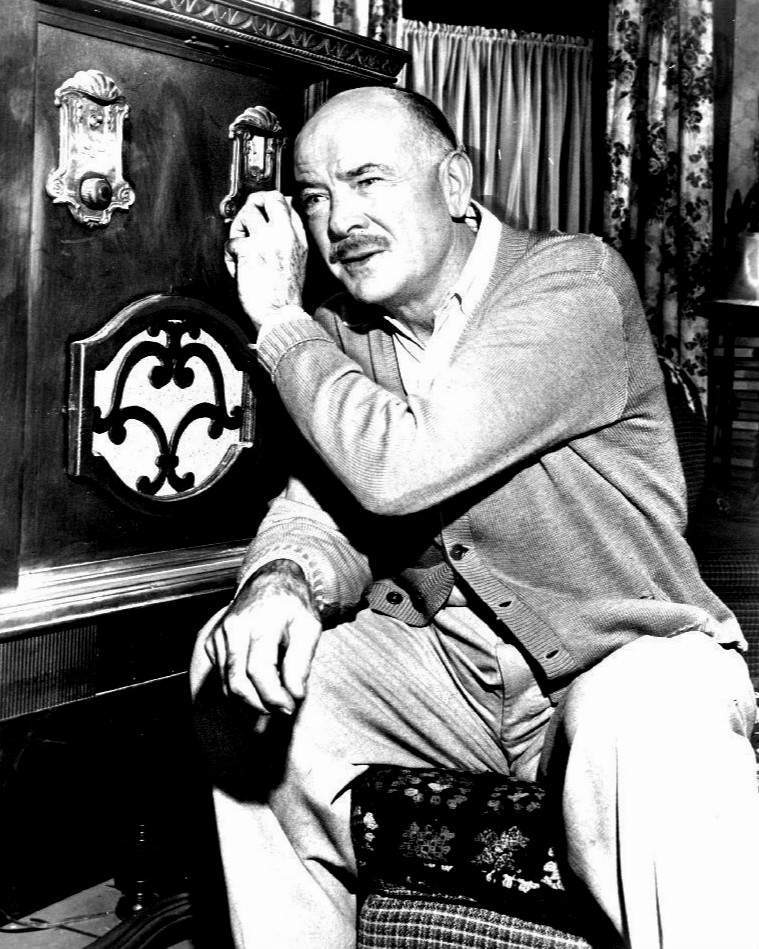
Philip Carleton (Dean Jagger)
Played by Dean Jagger
President of the Amalgamated Broadcasting Network who dangled the chance for Harris to succeed Fuller. He warns Harris about Sid Moore’s duplicity and ultimately supports a broadcast that could redefine the network’s public image.
- 🏢 Executive
- 🧭 Strategist
-
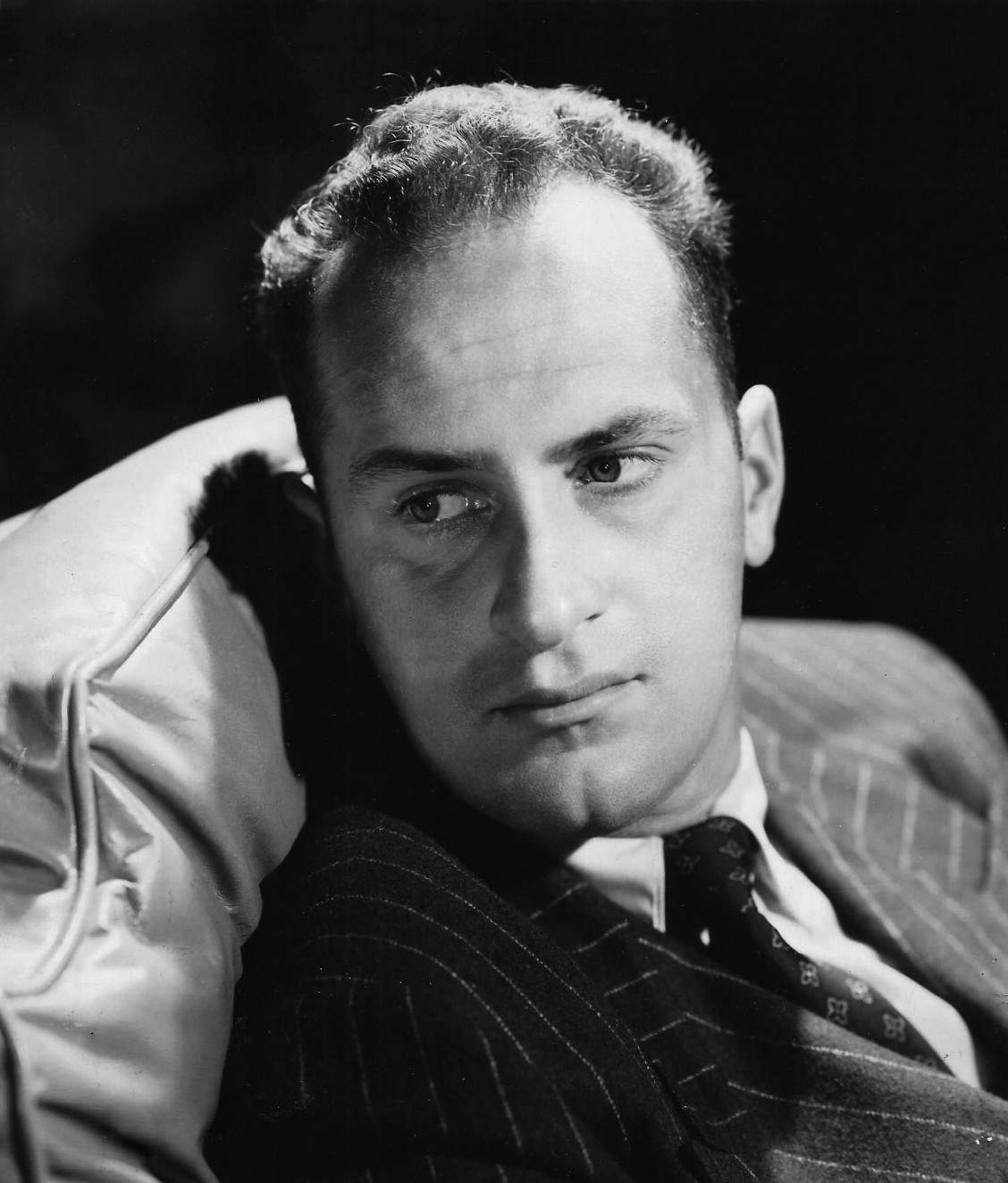
Sid Moore (Keenan Wynn)
Played by Keenan Wynn
Fuller's longtime producer who appears initially supportive but is revealed to be manipulating outcomes. He signs Harris to a contract and then presses for control, aiming to shape the narrative to his advantage.
- 🎬 Producer
- 🧭 Manipulator
- NC
Nick Cellentano (Jim Backus)
Played by Jim Backus
Network public relations man who assists in shaping Fuller’s image and later navigates the fallout of the truth being spoken. His role highlights the power of PR in steering public perception.
- 🎙️ PR
- 🧭 Strategist
- CL
Carol Larson (Julie London)
Played by Julie London
Alcoholic singer on Fuller's program, connected to Fuller’s personal life. Her relationship with the star underscores the entanglements of fame, addiction, and professional conflicts of interest.
- 🎤 Singer
- 💔 Relationship
- EB
Eddie Brand (Russ Morgan)
Played by Russ Morgan
Bandleader who records an artificially sincere sound bite about Fuller, illustrating how the industry curates authenticity for public consumption and how performers navigate exposure.
- 🎺 Band Leader
- 🎭 Performer
- G(
Ginny (Joanne Gilbert)
Played by Joanne Gilbert
Harris’s secretary who aids in gathering information and supporting the investigative work, serving as a practical bridge between the reporter and the newsroom machinery.
- 🗂️ Assistant
- 🧭 Helper
- MJ
Mike Jackson (Robert Foulk)
Played by Robert Foulk
A member of Fuller’s circle who appears in the network’s orbit; his presence underscores the wider web of relationships behind a public figure’s success.
- 🎖️ Minor Role
- 🗃️ Background
- CC
Charley Carruthers (Vinton Hayworth)
Played by Vinton Hayworth
A public relations figure within the network, contributing to the broader ecosystem of image management and media strategy surrounding Fuller.
- 🎩 Supporting
- 🗣️ Public Relations
- MR
Mrs. Rieber (Henny Backus)
Played by Henny Backus
A peripheral attendee at the public viewing, representing the spectrum of observers who engage with the Fuller narrative from outside his inner circle.
- 👵 Minor
- 🗺️ Side Character
- R(
Receptionist (Vikki Dougan)
Played by Vikki Dougan
A background presence in the network environment, assisting with the flow of information during the investigation and broadcast process.
- 💼 Support
- 🗣️ Front Desk
- MB
Mary Browne (Janie Alexander)
Played by Janie Alexander
A minor character within the unfolding events, contributing to the social milieu surrounding Fuller and the investigative atmosphere.
- 👥 Supporting
- 🗺️ Background
Where and When Is The Great Man Set?
The Great Man is set in Broadway, New York, Amalgamated Broadcasting Network offices and New England. Here is why the place matters to the story.
Where
Broadway, New York, Amalgamated Broadcasting Network offices, New England
The story unfolds amid the Broadway entertainment scene and the operations of a national broadcasting network. Key locations include a public viewing event, the network’s offices, and a small Christian radio station in New England. These settings emphasize the tension between showbiz glamour and the harsher realities of media manipulation.
- 🎭 Broadway setting
- 🗽 New York City
- 🎬 Media industry
What Are the Themes of The Great Man?
3 ideas the story keeps returning to, among them Media Truth, Facade vs Reality and Ethics in Broadcasting.
-
01
Media Truth
A central tension drives the plot: whether to expose the real-life flaws of a beloved media icon or preserve a comforting, manufactured image. Harris grapples with truth versus public sentiment as details of Fuller’s life emerge.
-
02
Facade vs Reality
The public-facing warmth and humor of a radio star clash with private vices revealed through investigation. The contrast tests loyalty, credibility, and the value of candor in entertainment.
-
03
Ethics in Broadcasting
The narrative probes ethical choices in journalism and PR, weighing sensationalism against accountability. The climax hinges on choosing honesty over marketable sensationalism.
What Kind of Film Is The Great Man?
Dark in tone, with steady pacing and a moderate story, going by the plot summary.
- Tone
- Dark
- Pacing
- Steady
- Story
- Moderate
- Intensity
- Medium
- Ending
- Bittersweet
A steady-paced, morally complex drama that follows a journalist's unsettling investigation into the dark secrets behind a beloved public figure, creating a somber and cynical atmosphere.
- investigative
- somber
- cynical
- reflective
- unsettling
- moral conflict
- investigative journalism
- public image vs reality
- moral compromise
- career ambition
Content notes: alcoholism, fatal car crash, exploitation.
Quiz
How well do you remember The Great Man? Test yourself on the story.
Where to Watch The Great Man
. US availability and prices from JustWatch.
Streaming availability in the US, powered by