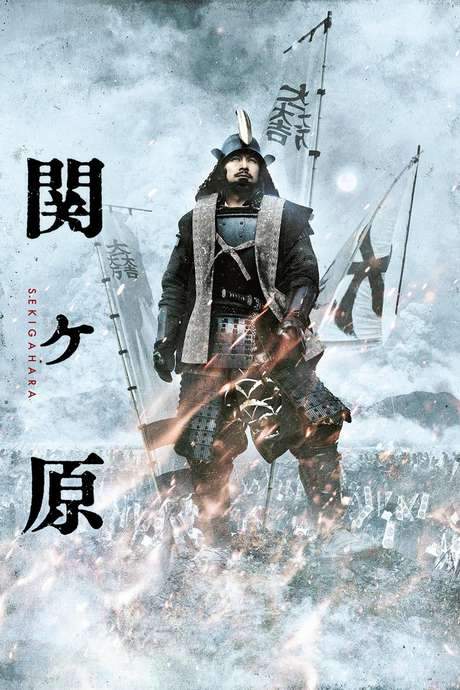
What Is Sekigahara About?
The premise of Sekigahara in 318 words, with nothing given away. The full story follows below.
In the waning years of the 16th century, Japan stands on the brink of a monumental transformation. The nation’s sprawling battlefields and polished courtrooms pulse with a restless energy as warlords vie for supremacy, their ambitions echoing through tea houses, temples, and the quiet mountain passes. The atmosphere is both grand and intimate—opulent processions contrast with whispered conversations in shadowed corridors, while the clang of swords mingles with the soft rustle of silk. This richly textured world is rendered with a cinematic sweep that feels both historically grounded and emotionally resonant, inviting viewers to feel the weight of a country poised between order and chaos.
At the heart of the tale is Ishida Mitsunari, a rising samurai whose steadfast dedication to duty and loyalty to his master places him at the center of the emerging conflict. He is surrounded by a cast of complex figures: the aging unifier Toyotomi Hideyoshi, whose presence still looms over the political landscape; the shrewd and prosperous lord Tokugawa Ieyasu, whose calculated maneuvers suggest a different vision for Japan’s future; the cunning spy Hatsume, whose discreet intelligence gathering adds a layer of intrigue; and the principled ronin Shima Sakon, whose personal code and reluctant alliances highlight the era’s moral ambiguities. Each character carries their own hopes, doubts, and hidden motives, creating a tapestry of relationships that feels as volatile as the battlefields beyond.
Against this backdrop, the film explores the fragile nature of allegiance and the subtle art of negotiation that defines the period. Samurai clans, family members, and retainers navigate a delicate dance of honor and opportunism, where a single whispered promise can shift the balance of power. The looming confrontation between the Eastern and Western forces hints at a decisive clash, yet the story lingers on the tension of anticipation—on the quiet moments when strategy is plotted, loyalties are tested, and the very soul of a nation hangs in the balance.
What Happens in Sekigahara?
The complete story of Sekigahara, from the first scene to the last, in 869 words (about 4 minutes). Spoilers throughout. Names in the text link to 6 cast member pages.
Spoilers ahead
In 1570, Toyotomi Hideyoshi meets a bold temple acolyte named Sakichi and invites him into his service. The young man grows into Ishida Mitsunari, gaining wealth, lands, and prestige within his master’s orbit. Hideyoshi unifies most of Japan and rises to the title of taikō, yet his later years are marked by ambitious, often costly campaigns that sap resources and strain loyalties. The invasion of Korea proves expensive and draining, and defeats along the way leave many vassals close to bankruptcy. In a sweeping arc of power, Hideyoshi’s grip on the realm tightens, even as his health and judgment falter.
By 1595, after conceiving a son, Hideyori, Hideyoshi decrees the execution of his designated heir and his entire family on a pretext of treason, aiming to secure a new lineage for the throne. Mitsunari pleads for mercy, but his pleas fail to move his aging master. In the ensuing chaos, the maids of one condemned woman strike Ishida and his men, and Mitsunari is moved by the loyalty he witnesses. He spares the attackers and recruits Hatsume, a cunning spy, to serve him as an informant. Hatsume’s intelligence becomes a crucial thread in Mitsunari’s unfolding schemеs, even as she navigates dangers from competing networks.
Mitsunari’s path crosses with Shima Sakon, a ronin once held in high esteem, now wary of Toyotomi’s power. Mitsunari offers Sakon half of his earnings if he’ll join as a samurai, but Sakon initially declines, detesting the current regime. During a dinner with Sakon and his wife Hanano, Mitsunari presses his case, and Sakon is eventually swayed to ally with him, in the hope that, after Toyotomi’s death, they can shepherd a fairer governance for Toyotomi’s son. Hanano, Noriko Nakagoshi, witnesses the shift in his resolve and becomes part of the web of loyalties that shape the coming conflict.
As Hideyoshi’s health declines, Mitsunari and his longtime ally Otani Yoshitsugu, Tasuku Nagaoka, grow wary that Tokugawa Ieyasu, the wealthiest lord in the realm, will seize power after the ruler’s death. Koji Yakusho embodies Ieyasu, whose plotting with his vassals—Honda Tadakatsu and Ii Naomasa—aims to secure a Regency Council that could override Mitsunari’s influence. Tokugawa also wins the support of the Seven Spears of Shizugatake, bolstering his position with a force ready to challenge Mitsunari.
Hatsume continues to feed Mitsunari information through bribes and covert channels, even as the White Snake, a formidable spymaster, tries to blunt their intelligence network. The web of espionage deepens as the court becomes a chessboard where every move could tilt the balance of power.
In 1598, Hideyoshi dies, and Mitsunari orders the death to be concealed until the Korean campaign ends, to avoid upheaval during the retreat. When the truth surfaces, Tokugawa uses the revelation to frame Mitsunari as someone who intends to seize control of the Regency Council. Tokugawa’s plotting reaches a fever pitch as he provokes the Seven Spears to file formal complaints against Mitsunari, claiming insubordination and a bid for supremacy. Mitsunari counters by pressing a rival complaint of his own, seeking to block Tokugawa’s advance. A temporary, fragile truce is brokered by Maeda Toshiie, a respected organizer who treads a careful line between both sides, but his death shifts the balance and intensifies the conflict once more. Tokuma Nishioka portrays Maeda’s weight in the decision, though the moment is fleeting and the standoff resumes its deadly course.
Maeda’s demise only hardens the struggle. The Seven Spears plot to assassinate Mitsunari, forcing him to retreat to his castle at Sawayama. Before departing, Mitsunari confesses his love for Hatsume, but acknowledges he cannot be with her due to obligations and duty. Hatsume, driven by loyalty, is captured and sold into slavery as the winds of war turn ever harsher. Mitsunari forges a delicate alliance with Uesugi Kagekatsu, Akiyoshi Tsujimoto, to oppose Tokugawa, and their combined forces push toward Sekigahara.
Uesugi’s army advances into Tokugawa’s home province, pulling Tokugawa’s forces into a broader confrontation. Meanwhile, the Hosokawa family confronts a devastating crisis when hostages are taken, their home set ablaze, and the family chooses suicide over capture; the tragedy leaves Mitsunari morally unsettled and underscores the human cost of the power struggle. Haruo Sekiguchi’s Tadaoki Hosokawa is among the witnesses to this grim moment.
As the year turns, Hatsume makes her way toward Sekigahara, carrying crucial intelligence as Mitsunari and Tokugawa prepare for the decisive clash. The day arrives on October 21, 1600, and Sekigahara erupts into a monumental confrontation. Sakon leads a small elite force against Tokugawa’s vanguard, and a ninja’s attempt to assassinate Tokugawa is thwarted by fate and the White Snake’s rival craft. In the climactic turn, Kobayakawa Hideaki, enticed or pressured by Tokugawa’s emissaries, betrays Mitsunari. Kobayakawa’s troops pivot against Mitsunari’s army, Otani Yoshitsugu is killed, and Mitsunari’s lines crumble into chaos. Mitsunari flees the battlefield, ultimately surrendering to Tokugawa’s troops. He is imprisoned and visited by a grief-stricken Kobayakawa, who regrets his betrayal and urges Mitsunari to survive.
The day before his execution, Tokugawa meets Mitsunari in silence. As they pass, Hatsume reappears, her loyalty undiminished, and she mouths the clan motto to him: “If one gives oneself for all, the world will prosper.”
If one gives oneself for all, the world will prosper
Sekigahara Timeline: Every Key Event in Order
15 key events in the order they happen, from “Hideyoshi recruits Sakichi and changes his fate” to “Mitsunari’s execution and Hatsume’s final gesture”. 12 events name a place, across 8 locations.
- 1
Hideyoshi recruits Sakichi and changes his fate
In 1570, Toyotomi Hideyoshi meets a young temple acolyte named Sakichi and is impressed by his impertinence. He recruits him into his service, and Sakichi later renames himself Ishida Mitsunari, gaining wealth, lands and prestige.
When:1570
- 2
Mitsunari rises under Hideyoshi’s banner
Sakichi grows within the Toyotomi household and earns the trust needed to shape his own career. He becomes Ishida Mitsunari, increasingly aligned with Hideyoshi and poised for a future leadership role.
- 3
Hideyoshi unifies Japan and orders invasions of Korea
Hideyoshi completes the unification of most of Japan and takes the title taikō. He launches expensive invasions of Korea to expand his influence, strains his treasury, and tests the loyalty of his vassals.
When:late 1590s Where:Japan and Korea
- 4
1595: Hideyori is born; the beheading is ordered
In 1595 Hideyori is born after years of Hideyoshi's infertility. Soon after, Hideyoshi orders the execution of his appointed heir and his entire family, under the pretext of treason. Mitsunari pleads for mercy but cannot move Hideyoshi.
When:1595 Where:Hideyoshi court, Japan
- 5
Hatsume becomes a spy after the executions
During the executions, loyal maids attack Mitsunari’s men. Mitsunari is impressed by their loyalty and spares them, recruiting Hatsume to serve as a spy. This marks the start of Hatsume’s dangerous double life.
When:1595 Where:Execution grounds, Japan
- 6
Mitsunari recruits Sakon after a hesitant start
Mitsunari meets Shima Sakon, a former respected general who despises Toyotomi. He offers Sakon half of his earnings if he serves as a samurai, but Sakon initially turns him down. Eventually, he is convinced to join by the promise of a freer rule for Toyotomi’s son.
When:1595-1596
- 7
Hideyoshi falls ill; Ieyasu plots to seize power
As Hideyoshi grows old and ill, Mitsunari and Otani Yoshitsugu sense that Tokugawa Ieyasu will try to dominate after Hideyoshi’s death. Tokugawa consolidates power with vassals like Honda Tadakatsu and Ii Naomasa and begins his quiet bid for supremacy.
When:late 1590s Where:Kyoto, Japan
- 8
Hatsume’s informer network vs. White Snake
Hatsume uses her connections to keep Mitsunari informed of Tokugawa’s moves, but the White Snake spymaster hinders her and blocks informants in Kyoto from reaching Hatsume. The information war thickens as both sides maneuver for an advantage.
When:late 1590s Where:Kyoto, Japan
- 9
Hideyoshi dies; the death is kept secret to protect Korea withdrawal
In 1598, Hideyoshi succumbs to illness. Mitsunari orders the death to be concealed until Korea’s troops have completed their retreat, hoping to avoid chaos. The ruse fuels Tokugawa’s suspicions of Mitsunari’s true intentions.
When:1598 Where:Japan
- 10
Tensions rise as rivals set up charges; Maeda mediates
Tokugawa plots to accuse Mitsunari of usurping the regency, while Mitsunari counters with accusations against the Seven Spears. Maeda Toshiie negotiates a temporary truce, trying to keep the peace between rivals.
When:1599-1600 Where:Kyoto, Japan
Show the other 5 events of Sekigahara Hide the last 5 events
- 11
Maeda dies; Seven Spears plot to kill Mitsunari; Hatsume is captured
A year after the truce, Maeda Toshiie dies and the Seven Spears plot to assassinate Mitsunari. Mitsunari flees toward his fortress at Sawayama, while Hatsume is ambushed on a road and captured, later sold into slavery.
When:1599-1600 Where:Sawayama, Japan / road to Sekigahara
- 12
Alliances form; Uesugi joins Mitsunari against Tokugawa
Mitsunari forges an alliance with Uesugi Kagekatsu, and they declare war on Tokugawa. Uesugi’s forces invade Tokugawa’s home province, forcing Tokugawa to march out and confront the threat.
When:1600 Where:Japan
- 13
Sekigahara: the decisive battle begins
On October 21, 1600, the Battle of Sekigahara opens with a clash between Mitsunari’s and Tokugawa’s factions. Sakon leads a vanguard but is wounded and retreats to the battlefield clinic run by his wife. A crucial betrayal by Kobayakawa turns the tide in Tokugawa’s favor.
When:October 21, 1600 Where:Sekigahara, Japan
- 14
Mitsunari’s retreat and surrender
As Tokugawa’s forces surge, Mitsunari opts not to commit suicide but flees with the wounded and evacuates those who remain. He eventually surrenders to Tokugawa’s troops after a hard-fought defeat.
When:1600 Where:Sekigahara, Japan
- 15
Mitsunari’s execution and Hatsume’s final gesture
Mitsunari is imprisoned and eventually executed; Kobayakawa visits him with regret before his demise. Hatsume, having followed his fate, finally locates him and mouths the clan motto: 'If one gives oneself for all, the world will prosper,' to honor his sacrifice.
When:Post-1600 Where:Tokugawa prison, Japan
Who Are the Main Characters in Sekigahara?
8 characters, among them Hatsume (Kasumi Arimura), Ishida Mitsunari (Junichi Okada) and Tokugawa Ieyasu (Koji Yakusho): who each one is and the part they play in the story. Every profile links to the actor’s page.
-

Hatsume (Kasumi Arimura)
Played by Kasumi Arimura
A temple acolyte turned spy recruited by Mitsunari after witnessing the loyalty of condemned women's maids. She becomes a capable informant, feeding Mitsunari crucial intelligence about Tokugawa's moves. Hatsume endures capture and enslavement by agents of the White Snake, and escapes to travel toward Sekigahara, continuing her service in a perilous world of espionage.
- 🗡️ Spy
- 🤝 Loyal
- 🧠 Resourceful
-
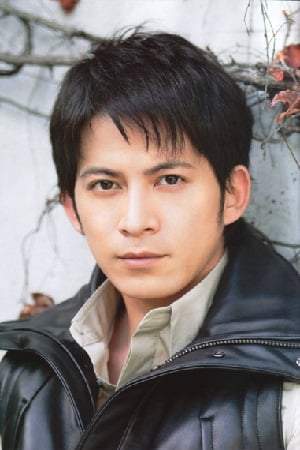
Ishida Mitsunari (Junichi Okada)
Played by Junichi Okada
A principled and strategic loyalist to the Toyotomi clan, Mitsunari seeks to govern fairly after Hideyori's birth but must contend with Tokugawa's rising power. He secures alliances and fends off intrigue, hoping to prevent chaos after Hideyori comes of age. His plans crumble after Kobayakawa's betrayal, yet he forgives his rival as he faces execution with dignity.
- 🗡️ Strategist
- 🛡️ Loyal
- 🏛️ Noble
- TI
Tokugawa Ieyasu (Koji Yakusho)
Played by Koji Yakusho
The wealthiest and most calculating lord who quietly orchestrates a shift of power in his favor. He manipulates factions, bribes allies, and leverages Kobayakawa's defection to secure victory at Sekigahara. Ieyasu embodies patient, long-term planning that ultimately redefines Japan's political landscape.
- 🏹 Politician
- 🗡️ Schemer
- 🗺️ Power
-

Kobayakawa Hideaki (Masahiro Higashide)
Played by Masahiro Higashide
A former vassal demoted by Hideyoshi who becomes a crucial double agent for Tokugawa. His concealed loyalties and the pressure of court politics push him to betray Mitsunari at Sekigahara. His decision decisively alters the battle's outcome, sealing Mitsunari's fate and Tokugawa's rise.
- 🗡️ Betrayer
- 🤝 Pressure
- 🎭 Tragic
-
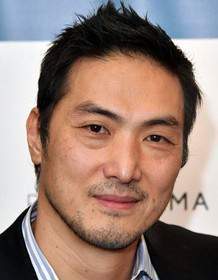
Shima Sakon (Takehiro Hira)
Played by Takehiro Hira
A ronin-turned-general who earns Mitsunari's trust and commands a capable force. Sakon embodies martial prowess and stubborn honor, ultimately facing the consequences of the war's brutal path. He participates in pivotal battles and bears the weight of battlefield decisions.
- 🎖️ General
- 🗡️ Loyal
- 🛡️ Battle-hardened
- H(
Hanano (Noriko Nakagoshi)
Played by Noriko Nakagoshi
Wife of Sakon and a compassionate friend to Mitsunari's cause, she runs a field hospital and witnesses the war's human cost. Her loyalty to her husband and to those she cares for underscores the war's personal toll. She survives the chaos, holding on to hope amid the destruction.
- ❤️ Caregiver
- 🕊️ Loyal
- 🏥 Human-cost
- MT
Maeda Toshiie (Tokuma Nishioka)
Played by Tokuma Nishioka
A seasoned, respected lord who acts as a stabilizing force in a time of upheaval. He brokers a temporary truce between rival factions and serves as a bridge between competing ambitions. His death removes a balancing influence just as the conflict intensifies.
- 🗺️ Mediator
- 🏛️ Esteemed
- 🗡️ Politician
- KN
Kuroda Nagamasa (Masato Wada)
Played by Masato Wada
Tokugawa's vanguard commander who faces Mitsunari's forces at crucial moments. He endures setbacks and contributes to the tactical depth of the campaign. His role highlights the complexity of frontline command in a war defined by shifting loyalties.
- 🛡️ Commander
- ⚔️ Frontline
- 🗺️ Strategist
Where and When Is Sekigahara Set?
Sekigahara is set in Kyoto, Sawayama Castle, Osaka, Sekigahara and Japan (Late Sengoku period (1570–1600)). Here is why the time and place matter to the story.
When
Late Sengoku period (1570–1600)
The story spans the waning years of the Sengoku era, from Hideyoshi's rise and Korea campaigns to his death and the ensuing power struggle. It covers court politics, daimyō intrigues, and the shifting alliances that culminate in the Battle of Sekigahara in 1600. The period is marked by rapid political change and relentless warfare. These events frame the characters' decisions and fates.
Where
Kyoto, Sawayama Castle, Osaka, Sekigahara, Japan
Actions unfold across Kyoto's grand palaces, the fortified halls of Sawayama Castle, Osaka's streets, and the open fields at Sekigahara. These places anchor the power struggle between Toyotomi loyalists and Tokugawa forces. Each setting highlights the strategy, betrayal, and loyalty that defined the period. The locales serve as backdrops to a history-defining conflict.
- 🏯 Historic sites
- ⚔️ Battle locations
- 🗺️ Sengoku era
What Are the Themes of Sekigahara?
4 ideas the story keeps returning to, among them Power & Politics, Betrayal and Loyalty & Honor.
-
01
Power & Politics
The film centers on who holds the reins of Japan. Strategic maneuvering, bribes, and court alliances drive the push for control after Hideyoshi's death. Mitsunari, Tokugawa, and their allies wage a high-stakes game that blurs lines between governance and personal ambition. The outcome of these maneuvers reshapes the nation's future.
-
02
Betrayal
Betrayal threads through the narrative as Kobayakawa Hideaki is swayed to switch sides, turning the tide of battle. The fragility of loyalty is tested when pressure, promises, and fear override former loyalties. Espionage and deception—exemplified by Hatsume's clandestine work—shape the war's course. The cost of treachery weighs heavily on all sides.
-
03
Loyalty & Honor
Mitsunari's code of loyalty to Toyotomi and his insistence on fair governance frame his decisions. Hatsume's steadfast service and Mitsunari's forgiveness of a betrayer underscore a personal honor code that persists despite overwhelming odds. The narrative probes whether loyalty can endure in a world governed by power. The final motto Hatsume shares encapsulates the ideal of self-sacrifice for the greater good.
-
04
Court Intrigue
The story exposes the murky politics of the era—courts, spies, and secret councils shaping military outcomes. Characters navigate competing agendas, with informants and rival factions influencing major moves. The tension between public duty and private ambition drives much of the drama. Even victory at court-level stakes carries a heavy, personal price.
What Kind of Film Is Sekigahara?
Tense in tone, with fast pacing and a complex story, going by the plot summary.
- Tone
- Tense
- Pacing
- Fast
- Story
- Complex
- Intensity
- High
- Ending
- Sad
A relentlessly tense and fast-paced historical war drama that plunges the viewer into a complex web of political betrayal and shifting loyalties, culminating in a decisive, grimly sobering battle that determines the fate of Japan.
- tense
- claustrophobic
- grim
- sobering
- anxious
- fatalistic
- political betrayal
- war and conflict
- duty and loyalty
- shifting alliances
Content notes: war violence, mass execution, assassination attempts, suicide, slavery.
Quiz
How well do you remember Sekigahara? Test yourself on the story.