Sekigahara 2017

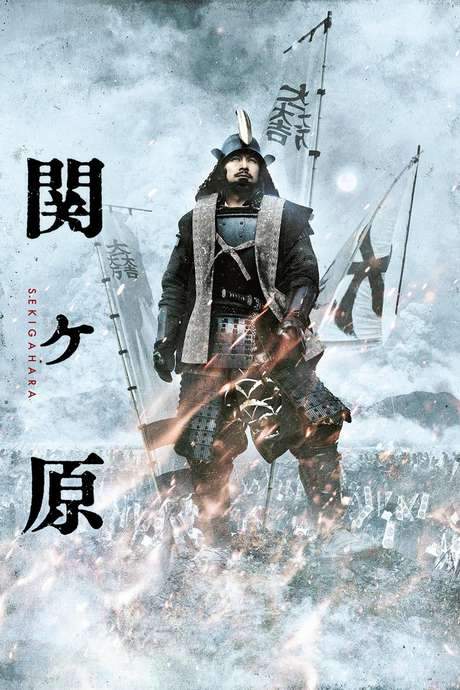
This film portrays the events leading up to and during the pivotal Battle of Sekigahara in 1600. It depicts the clash between Tokugawa Ieyasu’s Eastern Army and Ishida Mitsunari’s Western Army, a battle that determined the future of Japan. The story explores the complex web of alliances, betrayals, and shifting loyalties among samurai, family members, and retainers as they navigate a time of great political upheaval and uncertain destiny.


Does Sekigahara have end credit scenes?
No!
Sekigahara does not have end credit scenes. You can leave when the credits roll.
Meet the Full Cast and Actors of Sekigahara
Explore the complete cast of Sekigahara, including both lead and supporting actors. Learn who plays each character, discover their past roles and achievements, and find out what makes this ensemble cast stand out in the world of film and television.

Kasumi Arimura
Hatsume
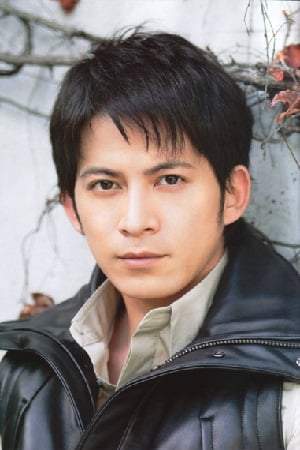
Junichi Okada
Ishida Mitsunari

Ken Yamamura
Nobukatsu Shima

Masahiro Higashide
Kobayakawa Hideaki

Takehiro Hira
Shima Sakon
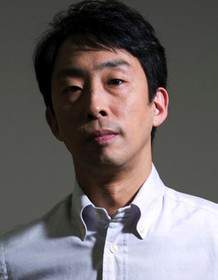
Yukiya Kitamura
Ii Naomasa
Ken'ichi Matsuyama
Naoe Kanetsugu
Hajime Inoue
Kuroda Gamo
Masaki Miura
Toyohisa Shimazu
Ikuji Nakamura
Nagamori Mashita
Tokuma Nishioka
Maeda Toshiie
Tasuku Nagaoka
Munenori Yagyu
Mitsu Dan
Myozen
Katsumi Kiba
narrator (voice)
Keisuke Horibe
Sukenzaemon Yasojima
Takuma Otoo
Fukushima Masanori
Ayumi Ito
Shirohebi
Akaji Maro
Ishin Shimazu
Midoriko Kimura
Kita no Mandokoro
Noriko Nakagoshi
Hanano
Kenichi Takitoh
Toyotomi Hideyoshi
Akinori Ando
Junpei Watanabe
Koji Yakusho
Tokugawa Ieyasu
Masato Wada
Kuroda Nagamasa
Sho Ikushima
Hideie Ukita
Jun Hashimoto
Mondo Kedani
Shihou Harumi
Ankokuji Ekei
Kazunaga Tsuji
Munetoshi Yagyu
Yuko Miyamoto
Ginkame
Yuko Ando
Otatsu no kata
Mayu Ryokucha
Omiya no kata
Shû Nakajima
Serubicchi
Yasumasa Oba
Otani Yoshitsugu
Yuusaku Tanaka
Tina Kusumoto
Yohei Matsukado
Kato Kiyomasa
Akiyoshi Tsujimoto
Kagekatsu Uesugi
Chukichi Kubo
Masanobu Honda
Daisuke Amano
Tadakatsu Honda
Kaito Yosimura
Tadayoshi Matsudaira
Haruo Sekiguchi
Tadaoki Hosokawa
Usou Ozaki
Yoshinaga Asano
Eiki Narita
Akiko Enji
Mitsu
External Links and Streaming Options
Discover where to watch Sekigahara online, including streaming platforms, rental options, and official sources. Compare reviews, ratings, and in-depth movie information across sites like IMDb, TMDb, Wikipedia or Rotten Tomatoes.






Take the Ultimate Sekigahara Movie Quiz
Challenge your knowledge of Sekigahara with this fun and interactive movie quiz. Test yourself on key plot points, iconic characters, hidden details, and memorable moments to see how well you really know the film.
Sekigahara (2017) Quiz: Test your knowledge of the 2017 historical drama *Sekigahara*, covering its characters, plot twists, and the famous battle.
What is the original name of the character who later becomes Ishibida Mitsunari?
Full Plot Summary and Ending Explained for Sekigahara
Read the complete plot summary of Sekigahara, including all major events, twists, and the full ending explained in detail. Explore key characters, themes, hidden meanings, and everything you need to understand the story from beginning to end.
In 1570, Toyotomi Hideyoshi meets a bold temple acolyte named Sakichi and invites him into his service. The young man grows into Ishida Mitsunari, gaining wealth, lands, and prestige within his master’s orbit. Hideyoshi unifies most of Japan and rises to the title of taikō, yet his later years are marked by ambitious, often costly campaigns that sap resources and strain loyalties. The invasion of Korea proves expensive and draining, and defeats along the way leave many vassals close to bankruptcy. In a sweeping arc of power, Hideyoshi’s grip on the realm tightens, even as his health and judgment falter.
By 1595, after conceiving a son, Hideyori, Hideyoshi decrees the execution of his designated heir and his entire family on a pretext of treason, aiming to secure a new lineage for the throne. Mitsunari pleads for mercy, but his pleas fail to move his aging master. In the ensuing chaos, the maids of one condemned woman strike Ishida and his men, and Mitsunari is moved by the loyalty he witnesses. He spares the attackers and recruits Hatsume, a cunning spy, to serve him as an informant. Hatsume’s intelligence becomes a crucial thread in Mitsunari’s unfolding schemеs, even as she navigates dangers from competing networks.
Mitsunari’s path crosses with Shima Sakon, a ronin once held in high esteem, now wary of Toyotomi’s power. Mitsunari offers Sakon half of his earnings if he’ll join as a samurai, but Sakon initially declines, detesting the current regime. During a dinner with Sakon and his wife Hanano, Mitsunari presses his case, and Sakon is eventually swayed to ally with him, in the hope that, after Toyotomi’s death, they can shepherd a fairer governance for Toyotomi’s son. Hanano, Noriko Nakagoshi, witnesses the shift in his resolve and becomes part of the web of loyalties that shape the coming conflict.
As Hideyoshi’s health declines, Mitsunari and his longtime ally Otani Yoshitsugu, Tasuku Nagaoka, grow wary that Tokugawa Ieyasu, the wealthiest lord in the realm, will seize power after the ruler’s death. Koji Yakusho embodies Ieyasu, whose plotting with his vassals—Honda Tadakatsu and Ii Naomasa—aims to secure a Regency Council that could override Mitsunari’s influence. Tokugawa also wins the support of the Seven Spears of Shizugatake, bolstering his position with a force ready to challenge Mitsunari.
Hatsume continues to feed Mitsunari information through bribes and covert channels, even as the White Snake, a formidable spymaster, tries to blunt their intelligence network. The web of espionage deepens as the court becomes a chessboard where every move could tilt the balance of power.
In 1598, Hideyoshi dies, and Mitsunari orders the death to be concealed until the Korean campaign ends, to avoid upheaval during the retreat. When the truth surfaces, Tokugawa uses the revelation to frame Mitsunari as someone who intends to seize control of the Regency Council. Tokugawa’s plotting reaches a fever pitch as he provokes the Seven Spears to file formal complaints against Mitsunari, claiming insubordination and a bid for supremacy. Mitsunari counters by pressing a rival complaint of his own, seeking to block Tokugawa’s advance. A temporary, fragile truce is brokered by Maeda Toshiie, a respected organizer who treads a careful line between both sides, but his death shifts the balance and intensifies the conflict once more. Tokuma Nishioka portrays Maeda’s weight in the decision, though the moment is fleeting and the standoff resumes its deadly course.
Maeda’s demise only hardens the struggle. The Seven Spears plot to assassinate Mitsunari, forcing him to retreat to his castle at Sawayama. Before departing, Mitsunari confesses his love for Hatsume, but acknowledges he cannot be with her due to obligations and duty. Hatsume, driven by loyalty, is captured and sold into slavery as the winds of war turn ever harsher. Mitsunari forges a delicate alliance with Uesugi Kagekatsu, Akiyoshi Tsujimoto, to oppose Tokugawa, and their combined forces push toward Sekigahara.
Uesugi’s army advances into Tokugawa’s home province, pulling Tokugawa’s forces into a broader confrontation. Meanwhile, the Hosokawa family confronts a devastating crisis when hostages are taken, their home set ablaze, and the family chooses suicide over capture; the tragedy leaves Mitsunari morally unsettled and underscores the human cost of the power struggle. Haruo Sekiguchi’s Tadaoki Hosokawa is among the witnesses to this grim moment.
As the year turns, Hatsume makes her way toward Sekigahara, carrying crucial intelligence as Mitsunari and Tokugawa prepare for the decisive clash. The day arrives on October 21, 1600, and Sekigahara erupts into a monumental confrontation. Sakon leads a small elite force against Tokugawa’s vanguard, and a ninja’s attempt to assassinate Tokugawa is thwarted by fate and the White Snake’s rival craft. In the climactic turn, Kobayakawa Hideaki, enticed or pressured by Tokugawa’s emissaries, betrays Mitsunari. Kobayakawa’s troops pivot against Mitsunari’s army, Otani Yoshitsugu is killed, and Mitsunari’s lines crumble into chaos. Mitsunari flees the battlefield, ultimately surrendering to Tokugawa’s troops. He is imprisoned and visited by a grief-stricken Kobayakawa, who regrets his betrayal and urges Mitsunari to survive.
The day before his execution, Tokugawa meets Mitsunari in silence. As they pass, Hatsume reappears, her loyalty undiminished, and she mouths the clan motto to him: “If one gives oneself for all, the world will prosper.”
If one gives oneself for all, the world will prosper

Coming soon on iOS and Android
The Plot Explained Mobile App
From blockbusters to hidden gems — dive into movie stories anytime, anywhere. Save your favorites, discover plots faster, and never miss a twist again.
Sign up to be the first to know when we launch. Your email stays private — always.
Explore the mobile appDiscover Film Music Concerts Near You – Live Orchestras Performing Iconic Movie Soundtracks
Immerse yourself in the magic of cinema with live orchestral performances of your favorite film scores. From sweeping Hollywood blockbusters and animated classics to epic fantasy soundtracks, our curated listings connect you to upcoming film music events worldwide.
Explore concert film screenings paired with full orchestra concerts, read detailed event information, and secure your tickets for unforgettable evenings celebrating legendary composers like John Williams, Hans Zimmer, and more.


Sekigahara Themes and Keywords
Discover the central themes, ideas, and keywords that define the movie’s story, tone, and message. Analyze the film’s deeper meanings, genre influences, and recurring concepts.
Sekigahara Other Names and Titles
Explore the various alternative titles, translations, and other names used for Sekigahara across different regions and languages. Understand how the film is marketed and recognized worldwide.
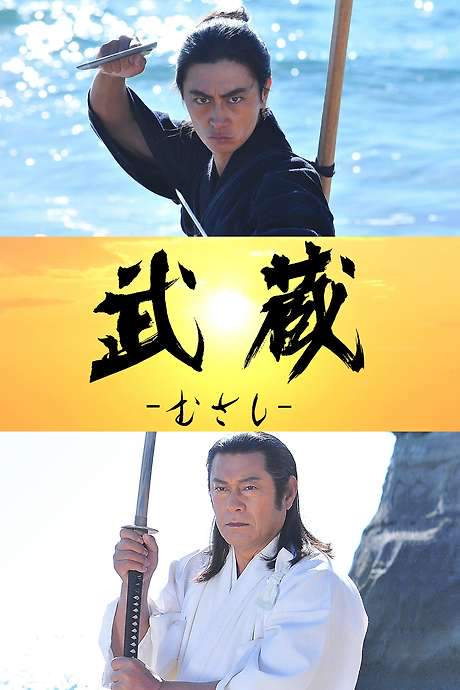
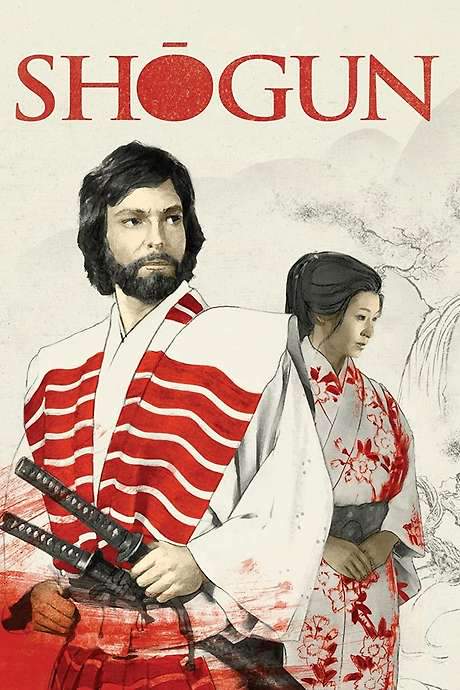
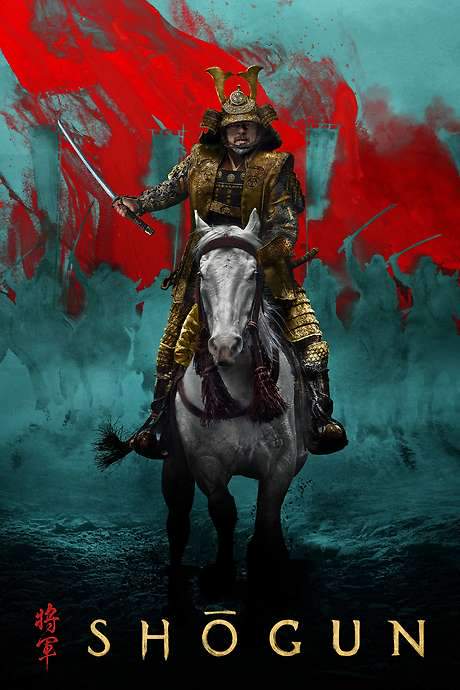
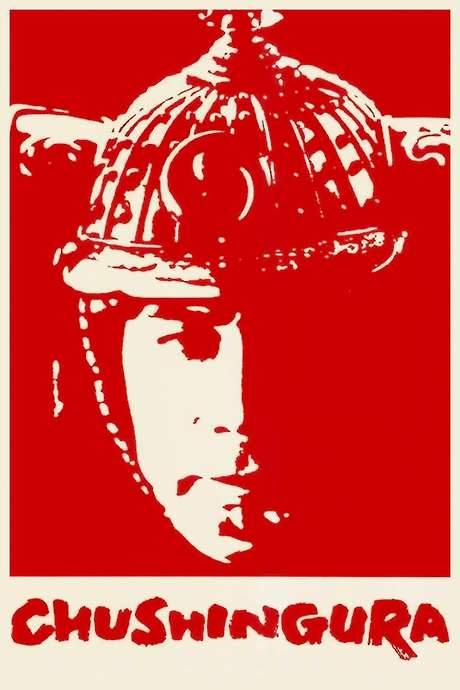
Similar Movies To Sekigahara You Should Know About
Browse a curated list of movies similar in genre, tone, characters, or story structure. Discover new titles like the one you're watching, perfect for fans of related plots, vibes, or cinematic styles.
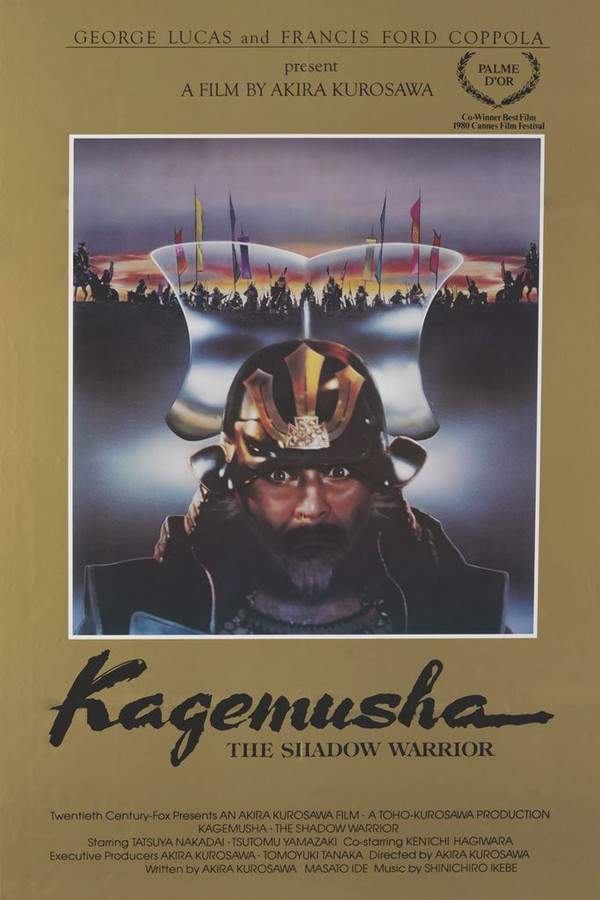
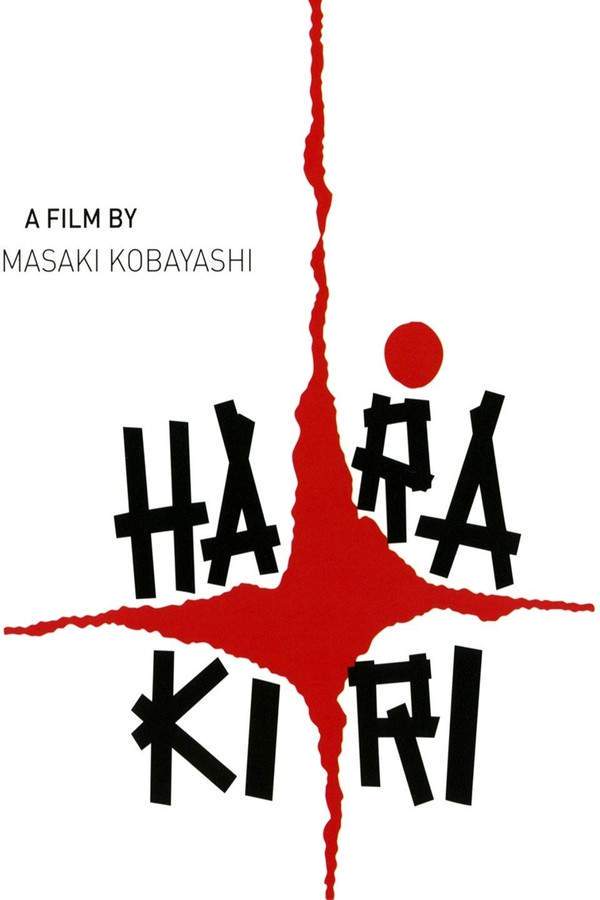
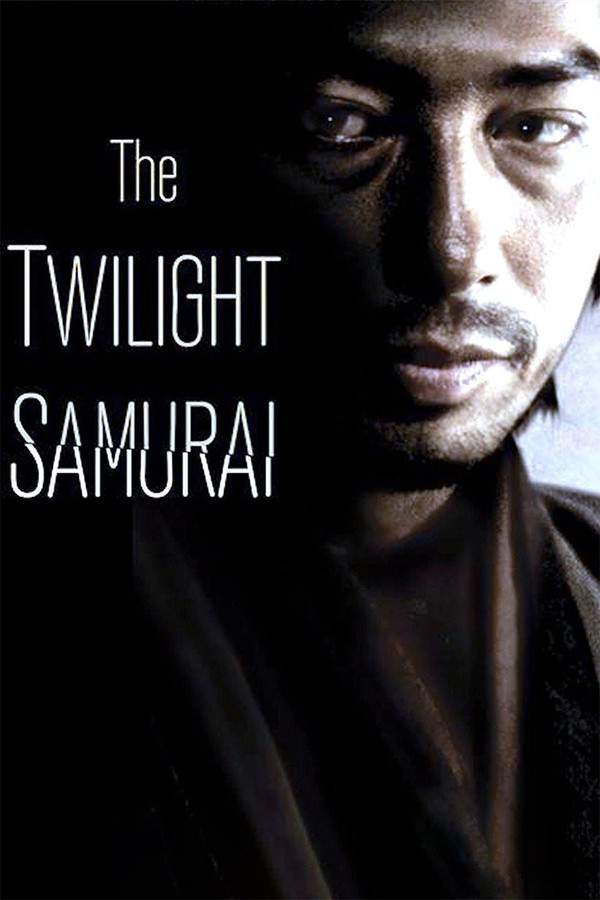
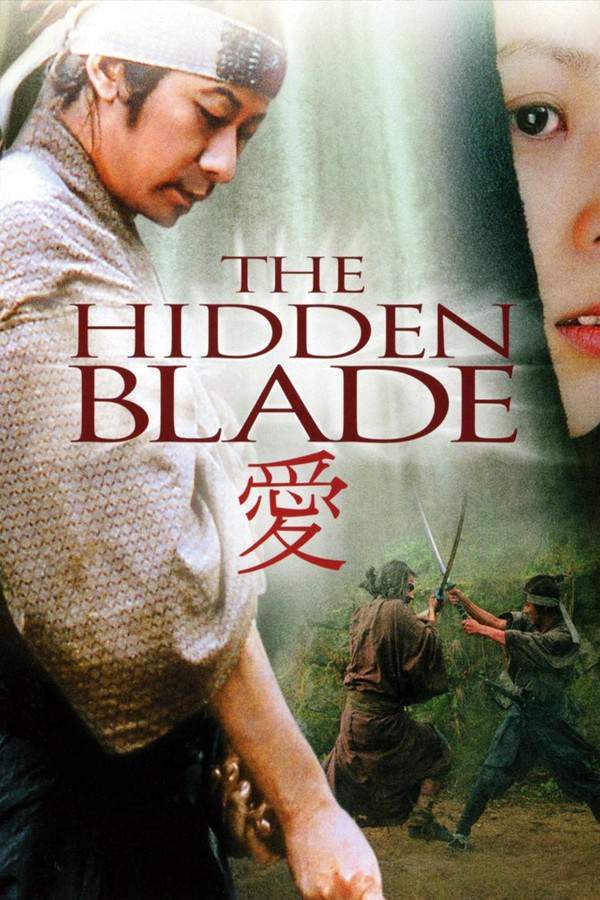
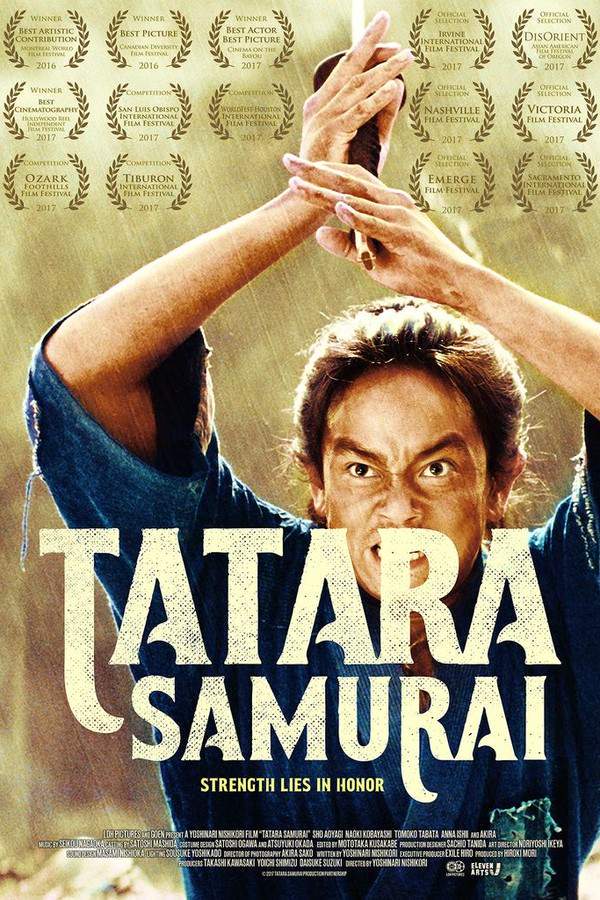



Quick Links: Summary, Cast, Ratings, More

What's After the Movie?
Not sure whether to stay after the credits? Find out!
Check out our other apps:

SAT Sphere
Build confidence for the Digital SAT.

Mori Atlas
Discover wild places worth protecting.

Luntero
Search smarter for a home in Amsterdam.

Plot Explained
Unravel movie endings and hidden clues.

Pokechamp
Dive into Pokémon data and battle logic.

Driving Theory
Get ready for your European theory test.

Movie Dust
Plan your next cinema trip with ease.

Musemap
Find art and culture as you travel.

Selkobase
Compare credentials before committing.

Local Manual
Turn an unfamiliar country into practical next steps.

Lernavi
Compare school systems before your next move.

GymRoam
Find a workout stop wherever your plans take you.
Explore Our Movie Platform
New Movie Releases (2026)
Famous Movie Actors
Top Film Production Studios
Movie Plot Summaries & Endings
Major Movie Awards & Winners
Best Concert Films & Music Documentaries
Movie Collections and Curated Lists
© 2026 What's After the Movie. All rights reserved.
Privacy Policy