What Is Pollock About?
The premise of Pollock in 250 words, with nothing given away. The full story follows below.
In the restless swirl of 1940s New York, the film follows Jackson Pollover, an abstract expressionist whose canvases pulse with raw energy while his life teeters on the edge of chaos. The city’s cramped apartments, smoky galleries, and bohemian cafés provide a vivid backdrop for a world where artistic brilliance collides with the pressures of a rapidly evolving art market. The tone is intimate and brooding, inviting viewers to feel the tension between creative freedom and the looming expectations of fame.
Within this world, Lee Krasner appears as a fellow artist whose steady presence offers both a lifeline and a catalyst for change. Their connection hints at a partnership that could reshape Pollock’s path, balancing his impulsive drive with her measured support. Meanwhile, his brother Sande and sister‑in‑law Arloie occupy the same cramped living space, underscoring the familial strains that amplify his internal conflict. A lingering specter of alcoholism and self‑doubt shadows every brushstroke, suggesting that the very forces that fuel his genius also threaten to unravel his sense of self.
The film paints a portrait of a man caught between the intoxicating allure of artistic recognition and the isolating shadows of his personal demons. As critics, patrons, and fellow creators orbit around him, the atmosphere crackles with both admiration and unease. The story sets the stage for a tense exploration of how a singular vision can both elevate and endanger the artist behind it, leaving the audience to wonder whether the canvas will become his salvation or his undoing.
What Happens in Pollock?
The complete story of Pollock, from the first scene to the last, in 684 words (about 3 minutes). Spoilers throughout. Names in the text link to 2 cast member pages.
Spoilers ahead
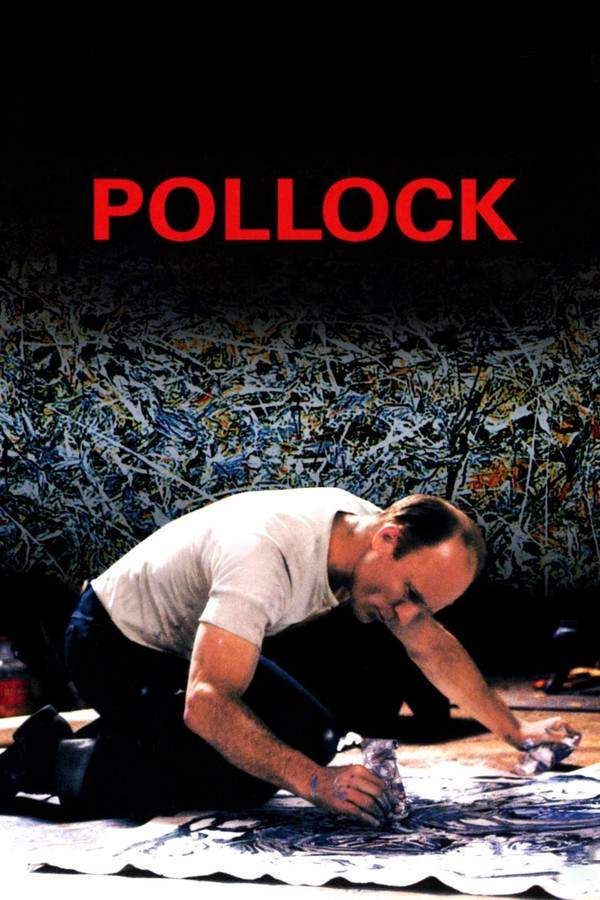
Pollock, played by Ed Harris, is a restless abstract expressionist painter navigating the New York art scene in the 1940s, showing his work in occasional group exhibitions while trying to find a path that suits his impulsive style.
He shares a cramped apartment in New York City with his brother Sande and sister-in-law Arloie, and as Arloie prepares for a new baby, Pollock decides to move out on her behalf. Soon after, he encounters the gifted artist Lee Krasner, Marcia Gay Harden, whose presence and support begin to change the direction of his life. Pollock’s brother Sande has left for Connecticut to work building military gliders to avoid the draft, a move that underscores the tensions and compromises of the era.
A battle with alcoholism intensifies Pollock’s struggles. He’s found in a disheveled state by Sande and Lee, prompting Sande to tell Lee that Pollock has been diagnosed as “clinically neurotic.” Taking pity on him, Lee invites Pollock into her world, becomes his advocate, and takes on the role of his manager, offering a steadying influence as he hovers between creative fervor and self-destruction.
The drama deepens when Pollock’s old friend Reuben Kadish visits, bringing along Howard Putzel, who works for wealthy art collector Peggy Guggenheim. After Guggenheim views his paintings, Pollock lands a contract to exhibit his work, plus a commission to paint an 8 ft by 20 ft mural for her New York townhouse entryway. Yet his first exhibit fails to attract buyers, and after a New Year’s Eve party, a drunken Pollock nearly sleeps with Peggy. He then sinks into a stupor upon learning that Putzel has died, a blow that accelerates his downward spiral.
Pollock and Lee marry after Lee gives him an ultimatum to marry or “split up” as they prepare to move to Long Island. At Peggy’s home, Pollock brushes off art critic Clement Greenberg’s comments, resisting any push to alter his painting style to be more marketable. Greenberg predicts that Pollock’s fortunes will change with the upcoming Life magazine article and a forthcoming exhibition, a forecast that shapes their expectations for broader recognition.
As the relationship between Pollock and Lee grows strained—driven in part by Pollock’s flirtations with other women—he tries a variety of jobs to earn money, but his alcoholism repeatedly thwarts those efforts. He lies to Sande about his finances, a deception that improves only after the Life feature shines a brighter spotlight on him. Cinematographer Hans Namuth later films Pollock at work, but the documentary presence interrupts the spontaneity that defines his process. A moment of attempted abstinence backfires when Pollock relapses during a Thanksgiving gathering, ruining the meal and escalating the tension with Lee.
In a later sequence, Pollock signs a Life magazine copy for a fan at an art exhibit in 1950, a scene that pressingly places him in the center of the American art world. Five years after that exhibit, Clement Greenberg informs Pollock that the Partisan Review is perhaps favoring artist Clyfford Still, hinting at a shifting critical landscape and suggesting that Pollock’s originality could chart the next direction in modern art.
Pollock’s personal life grows more tumultuous as his marriage to Lee becomes increasingly strained due to her reluctance to have children. He begins an extramarital affair with Ruth Kligman, an abstract artist who enters his orbit and complicates his already fragile balance. In a pivotal moment in 1956, after a phone conversation with Lee while she is in Venice, Pollock tells Ruth, “I owe the woman something.” When Ruth brings along her friend Edith, the trio take a drive that ends in tragedy: Pollock, intoxicated, crashes the car, killing himself and Edith and leaving Ruth badly injured.
I owe the woman something.
The film closes with a stark epilogue: Lee Krasner never remarries after Pollock’s death, enduring the loss while continuing to live with the legacy of his art and their shared story. The portrait that emerges is of a mercurial artist whose genius coexists with personal turmoil, the public’s hunger for his work, and the intimate costs paid within a life marked by passion, conflict, and fate.
Pollock Timeline: Every Key Event in Order
15 key events in the order they happen, from “Pollock moves out and meets Lee Krasner” to “Epilogue: Lee never remarries”. 14 events name a place, across 6 locations.
- 1
Pollock moves out and meets Lee Krasner
Pollock leaves the cramped New York City apartment to make space for Arloie's baby. Shortly afterward he encounters fellow artist Lee Krasner, whose presence sparks his interest in painting and collaboration. Their meeting marks the beginning of a crucial personal and artistic partnership.
When:1940s Where:New York City
- 2
Binge and Lee becomes his manager
Pollock sinks into a drunken binge, and Sande labels him clinically neurotic. Lee Krasner takes him home and decides to manage his career, recognizing potential in his work. Her support proves pivotal to his early development as an artist.
When:late 1940s Where:New York City
- 3
Kadish, Putzel, and Guggenheim connect Pollock
Reuben Kadish visits Pollock with Howard Putzel, who works for Peggy Guggenheim. Guggenheim views Pollock's paintings and offers a contract to exhibit him, plus a commission to paint a large mural in her New York townhouse entry. This proposal pushes Pollock toward the center of the American art scene.
When:late 1940s Where:Peggy Guggenheim's townhouse, New York
- 4
First exhibit fails; Peggy moment; Putzel dies
Pollock's first exhibition fails to attract buyers. After a New Year's Eve party, he nearly sleeps with Peggy Guggenheim, and soon after learns that Putzel has died. The string of setbacks tests his resolve and mood.
When:late 1940s Where:New York City
- 5
Marriage to Lee Krasner and move to Long Island
Pollock and Lee decide to marry rather than split up and plan to move to Long Island together. Their marriage solidifies as they navigate life and art away from Manhattan's pressures. The partnership blends personal commitment with artistic collaboration.
When:late 1940s Where:Long Island
- 6
Greenberg critique and Life article promise
Pollock rejects Clement Greenberg's insistence that his work be altered to be marketable. He remains committed to his technique, even as criticism and commerce push for change. Greenberg suggests a Life magazine feature could shift attention in his favor.
When:early 1950s Where:New York City
- 7
Marital strain and flirtations
Pollock's flirtations with other women strain his marriage to Lee. He searches for additional income, trying various jobs while alcohol and volatility complicate his life. Lee's distance grows as she resists conceiving, adding tension to their partnership.
When:early 1950s Where:New York City
- 8
Life article boosts attention
A Life magazine article about Pollock appears, bringing renewed attention even though his paintings aren't yet selling widely. The feature raises public curiosity about his work and foreshadows the upcoming exhibit. Critics remain divided, but momentum builds.
When:early 1950s Where:New York City
- 9
Namuth films Pollock
Cinematographer Hans Namuth films Pollock as he works, attempting to capture his gestural process. The filming interrupts the spontaneity that defines his method, challenging how viewers perceive his art. Pollock's focus is affected by the camera's presence.
When:early 1950s Where:Pollock's studio, New York
- 10
Thanksgiving relapse
Pollock, who had been attempting sobriety, relapses and ruins the Thanksgiving dinner. The relapse underscores the fragility of his personal life amid mounting professional pressure. Family tensions intensify as public attention grows.
When:early 1950s Where:New York
Show the other 5 events of Pollock Hide the last 5 events
- 11
Autographs Life magazine at a 1950 exhibit
In a frame of the film, Pollock signs a copy of Life magazine for a fan at a 1950 art exhibit. This moment signals rising public recognition although sales remain inconsistent. It foreshadows the breakthrough critics and institutions anticipate.
When:1950 Where:New York City
- 12
1955: Still direction debated
Five years after the Life exhibit, Clement Greenberg notes that the Partisan Review favors artist Clyfford Still as the potential next direction of modern art. Pollock weighs this alternative trajectory against his own stubborn method. The dialogue highlights the shifting landscape of postwar abstraction.
When:1955 Where:New York City
- 13
Affair with Ruth Kligman
Pollock's marriage remains strained by Lee's reluctance to conceive, prompting him to begin an extramarital relationship with Ruth Kligman. The affair deepens the emotional rift and influences his late works. Ruth becomes a significant figure in Pollock's life during this era.
When:mid-1950s Where:New York City
- 14
1956 crash and death
After a phone call with Lee, who is in Venice, Pollock tells Ruth 'I owe the woman something.' On a drive with Ruth and her friend Edith, he crashes the car, killing Edith and himself while Ruth is badly injured. The tragedy marks the abrupt end of Pollock's turbulent life and career.
When:1956 Where:On a road near New York
- 15
Epilogue: Lee never remarries
An epilogue states that Lee Krasner never remarried after Pollock's death, preserving the memory of their partnership and influence on American abstract expressionism. Her life afterward is framed by Pollock's legacy and the posthumous reevaluation of his work.
When:post-1956
Who Are the Main Characters in Pollock?
2 characters, among them Jackson Pollock (Ed Harris) and Lee Krasner (Marcia Gay Harden): who each one is and the part they play in the story. Every profile links to the actor’s page.
-

Jackson Pollock (Ed Harris)
Played by Ed Harris
A fiercely dedicated abstract expressionist who forges a distinctive drip painting style while battling alcoholism. He resists market-driven pressures, insisting on artistic freedom even as critics and patrons push for broader appeal. His volatile temperament and relentless pursuit of impulse drive both his breakthroughs and his downfall.
- 🎨 Creative
- 🧠 Intense
- 🥃 Alcoholic
-
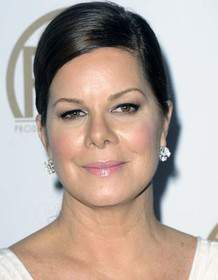
Lee Krasner (Marcia Gay Harden)
Played by Marcia Gay Harden
Pollock’s partner, later his wife and manager, who stabilizes him and shepherds his career within the shifting art world. She persuades him to marry, supports his rise, and navigates the pressures of fame while managing personal tensions, including his drinking and flirtations. Her dedication endures even as the relationship grows increasingly strained.
- 💪 Supportive
- 🧠 Strategic
- 💔 Complex
Where and When Is Pollock Set?
Pollock is set in New York City, Long Island, Connecticut and Venice (1940s-1956). Here is why the time and place matter to the story.
When
1940s-1956
The film spans the mid-20th century, tracing Pollock’s rise in the postwar American art world and his personal decline. It highlights pivotal moments such as his initial exhibits, a Life magazine feature around 1950, and the involvement of film and critics that shaped his fame. The narrative culminates with Pollock’s death in 1956, marking a swift arc from breakthrough to tragedy.
Where
New York City, Long Island, Connecticut, Venice
The story unfolds around a tiny New York City apartment where Pollock lives with his siblings, plunging into the city’s bustling 1940s-50s art scene. Key locations include Peggy Guggenheim’s New York townhouse and Pollock’s later Long Island home, illustrating the blend of intimate studio life and high-profile patronage. Connecticut serves as a backdrop to industrial work (gliders) and the pull of the draft, while a phone call from Lee places Venice into the narrative, signaling the far-reaching reach of their lives and careers.
- 🎨 Art world
- 🗽 New York backdrop
- 🏡 Domestic life
- 🚗 Travel & movement
What Are the Themes of Pollock?
3 ideas the story keeps returning to, among them Artistic Integrity, Alcohol & Self-Destruction and Relationships & Conflict.
-
01
Artistic Integrity
Pollock clings to his raw, improvisational drip technique despite pressure to commercialize. The film frames his refusal to alter his painting for marketable appeal, highlighting the clash between personal vision and financial expectations. This tension drives much of the drama, showing how true creative impulse can resist patronage and publicity.
-
02
Alcohol & Self-Destruction
Alcoholism is a persistent force in Pollock’s life, fueling binges and affecting relationships and productivity. The narrative follows relapses that disrupt domestic life and professional momentum, underscoring how addiction can derail even extraordinary talent. The pattern of excess culminates in moments of crisis that redefine the artist’s trajectory.
-
03
Relationships & Conflict
Pollock’s marriage to Lee Krasner is built on partnership but strained by his indiscretions and reluctance to settle. The film charts his extramarital affair with Ruth Kligman and the resulting emotional toll on their union. These personal conflicts intersect with his artistic journey, illustrating how intimate life intertwines with creative life.
What Kind of Film Is Pollock?
Melancholic in tone, with steady pacing and a moderate story, going by the plot summary.
- Tone
- Melancholic
- Pacing
- Steady
- Story
- Moderate
- Intensity
- High
- Ending
- Sad
A heavy and melancholic portrait of a tormented artist, charting his passionate creative bursts against a backdrop of self-destructive alcoholism and turbulent relationships, culminating in an isolating and tragic end.
- self-destructive
- tormented
- turbulent
- isolating
- somber
- passionate
- artist biography
- creative genius
- alcoholism
- marital strife
Content notes: alcoholism, fatal car accident, marital infidelity.
Quiz
How well do you remember Pollock? Test yourself on the story.