
Pollock (2000): Cast, Ratings, Box Office & Plot
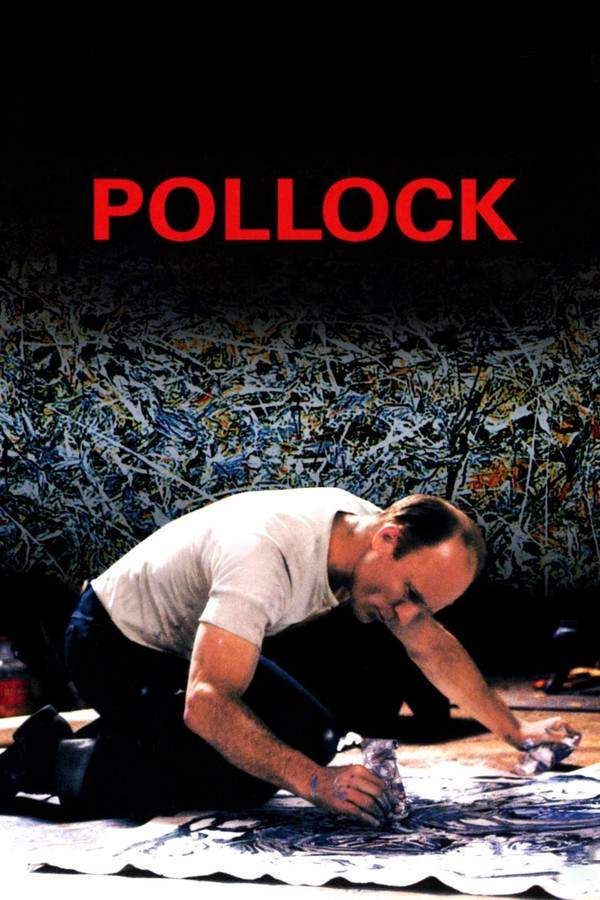
Pollock is a 2000 biographical drama starring Ed Harris and Marcia Gay Harden. It runs 2 hours 2 minutes and earned $11 million worldwide. It won 1 Oscar, including Actress in a Supporting Role. Critics gave it 77 on Metacritic, and IMDb users rate it 7.0/10.
- Released
- Runtime
- 2h 2m (122 min)
- Original language
-
 English
 - Studio
- Sony Pictures Classics
- After the credits
- No No extra scene
What Is Pollock About?
The premise of Pollock without spoilers. The whole story is in the plot summary further down.
This biographical drama explores the life of Jackson Pollock, the celebrated and enigmatic painter. As his fame grew, so did the scrutiny of his complex personality and the struggles he faced. The film portrays his journey as he grappled with self-doubt, creative expression, and a growing sense of isolation, revealing the contradictions inherent in both his artistic genius and personal life.
Pollock Themes & Keywords
· 50 tags- painter
- artist
- painting
- year 1950
- posing for a photograph
- snow
- year 1947
- year 1945
- pulitzer prize source
- character name as title
- artistic creation
- man in a bed
+38 more Show fewer
- man wears eyeglasses
- woman wears eyeglasses
- passion
- photography
- american
- bare chested man
- marital infidelity
- winter the season
- drunkenness
- tragedy drama
- unfaithfulness
- female artist
- hunger for praise
- europe
- self doubt
- extramarital affair
- year 1956
- sacrifice
- climbing five flights of stairs
- abstract expressioist painter
- party
- pragmatic woman
- respite
- car accident
- urinating in a fireplce
- frustration
- destroying one's talent
- drink
- anger
- anxiety
- one man art show
- art of this century gallery
- man urinates
- suffering
- brutality
- selflessness
- woman refuses to have chldren
- despair
Pollock Cast
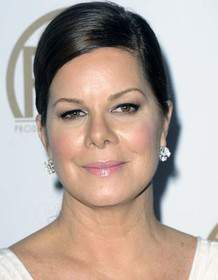
Ed Harris leads the cast, with Marcia Gay Harden.

Pollock Reviews & Ratings
Critics gave Pollock 77 on Metacritic, and IMDb users rate it 7.0/10.
-
 IMDb
IMDb 7.0 /10
See on IMDb -
 Metacritic
 77 Metascore
User score 7.0
See on Metacritic -
 TMDB
TMDB 67% User score
See on TMDB
Pollock Plot Summary
What happens in Pollock from start to finish, spoilers included, with a timeline of 15 key events. The opening is below; the full summary is a 3-minute read.
Spoilers ahead
Pollock, played by Ed Harris, is a restless abstract expressionist painter navigating the New York art scene in the 1940s, showing his work in occasional group exhibitions while trying to find a path that suits his impulsive style.
He shares a cramped apartment in New York City with his brother Sande and sister-in-law Arloie, and as Arloie prepares for a new baby, Pollock decides to move out on her behalf. Soon after, he encounters the gifted artist Lee Krasner, Marcia Gay Harden, whose presence and support begin to change the direction of his life. Pollock’s brother Sande has left for Connecticut to work building military gliders to avoid the draft, a move that underscores the tensions and compromises of the era.
Full summary
The whole story of Pollock, scene by scene
Pollock Box Office
Pollock grossed $11 million worldwide. $8.6 million came from the US and Canada and $2.4 million (22%) from the rest of the world.
Worldwide gross
$11M
- US & Canada
- $8.6M
- International
- $2.4M
Pollock Awards & Nominations
Pollock won 1 Oscar, including Actress in a Supporting Role. Its biggest night was the Oscars 2001, with 1 win from 2 nominations.
1 win3 nominations2 ceremonies
-
 Oscars 2001 1 win · 2 nominations
- Won Actress in a Supporting Role – Marcia Gay Harden
- Nominated Actor in a Leading Role – Neil Patrick Harris
-
 Spirit Awards 2001 1 nomination
- Nominated Best Supporting Female – Marcia Gay Harden
Pollock Trailers & Videos
2 videos: 1 trailer and 1 featurette.
- Featurette Marcia Gay Harden winning Best Supporting Actress
How Well Do You Know Pollock?
10 questions about the story, each with a hint if you get stuck. Pick an answer to see whether you were right.
Question 1 of 10
- Question 1: not answered
- Question 2: not answered
- Question 3: not answered
- Question 4: not answered
- Question 5: not answered
- Question 6: not answered
- Question 7: not answered
- Question 8: not answered
- Question 9: not answered
- Question 10: not answered
Which actor portrays Jackson Pollock in the film?
Cars in Pollock
20 cars on screen, including the 1947 Cadillac Series 62 Convertible and the 1949 Buick Roadmaster.
-
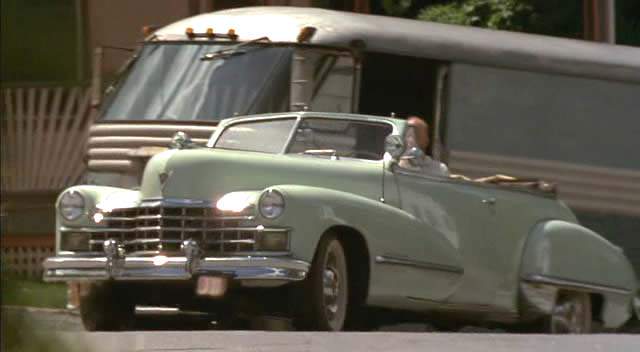 1947 Cadillac Series 62 Convertible Main role
 -
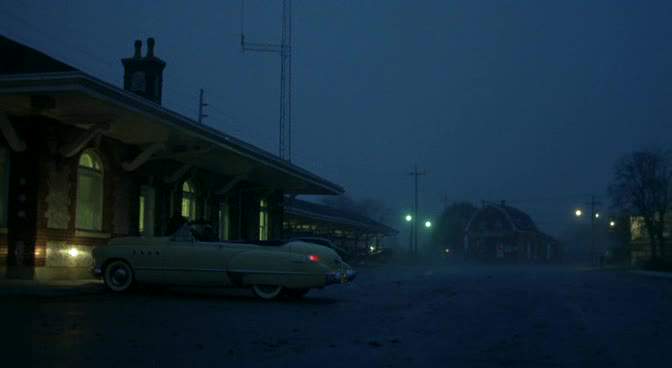 1949 Buick Roadmaster Minor role
 -
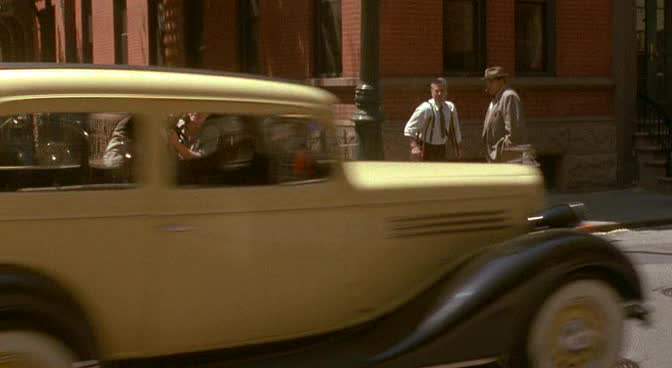 1934 Buick Series 40 Minor role
 -
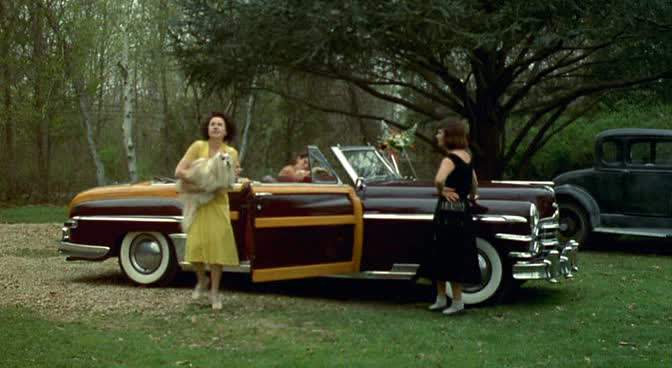 1949 Chrysler Town & Country Minor role
Pollock Also Known As
9 alternative titles, including “폴락” and “Pollock. La vida de un creador”.
- Also known as
-
- 폴락
- Pollock. La vida de un creador
- פולוק
- 波洛克
- Поллок
- Полок
- Pollock: La vida de un creador
- ポロック 2人だけのアトリエ, პოლოკი
- Pollock: La vida d’un creador
Seen Pollock?
Movies Like Pollock
Films with a similar story, tone or audience, including Jackson Pollock 51, Jackson Pollock: Love and Death on Long Island and Who the #$&% Is Jackson Pollock?.
-
 Jackson Pollock 51 1951
 -
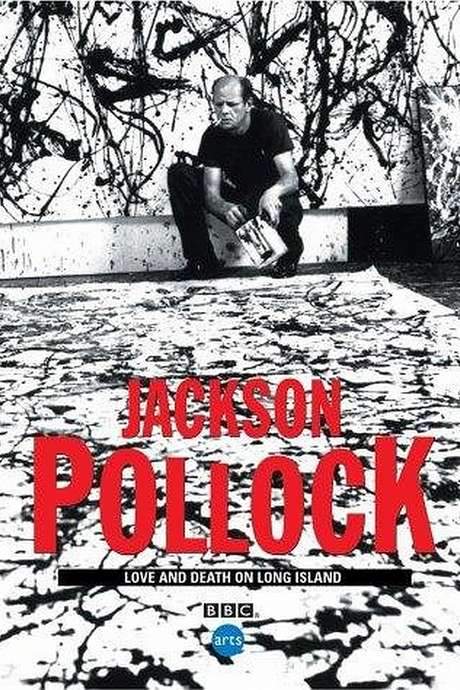 Jackson Pollock: Love and Death on Long Island 1999
 -
 Who the #$&% Is Jackson Pollock? 2006
 -
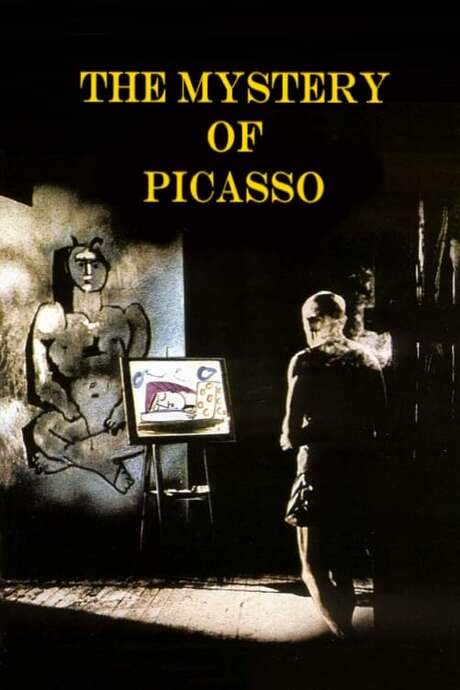 The Mystery of Picasso 1956
 -
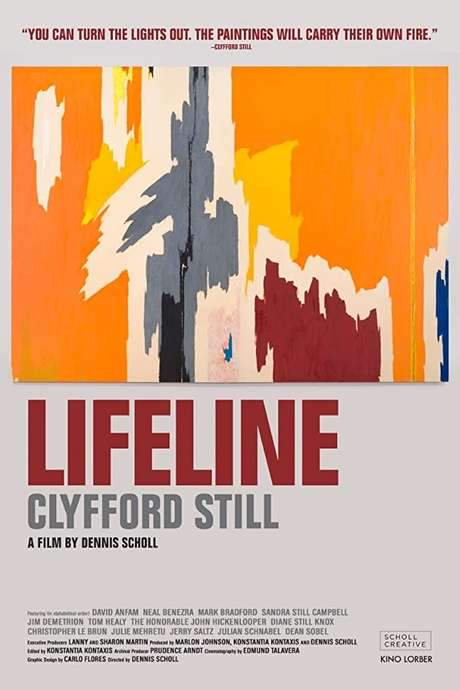 Lifeline: Clyfford Still 2019
 -
 Roman Polanski: Odd Man Out 2013
 -
 Big Eyes 2014
 -
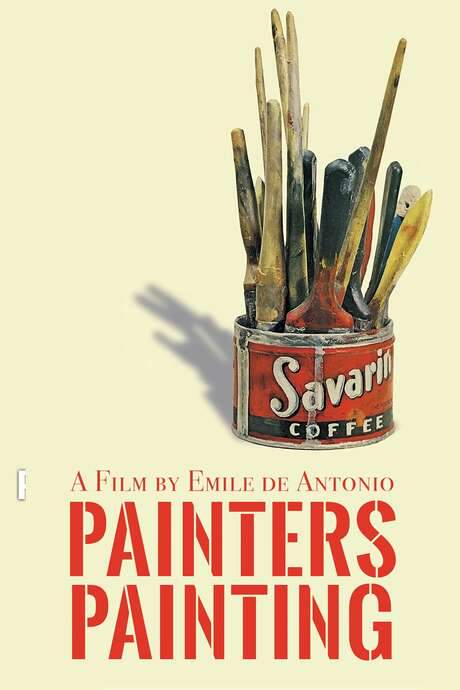 Painters Painting 1973
 -
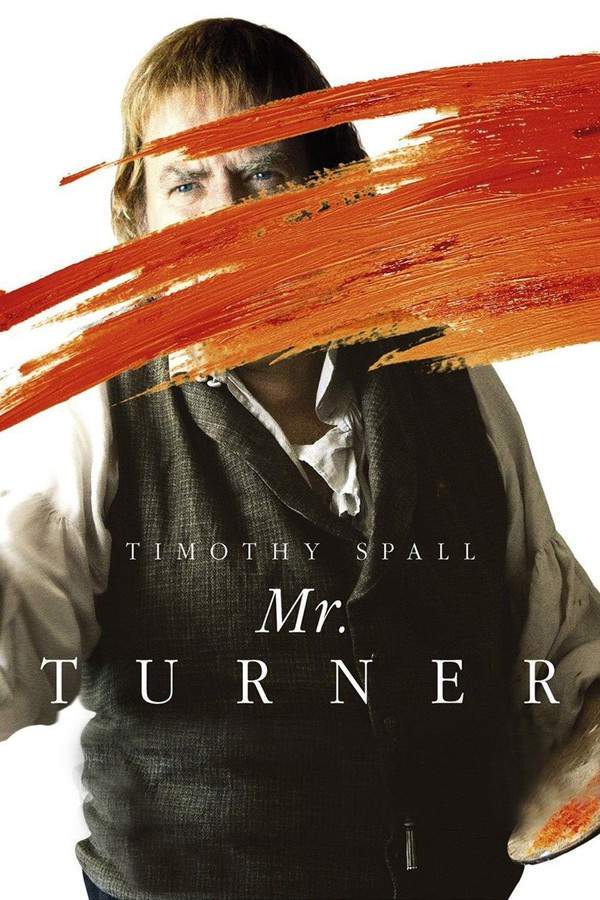 Mr. Turner 2014
 -
 The Painter Sam Francis 2009
 -
 The Painter and the Thief 2020
 -
 Peggy Guggenheim: Art Addict 2015
Pollock FAQ: Cast, Box Office & Awards
Runtime, release date, cast, box office, ratings, awards and post-credit scenes of Pollock, each answered in a sentence.
How long is Pollock?
Pollock runs 2 hours 2 minutes (122 minutes).
When was Pollock released?
Pollock was released on December 15, 2000.
Who is in the cast of Pollock?
Pollock stars Ed Harris and Marcia Gay Harden.
How much did Pollock make at the box office?
Pollock grossed $11 million worldwide ($8.6 million domestic, $2.4 million international).
How is Pollock rated?
Pollock has 7.0/10 on IMDb, 77 on Metacritic and 67% on TMDB.
What awards did Pollock win?
Pollock won 1 award from 3 nominations, including Actress in a Supporting Role at the Oscars 2001.
Does Pollock have a post-credit scene?
No. Pollock has no extra scene during or after the credits.
Coming soon to your phone
The Plot Explained Movie Summary App
From blockbusters to hidden gems: plot summaries, endings explained and timelines on your phone. Save your favorites and never miss a twist again.
Be the first to know when it launches. Your email stays private, always. Learn more about the app
