What Is Grey Gardens About?
The premise of Grey Gardens in 287 words, with nothing given away. The full story follows below.
In the gilded world of 1940s New York high society, two women once celebrated as debutantes on Park Avenue retreat to a once‑stately Long Island estate known as Grey Gardens. The film opens on this secluded sanctuary, a place where faded grandeur meets the wildness of untended gardens, stray cats, and the quiet hum of a life set apart from the city’s relentless glitter. The setting itself feels like a character, its decaying splendor hinting at both comfort and confinement, inviting the viewer to linger in its lingering perfume of lavender and dust.
At the heart of the story are the matriarchal duo of Big Edie and Little Edie, cousins of the iconic Jackie Onassis and bound by a lineage of elegance that now collides with a stubborn desire for independence. Big Edie carries the weight of aristocratic pride, her demeanor a blend of defiance and refined poise, while Little Edie balances yearning for artistic escape with a deep, if complicated, loyalty to her mother’s world. Their relationship crackles with quirky rituals, sharp wit, and an undercurrent of unspoken affection, painting a portrait of two people who are simultaneously anchored to and estranged from the expectations that shaped them.
The tone is patient and observational, allowing small moments—an off‑key song, a careful sorting of heirlooms, a quiet conversation across a kitchen table—to reveal the complexity of their bond. The film’s style echoes a gentle documentary intimacy, inviting the audience to watch the sisters’ lives unfold without judgment, as the subtle shifts in their environment echo the quiet tensions within. In this delicate dance between memory and reality, the story beckons viewers to contemplate the alluring yet fragile line between preserving one’s legacy and forging a new path.
What Happens in Grey Gardens?
The complete story of Grey Gardens, from the first scene to the last, in 686 words (about 3 minutes). Spoilers throughout.
Spoilers ahead
Grey Gardens unfolds as a humane, patient study of two women steady in their quirks and stubbornness, Edith Bouvier Beale and her daughter Edith Bouvier Beale—known as Big Edie [Jessica Lange] and Little Edie [Drew Barrymore]—who were once tied to New York City’s high society and are now living quietly at their Long Island home, Grey Gardens. The film treats their life with a calm, observational tone, letting small moments reveal the complexity of loyalty, memory, and independence.
The narrative moves with a series of reflective flashbacks that chart how the family came to inhabit the estate. Phelan Beale, Big Edie’s husband and the father of Little Edie, ultimately divorces, and the film captures the shifts this creates in the sisters’ world. Little Edie pursues ambitions in acting and a romance with a famous, married man, Julius “Cap” Krug [Daniel Baldwin], while her father cautions that she must find a husband to support the lifestyle they’ve maintained. The mood is both intimate and gently disquieting as Little Edie imagines a different life, even as the practicalities of money and status press in from outside.
As years pass, the two women—proud and protective of their autonomy—face the hard reality that the house is financially and physically in decline. After Phelan’s death, their sons urge Big Edie to downsize or move to Florida, but she stubbornly insists that the house is in her name and that she will leave only with death. What follows is a slow, inexorable retreat into isolation: Grey Gardens becomes a sanctuary and a trap, a place of stray cats, raccoons, and heaps of belongings that deepen the sense of decay while sharpening the characters’ idiosyncrasies.
Into this already fragile world, Jackie Kennedy’s sister Lee Radziwill steps in to fund a cleanup and restoration, and the film introduces documentarians who will forever change the Beales’ story. The independent filmmakers Albert and David Maysles [Arye Gross] and [Louis Ferreira] introduce themselves, capturing the family in a way that feels almost uncomfortably intimate. When Radziwill’s involvement wanes, the Maysles press on, choosing Big Edie and Little Edie as the most compelling threads in their footage and deciding to make a film about them. The result is a meta-narrative as Grey Gardens is born from the process of filmmaking itself, not just the lives it documents.
The documentary-style sequences reveal the contrasts between the two women: Big Edie’s pride and defiance, and Little Edie’s yearning for a different destiny. As the film inside the film progresses, the tension between power, control, and affection comes to the fore. The moments of hostility between mother and daughter give way to tenderness, and the sisters’ bond ultimately surfaces as their most enduring connection. The film ends with a poignant reconciliation—the moment when Big Edie grants her blessing for Little Edie to attend the premiere of the documentary, even passing along sentimental mementos, including her wedding earrings and necklace, as a symbolic gesture of faith in a future the two may still share.
When Little Edie steps onto the Reno Sweeney stage in Greenwich Village to sing “Tea for Two,” the scene becomes a bittersweet affirmation of aspiration and memory. Backstage, the famous line springs to life in Big Edie’s voice as she answers a Times journalist with a mix of pride and humor: > No, Mr. Goodman, it’s all in the movie. The moment crystallizes the film’s core: the Beales’ lives are inseparable from the story the film tells, and the truth of their world remains both cherished and elusive.
The documentary closes with a final glimpse of resilience and defiance, punctuated by Little Edie’s soaring performance and the lingering sense that the Beales’ choices—whether seen as eccentric or admirable—have carved a lasting mark on the culture around them. The closing sentiment lingers as a quiet reminder of the line between providing a life and living one’s truth, a theme embodied in the closing image of Little Edie and her mother and summarized in her mother’s parting wisdom about the life they built together: a life that was, in its own way, priceless. > My mother gave me a truly priceless life.
Grey Gardens Timeline: Every Key Event in Order
15 key events in the order they happen, from “Move to Grey Gardens” to “Tea for Two finale”. 15 events name a place, across 6 locations.
- 1
Move to Grey Gardens
Big Edie and Little Edie establish residence at Grey Gardens, their Long Island estate, signaling a retreat from New York City society. The house, once a symbol of opulence, hints at neglect to come as the Beales settle in. The sisters assume ownership of the property and begin to shape its eccentric domestic life.
Where:Grey Gardens (Long Island)
- 2
Phelan Beale's divorce
Phelan Beale, the Beales' husband, divorces Big Edie, leaving her to navigate life with Little Edie mostly on her own. The separation loosens the family's traditional structure and foreshadows the estate's future troubles. This fracture sets the stage for the Beales' isolation at Grey Gardens.
Where:Grey Gardens
- 3
Little Edie moves to New York
Little Edie travels to New York to pursue an acting career and an ill-fated romance with Cap Krug. Her father pressures her to find a husband to support her lifestyle. The move marks a turning point where hope and pressure collide, pushing her toward a life with her mother rather than independence.
Where:New York
- 4
Father's demand to marry
Her father explicitly tells her she must find a husband to support her lifestyle, narrowing her dreams of independence. The advice underscores the social expectations that trap Little Edie. This moment foreshadows the tension between ambition and practicality that runs through the story.
Where:New York
- 5
Phelan dies; sale pressure
After Phelan's death, their two sons tell their mother that there is little money left and that she should sell Grey Gardens and move to Florida. Big Edie resists, clinging to the house as a symbol of status and memory. The financial pressure intensifies the looming eviction and decline.
Where:Grey Gardens
- 6
Big Edie refuses to leave
Big Edie proclaims that the house is in her name and that she will not leave it behind. The daughters' attempts to help clash with her pride, deepening the isolation of Grey Gardens. The decision seals the mansion's transition from family home to relic.
Where:Grey Gardens
- 7
Decline of Grey Gardens and eviction
The mansion becomes decrepit as stray animals and mountains of garbage accumulate, signaling decades of neglect. Suffolk County's health department arrives with a warrant to inspect the home and issues an eviction notice. The threat of eviction forces a confrontation between the Beales and the outside world.
Where:Grey Gardens
- 8
Jackie visits, funds cleanup
Jackie Kennedy Onassis visits Grey Gardens with her sister Lee Radziwill and is shocked by the conditions inside. They decide to help by paying for cleanup and restoration of the mansion. The intervention marks the turning point toward reclaiming some dignity for the Beales.
Where:Grey Gardens
- 9
Maysles introduced; decision to film
During one of Radziwill's trips, the Maysles are introduced to Big and Little Edie. They express interest in documenting their lives for a film. A year later, they return, convinced that the Beales are the most compelling subjects.
When:a year later Where:Grey Gardens
- 10
Filming begins
The Maysles begin filming, capturing intimate scenes of the sisters in their decaying home. The documentary follows the women as they navigate memory, pride, and eccentric routines. The project transforms their lives from private to cinema history.
When:during filming Where:Grey Gardens
Show the other 5 events of Grey Gardens Hide the last 5 events
- 11
Premiere looming; mother/daughter fight
Little Edie plans to attend the premiere of the documentary, insisting on being part of the event. Big Edie discourages her out of spite, leading to a heated quarrel that features their fraught relationship. The moment underscores the tension between mother and daughter.
Where:New York City
- 12
Reconciliation and gift
After the confrontation, Big Edie reconciles with Little Edie, giving her blessing to attend the premiere. She also passes along her wedding earrings and necklace to wear, signaling a final act of generosity. The moment redeems their bond and sets the stage for the film's culmination.
Where:Grey Gardens
- 13
Premiere and standing ovation
Little Edie attends the premiere and receives a standing ovation from the audience. The film's success brings attention back to the Beales and their strange saga. Big Edie learns of the reception through the events that unfold around the premiere.
When:premiere night Where:New York City
- 14
Big Edie's NYT remark
Back at Grey Gardens, Walter Goodman of the New York Times asks for a comment about the Maysles film. Big Edie responds, 'No, Mr. Goodman, it's all in the movie,' then hangs up the phone. The moment captures her pride and sly wit.
Where:New York City / Grey Gardens
- 15
Tea for Two finale
The film ends with Little Edie performing Tea for Two at the Reno Sweeney cabaret in Greenwich Village. She delivers the line 'My mother gave me a truly priceless life,' encapsulating the film's bittersweet message. The closing scene emphasizes Little Edie's enduring resolve.
When:end of film Where:Greenwich Village
Who Are the Main Characters in Grey Gardens?
8 characters, among them Little Edie Beale, Big Edie Beale and Jacqueline Kennedy: who each one is and the part they play in the story. Every profile links to the actor’s page.
-
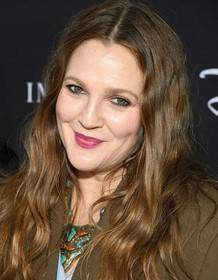
Little Edie Beale
Played by Drew Barrymore
Edith Bouvier Beale's daughter, a restless dreamer who travels to New York to seek acting work and romance. She yearns for a life beyond Grey Gardens but is pulled back by familial duty and limited means. Her wit and style stand out amid the stagnation, yet she remains bound to her mother and the mansion. Her arc culminates in a decision to pursue her art while navigating personal constraints.
- 👗 fashion
- 🎭 performance
- 🧭 ambition
-
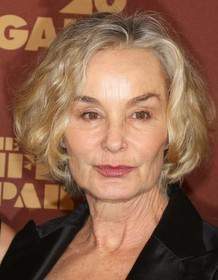
Big Edie Beale
Played by Jessica Lange
Edith Bouvier Beale, Big Edie, a proud matriarch who once moved in high society circles. She resists leaving Grey Gardens, clinging to status and control, even as the house decays around her. Her charisma and stubborn pride mask vulnerability and a fear of letting go. She ultimately shows a moment of reconciliation with her daughter before the story closes.
- 👑 status
- 🧵 stubbornness
- 🐾 care
-
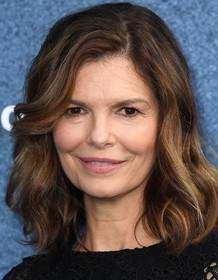
Jacqueline Kennedy
Played by Jeanne Tripplehorn
Jackie visits Grey Gardens and is shocked by its condition, but she also lends support to the cleanup effort. Her presence underscores the fall from grace of a once-elite family and adds a real-world connection to history. Her interactions reveal a mix of compassion and distance toward the Beales' eccentric world.
- 🌟 influence
- 🏛️ society
- 🧹 support
- PB
Phelan Beale
Played by Ken Howard
Husband to Big Edie and father to Little Edie, Phelan Beale represents a patriarchal figure who ultimately divorces, fueling financial strain on the family. His departure marks a turning point that accelerates the Beales' withdrawal from public life. His role frames the collapse of the family’s finances and stability.
- 💼 finance
- 💔 divorce
- 🧭 legacy
- J'
Julius 'Cap' Krug
Played by Daniel Baldwin
A married man who becomes involved with Little Edie, representing a fickle romance that highlights the personal costs of ambition and desire. The relationship underscores the tension between longing and social propriety. It also reinforces Little Edie's sense of constrained possibility.
- 💘 romance
- 🕰️ longing
- 🎭 society
-

Albert Maysles
Played by Arye Gross
One of the documentary filmmakers (with his brother) who decides to film Big and Little Edie, turning their lives into Grey Gardens. He frames their world with curiosity and respect, while the camera gradually reveals the limits and dignity of their situation. His perspective shapes how the audience understands the Beales’ story.
- 🎬 director
- 🧭 perspective
- 📽️ cinema
- DM
David Maysles
Played by Louis Ferreira
Co-director and producer of the Grey Gardens project, he collaborates closely with Albert to document the Beales. His work captures intimate moments and the evolving relationship between mother and daughter. Through his lens, the Beales' life becomes a historic cinematic artifact.
- 🎬 collaborator
- 🧭 lens
- 🕯️ documentary
- LR
Lee Radziwill
Played by Catherine Marie Thomas
Jackie Kennedy's sister, who steps in to help fund cleanup and restoration after visiting Grey Gardens. Her involvement marks a significant intervention from New York's social circle. She embodies a link between the Beales' past prominence and the effort to salvage their legacy.
- 🤝 influence
- 🏛️ society
- 💪 intervention
Where and When Is Grey Gardens Set?
Grey Gardens is set in Grey Gardens estate, Long Island and New York (1940s–1970s). Here is why the time and place matter to the story.
When
1940s–1970s
The narrative unfolds across several decades of the mid-20th century, tracing how wealth and status fade while the family clings to Grey Gardens. It details shifts in lifestyle, money pressures, and the eventual intervention to salvage what remains. The events culminate around the 1970s when outside professionals document and attempt to restore the estate.
Where
Grey Gardens estate, Long Island, New York
Grey Gardens sits on a derelict Long Island estate, once part of New York City's high society, now renowned for its neglected condition. The mansion is crowded with stray animals and mountains of clutter, embodying the decline of its former glamour. The location itself becomes a central character, shaping the Beale women's isolation and daily life.
- 🏚️ Decay
- 🏰 Estate
- 🐾 Animals
- 🗺️ Suffolk County
What Are the Themes of Grey Gardens?
3 ideas the story keeps returning to, among them Decline, Mother-Daughter and Documentary.
-
01
Decline
The Beales' once-glamorous life collapses into a decaying reality. The film portrays how wealth, status, and a bustling social world can erode when confronted with time, neglect, and financial strain. The mansion's physical deterioration mirrors the erosion of a high-society era. In this decline, quirks and resilience emerge, redefining what remains valuable.
-
02
Mother-Daughter
Big Edie and Little Edie share a complex, intimate bond defined by dependence and control. Little Edie longs for independence and a life beyond Grey Gardens, while Big Edie clings to her status and to her daughter as a companion. Their dynamics swing between friction and fierce loyalty, culminating in a poignant realization about choices and freedom. The relationship anchors the film's emotional core.
-
03
Documentary
The film documents the lives of the Beales through the lens of Albert and David Maysles, turning their private world into cinema. The making of Grey Gardens reveals how documentary truth can illuminate, complicate, or romanticize its subjects. As the camera captures intimate details, the Beales become both subjects and commentators of their own story. The meta-story adds a layer about art influencing memory.
What Kind of Film Is Grey Gardens?
Melancholic in tone, with slow pacing and a moderate story, going by the plot summary.
- Tone
- Melancholic
- Pacing
- Slow
- Story
- Moderate
- Intensity
- Medium
- Ending
- Bittersweet
A patient, melancholic character study that feels intimately claustrophobic, exploring the eccentric bond between two women in their decaying home with a tone of quiet sadness and resilient defiance.
- melancholic
- claustrophobic
- nostalgic
- intimate
- defiant
- eccentric
- mother-daughter relationship
- social decline
- isolation
- memory
Content notes: mental decline, extreme isolation.
Quiz
How well do you remember Grey Gardens? Test yourself on the story.