What Is Eleanor the Great About?
The premise of Eleanor the Great in 292 words, with nothing given away. The full story and the ending follow below.
In the gentle bustle of New York City, a non‑agenarian named Eleanor embarks on a new chapter, leaving the sun‑soaked calm of Florida for the cramped apartments and hurried streets of Manhattan. She arrives to stay with her daughter Lisa and grandson Max, whose lives swirl around work, school, and the endless rhythm of the city, leaving little room for the quiet routines that once anchored her. The move promises fresh possibilities, yet the echo of decades lived together with her late friend and roommate, Bessie, still lingers in Eleanor’s thoughts, shaping a sense of both loss and lingering hope.
Seeking a foothold in her unfamiliar surroundings, Eleanor is gently guided to a local Jewish Community Center, a place where seniors gather, stories are exchanged, and the air carries the faint hum of shared histories. Amid the hallways of this welcoming hub, she stumbles into a support group of Holocaust survivors—a gathering that feels oddly resonant. It is here that she first crosses paths with Nina, a 19‑year‑old journalism student navigating her own grief after the recent passing of her mother. Their ages could not be farther apart, yet an unexpected curiosity sparks between them, rooted in a mutual yearning for connection and understanding.
The film unfolds with a quiet, observant tone, blending the soft melancholy of an elder confronting isolation with the restless energy of youth seeking meaning. Roger, a seasoned television newscaster and Nina’s father, lingers in the background, his own quiet sorrow hinting at deeper undercurrents that may intersect with Eleanor’s journey. As the city’s neon lights flicker against the night sky, the story invites viewers to contemplate how strangers across generations can bridge the gaps of time, grief, and memory, finding companionship in the most unlikely of places.
What Happens in Eleanor the Great?
The complete story of Eleanor the Great, from the first scene to the last, in 441 words (about 2 minutes). Spoilers throughout. Names in the text link to 6 cast member pages.
Spoilers ahead
After the death of Bessie, her best friend and roommate of twelve years, Eleanor Morgenstein, June Squibb leaves Florida and moves to New York City to live with her daughter Lisa and grandson Max. Feeling sidelined by her busy family, Eleanor finds herself adrift when Lisa drops her off at the local Jewish Community Center.
At the center, a simple misunderstanding leads her to wander into a Holocaust survivors’ support group. Rather than correct the mistake, she begins recounting Bessie’s harrowing story of surviving the Holocaust as if it were her own — a quiet, aching gesture to honor her friend’s memory while filling the void of loneliness and seeking a sense of belonging. Her fabricated history quietly pulls people in, offering Eleanor a fragile sense of connection.
That story captures the attention of Nina Davis, a grieving journalism student who has recently lost her mother. The two form an unlikely and genuine friendship, with Nina eventually incorporating Eleanor’s “survivor testimony” into a class project. What starts as a coping mechanism becomes a real bond, colored by shared grief and memory.
Nina Davis’s father, Roger, Chiwetel Ejiofor, a local television newscaster who is himself struggling to process his wife’s death and connect with his daughter, decides to broadcast Eleanor’s story — though distressed, Eleanor agrees to it. The public airing ratchets up the stakes and tests loyalties within the family and the survivor community.
The unraveling begins when Lisa discovers the deception during filming, leaving a trail of damage: public humiliation for Eleanor’s family, a sense of betrayal among the survivors who welcomed her, and a rupture in her bond with Nina. Truth surfaces, and the façade starts to crack, reshaping every relationship that formed around it. Lisa, Lisa, struggles with how to weigh grace against harm as the fallout spreads.
Eleanor ultimately agrees to move to a care home, a decision she had resisted, hoping for quieter days ahead. Roger’s choice to air the story initially provokes Nina, who confronts him about his own grieving and his perceived neglect of her needs. But the broadcast shifts perspective, focusing on grief as a broader human experience, and the program is watched by Nina, Lisa and Eleanor.
In time, Eleanor finds new friends and begins to enjoy life at the care home. Nina and Lisa visit her, and on their way to lunch, Eleanor returns to the support group to offer a truthful account and to share Bessie’s story honestly. The film closes with a flashback of Eleanor and Bessie, with Bessie tearfully discussing survivor’s guilt and the realization that her life could be meaningful only if she shared it with Eleanor.
Eleanor the Great Timeline: Every Key Event in Order
13 key events in the order they happen, from “Eleanor relocates to New York after Bessie's death” to “Final flashback of Eleanor and Bessie”. 13 events name a place, across 10 locations.
- 1
Eleanor relocates to New York after Bessie's death
Following the death of her best friend Bessie, 94-year-old Eleanor Morgenstein leaves Florida and moves in with her daughter Lisa and grandson Max in New York City. She feels sidelined by her busy family and unsure how to fill the void left by Bessie's absence. The move sets the stage for a new social world that will challenge her sense of identity.
When:Immediately after Bessie's death Where:New York City
- 2
Eleanor stumbles into a Holocaust survivors support group
At the local Jewish Community Center she attends what she believes is a regular meeting, but it's a support group for Holocaust survivors. Through a misunderstanding she remains uncorrected and goes along with telling stories. She begins using Bessie's experiences as if they were hers, seeking connection and purpose.
When:Shortly after moving to NYC Where:Jewish Community Center
- 3
Eleanor fabricates Bessie's survivor story as her own
To honor Bessie's memory and ease her loneliness, Eleanor recounts Bessie's Holocaust survival as if it were her own life. The story attracts the group and others who want to hear more. Her deception deepens as she continues presenting this fabricated history in each meeting.
When:Within the first weeks Where:Jewish Community Center
- 4
Nina Davis befriends Eleanor
Nina Davis, a grieving journalism student who has recently lost her mother, is drawn to Eleanor's story. She senses authenticity beneath the surface and forms an unexpected friendship. Nina's interest grows into a desire to understand the emotional truth behind Eleanor's survivor testimony.
When:Shortly after the deception begins Where:Support group
- 5
Nina begins incorporating Eleanor's testimony into a class project
Nina decides to use the narrative as part of a class project, blurring lines between truth and storytelling. The project gives Eleanor a platform and a voice, while also increasing the risk of exposure. The friendship deepens as Nina seeks to understand the grief behind the survivor's story.
When:During the class project Where:Nina's classroom
- 6
Roger decides to broadcast Eleanor's story on TV
Roger, a local television newscaster who is grieving his wife's death, sees potential in the story to connect with viewers. He resolves to broadcast Eleanor's account, despite Eleanor's distress at sharing a lie publicly. The plan escalates as the media coverage looms.
When:Around the time filming begins Where:Local TV studio
- 7
Lisa discovers the deception during filming
During filming, Lisa discovers that the survivor narrative is not Eleanor's and confronts her mother about the deception. The revelation shatters the perception of Eleanor's tale and triggers public humiliation for the Morgenstein family. The fallout strains relationships with the survivors who welcomed her and with Nina.
When:During filming Where:Filming location / home
- 8
Eleanor moves toward a care home
The fallout leads to Eleanor deciding to move into a care home, a choice she had long resisted. The move provides a social community but also forces her to confront the consequences of her deception and her loneliness without Bessie. The transition marks a significant turning point in the story.
When:After the conflict Where:Care home
- 9
Broadcast shifts to grief and reconciliation begins
Roger reframes the broadcast to focus on grief and healing, including his own losses. This shift allows Nina, Lisa, and Eleanor to reassess their relationships and begin reconciling their hurt. The revised program reaches the people who matter and starts rebuilding trust.
When:Post-broadcast Where:Television broadcast / living room
- 10
Reconciliation with Nina and Lisa; Roger with Nina
Following the broadcast, Eleanor reconciles with Nina and Lisa, while Roger begins to rebuild his relationship with Nina by acknowledging their shared grief. The family and friends learn to communicate honestly and forgive past hurts. The bonds tighten as they move forward together.
When:After the broadcast Where:New York City home / studio
Show the other 3 events of Eleanor the Great Hide the last 3 events
- 11
Eleanor forms new friendships in the care home
In the care home, Eleanor starts forming new friendships and discovers a sense of belonging she had not felt in years. She enjoys a more connected daily routine and the companionship that the facility provides. The experience marks a shift from hiding her past to engaging with others.
When:During the early weeks in care home Where:Care home
- 12
Eleanor returns to the support group to tell the truth
On her way to lunch with Nina and Lisa, Eleanor returns to the support group to apologize and share Bessie's story truthfully. She acknowledges the harm caused by her deception and seeks forgiveness from the survivors. This act of honesty signals a new chapter in her life.
When:Near the end Where:Support group
- 13
Final flashback of Eleanor and Bessie
The film ends with a flashback of Eleanor and Bessie, where Bessie speaks about surviving and the meaning she found in sharing her life with Eleanor. She articulates survivor's guilt yet reveals that the purpose was to connect with others, including Eleanor. The scene provides emotional closure and reinforces the themes of memory, belonging, and forgiveness.
When:Ending Where:Memory / Flashback
Who Are the Main Characters in Eleanor the Great?
6 characters, among them Eleanor Morgenstein (June Squibb), Lisa Morgenstein (Jessica Hecht) and Nina Davis (Erin Kellyman): who each one is and the part they play in the story. 5 of them link to the actor’s page.
-

Eleanor Morgenstein (June Squibb)
Played by June Squibb
A 94-year-old woman who feels sidelined by family and loneliness after Bessie’s death. She fabricates Bessie’s Holocaust survivor story to fill the void, seeking connection and meaning. Her deception sets off a chain of consequences that forces her to confront truth, forgiveness, and the limits of storytelling.
- 🕊️ Compassionate
- 💔 Grieving
- 🧭 Honest
- LM
Lisa Morgenstein (Jessica Hecht)
Played by Jessica Hecht
Eleanor’s daughter, busy with family life yet torn between caring for her mother and her own needs. She discovers the deception when filming, and her trust in her mother is shaken. Lisa’s feelings oscillate between anger and a longing to repair the family bonds.
- 🎭 Family
- 🧭 Protective
-

Nina Davis (Erin Kellyman)
Played by Erin Kellyman
A grieving journalism student who forms a genuine bond with Eleanor after hearing Bessie’s story. She uses Eleanor’s testimony for a class project, and her father’s response to broadcast further complicates their relationship. Nina’s empathy and ambition drive the story forward, even as she wrestles with the ethics of the project.
- 🗣️ Journalist
- 🕊️ Empathetic
-
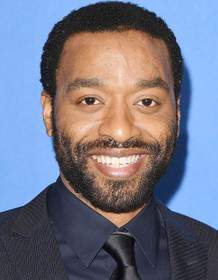
Roger Morgenstein (Chiwetel Ejiofor)
Played by Chiwetel Ejiofor
Nina’s father, a local television newscaster struggling with his wife’s death and his relationship with his daughter. He decides to air Eleanor’s story to shine light on grief and connect with viewers, triggering a moral dilemma about truth and responsibility.
- 🎬 Media
- 🧩 Family
- MM
Max Morgenstein (Will Price)
Played by Will Price
Eleanor’s grandson, who represents the younger generation and the push-pull between caring for an elder relative and pursuing his own life. He observes the evolving family dynamics as the deception unfolds and reconciliation begins.
- 👦 Family
- 🧭 Growth
- BM
Bessie Morgenstein
Eleanor’s late best friend and roommate whose memory drives the initial loneliness and the later deception. Bessie's survivor story becomes a stand-in for Eleanor’s need to belong and be seen.
- 💞 Friend
- 🕯️ Remembrance
Where and When Is Eleanor the Great Set?
Eleanor the Great is set in Florida and New York City (Present day with WWII flashbacks). Here is why the time and place matter to the story.
When
Present day with WWII flashbacks
The film unfolds in contemporary America, intercut with flashbacks that recount Bessie’s Holocaust survival. Modern scenes focus on grief, aging, and family dynamics, while historical memories provide emotional depth and context. This juxtaposition shows how the past continues to shape present relationships and choices.
Where
Florida, New York City
The story shifts from sunlit Florida to the crowded streets of New York City. Eleanor relocates to be near her daughter and grandson, navigating a new urban life after losing her longtime friend. Key settings like the local Jewish Community Center and the care home become hubs where memory, belonging, and community are explored.
- 🌴 Florida
- 🗽 New York City
What Are the Themes of Eleanor the Great?
3 ideas the story keeps returning to, among them Grief & Belonging, Truth vs. Fiction and Aging & Community.
-
01
Grief & Belonging
The film centers on the ache of loss and the search for connection. Eleanor’s loneliness after Bessie’s death drives her to fabricate a survivor’s tale, highlighting how grief can distort truth when used as a coping mechanism. Nina’s own grief mirrors Eleanor’s, and their bond becomes a fragile path toward belonging. Ultimately, care, honesty, and community offer a route to healing.
-
02
Truth vs. Fiction
Eleanor’s deception raises questions about memory, storytelling, and responsibility. The public revelation brings humiliation and hurt to those who trusted her, especially among survivors. Nina and Roger wrestle with the fallout while aiming to preserve the deeper message about grief. The narrative suggests that a compassionate truth can emerge from painful deception.
-
03
Aging & Community
Aging is presented as a social experience enriched by friendship and support. Eleanor finds new purpose and companionship in a care home, where relationships help redefine her sense of self. The supportive community around her fosters forgiveness and opportunities for reconciliation with family. The film posits that later life can be a time of renewal, not just decline.
How Does Eleanor the Great End?
The last act of Eleanor the Great and what it means, in 280 words. The ending lands as bittersweet. Big spoilers: read the plot summary first if you have not seen it.
The final act, in full
In the closing moments Eleanor finally finds a place where she belongs. After the scandal of her fabricated Holocaust testimony erupts, she leaves the Manhattan apartment and moves into senior housing, a setting that mirrors the quiet comfort she once shared with Bessie. Her daughter Lisa arrives with an unexpected guest—Nina, the NYU journalism student who had both championed and later rejected Eleanor’s story. Seeing Nina again, Eleanor offers a tentative apology; Nina, still raw from her mother’s death, listens and, recognizing the genuine grief behind the lie, chooses to forgive. Their reconciliation is simple but powerful: a shared scoop of ice cream and a quiet promise to stay in each other’s lives.
Eleanor then returns to the Holocaust survivors’ group, not to repeat the false narrative, but to own the truth. She publicly acknowledges that the harrowing account she told was Bessie’s, not her own, and thanks the group for keeping that memory alive. In a poignant parallel, the film cuts to a rabbi recounting the biblical tale of Jacob and Esau—Jacob’s deception to gain his father’s blessing—suggesting that not all falsehoods are born of malice. When Eleanor asks whether such deceptions can ever be justified, the rabbi answers that intention matters; a lie told out of love and mourning can become a kind of emotional poultice.
The final scene ties all these threads together: Eleanor, now at peace with herself, sits among her new peers, holding a photo of Bessie, while Lisa watches her mother smile. The film leaves us with the idea that stories, even when stitched from borrowed threads, can bridge the gaps between loss, memory, and connection—turning a personal lie into a shared, healing truth.
What Kind of Film Is Eleanor the Great?
Bittersweet in tone, with steady pacing and a moderate story, going by the plot summary.
- Tone
- Bittersweet
- Pacing
- Steady
- Story
- Moderate
- Intensity
- Medium
- Ending
- Bittersweet
A melancholic and reflective drama about an elderly woman's struggle with grief and loneliness, which explores the heavy legacy of trauma through a deceptive friendship that ultimately leads to a bittersweet and redemptive conclusion.
- melancholic
- reflective
- lonely
- hopeful
- intimate
- redemptive
- grief and loss
- friendship across generations
- holocaust survivor story
- family reconciliation
Content notes: holocaust references, grief and loss, public humiliation.
Quiz
How well do you remember Eleanor the Great? Test yourself on the story.