
What a Way to Go! (1964): Cast & Plot
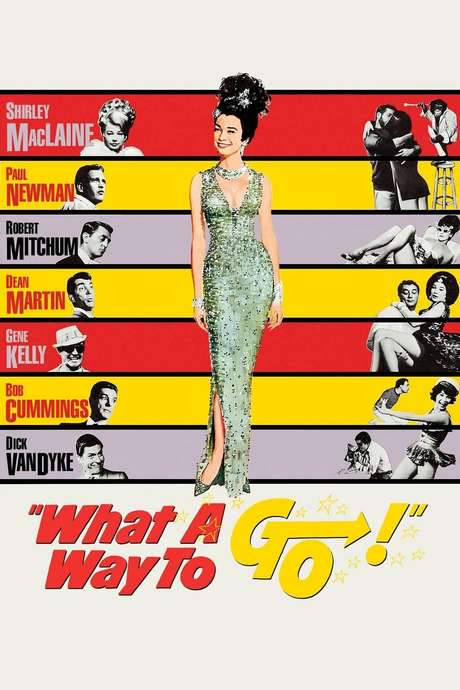
What a Way to Go! is a 1964 romantic comedy directed by J. Lee Thompson, starring Shirley MacLaine as Louisa May Foster, Robert Cummings and Marjorie Bennett. It runs 1 hour 51 minutes.
- Released
- Runtime
- 1h 51m (111 min)
- Director
- J. Lee Thompson
- Original language
-
 English
 - Studio
- APJAC Productions
- After the credits
- No No extra scene
What Is What a Way to Go! About?
The premise of What a Way to Go! without spoilers. The whole story is in the plot summary further down.
A four‑time widow recounts each marriage, noting how every husband became incredibly rich and then died prematurely, his drive for wealth sealing his fate. The narrative moves through lavish, humorous vignettes that contrast love and loss, showing how the pursuit of affluence repeatedly cost her companions their lives, while she alone survived to tell the story.
What a Way to Go! Themes & Keywords
· 50 tags- exclamation point in title
- punctuation in title
- husband wife relationship
- death of husband
- widow
- love
- nightclub
- taxi
- businessman
- money
- paris france
- bohemian
+38 more Show fewer
- curse
- millionaire
- internal revenue service
- told in flashback
- millionairess
- marriage
- chimpanzee
- diner
- janitor
- disguise
- painter
- small town
- singer
- wedding
- airplane
- dancer
- wealth
- christmas
- rowboat
- greed
- taxi driver
- painting
- record player
- inventor
- female protagonist
- diamond necklace
- france
- satire comedy
- bare chested man
- dark comedy
- last will and testament
- all star cast
- ensemble cast
- romantic comedy
- brunette
- psychiatrist
- reading of will
- reference to pablo picasso
What a Way to Go! Cast & Characters
Shirley MacLaine leads the cast as Louisa May Foster, with Robert Cummings as Dr. Victor Stephanson and Marjorie Bennett as Mrs. Freeman (uncredited). Directed by J. Lee Thompson; 53 actors are credited in all.
-
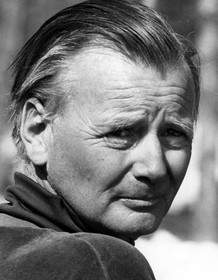 Director J. Lee Thompson
-
 Shirley MacLaine as Louisa May Foster
 - Robert Cummings as Dr. Victor Stephanson
-
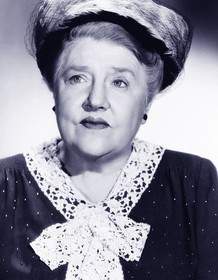 Marjorie Bennett as Mrs. Freeman (uncredited)
 - Margaret Dumont as Mrs. Foster
Also Starring in What a Way to Go!
· 49 more- Dick Van Dyke Edgar Hopper
- Dean Martin Leonard Crawley
- Pamelyn Ferdin Geraldine Crawley (age 4) (uncredited)
- William Corcoran Leonard Crawley Jr. (age 7) (uncredited)
- Jeff Fithian Jonathan Crawley (age 5) (uncredited)
- Paul Newman Larry Flint
- Robert Mitchum Rod Anderson Jr.
- Gene Kelly Pinky Benson
- Lenny Kent Hollywood Lawyer
- Teri Garr Shipboard Number Dancer (uncredited)
- Tom Conway Lord Kensington (uncredited)
- Joel Grey Patron (uncredited)
- Lynn Borden Woman (uncredited)
- Fred Aldrich Restaurant Patron (uncredited)
- Leon Alton Awards Ceremony Guest (uncredited)
- Barbara Bouchet Girl on Plane (uncredited)
Show all 53 cast members Show fewer cast members
- Roy Gordon Minister (uncredited)
- Eugene Borden Man (uncredited)
- Reginald Gardiner Painter
- Al Bain Restaurant Patron (uncredited)
- John Barton Farmer (uncredited)
- Maurice Marsac Rene
- Milton Frome Lawyer (uncredited)
- Paul Cristo Party Guest (uncredited)
- Phil Arnold Publicity and Press Agent (uncredited)
- John Cliff Waiter (uncredited)
- Don Anderson Awards Ceremony Guest (uncredited)
- Christopher Connelly Ned (uncredited)
- Wally Vernon Agent
- Anthony Eustrel Willard (uncredited)
- Nesdon Booth Restaurant Patron (uncredited)
- Army Archerd TV Announcer (uncredited)
- Fifi D'Orsay Baroness
- Fred Fisher Customer (uncredited)
- Paula Lane Movie Executive's Girl (uncredited)
- Al Beaudine Restaurant Patron (uncredited)
- Sid Gould Movie Executive (uncredited)
- Alphonso DuBois Frenchman (uncredited)
- Lou Nova Trentino
- Jane Wald Polly
- Mark Bailey Private Airline Pilot (uncredited)
- Peter Duchin Cocktail Party Pianist (uncredited)
- Roy Goldman Diner Customer (uncredited)
- Carol Daniels Bathing Beauty (uncredited)
- Jacques Foti Policeman (uncredited)
- James Elsegood Shipboard Number Dancer (uncredited)
- Anton Arnold Mr. Foster (uncredited)
- Joe Fithian Jonathan Crawley (age 5) (uncredited)
- Jack Greening Chester (uncredited)
What a Way to Go! Plot Summary
What happens in What a Way to Go! from start to finish, spoilers included, with a timeline of 15 key events. The opening is below; the full summary is a 4-minute read.
Spoilers ahead
Louisa May Foster, a black-clad widow, descends a pink staircase inside a pink mansion in a dream-like pre-credit sequence. She is followed by pallbearers carrying a pink coffin, which slips and drops as it slides down the stairs. Louisa clings to a desperate plan: to give her wealth—$211 million—to the U.S. government, a gesture the Internal Revenue Service initially treats as an April Fools’ joke. As she sobs to her unstable psychiatrist, Dr. Stephanson, Louisa’s memories unfold through a cascade of flashbacks and fantasy sequences, inviting the viewer to piece together the unusual chain of marriages and fortunes that have shaped her life.
Full summary
The whole story of What a Way to Go!, scene by scene
What a Way to Go! Trailers & Videos
The trailer of What a Way to Go!.
How Well Do You Know What a Way to Go!?
10 questions about the story, each with a hint if you get stuck. Pick an answer to see whether you were right.
Question 1 of 10
- Question 1: not answered
- Question 2: not answered
- Question 3: not answered
- Question 4: not answered
- Question 5: not answered
- Question 6: not answered
- Question 7: not answered
- Question 8: not answered
- Question 9: not answered
- Question 10: not answered
Who is the central character whose marriages and fortunes drive the story?
Cars in What a Way to Go!
26 cars on screen, including the 1957 Mercedes-Benz 300 SL Roadster W198 II and the 1947 ACF-Brill Model IC-41.
-
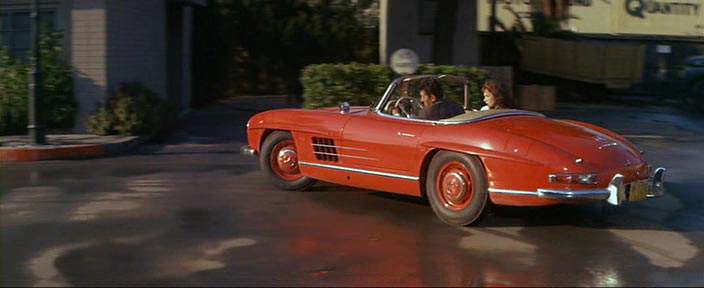 1957 Mercedes-Benz 300 SL Roadster W198 II Important role
 -
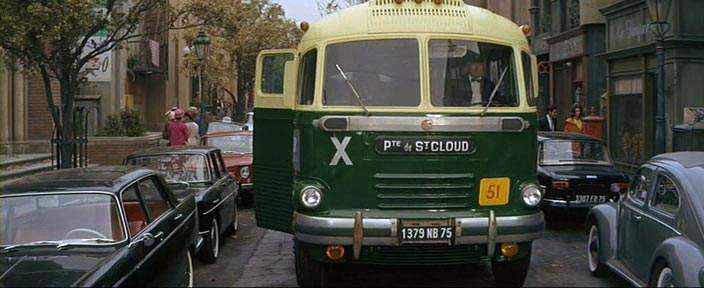 1947 ACF-Brill Model IC-41 Minor role
 -
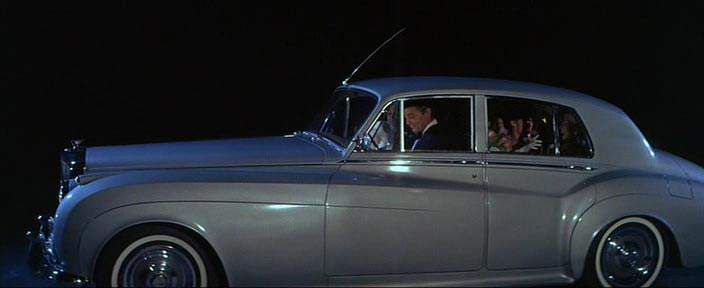 1960 Bentley S2 Minor role
 -
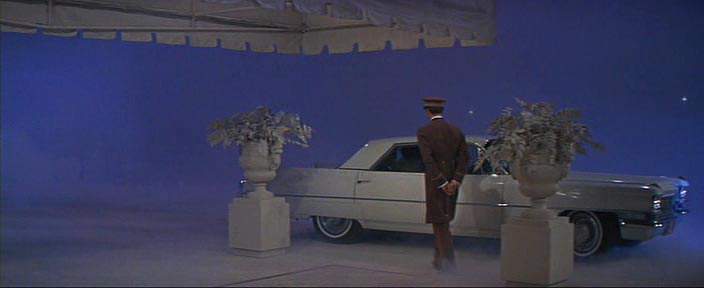 1963 Cadillac Sedan DeVille Minor role
What a Way to Go! Also Known As
14 alternative titles, including “La señora y sus maridos” and “Immer mit einem anderen”.
- Also known as
-
- La señora y sus maridos
- Immer mit einem anderen
- La signora e i suoi mariti
- Ella y sus maridos
- Madame Croque-maris
- Pięciu mężów pani Lizy
- Melyik úton járjak?
- 루이자의 선택
- Dolarová manželství
- Так держать!
- 旺夫魔女
- چه زندگی پرجنجالی
+2 more Show fewer
- A Senhora e Seus Maridos, რა გზით წავიდე
- Drömbrud för sex
Seen What a Way to Go!?
Movies Like What a Way to Go!
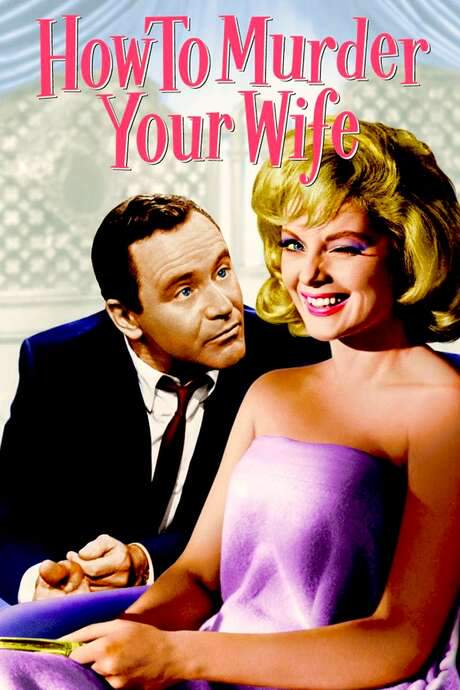
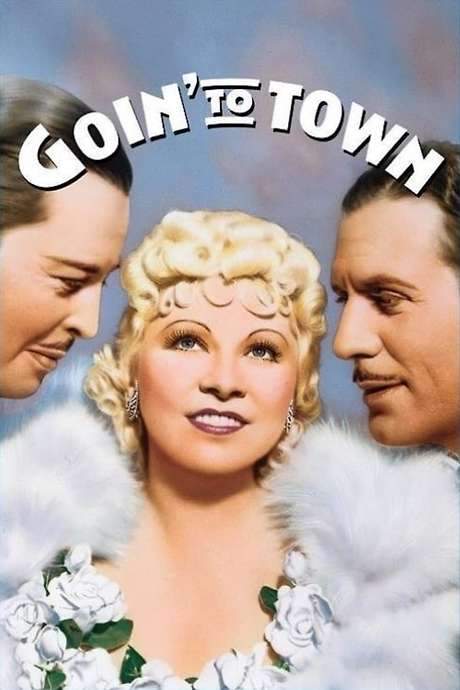
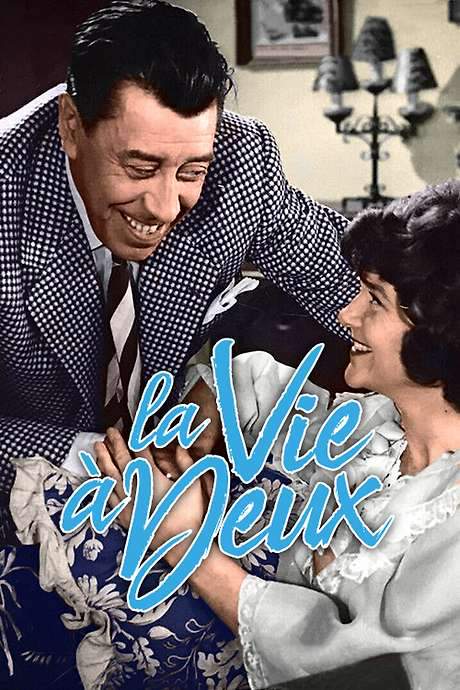
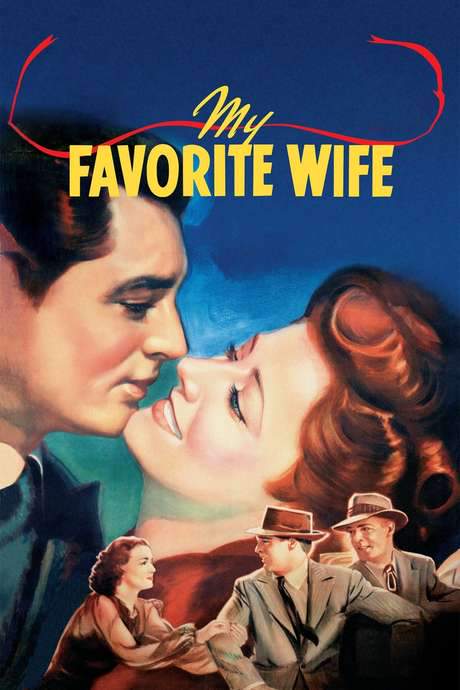
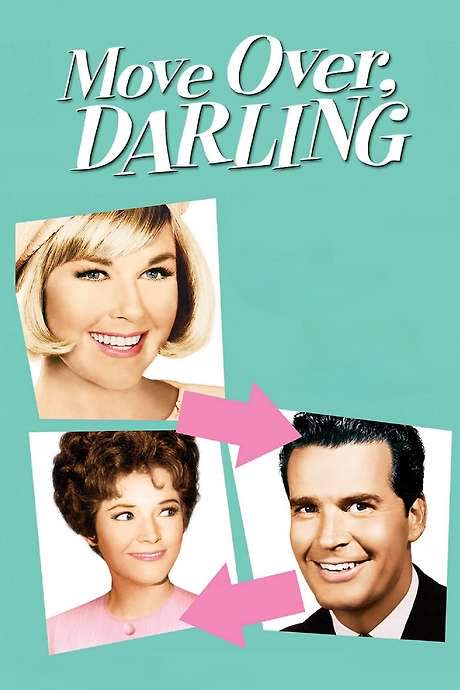
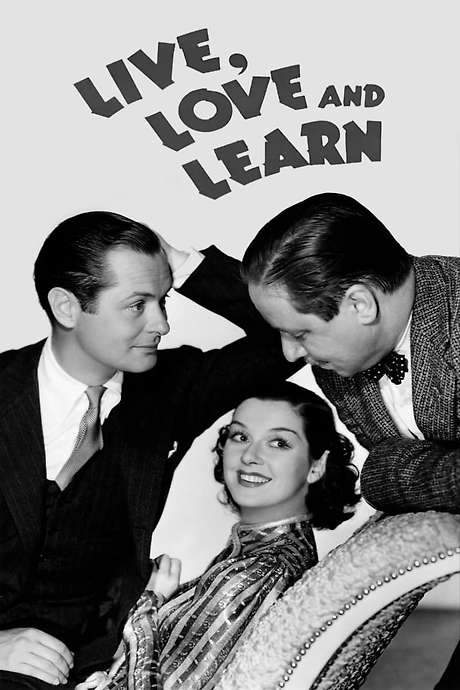
Films with a similar story, tone or audience, including How to Murder Your Wife, Goin’ to Town and Life Together.



What a Way to Go! FAQ: Cast, Runtime & Release Date
Runtime, release date, director, cast and post-credit scenes of What a Way to Go!, each answered in a sentence.
How long is What a Way to Go!?
What a Way to Go! runs 1 hour 51 minutes (111 minutes).
When was What a Way to Go! released?
What a Way to Go! was released on May 13, 1964.
Who directed What a Way to Go!?
What a Way to Go! was directed by J. Lee Thompson.
More films by J. Lee Thompson Who is in the cast of What a Way to Go!?
What a Way to Go! stars Shirley MacLaine as Louisa May Foster, Robert Cummings as Dr. Victor Stephanson and Marjorie Bennett as Mrs. Freeman (uncredited), among 53 credited actors.
Does What a Way to Go! have a post-credit scene?
No. What a Way to Go! has no extra scene during or after the credits.
Coming soon to your phone
The Plot Explained Movie Summary App
From blockbusters to hidden gems: plot summaries, endings explained and timelines on your phone. Save your favorites and never miss a twist again.
Be the first to know when it launches. Your email stays private, always. Learn more about the app
