Too Many Husbands 1940


JUST MARRIED…BUT TO WHOM? Long-missing Bill Cardew returns to find his wife Vicky remarried…and in no hurry to settle for just one husband.


Does Too Many Husbands have end credit scenes?
No!
Too Many Husbands does not have end credit scenes. You can leave when the credits roll.
Meet the Full Cast and Actors of Too Many Husbands
Explore the complete cast of Too Many Husbands, including both lead and supporting actors. Learn who plays each character, discover their past roles and achievements, and find out what makes this ensemble cast stand out in the world of film and television.
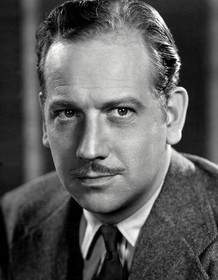
Melvyn Douglas
Henry Lowndes
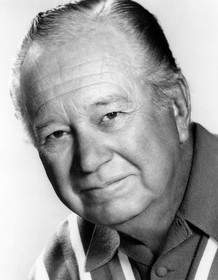
Edgar Buchanan
McDermott
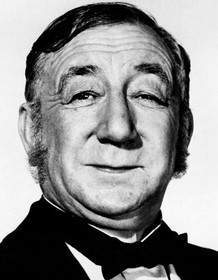
Melville Cooper
Peter

Tom Dugan
Sullivan

Harry Davenport
George
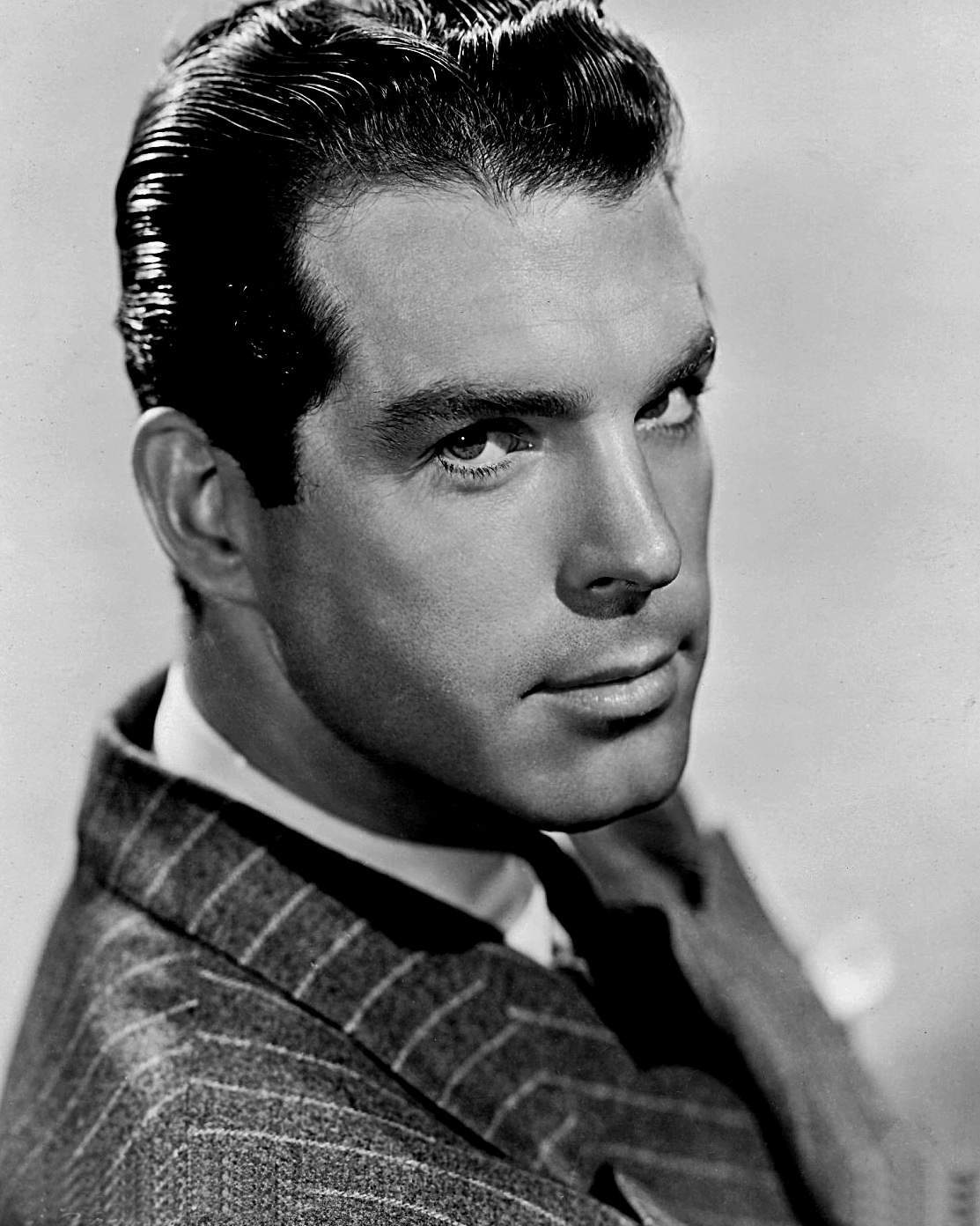
Fred MacMurray
Bill Cardew
Dorothy Peterson
Gertrude Houlihan
Jean Arthur
Vicky Lowndes
Carl M. Leviness
Passenger at Airport
Larry Steers
Nightclub Patron
Dave Willock
Elevator Operator
Billy Wayne
Taxicab Driver
Frank McLure
Nightclub Patron
Jacques Vanaire
Headwaiter
James Conaty
Nightclub Patron
Bert Stevens
Nightclub Patron
James Millican
Nightclub Patron
Sam McDaniel
Porter
William Brisbane
Lawyer
External Links and Streaming Options
Discover where to watch Too Many Husbands online, including streaming platforms, rental options, and official sources. Compare reviews, ratings, and in-depth movie information across sites like IMDb, TMDb, Wikipedia or Letterboxd.




Take the Ultimate Too Many Husbands Movie Quiz
Challenge your knowledge of Too Many Husbands with this fun and interactive movie quiz. Test yourself on key plot points, iconic characters, hidden details, and memorable moments to see how well you really know the film.
Too Many Husbands (1940): A comedic romantic farce in which Vicky Lowndes finds herself married to two men—her presumed‑dead first husband Bill Cardew and her second husband Henry Lowndes—leading to legal, social, and emotional complications.
Who plays the role of Vicky Lowndes?
Full Plot Summary and Ending Explained for Too Many Husbands
Read the complete plot summary of Too Many Husbands, including all major events, twists, and the full ending explained in detail. Explore key characters, themes, hidden meanings, and everything you need to understand the story from beginning to end.
Vicky Lowndes [Jean Arthur] loses her first husband, Bill Cardew [Fred MacMurray], who is presumed drowned at sea and declared legally dead, leaving her to weather a sense of loneliness that is gently soothed by Bill’s closest confidant and publishing partner, Henry Lowndes [Melvyn Douglas]. Six months after the tragedy, a quiet hope blooms into reality as Vicky and Henry marry, seeking companionship and stability in the wake of loss. Yet the newlyweds’ domestic calm is unsettled when Vicky discovers that Henry is quietly removing Bill’s name from his old office, insisting that his own name should stand in memory of her late husband. The clash between memory, duty, and affection foreshadows the comedy and conflict to come.
On the day Henry’s name is slated to disappear from the office door, Bill unexpectedly resurfaces, having survived on a deserted island before being rescued. He phones home and convinces Vicky’s father, George [Harry Davenport], that he has returned. Bill urges George to arrange a meeting at the airport that evening, and a tense confrontation unfolds as George breaks the news to a stunned Vicky. She plans to have Bill meet Henry at the airport, but Bill insists on accompanying her so that both men can hear the truth from Henry together. The moment arrives, and Vicky’s attempt to deliver the news is fraught with emotion. Henry’s initial response is swift and sharp, accusing Bill of faking his death to dodge the waiting period required by law for a missing person to be declared dead. What follows is a real test of loyalties: Vicky does not want either man to withdraw, and she finds herself caught in the middle as both Henry and Bill press their case, each appealing to shared memories of happier days.
With her heart pulled in different directions, Vicky contemplates a radical, almost playful solution: two husbands, under the same roof, competing for her attention. The men, far from being enemies, become rivals in love and wryly engage in a staged “courtship” under her father’s wary eye. They agree to an unusual arrangement—each man will stay, while the other keeps vigil, so no one can slip away or threaten the delicate balance of the situation. The household gears grind against social expectation and the law, as Vicky’s father, George, voices a steady disapproval of the scandal in the making. Both men, worn by long stretches of distraction and inconsiderate behavior, long for a chance to reclaim the love they shared with Vicky, while she vacillates between nostalgia and the pull of reality.
The situation grows more comic and more tense as the men decide to determine who gets to remain by drawing lots for a paper marked with an “X.” Bill draws a losing blank, only to discover that Henry has manipulated the game by leaving both papers blank and letting Bill draw first. What seems like a lighthearted gambit escalates into a minor feud as the two men hurry to reveal Henry’s deceitful slip. In the ensuing hours, Vicky’s sense of certainty dissolves further as she uses memories of their good times to soothe her doubts, even as the two husbands silently compete for her favor.
Fate takes another turn when the two men, feeling slighted or simply restless, vanish for a stretch, prompting Vicky to call the Missing Persons bureau. In a moment of social misguidance—one of those comic misunderstandings that fuels farce—she inadvertently reports her husbands as missing while trying to explain her relationship to each man. When the men finally return, the police arrive, and the household’s dynamics tilt once again: the authorities address Vicky as “Mrs. Cardew,” underscoring the legal and social complexities of her situation. A quiet but telling nudge from the detective crew, along with the butler and George, confirms that she is married to “Mr. Lowndes,” yet the misdirection remains a source of embarrassment and public scrutiny.
The scandal erupts in the press, and the legal verdict follows: Vicky’s bigamy is deemed unintentional, but she remains legally married to Bill, creating a delicate truce between past and present. The two men, now reminded of their shared affection for Vicky, express sympathy for Henry’s disappointment and the sense of exclusion he feels from the unconventional arrangement. That evening, Bill treats Vicky to a celebratory dinner, and Henry joins them, not willing to walk away but rather to watch as life moves forward. A sense of wary camaraderie settles over the table, and Henry offers travel brochures to Bill, signaling an opaque but hopeful future in which Bill might journey again—and Henry, in all probability, will be waiting. In a moment that blends comedy, romance, and mutual respect, Henry asks Vicky for a consolation dance, and she agrees, inviting both men into a shared rhythm on the floor.
As the music swells and the trio moves in step, Bill and Henry repeatedly step in to replace one another, never fully relinquishing their claim to Vicky’s heart but also never denying the possibility of a peaceful coexistence. The film closes on a jubilant, slightly cheeky note: a trio of dancers, a reminder that love can be generous and resilient even when it defies convention. In the final tableau, Vicky beams with a bright, slightly mischievous grin as she proclaims, “We’ll have to do this often!”
We’ll have to do this often!

Coming soon on iOS and Android
The Plot Explained Mobile App
From blockbusters to hidden gems — dive into movie stories anytime, anywhere. Save your favorites, discover plots faster, and never miss a twist again.
Sign up to be the first to know when we launch. Your email stays private — always.
Explore the mobile appDiscover Film Music Concerts Near You – Live Orchestras Performing Iconic Movie Soundtracks
Immerse yourself in the magic of cinema with live orchestral performances of your favorite film scores. From sweeping Hollywood blockbusters and animated classics to epic fantasy soundtracks, our curated listings connect you to upcoming film music events worldwide.
Explore concert film screenings paired with full orchestra concerts, read detailed event information, and secure your tickets for unforgettable evenings celebrating legendary composers like John Williams, Hans Zimmer, and more.


Too Many Husbands Themes and Keywords
Discover the central themes, ideas, and keywords that define the movie’s story, tone, and message. Analyze the film’s deeper meanings, genre influences, and recurring concepts.
Too Many Husbands Other Names and Titles
Explore the various alternative titles, translations, and other names used for Too Many Husbands across different regions and languages. Understand how the film is marketed and recognized worldwide.
Similar Movies To Too Many Husbands You Should Know About
Browse a curated list of movies similar in genre, tone, characters, or story structure. Discover new titles like the one you're watching, perfect for fans of related plots, vibes, or cinematic styles.


Quick Links: Summary, Cast, Ratings, More

What's After the Movie?
Not sure whether to stay after the credits? Find out!
Check out our other apps:

SAT Sphere
Build confidence for the Digital SAT.

Mori Atlas
Discover wild places worth protecting.

Luntero
Search smarter for a home in Amsterdam.

Plot Explained
Unravel movie endings and hidden clues.

Pokechamp
Dive into Pokémon data and battle logic.

Driving Theory
Get ready for your European theory test.

Movie Dust
Plan your next cinema trip with ease.

Musemap
Find art and culture as you travel.

Selkobase
Compare credentials before committing.

Local Manual
Turn an unfamiliar country into practical next steps.

Lernavi
Compare school systems before your next move.

GymRoam
Find a workout stop wherever your plans take you.
Explore Our Movie Platform
New Movie Releases (2026)
Famous Movie Actors
Top Film Production Studios
Movie Plot Summaries & Endings
Major Movie Awards & Winners
Best Concert Films & Music Documentaries
Movie Collections and Curated Lists
© 2026 What's After the Movie. All rights reserved.
Privacy Policy