What Is Too Many Husbands About?
The premise of Too Many Husbands in 313 words, with nothing given away. The full story follows below.
In a sun‑dappled slice of mid‑century America, everyday life hums with a polite propriety that is constantly nudged by a mischievous sense of humor. The film’s tone is breezy and witty, letting the sparkle of romantic confusion play out against a backdrop of comfortable homes, bustling publishing offices, and a well‑meaning but slightly bewildered extended family. The world feels both familiar and subtly exaggerated, a place where the rules of love can be bent just enough to generate a chorus of charming misunderstandings.
Vicky Lowndes, a warm‑hearted woman with a quick smile, has spent the quiet months after a tragic sea accident trying to stitch her life back together. The loss of her first husband leaves an echo of loneliness that she softens with the steady companionship of her late husband’s closest confidant and business partner. Their shared memories and mutual support lay the foundation for a bond that feels as natural as it is comforting.
When the two decide to marry, seeking stability and the promise of a renewed future, their domestic calm is poised on the edge of an unexpected ripple. The return of Bill Cardew, who was presumed dead, shatters the neatness of Vicky’s new arrangement and thrusts everyone into a tangled, yet hilariously tender, predicament. The reappearance is as startling as it is improbable, and it forces the characters to confront the delicate balance between duty, affection, and societal expectation.
What follows is a light‑hearted exploration of love’s elasticity, as Vicky, Bill, and Henry Lowndes navigate a series of polite yet absurd negotiations. Their interplay is marked by clever banter, gentle rivalry, and a shared desire to honor both memory and present happiness. With the watchful eye of Vicky’s father, George, adding a touch of generational caution, the story promises a delightful dance of hearts that keeps the audience guessing just how many steps this unconventional waltz will require.
What Happens in Too Many Husbands?
The complete story of Too Many Husbands, from the first scene to the last, in 888 words (about 4 minutes). Spoilers throughout.
Spoilers ahead
Vicky Lowndes [Jean Arthur] loses her first husband, Bill Cardew [Fred MacMurray], who is presumed drowned at sea and declared legally dead, leaving her to weather a sense of loneliness that is gently soothed by Bill’s closest confidant and publishing partner, Henry Lowndes [Melvyn Douglas]. Six months after the tragedy, a quiet hope blooms into reality as Vicky and Henry marry, seeking companionship and stability in the wake of loss. Yet the newlyweds’ domestic calm is unsettled when Vicky discovers that Henry is quietly removing Bill’s name from his old office, insisting that his own name should stand in memory of her late husband. The clash between memory, duty, and affection foreshadows the comedy and conflict to come.
On the day Henry’s name is slated to disappear from the office door, Bill unexpectedly resurfaces, having survived on a deserted island before being rescued. He phones home and convinces Vicky’s father, George [Harry Davenport], that he has returned. Bill urges George to arrange a meeting at the airport that evening, and a tense confrontation unfolds as George breaks the news to a stunned Vicky. She plans to have Bill meet Henry at the airport, but Bill insists on accompanying her so that both men can hear the truth from Henry together. The moment arrives, and Vicky’s attempt to deliver the news is fraught with emotion. Henry’s initial response is swift and sharp, accusing Bill of faking his death to dodge the waiting period required by law for a missing person to be declared dead. What follows is a real test of loyalties: Vicky does not want either man to withdraw, and she finds herself caught in the middle as both Henry and Bill press their case, each appealing to shared memories of happier days.
With her heart pulled in different directions, Vicky contemplates a radical, almost playful solution: two husbands, under the same roof, competing for her attention. The men, far from being enemies, become rivals in love and wryly engage in a staged “courtship” under her father’s wary eye. They agree to an unusual arrangement—each man will stay, while the other keeps vigil, so no one can slip away or threaten the delicate balance of the situation. The household gears grind against social expectation and the law, as Vicky’s father, George, voices a steady disapproval of the scandal in the making. Both men, worn by long stretches of distraction and inconsiderate behavior, long for a chance to reclaim the love they shared with Vicky, while she vacillates between nostalgia and the pull of reality.
The situation grows more comic and more tense as the men decide to determine who gets to remain by drawing lots for a paper marked with an “X.” Bill draws a losing blank, only to discover that Henry has manipulated the game by leaving both papers blank and letting Bill draw first. What seems like a lighthearted gambit escalates into a minor feud as the two men hurry to reveal Henry’s deceitful slip. In the ensuing hours, Vicky’s sense of certainty dissolves further as she uses memories of their good times to soothe her doubts, even as the two husbands silently compete for her favor.
Fate takes another turn when the two men, feeling slighted or simply restless, vanish for a stretch, prompting Vicky to call the Missing Persons bureau. In a moment of social misguidance—one of those comic misunderstandings that fuels farce—she inadvertently reports her husbands as missing while trying to explain her relationship to each man. When the men finally return, the police arrive, and the household’s dynamics tilt once again: the authorities address Vicky as “Mrs. Cardew,” underscoring the legal and social complexities of her situation. A quiet but telling nudge from the detective crew, along with the butler and George, confirms that she is married to “Mr. Lowndes,” yet the misdirection remains a source of embarrassment and public scrutiny.
The scandal erupts in the press, and the legal verdict follows: Vicky’s bigamy is deemed unintentional, but she remains legally married to Bill, creating a delicate truce between past and present. The two men, now reminded of their shared affection for Vicky, express sympathy for Henry’s disappointment and the sense of exclusion he feels from the unconventional arrangement. That evening, Bill treats Vicky to a celebratory dinner, and Henry joins them, not willing to walk away but rather to watch as life moves forward. A sense of wary camaraderie settles over the table, and Henry offers travel brochures to Bill, signaling an opaque but hopeful future in which Bill might journey again—and Henry, in all probability, will be waiting. In a moment that blends comedy, romance, and mutual respect, Henry asks Vicky for a consolation dance, and she agrees, inviting both men into a shared rhythm on the floor.
As the music swells and the trio moves in step, Bill and Henry repeatedly step in to replace one another, never fully relinquishing their claim to Vicky’s heart but also never denying the possibility of a peaceful coexistence. The film closes on a jubilant, slightly cheeky note: a trio of dancers, a reminder that love can be generous and resilient even when it defies convention. In the final tableau, Vicky beams with a bright, slightly mischievous grin as she proclaims, “We’ll have to do this often!”
We’ll have to do this often!
Too Many Husbands Timeline: Every Key Event in Order
12 key events in the order they happen, from “Bill Cardew declared dead at sea” to “Final trio dance”. 12 events name a place, across 9 locations.
- 1
Bill Cardew declared dead at sea
Bill Cardew goes missing at sea and is presumed drowned. The disappearance devastates Vicky, who becomes a widow. Henry Lowndes, Bill's best friend and business partner, provides comfort and begins to play a more active role in her life.
Where:Sea / open ocean
- 2
Vicky marries Henry
Six months after Bill's presumed death, Vicky and Henry marry, hoping to build a stable life together. The marriage brings companionship, but the shadow of Bill's fate lingers. Vicky begins to adapt to life with Henry.
Where:Vicky's home
- 3
Henry removes Bill's name from the office
Six months into the marriage, Henry removes Bill's name from his old office as a memorial to the dead husband. Vicky is disappointed by the gesture, feeling that Bill deserves a lasting remembrance. The act signals strain in their relationship and how the past is being kept at a distance.
Where:Henry's office
- 4
Bill returns after rescue
On the day the office name is removed, Bill returns alive, having been stranded on an uninhabited island and later rescued. He calls home and reassures George that he has indeed come back. His return unsettles the new marriage and reopens questions about his place in Vicky's life.
Where:Vicky's home / George's place
- 5
Bill asks for a meeting at the airport
Bill asks George to arrange for Vicky to meet him at the airport that evening. He wants to tell Henry the news in front of Vicky, through her, rather than by a phone call. Vicky feels anxious about the confrontation and what it will mean for her future.
Where:Airport
- 6
Vicky informs Henry with her father's help
Vicky, with the help of her father, breaks the news of Bill's return to Henry. Henry accuses Bill of faking his death to bypass a waiting period for a missing-person declaration. Although Henry initially contemplates withdrawing, Vicky resists leaving Bill and the situation unresolved.
Where:Vicky's home
- 7
Two husbands under one roof
With no resolution in sight, the two men move into the same house to compete for Vicky's affection. They sleep in a shared room to guard their chances, while Vicky's father disapproves of the scandal. The arrangement underscores the comic and tense triangle looming over the household.
Where:Vicky's home
- 8
The drawn lots and Henry's cheating
The men draw lots for a paper marked with an X to decide who stays, but Bill ends up with a losing blank. Henry has cheated by leaving both papers blank and letting Bill draw first. The tense moment intensifies their competition and prompts a reveal of Henry's manipulation.
Where:Vicky's home
- 9
The missing husbands and police involvement
The men disappear for hours, and Vicky calls the Missing Persons bureau. A slip of the tongue leads her to describe both men as her husbands, creating confusion for the authorities. The police treat the case as a complicated entanglement rather than a straightforward marriage.
Where:Vicky's home / police station
- 10
Newspapers and the court ruling
The scandal reaches the newspapers and a judge rules that Vicky's bigamy is unintentional. She remains legally married to Bill, which further complicates her situation. Vicky and Bill express sympathy for Henry's disappointment.
Where:Newspapers / courtroom
- 11
Celebratory dinner with all three
Bill takes Vicky to a celebratory dinner that evening, and Henry joins them, determined to stay involved. Bill wants Henry to leave, but Henry insists on remaining part of Vicky's life. The dinner becomes a strange but affectionate moment among the trio.
Where:Restaurant
- 12
Final trio dance
The film ends with Vicky dancing with both Bill and Henry as a trio, cheerfully declaring that they will have to do this often. The scene emphasizes the unusual, ongoing arrangement rather than a clean resolution. The ending blends comedy with a lingering sense of scandal unresolved.
Where:Dance floor / restaurant
Who Are the Main Characters in Too Many Husbands?
3 characters, among them Vicky Lowndes — Jean Arthur, Henry Lowndes — Melvyn Douglas and Bill Cardew — Fred MacMurray: who each one is and the part they play in the story. Every profile links to the actor’s page.
- VL
Vicky Lowndes — Jean Arthur
Played by Jean Arthur
A witty, appealing widow who rapidly remarries, she enjoys the prospect of both love and freedom while navigating intense social scrutiny. Her indecision and charm drive the plot, making her the pivot around which both husbands orbit. She balances affection with a sly awareness of the farcical situation.
- 💃 Independent
- 💍 Bigamy Dilemma
- 🗞️ Public Scrutiny
-
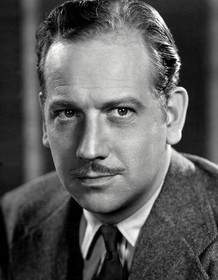
Henry Lowndes — Melvyn Douglas
Played by Melvyn Douglas
Vicky's second husband; a suave publisher who values status and stability. He is protective and proud, fighting to preserve the memory of his place in Vicky's life while confronting the absurdity of the situation. His gentlemanly demeanor masks a stubborn resolve.
- 💼 Professional
- 🧭 Stability Seeker
- 🗣️ Relationship Narrator
-
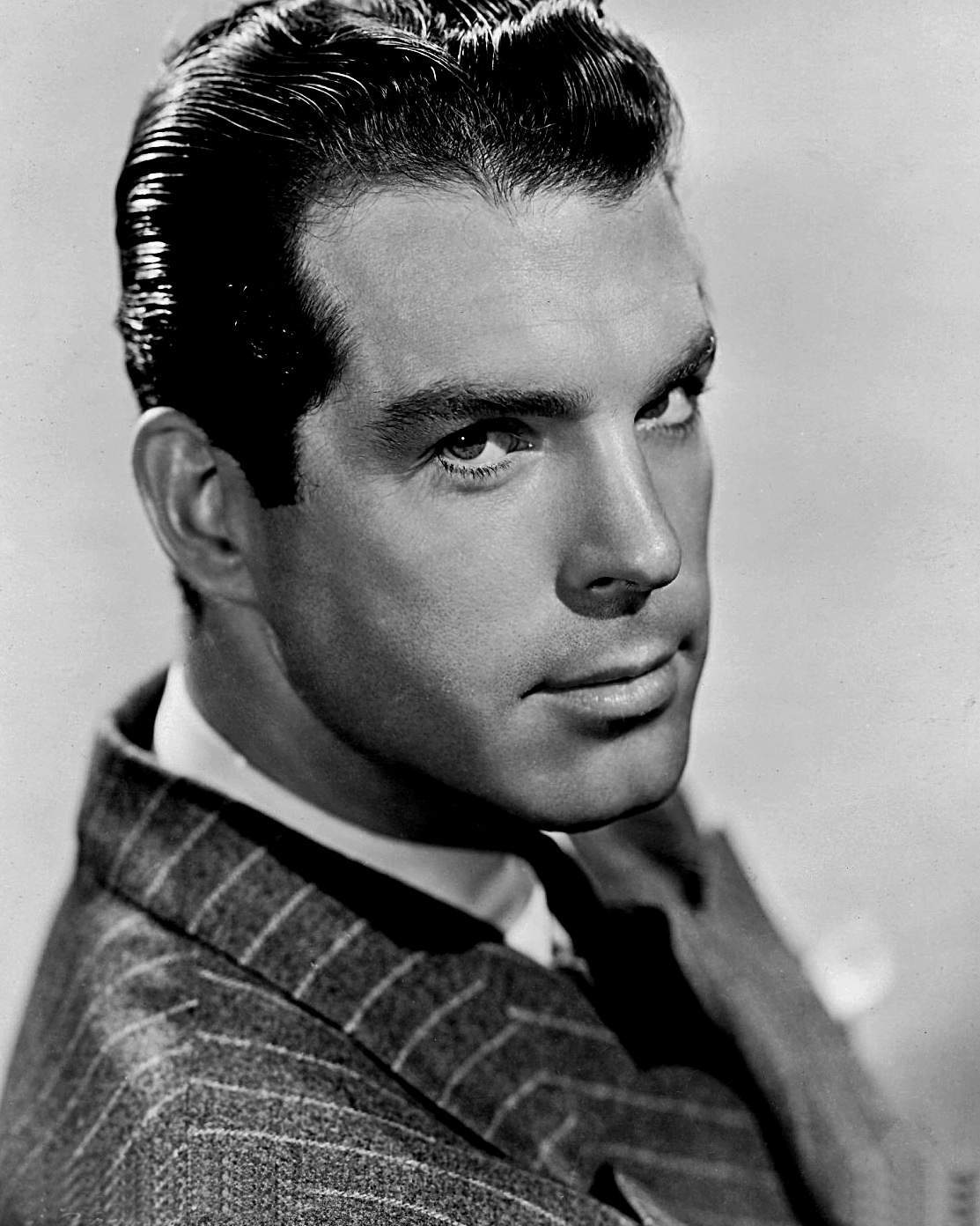
Bill Cardew — Fred MacMurray
Played by Fred MacMurray
The first husband presumed dead who unexpectedly returns, complicating the love triangle. He is straightforward, warm, and competitive, challenging Henry's position and revealing undercurrents of loyalty and humor. His presence destabilizes the status quo and drives the comedic conflict.
- 🚢 Return
- 🌀 Romantic Competitor
- 💪 Ambitious
Where and When Is Too Many Husbands Set?
Too Many Husbands is set in Home, Office, Airport and Missing Persons Bureau (Early 1940s). Here is why the time and place matter to the story.
When
Early 1940s
Set in the Hollywood era of screwball comedies, the period emphasizes conventional marriage norms and rapid social change. Communication relies on phones and newspapers to advance miscommunications and gossip. The legalities of bigamy frame the comic conflicts as characters maneuver through social expectations.
Where
Home, Office, Airport, Missing Persons Bureau
The story unfolds across a domestic setting (Vicky's home) and a bustling publishing office, with an airport scene that acts as a turning point. The Missing Persons Bureau adds a formal civic layer to the farce. The mix of intimate interiors and public spaces underscores the social scrutiny surrounding remarriage and scandal.
- 🏡 Domestic
- 🏢 Workplace
- ✈️ Airport
- 🕵️ Public Scrutiny
What Are the Themes of Too Many Husbands?
3 ideas the story keeps returning to, among them Love Triangle, Remarriage Comedy and Societal Norms.
-
01
Love Triangle
Vicky's life becomes a juggling act between two husbands, creating tension, humor, and competing affections. The dynamic probes loyalty, desire, and the fear of social judgment. The farce emerges from misunderstandings, sly schemes, and the quick shifts in romantic allegiance.
-
02
Remarriage Comedy
The plot centers on a two-husband arrangement and the comedic consequences of remarriage in a society that prizes propriety. Characters switch loyalties, navigate public scrutiny, and stretch the boundaries of what constitutes a legitimate household. The film uses wit and farce to critique conventions about marriage and affection.
-
03
Societal Norms
The scandal breaks in newspapers, exposing how public perception shapes personal choices. The legal and social pressures around marriage, divorce, and remarriage drive much of the conflict. Through humor, the story questions rigid gender roles and the costs of keeping appearances.
What Kind of Film Is Too Many Husbands?
Light in tone, with fast pacing and a straightforward story, going by the plot summary.
- Tone
- Light
- Pacing
- Fast
- Story
- Straightforward
- Intensity
- Low
- Ending
- Happy
A quick-witted and charming screwball comedy that delivers a playful farce about a woman caught between two husbands, filled with clever banter and lighthearted social chaos.
- lighthearted
- witty
- charming
- playful
- breezy
- mischievous
- screwball comedy
- bigamy
- love triangle
- rivalry
Quiz
How well do you remember Too Many Husbands? Test yourself on the story.
Where to Watch Too Many Husbands
. US availability and prices from JustWatch.
Streaming availability in the US, powered by