The Babe 1992


From a rough upbringing in a Baltimore orphanage to becoming baseball’s first larger‑than‑life star, the film traces Babe Ruth’s meteoric rise, his dominance that yielded seven American League pennants and four World Series titles, two stormy marriages, a flamboyant lifestyle and numerous suspensions, and his bittersweet retirement from the game.


Does The Babe have end credit scenes?
No!
The Babe does not have end credit scenes. You can leave when the credits roll.
Meet the Full Cast and Actors of The Babe
Explore the complete cast of The Babe, including both lead and supporting actors. Learn who plays each character, discover their past roles and achievements, and find out what makes this ensemble cast stand out in the world of film and television.
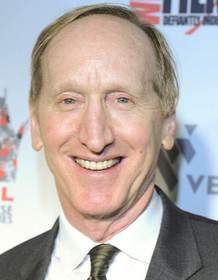
Larry Cedar
Forbes Field Announcer
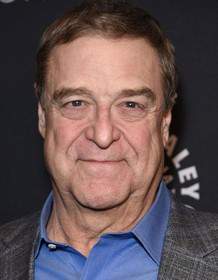
John Goodman
Babe Ruth
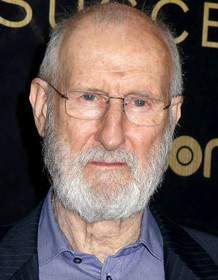
James Cromwell
Brother Mathias

Bruce Boxleitner
Jumpin' Joe Dugan
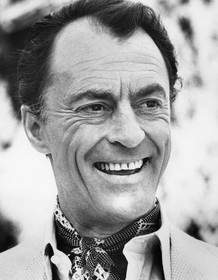
Peter Donat
Frazee

Kelly McGillis
Claire Ruth
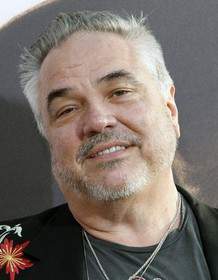
W. Earl Brown
Herb Pennock
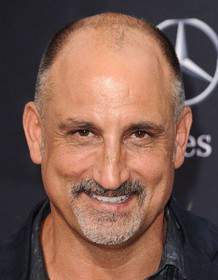
Michael Papajohn
Heckler

Trini Alvarado
Helen Ruth
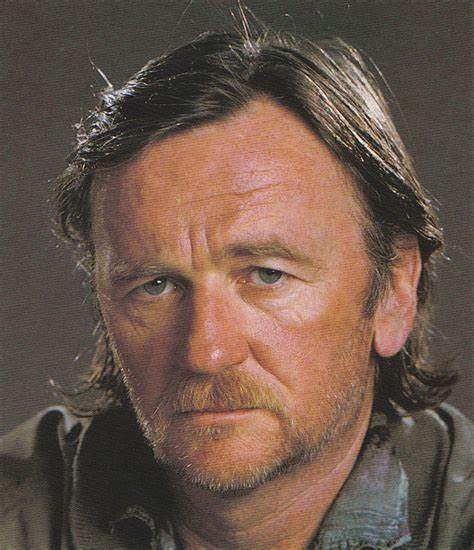
J.C. Quinn
Jack Dunn

Jim Ortlieb
Scribe
Robert Swan
George Ruth Sr.
Joseph Ragno
Miller Huggins
Matt Doherty
Boy in Car
Richard Tyson
Guy Bush
Shannon Cochran
Flapper
Stevie Lee
Eddie the Bat Boy
Ralph Marrero
Frank 'Ping' Bodie
Michael McGrady
Lou Gehrig
Michael Nicolosi
Jimmy Colosimmo
Stephen Caffrey
Johnny Sylvester (at 30)
Michael Krawic
Theatre-Goer
Danny Goldring
Bill Carrigan
Kara Zediker
Redhead
Gene Weygandt
Mr. Sylvester
Bernard Kates
Colonel Jack Ruppert
Tricia Munford
Ida Dugan, Jump's Wife
Randy Steinmeyer
Ty Cobb
Bernie Gigliotti
Al Capone
Brendan Hutt
Boy at St. Mary's
Jeffrey Wiseman
Boy at St. Mary's
Elizabeth Greenberg
Dorothy Ruth
Scott Haven
Scribe
Johanna McKay
Yankee Wife
External Links and Streaming Options
Discover where to watch The Babe online, including streaming platforms, rental options, and official sources. Compare reviews, ratings, and in-depth movie information across sites like IMDb, TMDb, Wikipedia or Rotten Tomatoes.







Take the Ultimate The Babe Movie Quiz
Challenge your knowledge of The Babe with this fun and interactive movie quiz. Test yourself on key plot points, iconic characters, hidden details, and memorable moments to see how well you really know the film.
The Babe (1992) Quiz: Test your knowledge of the 1992 film that dramatizes the life of baseball legend Babe Ruth, from his early days in Baltimore to his final years in the sport.
Which actor portrays Brother Matthias Boutlier, the disciplinarian who introduces young Ruth to baseball?
Full Plot Summary and Ending Explained for The Babe
Read the complete plot summary of The Babe, including all major events, twists, and the full ending explained in detail. Explore key characters, themes, hidden meanings, and everything you need to understand the story from beginning to end.
The film opens in Baltimore, Maryland, in 1902, tracing the early life of George Herman Ruth Jr. as he is sent to St. Mary’s Industrial School for Boys, a reform school and orphanage. The story follows the boy’s rough start under the care of the institution, where he is schooled by Catholic missionaries and teased for his size. At the school, the Head of Discipline, Brother Matthias Boutlier, introduces him to the game that would redefine his life; Ruth’s bat quickly shatters expectations as he launches towering drives that astonish the adults around him. (portrayed by James Cromwell as Brother Matthias Boutlier)
As the years pass, the narrative leaps to 1914, when Ruth, now a muscular, gifted 19-year-old, shines both as a powerful hitter and a talented pitcher on the St. Mary’s team. His sensational talent draws the eye of a major league manager, and Ruth catches the attention of Jack Dunn, who signs him to the Baltimore Orioles. The film quietly marks Ruth’s ascent with the crowd’s growing excitement and the echoes of a field’s crowd-pleasing energy; the Forbes Field Announcer’s voice (portrayed by Larry Cedar) punctuates his rising fame. Ruth’s name begins to travel beyond the school’s walls as he moves toward the professional ranks. (the early development stage)
Ruth’s professional journey accelerates when he is moved to the Boston Red Sox under owner Harry Frazee; the move is framed within the financial and personal pressures that shape his career. Frazee, portrayed by Peter Donat, navigates the business side of baseball as Ruth’s prodigious talents help the team reach new heights. Ruth’s growing star power becomes a double-edged sword, drawing both adoration and tension, especially with Frazee’s broader ambitions. The film paints the social dynamics of the era, where young Ruth’s fame swells in Boston and beyond, setting the stage for a fateful transition. (portrayed by Peter Donat)
The narrative then shifts to Ruth’s move to the New York Yankees after the 1919 season, a trade that changes baseball history. In New York, Ruth electrifies the city and leads the Yankees to the 1923 World Series victory, becoming an emblem of a new era. His fame grows even as his personal life begins to show strain, including a marriage to Helen Ruth, played by [Trini Alvarado], and a public persona that courts controversy as the crowd’s reactions swing between thunderous applause and jeering lemons hurled from the stands. Ruth battles with how he is perceived off the field, while his teammates, including Lou Gehrig, known as the Iron Horse (portrayed by [Michael McGrady]), rise to prominence alongside him. (portrayed by Trini Alvarado as Helen Ruth, and Michael McGrady as Lou Gehrig)
The film traces Ruth’s dominance in the mid- and late 1920s, highlighting a historic year in 1927 when he blasts 60 home runs, surpassing his own legendary mark and cementing his legacy. In the 1932 World Series against the Cubs, he performs a famed moment that fans still recall as he “calls his shot,” pointing to center field and delivering a home run that becomes part of baseball lore. The portrait of Ruth during this period is a study in triumph and fatigue, as his public image and personal life begin to fray under the weight of relentless scrutiny. (notable moments)
By 1934, Ruth’s athletic prowess wanes, and he contemplates life beyond playing, dreaming of managing. Yankees owner Colonel Jacob Ruppert, portrayed by [Bernard Kates], calls time on his star’s tenure with the team. Ruth signs with the Boston Braves, a move that proves more comic than triumphant, as he grapples with aging and the shifting tides of the game. Before a game against the Pittsburgh Pirates, Ruth overhears owners questioning his value beyond drawing crowds, and in a dramatic display he hits three home runs and rejects the offered handshake, effectively quitting the team. The film then follows Ruth as he retreats from the spotlight, a broken figure making his way through the tunnel toward an uncertain future. (portrayed by Bernard Kates as Colonel Ruppert)
The closing chapters bring a quiet, emotional coda: Ruth encounters Johnny Sylvester, the boy he once visited in the hospital, now grown. Johnny, who had once believed Ruth could heal him with his sport, returns the signed ball Ruth had given him, signaling a complex, unresolved relationship with his own legacy. Ruth whispers, “I’m gone, Johnny. I’m gone.” Yet Johnny’s final, resounding reply—“You’re the best… you’re the best there’s ever been!”—echoes as a legacy debated and remembered through time. The film closes on a man who changed a game and left an enduring myth in his wake. (portrayed by Stephen Caffrey as Johnny Sylvester)
You’re the best… you’re the best there’s ever been!

Coming soon on iOS and Android
The Plot Explained Mobile App
From blockbusters to hidden gems — dive into movie stories anytime, anywhere. Save your favorites, discover plots faster, and never miss a twist again.
Sign up to be the first to know when we launch. Your email stays private — always.
Explore the mobile appWatch Trailers, Clips & Behind-the-Scenes for The Babe
Watch official trailers, exclusive clips, cast interviews, and behind-the-scenes footage from The Babe. Dive deeper into the making of the film, its standout moments, and key production insights.
Cars Featured in The Babe
Explore all cars featured in The Babe, including their makes, models, scenes they appear in, and their significance to the plot. A must-read for car enthusiasts and movie buffs alike.
The Babe Themes and Keywords
Discover the central themes, ideas, and keywords that define the movie’s story, tone, and message. Analyze the film’s deeper meanings, genre influences, and recurring concepts.
The Babe Other Names and Titles
Explore the various alternative titles, translations, and other names used for The Babe across different regions and languages. Understand how the film is marketed and recognized worldwide.
Similar Movies To The Babe You Should Know About
Browse a curated list of movies similar in genre, tone, characters, or story structure. Discover new titles like the one you're watching, perfect for fans of related plots, vibes, or cinematic styles.



Quick Links: Summary, Cast, Ratings, More

What's After the Movie?
Not sure whether to stay after the credits? Find out!
Check out our other apps:

SAT Sphere
Build confidence for the Digital SAT.

Mori Atlas
Discover wild places worth protecting.

Luntero
Search smarter for a home in Amsterdam.

Plot Explained
Unravel movie endings and hidden clues.

Pokechamp
Dive into Pokémon data and battle logic.

Driving Theory
Get ready for your European theory test.

Movie Dust
Plan your next cinema trip with ease.

Musemap
Find art and culture as you travel.

Selkobase
Compare credentials before committing.

Local Manual
Turn an unfamiliar country into practical next steps.

Lernavi
Compare school systems before your next move.

GymRoam
Find a workout stop wherever your plans take you.
Explore Our Movie Platform
New Movie Releases (2026)
Famous Movie Actors
Top Film Production Studios
Movie Plot Summaries & Endings
Major Movie Awards & Winners
Best Concert Films & Music Documentaries
Movie Collections and Curated Lists
© 2026 What's After the Movie. All rights reserved.
Privacy Policy