The Winning Team 1952


For anyone who plays for the love of the game and for anyone who has ever felt the thrill of love, this film offers heart‑warming warmth and excitement. Poor health and alcoholism drive Hall of Fame pitcher Grover Cleveland Alexander out of baseball, yet his devoted wife’s support gives him a chance at a comeback and redemption.


Does The Winning Team have end credit scenes?
No!
The Winning Team does not have end credit scenes. You can leave when the credits roll.
Where to Watch The Winning Team
See current US streaming, rental, and purchase options for The Winning Team (1952) via JustWatch.






Meet the Full Cast and Actors of The Winning Team
Explore the complete cast of The Winning Team, including both lead and supporting actors. Learn who plays each character, discover their past roles and achievements, and find out what makes this ensemble cast stand out in the world of film and television.

Ronald Reagan
Grover Cleveland Alexander

Frank Ferguson
Sam Arrants
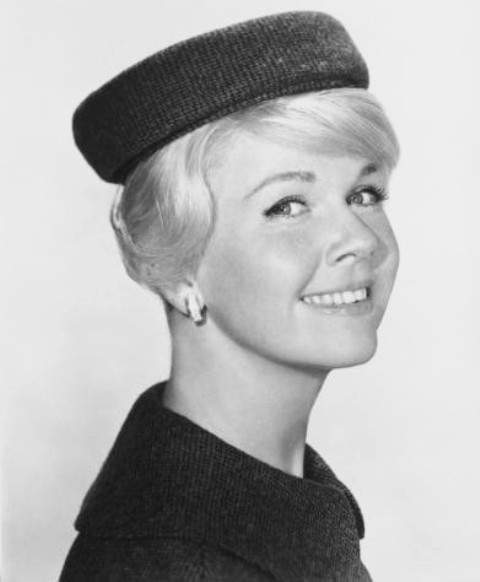
Doris Day
Aimee Alexander

Russ Tamblyn
Willie Alexander
Hugh Sanders
Joe McCarthy
Frank Lovejoy
Rogers Hornsby
Dorothy Adams
Ma Alexander
Walter Baldwin
Pa Alexander (uncredited)
Jack Carr
Angry Fan (uncredited)
Gordon Jones
George Glasheen
James Millican
Bill Killefer
Eve Miller
Margaret Killefer
Bob Lemon
Jesse 'Pop' Haines
George Metkovich
Ballplayer
Jerry Priddy
Ballplayer
Peanuts Lowery
Ballplayer
Irving Noren
Ballplayer
Hank Sauer
Ballplayer
Al Zarilla
Ballplayer
Gene Mauch
Ballplayer
External Links and Streaming Options
Discover where to watch The Winning Team online, including streaming platforms, rental options, and official sources. Compare reviews, ratings, and in-depth movie information across sites like IMDb, TMDb, Wikipedia or Rotten Tomatoes.






Take the Ultimate The Winning Team Movie Quiz
Challenge your knowledge of The Winning Team with this fun and interactive movie quiz. Test yourself on key plot points, iconic characters, hidden details, and memorable moments to see how well you really know the film.
The Winning Team (1952) Movie Quiz: A diverse quiz exploring the life and career of Grover Cleveland Alexander as depicted in the film.
In the film, what was Grover Cleveland Alexander's initial job before becoming a professional baseball player?
Full Plot Summary and Ending Explained for The Winning Team
Read the complete plot summary of The Winning Team, including all major events, twists, and the full ending explained in detail. Explore key characters, themes, hidden meanings, and everything you need to understand the story from beginning to end.
Grover Cleveland Alexander, portrayed by Ronald Reagan, starts his journey as a humble telephone lineman in Elba, Nebraska. His life takes a dramatic turn when he becomes involved in a local exhibition baseball game, where his exceptional pitching skills shine. Despite being initially reluctant, Grover impresses everyone by striking out all opponents in the game, leading to whispers about his natural talent on the mound. His talent catches the eye of a team manager, setting him on a path to professional baseball.
Meanwhile, his fiancée, Doris Day, who plays Aimee Alexander, is concerned about their future. Her father, who favors farming over baseball, doubts Grover’s priorities and is wary of their relationship. He even offers to help buy her a farm, fueling some disagreements between Aimee and her father. Despite these obstacles, Aimee remains supportive of Grover, and the couple attends a church meeting where Grover’s pitching skills unexpectedly come back into focus.
While at the church, Grover is approached by a man who turns out to be his opponent’s team manager. The manager challenges Grover’s abilities, prompting him to demonstrate his pitching talent again. Recognizing Grover’s potential, the manager offers him a modest contract, which he accepts. Grover begins playing for the Galesburg Boosters, and his dedication is evident as he regularly sends home a baseball card with his picture and money, with hopes of purchasing a farm for himself and Aimee.
His career faces a significant setback when, during a game, Grover is hit in the head by a thrown ball, leading to a serious injury that ends his 1909 season prematurely. During the off-season, with enough savings, Grover plans to buy the farm and marry Aimee. Upon returning to farm life, he injures his eyes while practicing, causing him to see double and affecting his ability to play. Despite this, he eventually regains perfect eyesight, allowing him to return to baseball in 1910 with remarkable success, going 29-11 for the Syracuse Stars.
His impressive performance attracts the attention of Major League teams, and he is sold to the Philadelphia Phillies. Grover makes an outstanding debut on April 15, 1911, pitching five innings of no-hit, no-run baseball. His skill on the mound makes him a rising star, especially after a notable encounter with Rogers Hornsby, where Grover’s strategic pitching outshines even seasoned players.
World War I interrupts Grover’s career when he serves as a sergeant in France, exposed to mustard gas and a shell explosion that causes partial hearing loss and epileptic seizures. Despite these health challenges, he returns to baseball in 1919, but his career increasingly struggles with health issues. In 1920, while playing for the Cubs, he wins the prestigious pitching Triple Crown but then faces setbacks, including a return of his hearing problems and seizure episodes during games, which lead to visits to the sidelines and hospital stays.
Grover’s personal life is troubled by his drinking problem, which becomes public after he is seen inebriated at a bar. This, coupled with his declining performance, results in his transfer to less prominent teams, including the House of David. Throughout this tumultuous period, his wife Aimee strives to support him, ultimately discovering where he has been performing as a “question-answering” baseball entertainer at circuses.
With her encouragement, and through the efforts of his friend Rogers Hornsby, Grover receives an opportunity to pitch again with the St. Louis Cardinals. His return to baseball is marked by success, notably during the 1926 World Series when he pitches crucial games that lead the Cardinals to victory. During this series, a poignant moment unfolds when Aimee, unaware that Grover is called to pitch, races against time to reach the stadium. Her arrival just before the final innings underscores her role as his source of strength.
In the decisive seventh game, Grover faces intense pressure when brought in to pitched with the bases loaded. His resilience, reinforced by Aimee’s presence in the stands, culminates in a victorious run for the Cardinals, securing their championship win. Throughout the film, Grover Cleveland Alexander’s journey is portrayed as one of incredible talent, resilience in the face of health and personal struggles, and enduring love with Aimee, all woven into a compelling story of baseball greatness and personal perseverance.

Coming soon on iOS and Android
The Plot Explained Mobile App
From blockbusters to hidden gems — dive into movie stories anytime, anywhere. Save your favorites, discover plots faster, and never miss a twist again.
Sign up to be the first to know when we launch. Your email stays private — always.
Explore the mobile appWatch Trailers, Clips & Behind-the-Scenes for The Winning Team
Watch official trailers, exclusive clips, cast interviews, and behind-the-scenes footage from The Winning Team. Dive deeper into the making of the film, its standout moments, and key production insights.
Cars Featured in The Winning Team
Explore all cars featured in The Winning Team, including their makes, models, scenes they appear in, and their significance to the plot. A must-read for car enthusiasts and movie buffs alike.
The Winning Team Themes and Keywords
Discover the central themes, ideas, and keywords that define the movie’s story, tone, and message. Analyze the film’s deeper meanings, genre influences, and recurring concepts.

Unlock the World of Movies with Our Comprehensive Wiki
Dive into our Movie Wiki for in-depth film encyclopedia entries, including cast biographies, production trivia, plot synopses, behind-the-scenes facts, and thematic analyses. Whether you’re researching iconic directors, exploring genre histories, or discovering hidden easter eggs, our expertly curated movie database has everything you need to fuel your cinematic passion.

Similar Movies To The Winning Team You Should Know About
Browse a curated list of movies similar in genre, tone, characters, or story structure. Discover new titles like the one you're watching, perfect for fans of related plots, vibes, or cinematic styles.




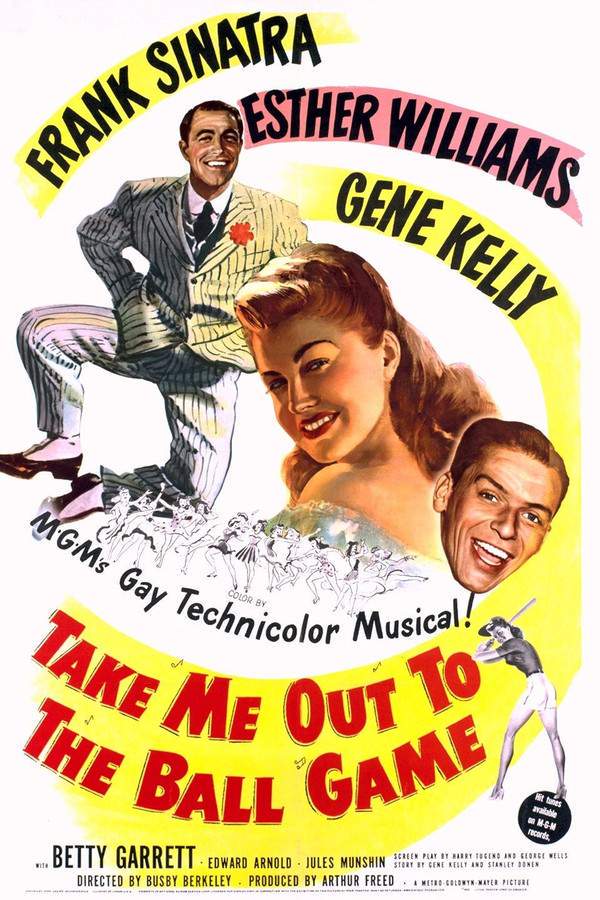
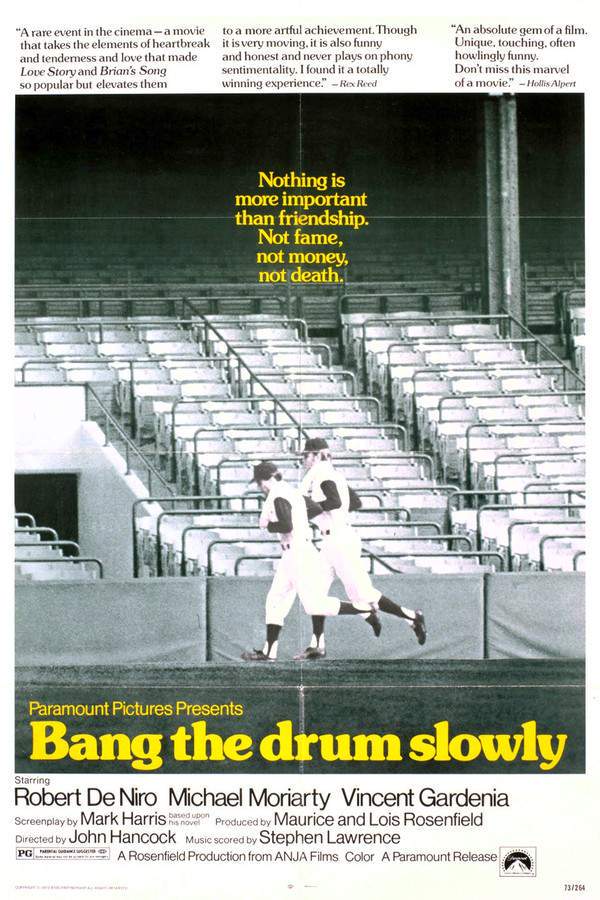



Quick Links: Summary, Cast, Ratings, More

What's After the Movie?
Not sure whether to stay after the credits? Find out!
Check out our other apps:

SAT Sphere
Build confidence for the Digital SAT.

Mori Atlas
Discover wild places worth protecting.

Luntero
Search smarter for a home in Amsterdam.

Plot Explained
Unravel movie endings and hidden clues.

Pokechamp
Dive into Pokémon data and battle logic.

Driving Theory
Get ready for your European theory test.

Movie Dust
Plan your next cinema trip with ease.

Musemap
Find art and culture as you travel.

Selkobase
Compare credentials before committing.

Local Manual
Turn an unfamiliar country into practical next steps.

Lernavi
Compare school systems before your next move.

GymRoam
Find a workout stop wherever your plans take you.
Explore Our Movie Platform
New Movie Releases (2026)
Famous Movie Actors
Top Film Production Studios
Movie Plot Summaries & Endings
Major Movie Awards & Winners
Best Concert Films & Music Documentaries
Movie Collections and Curated Lists
© 2026 What's After the Movie. All rights reserved.
Privacy Policy