What Is The Winning Team About?
The premise of The Winning Team in 292 words, with nothing given away. The full story follows below.
In a quiet Midwestern landscape where baseball is as much a ritual as a pastime, the film follows Grover Cleveland Alexander, a humble lineman whose raw talent with a ball catches the eye of anyone who watches a game. The story is set against the backdrop of small‑town America, where church gatherings, local fairs, and the steady rhythm of farm life create a world that feels both timeless and intimate. Within this setting, the sport functions as a conduit for dreams, community pride, and the promise of a future beyond the fields of corn.
At the heart of the narrative is Aimee Alexander, a steadfast and compassionate partner whose belief in Grover fuels his ambitions. Their relationship is portrayed with a tender, almost lyrical quality, emphasizing the quiet strength that love can provide amid uncertainty. The duo navigates familial expectations, the pull of tradition, and the yearning for something greater, all while the town’s whispering crowds cheer on the possibility of a homegrown hero.
The tone balances warm, nostalgic reverence for the era’s baseball culture with an undercurrent of personal struggle. Subtle hints of health challenges and the temptations of excess loom over Grover’s rising star, suggesting that his path to greatness will demand more than raw skill—it will require resilience, support, and a willingness to confront inner demons. The film’s style mixes gentle humor with moments of quiet intensity, inviting the audience to feel the pulse of the game and the depth of the couple’s devotion.
Through its evocative portrayal of love, ambition, and the love of the game, the story promises an uplifting journey of redemption without revealing the specific turns that lie ahead, leaving viewers eager to see how perseverance and partnership shape the destiny of a baseball legend.
What Happens in The Winning Team?
The complete story of The Winning Team, from the first scene to the last, in 703 words (about 3 minutes). Spoilers throughout.
Spoilers ahead
Grover Cleveland Alexander, portrayed by Ronald Reagan, starts his journey as a humble telephone lineman in Elba, Nebraska. His life takes a dramatic turn when he becomes involved in a local exhibition baseball game, where his exceptional pitching skills shine. Despite being initially reluctant, Grover impresses everyone by striking out all opponents in the game, leading to whispers about his natural talent on the mound. His talent catches the eye of a team manager, setting him on a path to professional baseball.
Meanwhile, his fiancée, Doris Day, who plays Aimee Alexander, is concerned about their future. Her father, who favors farming over baseball, doubts Grover’s priorities and is wary of their relationship. He even offers to help buy her a farm, fueling some disagreements between Aimee and her father. Despite these obstacles, Aimee remains supportive of Grover, and the couple attends a church meeting where Grover’s pitching skills unexpectedly come back into focus.
While at the church, Grover is approached by a man who turns out to be his opponent’s team manager. The manager challenges Grover’s abilities, prompting him to demonstrate his pitching talent again. Recognizing Grover’s potential, the manager offers him a modest contract, which he accepts. Grover begins playing for the Galesburg Boosters, and his dedication is evident as he regularly sends home a baseball card with his picture and money, with hopes of purchasing a farm for himself and Aimee.
His career faces a significant setback when, during a game, Grover is hit in the head by a thrown ball, leading to a serious injury that ends his 1909 season prematurely. During the off-season, with enough savings, Grover plans to buy the farm and marry Aimee. Upon returning to farm life, he injures his eyes while practicing, causing him to see double and affecting his ability to play. Despite this, he eventually regains perfect eyesight, allowing him to return to baseball in 1910 with remarkable success, going 29-11 for the Syracuse Stars.
His impressive performance attracts the attention of Major League teams, and he is sold to the Philadelphia Phillies. Grover makes an outstanding debut on April 15, 1911, pitching five innings of no-hit, no-run baseball. His skill on the mound makes him a rising star, especially after a notable encounter with Rogers Hornsby, where Grover’s strategic pitching outshines even seasoned players.
World War I interrupts Grover’s career when he serves as a sergeant in France, exposed to mustard gas and a shell explosion that causes partial hearing loss and epileptic seizures. Despite these health challenges, he returns to baseball in 1919, but his career increasingly struggles with health issues. In 1920, while playing for the Cubs, he wins the prestigious pitching Triple Crown but then faces setbacks, including a return of his hearing problems and seizure episodes during games, which lead to visits to the sidelines and hospital stays.
Grover’s personal life is troubled by his drinking problem, which becomes public after he is seen inebriated at a bar. This, coupled with his declining performance, results in his transfer to less prominent teams, including the House of David. Throughout this tumultuous period, his wife Aimee strives to support him, ultimately discovering where he has been performing as a “question-answering” baseball entertainer at circuses.
With her encouragement, and through the efforts of his friend Rogers Hornsby, Grover receives an opportunity to pitch again with the St. Louis Cardinals. His return to baseball is marked by success, notably during the 1926 World Series when he pitches crucial games that lead the Cardinals to victory. During this series, a poignant moment unfolds when Aimee, unaware that Grover is called to pitch, races against time to reach the stadium. Her arrival just before the final innings underscores her role as his source of strength.
In the decisive seventh game, Grover faces intense pressure when brought in to pitched with the bases loaded. His resilience, reinforced by Aimee’s presence in the stands, culminates in a victorious run for the Cardinals, securing their championship win. Throughout the film, Grover Cleveland Alexander’s journey is portrayed as one of incredible talent, resilience in the face of health and personal struggles, and enduring love with Aimee, all woven into a compelling story of baseball greatness and personal perseverance.
The Winning Team Timeline: Every Key Event in Order
15 key events in the order they happen, from “Alex works as a telephone lineman in Elba, Nebraska” to “Final pivotal game and Aimee's last-minute arrival”. 15 events name a place, across 14 locations.
- 1
Alex works as a telephone lineman in Elba, Nebraska
Grover Cleveland Alexander starts his life working as a telephone lineman, showcasing his humble beginnings. His interest in baseball is evident as he quickly heads to a local exhibition game after hearing about it. This sets the stage for his future rise in baseball fame.
Where:Elba, Nebraska
- 2
Alex impresses in a local exhibition baseball game
During the game, Alex pitches exceptionally well, striking out everyone and leading his team to victory. His impressive performance catches the attention of a team manager, sparking the start of his professional baseball career. His passion for the game is clear as he returns home proud of his achievement.
Where:Elba, Nebraska
- 3
Alex and Aimee's engagement and farm plans
Alex's love interest, Aimee, discusses her future with her father, who is skeptical about Alex's prioritization of baseball over farming. Despite disagreements, Aimee promises not to let Alex continue playing baseball as they plan their future together, including buying a farm.
Where:Home, unspecified
- 4
Alex is approached by a team manager after a church meeting
While listening to a presentation about Norway, Alex is approached by a team manager who questions whether Alex's game-winning performance was a fluke. Alex demonstrates his skills by throwing pitches, leading to an offer to join a new team, the Galesburg Boosters.
Where:Church, unspecified
- 5
Alex begins professional baseball with Galesburg Boosters
Alex accepts the offer and starts playing for the Galesburg Boosters, sending home baseball cards and money to help buy the farm and secure his future with Aimee. His dedication to the game grows as he begins his climb in professional baseball.
Where:Galesburg, unspecified
- 6
Alex gets injured during a game and ends his 1909 season
While running the bases, Alex is hit by a thrown ball and sustains an injury. He wakes up in the hospital after three days, ending his 1909 season and highlighting a setback in his early career.
Where:Baseball game, unspecified
- 7
Alex recovers and begins the 1910 season
After recovering, Alex’s eyesight returns to normal, enabling him to return to baseball. He has a successful season with the Syracuse Stars, winning 29 games and losing 11, which leads to his transfer to the Philadelphia Phillies.
Where:Syracuse, New York
- 8
Alex makes Major League debut with the Phillies in 1911
On April 15, 1911, Alex pitches five innings of no-hit, no-run baseball in his MLB debut, impressing spectators and establishing himself as a major league pitcher. This marks the beginning of his significant career in professional baseball.
When:April 15, 1911 Where:Philadelphia Phillies stadium
- 9
Alex faces Rogers Hornsby and shows his skills
During a game against Hornsby, Alex manages to anticipate pitches and outsmarts the future Hall of Famer, demonstrating his strategic pitching. He quickly becomes known for his talent and understanding of the game.
Where:Baseball field, unspecified
- 10
Alex serves in France during World War I
During WWI, Alex serves as a sergeant in France, where exposure to mustard gas and shell explosions cause health problems including partial hearing loss and epileptic seizures. His service adds a new layer to his life's story, impacting his health and career.
When:1918 Where:France
Show the other 5 events of The Winning Team Hide the last 5 events
- 11
Alex wins the Triple Crown with the Cubs in 1920
Back in Major League Baseball, Alex joins the Chicago Cubs and wins the pitching Triple Crown, leading the league in wins, ERA, and strikeouts. However, health issues like epileptic seizures begin to affect his performance.
When:1920 Where:Chicago, Cubs stadium
- 12
Alex's decline and struggles with alcoholism
After experiencing seizures and health problems, Alex's career begins to decline as he falls into alcoholism. His behavior becomes erratic, and he is eventually removed from games and teams, illustrating his personal battles.
When:Early 1920s Where:Various team stadiums and bars
- 13
Aimee finds out about Alex's struggles and reconnects
Aimee learns about Alex's medical conditions and struggles with alcoholism. She seeks help from Rogers Hornsby, who offers Alex a comeback opportunity with the St. Louis Cardinals, emphasizing the emotional pull of their relationship.
When:Mid-1920s Where:Aimee's location and unspecified
- 14
Alex pitches in the 1926 World Series for the Cardinals
During the 1926 World Series, Alex pitches effectively in two games, helping the St. Louis Cardinals win both. His performance demonstrates his enduring skill despite past health and personal issues, and his relationship with Aimee remains strong.
When:1926 Where:St. Louis, Sportsman's Park
- 15
Final pivotal game and Aimee's last-minute arrival
In the decisive seventh game of the World Series, Alex is called to pitch in a tense moment. Aimee rushes to the stadium after reading the ticker-tape, arriving just before the game's ninth inning, and witnesses Alex's successful pitching, securing victory for the Cardinals.
When:1926 Where:Sportsman's Park, St. Louis
Who Are the Main Characters in The Winning Team?
3 characters, among them Grover Cleveland Alexander (Ronald Reagan), Aimee Alexander (Doris Day) and Rogers Hornsby (Hugh Sanders): who each one is and the part they play in the story. Every profile links to the actor’s page.
-

Grover Cleveland Alexander (Ronald Reagan)
Played by Ronald Reagan
A talented and resilient pitcher, Alex is dedicated to baseball but faces numerous personal and health challenges. His journey from small-town amateur to baseball legend showcases his determination and love for the game, despite setbacks like injuries and alcoholism.
- 🎨 Talented
- 💪 Resilient
- 🍺 Struggles
-
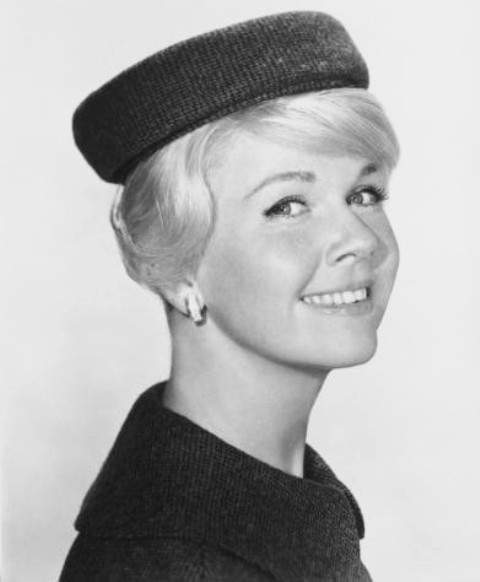
Aimee Alexander (Doris Day)
Played by Doris Day
Aimee is Alex's devoted wife, embodying compassion and steadfast loyalty. She supports Alex through his career and health issues, balancing her love for him with concern about his well-being and their future on the farm.
- 💖 Loyal
- 🧡 Supportive
- 🏡 Family-oriented
- RH
Rogers Hornsby (Hugh Sanders)
Played by Hugh Sanders
A talented and strategic baseball player, Hornsby acts as both a competitor and a confidant for Alex. His insights and friendship serve as pivotal points in Alex's career, especially during the pivotal World Series moments.
- 🏅 Skilled
- 🤝 Trusted
- 🧠 Strategic
Where and When Is The Winning Team Set?
The Winning Team is set in Elba, Nebraska, Galesburg, Illinois, Syracuse, New York, Philadelphia… (1909-1926). Here is why the time and place matter to the story.
When
1909-1926
The film takes place during the early 20th century, a period marked by significant developments in baseball and American history. It begins in 1909, a time of burgeoning professional baseball, and spans through World War I, the Roaring Twenties, and the early years of radio broadcasting. These years were characterized by economic growth, social change, and the rise of sports as major entertainment.
Where
Elba, Nebraska, Galesburg, Illinois, Syracuse, New York, Philadelphia, Pennsylvania, Chicago, Illinois, St. Louis, Missouri
The movie spans several American towns known for their small-town charm and major league baseball history. Elba is depicted as a typical Nebraska town with a strong community focus. Galesburg, Illinois, and Syracuse, New York, serve as early baseball training grounds, representing America's minor league and early 20th-century sports culture. Major league scenes unfold in historic stadiums in Philadelphia, Chicago, and St. Louis.
- 🌾 Rural town
- 🏟 Baseball cities
- 🌉 Industrial areas
What Are the Themes of The Winning Team?
2 ideas the story keeps returning to, among them Resilience and Love and Loyalty.
-
01
Resilience
The story emphasizes the importance of resilience through Alex's career ups and downs, health struggles, and personal hardships. Despite injuries, alcohol problems, and medical issues, he overcomes adversity to achieve greatness. The theme highlights perseverance and the determination to succeed against all odds.
-
02
Love and Loyalty
The evolving relationship between Alex and Aimee underscores themes of love, loyalty, and sacrifice. Aimee's unwavering support and concern showcase the strength of their bond, especially as Alex deals with his health and personal battles. Their relationship ultimately endures through his career struggles and victories.
What Kind of Film Is The Winning Team?
Hopeful in tone, with steady pacing and a straightforward story, going by the plot summary.
- Tone
- Hopeful
- Pacing
- Steady
- Story
- Straightforward
- Intensity
- Medium
- Ending
- Happy
A steady, inspiring biographical drama that explores an athlete's resilience against health and personal struggles, ultimately delivering an uplifting victory powered by unwavering love and support.
- uplifting
- triumphant
- inspiring
- dramatic
- romantic
- nostalgic
- addiction and recovery
- athlete's journey
- unwavering love
- overcoming adversity
Content notes: alcoholism, war-related injury, epilepsy.
Quiz
How well do you remember The Winning Team? Test yourself on the story.
Where to Watch The Winning Team
Rent or buy it from Amazon Video and Apple TV Store. US availability and prices from JustWatch.





Streaming availability in the US, powered by