What Is The Babe About?
The premise of The Babe in 317 words, with nothing given away. The full story follows below.
In the gritty streets of early‑1900s Baltimore, a sprawling industrial school for boys looms as both refuge and crucible. Here the young George Herman Ruth Jr. discovers a raw, untamed love for baseball under the watchful eye of Brother Matthias Boutlier, a stern yet compassionate mentor who first hands him a bat. The orphanage’s austere routine is softened by the crack of wood against ball, hinting at a world beyond brick walls where talent can rewrite destiny.
The film follows that budding promise as it catches the attention of a keen‑eyed scout, leading to a pivotal signing by Jack Dunn. From the mud‑splattered diamonds of a modest Baltimore team, the narrative sweeps toward the polished stadiums of the major leagues, where a shrewd owner—Harry Frazee—recognizes the boy’s potential to become a spectacle. The tone shifts from cramped corridors to the bright glare of professional baseball, underscoring a relentless climb that feels both inevitable and fragile.
As the legend grows, the story paints a vivid portrait of the larger‑than‑life star who dazzles crowds while navigating the pitfalls of fame. His whirlwind marriage to Helen Ruth introduces a private sphere fraught with the same intensity that fuels his on‑field heroics, while his camaraderie with a fellow powerhouse, Lou Gehrig, offers a glimpse of brotherhood amid competition. The New York backdrop pulses with jazz‑age optimism, yet beneath the roaring applause lies an undercurrent of pressure, excess, and the inevitable clash between public adoration and personal yearning.
In the twilight of his career, the film hints at a man confronting his own mythology. Interactions with Colonel Jacob Ruppert suggest a shifting landscape where even icons must reckon with change, while a tender encounter with Johnny Sylvester evokes the lingering echo of a boy whose hope once rode on Ruth’s swing. The mood remains bittersweet, balancing reverence for an unrivaled talent with the quiet question of what remains when the roar fades.
What Happens in The Babe?
The complete story of The Babe, from the first scene to the last, in 782 words (about 3 minutes). Spoilers throughout. Names in the text link to 7 cast member pages.
Spoilers ahead
The film opens in Baltimore, Maryland, in 1902, tracing the early life of George Herman Ruth Jr. as he is sent to St. Mary’s Industrial School for Boys, a reform school and orphanage. The story follows the boy’s rough start under the care of the institution, where he is schooled by Catholic missionaries and teased for his size. At the school, the Head of Discipline, Brother Matthias Boutlier, introduces him to the game that would redefine his life; Ruth’s bat quickly shatters expectations as he launches towering drives that astonish the adults around him. (portrayed by James Cromwell as Brother Matthias Boutlier)
As the years pass, the narrative leaps to 1914, when Ruth, now a muscular, gifted 19-year-old, shines both as a powerful hitter and a talented pitcher on the St. Mary’s team. His sensational talent draws the eye of a major league manager, and Ruth catches the attention of Jack Dunn, who signs him to the Baltimore Orioles. The film quietly marks Ruth’s ascent with the crowd’s growing excitement and the echoes of a field’s crowd-pleasing energy; the Forbes Field Announcer’s voice (portrayed by Larry Cedar) punctuates his rising fame. Ruth’s name begins to travel beyond the school’s walls as he moves toward the professional ranks. (the early development stage)
Ruth’s professional journey accelerates when he is moved to the Boston Red Sox under owner Harry Frazee; the move is framed within the financial and personal pressures that shape his career. Frazee, portrayed by Peter Donat, navigates the business side of baseball as Ruth’s prodigious talents help the team reach new heights. Ruth’s growing star power becomes a double-edged sword, drawing both adoration and tension, especially with Frazee’s broader ambitions. The film paints the social dynamics of the era, where young Ruth’s fame swells in Boston and beyond, setting the stage for a fateful transition. (portrayed by Peter Donat)
The narrative then shifts to Ruth’s move to the New York Yankees after the 1919 season, a trade that changes baseball history. In New York, Ruth electrifies the city and leads the Yankees to the 1923 World Series victory, becoming an emblem of a new era. His fame grows even as his personal life begins to show strain, including a marriage to Helen Ruth, played by [Trini Alvarado], and a public persona that courts controversy as the crowd’s reactions swing between thunderous applause and jeering lemons hurled from the stands. Ruth battles with how he is perceived off the field, while his teammates, including Lou Gehrig, known as the Iron Horse (portrayed by [Michael McGrady]), rise to prominence alongside him. (portrayed by Trini Alvarado as Helen Ruth, and Michael McGrady as Lou Gehrig)
The film traces Ruth’s dominance in the mid- and late 1920s, highlighting a historic year in 1927 when he blasts 60 home runs, surpassing his own legendary mark and cementing his legacy. In the 1932 World Series against the Cubs, he performs a famed moment that fans still recall as he “calls his shot,” pointing to center field and delivering a home run that becomes part of baseball lore. The portrait of Ruth during this period is a study in triumph and fatigue, as his public image and personal life begin to fray under the weight of relentless scrutiny. (notable moments)
By 1934, Ruth’s athletic prowess wanes, and he contemplates life beyond playing, dreaming of managing. Yankees owner Colonel Jacob Ruppert, portrayed by [Bernard Kates], calls time on his star’s tenure with the team. Ruth signs with the Boston Braves, a move that proves more comic than triumphant, as he grapples with aging and the shifting tides of the game. Before a game against the Pittsburgh Pirates, Ruth overhears owners questioning his value beyond drawing crowds, and in a dramatic display he hits three home runs and rejects the offered handshake, effectively quitting the team. The film then follows Ruth as he retreats from the spotlight, a broken figure making his way through the tunnel toward an uncertain future. (portrayed by Bernard Kates as Colonel Ruppert)
The closing chapters bring a quiet, emotional coda: Ruth encounters Johnny Sylvester, the boy he once visited in the hospital, now grown. Johnny, who had once believed Ruth could heal him with his sport, returns the signed ball Ruth had given him, signaling a complex, unresolved relationship with his own legacy. Ruth whispers, “I’m gone, Johnny. I’m gone.” Yet Johnny’s final, resounding reply—“You’re the best… you’re the best there’s ever been!”—echoes as a legacy debated and remembered through time. The film closes on a man who changed a game and left an enduring myth in his wake. (portrayed by Stephen Caffrey as Johnny Sylvester)
You’re the best… you’re the best there’s ever been!
The Babe Timeline: Every Key Event in Order
15 key events in the order they happen, from “Arrival at St. Mary's and baseball awakening” to “The ending: Ruth and Johnny”. 15 events name a place, across 11 locations.
- 1
Arrival at St. Mary's and baseball awakening
Seven-year-old George Herman Ruth Jr. is sent to St. Mary's Industrial School for Boys in Baltimore in 1902, as his father cannot manage raising him alone. He is educated by Catholic missionaries and mocked by other boys for his size. Brother Matthias Boutlier first introduces Ruth to the game of baseball, and Ruth's towering power is revealed during batting practice.
When:1902 Where:St. Mary's Industrial School for Boys, Baltimore, MD
- 2
Mentorship and early talent
Ruth is schooled and disciplined at the reformatory under Catholic missionaries who recognize his raw talent. Brother Matthias notices Ruth's potential and introduces him to baseball as a way to channel his energy. The young player begins to grow into a formidable hitter and pitcher.
When:1902-1904 Where:St. Mary's, Baltimore
- 3
Prominence on the St. Mary's team
In 1914, Ruth, now nineteen, stands out on the St. Mary's baseball team, excelling as both a powerful hitter and a great pitcher. His astonishing skills attract the attention of manager Jack Dunn. Dunn decides to take a chance on him by offering a contract.
When:1914 Where:St. Mary's, Baltimore
- 4
Adoption and signing with the Orioles
Jack Dunn adopts Ruth and signs him to a contract with the Baltimore Orioles, giving the young star a professional path. Ruth's development continues as he moves into higher levels of competition. The arrangement marks the start of his climb toward major league fame.
When:1914 Where:Baltimore
- 5
Sale to the Boston Red Sox
Midway through the 1914 season, Ruth is sold to the Boston Red Sox, beginning his ascent to national attention. He quickly becomes a fan favorite in Boston thanks to his prodigious power. The change also places him under a different era of management and expectations.
When:1914 (mid-season) Where:Boston
- 6
Ruth's rise in Boston and the 1919 sale to the Yankees
Ruth's home-run prowess helps the Red Sox captivate crowds in Boston, but tensions rise with owner Harry Frazee. After the 1919 season, Ruth demands a raise and a special road-game suite, which Frazee refuses. Frazee instead sells him to the New York Yankees to finance his Broadway shows.
When:1919 Where:Boston to New York
- 7
New York glory and the 1923 World Series
Ruth becomes a national sensation with the Yankees and helps them win the 1923 World Series. His presence fuels a new era of power hitting and elevates the team to a new level of popularity. The spotlight fully shifts to Ruth as a Broadway of baseball stardom.
When:1923 Where:New York
- 8
Johnny Sylvester and the power display
A couple of years after the 1923 season, Ruth visits Johnny Sylvester, a sick boy, and later belts two home runs for him. The gesture cements Ruth's larger-than-life status in the public eye. The moment intertwines personal heroics with his on-field exploits.
When:circa 1925 Where:New York
- 9
Gehrig rises as Ruth's decline begins
A few years after his peak, Ruth begins a slump as Lou Gehrig rises to prominence, earning the nicknames Iron Horse and The Pride of the Yankees. Ruth's influence wanes on the field even as his legend endures off it. The shifting dynamics mark the start of a gradual downturn.
When:mid to late 1920s Where:New York Yankees
- 10
Lemons incident and the tarnished image
Ruth endures a hostile crowd that pelts him with lemons, and his anger spills onto the field as he yells from the dugout. The incident further tarnishes his public image and foreshadows the end of an era. The moment underscores the pressures of fame on a volatile star.
When:late 1920s Where:Stadium, New York
Show the other 5 events of The Babe Hide the last 5 events
- 11
60-home run season of 1927
In 1927, Ruth returns to form and belts 60 home runs, breaking his own record of 59 for a single season. The feat re-establishes him as the game's dominant slugger and cements his legacy. The feat resonates across baseball and popular culture.
When:1927 Where:New York
- 12
The called shot in the 1932 World Series
During game three of the 1932 World Series against the Cubs, Ruth points toward center field in a famous display known as the 'called shot,' then delivers a towering home run. The moment becomes one of the most iconic in baseball lore. The scene encapsulates Ruth's enduring mystique in the late prime of his career.
When:1932 Where:Wrigley Field, Chicago
- 13
Decline and departure from the Yankees
By 1934, Ruth's career has declined, and the Yankees release him from the team. He signs with the Boston Braves under the promise of a managerial role, but his presence is more comedic than managerial. The transition signals the final phase of his playing days.
When:1934 Where:Boston Braves
- 14
Quitting the Braves in a dramatic moment
Before a game against the Pittsburgh Pirates, Ruth overhears owners noting he's only good for drawing crowds. He responds by hitting three home runs, then shuns the handshake of congratulations and drops his Braves cap, effectively quitting the team. The moment caps his on-field arc with a defiant farewell.
When:1934 Where:Boston
- 15
The ending: Ruth and Johnny
The film ends with Ruth trudging through the tunnel, broken yet still legendary. Johnny, grown now, tells Ruth that he is still his hero and returns the signed ball Ruth once gave him. Ruth whispers, 'I'm gone,' as Johnny calls him the best there ever was and Ruth begins to walk away.
When:1934 (epilogue) Where:Entrance tunnel
Who Are the Main Characters in The Babe?
7 characters, among them Babe Ruth (John Goodman), Harry Frazee (Peter Donat) and Jack Dunn (J.C. Quinn): who each one is and the part they play in the story. Every profile links to the actor’s page.
-

Babe Ruth (John Goodman)
Played by John Goodman
A legendary power hitter whose prodigious talent propels him from a Baltimore orphanage to superstardom across Orioles, Red Sox, and Yankees. His charisma and stubbornness fuel both his success and his personal battles, including public scrutiny and shifting loyalties. The film traces his rise, iconic moments, and emotional struggles behind the legend.
- ⚾️ Baseball
- 🎭 Fame
- 🏆 Legend
-
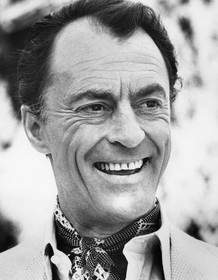
Harry Frazee (Peter Donat)
Played by Peter Donat
The Broadway-producing owner who buys and later sells Ruth to fund his theatrical dreams. His decisions are driven by commerce and spectacle, impacting Ruth’s career and the trajectory of the teams involved. Frazee embodies the high-stakes tension between sport, show business, and financial risk.
- 💼 Business
- 🎭 Broadway
- ⚖️ Controversy
-
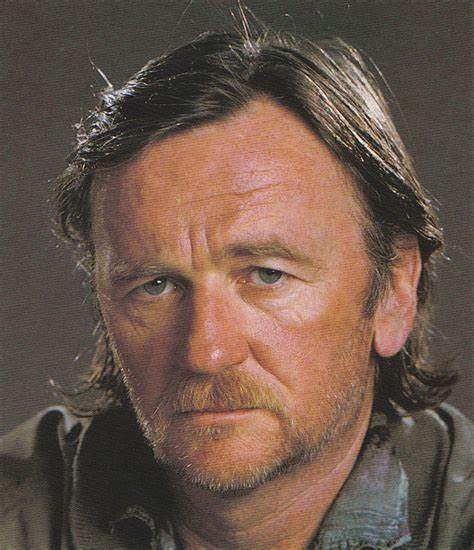
Jack Dunn (J.C. Quinn)
Played by J.C. Quinn
Adopts Ruth and signs him to the Baltimore Orioles, recognizing his extraordinary talent early on. Dunn serves as a mentor figure who helps Ruth transition from youth to professional baseball, shaping his early career and opportunities. His decisions influence Ruth’s path through the minors to the majors.
- ⚾️ Baseball
- 🤝 Mentor
- 🗺️ Career beginnings
- CJ
Colonel Jacob Ruppert (Bernard Kates)
Played by Bernard Kates
Yankees owner who welcomes Ruth to a new era of pennant-winning teams and immense fanfare. His business-minded approach and appetite for success frame Ruth’s later years in New York. Ruppert embodies the commercial success and public pressure that define Ruth’s legacy.
- 🏛️ Ownership
- 💼 Power
- 🗽 Legacy
- LG
Lou Gehrig (Michael McGrady)
Played by Michael McGrady
Ruth’s teammate who rises to dominance as the ‘Iron Horse,’ eclipsing Ruth at times and highlighting the shifting dynamics within the Yankees. Gehrig’s ascent mirrors Ruth’s fall in public perception, illustrating the evolving competitive landscape of baseball stardom.
- ⚾️ Teammate
- 🏁 Rivalry
- 🧭 Legacy
- JS
Johnny Sylvester (Stephen Caffrey)
Played by Stephen Caffrey
A sickly boy whom Ruth visits and empowers with his belief in the star. The exchange between Ruth and Johnny encapsulates the human wish to inspire beyond the field. Johnny’s faith reinforces Ruth’s role as a cultural hero, even as personal doubts persist.
- 💙 Hero worship
- 🧒 Hope
- 🪞 Reflection
-

Helen Ruth (Trini Alvarado)
Played by Trini Alvarado
Ruth’s first wife, whose marriage and subsequent divorce reflect the personal costs of Ruth’s public life. Her presence marks a personal milestone and loss, contrasting Ruth’s professional triumphs with private heartbreak.
- 💔 Love and loss
- 👩❤️💋👨 Marriage
- 🧭 Personal life
Where and When Is The Babe Set?
The Babe is set in Baltimore, Boston and New York (1902-1934). Here is why the time and place matter to the story.
When
1902-1934
The narrative spans from Ruth’s orphaned beginnings in 1902 through the peak of his career in the 1920s and into his decline by the mid-1930s. It highlights pivotal years like his time with the Orioles, Red Sox, and Yankees, including landmark moments in the 1920s and early 1930s. The period reflects a transformative era in American sports and entertainment.
Where
Baltimore, Boston, New York
The story moves through Baltimore, where Ruth begins his life at St. Mary’s Industrial School, and then across the baseball capitals of Boston and New York. It captures the urban ballparks and crowded streets that shaped his rise to fame. The cities serve as backdrops for the battles between discipline, opportunity, and the roar of the crowd.
- 🏙️ Urban hubs
- ⚾️ Baseball cities
- 🕰️ Early 20th century
What Are the Themes of The Babe?
4 ideas the story keeps returning to, among them Fame, Identity and Institution.
-
01
Fame
The film centers on how extraordinary talent thrust Ruth into the national spotlight, turning him into a cultural icon. It shows fame as both a gift and a burden, bringing adoration from fans while inviting scrutiny from owners and media. Key moments reveal how public image can clash with personal life and team dynamics.
-
02
Identity
Ruth wrestles with who he is beyond the nickname and the power at the plate. The tension between bravado and vulnerability exposes the pressures of living up to a myth. Personal relationships, including marriage and mentorship, test and shape his sense of self.
-
03
Institution
St. Mary’s Industrial School instills discipline but also leaves Ruth with scars that influence his behavior and self-worth. The film portrays how institutions can both shape talent and constrain humanity. These early experiences set the stage for Ruth’s complex relationship with authority and fame.
-
04
Legacy
Ruth’s achievements leave an indelible imprint on baseball and popular culture, even as his personal life suffers. The narrative questions what a legacy costs in terms of happiness and real connections. The final scenes juxtapose myth with human fragility, underscoring the cost of being remembered as 'the best'.
What Kind of Film Is The Babe?
Bittersweet in tone, with steady pacing and a straightforward story, going by the plot summary.
- Tone
- Bittersweet
- Pacing
- Steady
- Story
- Straightforward
- Intensity
- Medium
- Ending
- Bittersweet
An inspiring yet somber biographical drama that follows the meteoric rise and personal struggles of baseball legend Babe Ruth, capturing triumphant highs and the bittersweet weight of fame and time.
- inspiring
- somber
- triumphant
- nostalgic
- reflective
- strained
- sports biography
- rise and fall
- fame and consequences
- personal demons
Content notes: marital infidelity, alcohol use.
Quiz
How well do you remember The Babe? Test yourself on the story.
Where to Watch The Babe
Rent or buy it from Amazon Video and Apple TV Store. US availability and prices from JustWatch.





Streaming availability in the US, powered by