What Is The Babe Ruth Story About?
The premise of The Babe Ruth Story in 336 words, with nothing given away. The full story follows below.
In the bustling streets of early‑20th‑century Baltimore, the roar of a stadium crowd can be heard over the clatter of ships on the waterfront, and baseball is fast becoming the nation’s heartbeat. The film opens on this lively, gritty backdrop, painting a portrait of an America where sport offers both escape and identity. The atmosphere is soaked in the optimism of a growing pastime, yet shadows linger in the alleys where a young boy learns that survival often depends on more than just talent.
At the centre of this world stands Babe Ruth, a charismatic figure whose raw skill and magnetic personality set him apart before he even steps onto a professional diamond. We see him as a restless youth, caught between an abusive home and the promise of a brighter future, his every swing hinting at a destiny larger than the neighborhoods that raised him. His larger‑than‑life presence is matched by an inner conflict that drives him to seek purpose beyond the game’s bright lights.
Guiding him are a handful of pivotal figures who shape his path without ever overtaking his story. Brother Matthias arrives as a stern yet caring guardian, offering the structure that the boy has never known. Claire Hodgson emerges as a quiet confidante, whose insights about the nuances of pitching become part of his legend. Meanwhile, the seasoned manager Miller Huggins provides the professional steel that helps translate raw talent into disciplined greatness. Together they point toward the twin homes of his career: the storied Boston Red Sox and the iconic New York Yankees, each representing a stepping stone on his rise to fame.
The tone balances reverent nostalgia with the tension of a life lived in the spotlight. Sweeping shots of packed stadiums sit beside intimate moments of personal reflection, suggesting that the true drama lies as much in Ruth’s inner journey as in his home‑run heroics. The film promises a vivid exploration of ambition, community, and the enduring myth of a man who became America’s most beloved baseball hero.
What Happens in The Babe Ruth Story?
The complete story of The Babe Ruth Story, from the first scene to the last, in 599 words (about 3 minutes). Spoilers throughout. Names in the text link to 5 cast member pages.
Spoilers ahead
The film Babe Ruth traces the life of the legendary baseball star from a rough childhood in Baltimore to the peak of American sports fame, showing how talent, hard choices, and a larger-than-life personality shaped both his career and his public image.
In 1906, along the Baltimore Waterfront, 11-year-old Babe Ruth is taken from an abusive father by Brother Matthias and sent to St. Mary’s, a move that sets him on a path toward baseball stardom. As he grows, his exceptional talent begins to bloom, and by the time he is 18 he earns a place with the Baltimore Orioles, a pivotal step that brings him into the national spotlight and helps him acquire the nickname that sticks.
His on-field gifts land him moves to bigger stages: first to the Boston Red Sox, where a pivotal moment at a bar with a skeptical crowd leads to guidance from Claire Hodgson. She explains that when he pitches his curveball he sticks out his tongue, a quirk that becomes part of his legend as he signs a new $10,000 contract and rises to even greater prominence. The film also shows Ruth’s growing awareness of how his actions affect others, including a sick child named Denny and his father, who watch him play and hope for miracles.
The story then follows Ruth’s transfer to the New York Yankees and the complexities of fame. After an incident in which he rescues a dog and its young owner, Ruth argues with doctors that a dog is as deserving of care as a human, an act that leads to a suspension from the Yankees. This setback sends him into a period of reflection and reckoning, including a stint in a bar where a gambler tries to pressure him into throwing a game, culminating in a fight and an arrest. Throughout this turbulent phase, Miller Huggins fights to bring him back to the team, underscoring the tug between personal missteps and professional loyalty.
A turning point comes when Ruth rediscovers his purpose through charitable work and the example of Claire Hodgson, who reminds him that his influence reaches far beyond the ballpark. He returns to form, the Yankees win the World Series, and he and Catherine—sorry, he and Claire—enter into marriage as Huggins’ influence wanes. The film then notes the sorrowful death of Miller Huggins, a blow to the team and to Ruth personally.
During Game 3 of the 1932 World Series, Ruth receives a poignant call from the father of a dying child, promising that when he goes up to bat, he will call the third shot and the ball will land in a precise spot—an act that offers hope to the boy and his family, a moment framed by the film to emphasize Ruth’s compassionate side.
As time passes, Ruth retires from the Yankees at 41 and moves into a management role with the Boston Braves, though the team still hopes to coax him to continue playing. A moment of strain follows as neck pain intensifies, and Ruth eventually learns that he is dying of throat cancer. Fans respond with letters of support, and medical efforts are made to treat him; the finale turns to a Narration by Knox Manning as doctors prepare for surgery. The closing passages celebrate Babe Ruth’s enduring impact on American baseball and the nation’s love for the sport, with the narrator crediting his life and choices for inspiring generations of fans. In the end, the story of Ruth’s life—his triumphs, his trials, and his ultimate decline—remains a testament to a man who defined an era in baseball.
“Hiya, keed”
The Babe Ruth Story Timeline: Every Key Event in Order
15 key events in the order they happen, from “Ruth is rescued from abuse and sent to St. Mary's” to “Battle with throat cancer; hospital treatment and farewell to fans”. 14 events name a place, across 10 locations.
- 1
Ruth is rescued from abuse and sent to St. Mary's
In 1906, at the Baltimore Waterfront, 11-year-old George Herman Ruth Jr. is taken away from his abusive father by Brother Matthias and placed in the care of St. Mary's. The move marks the beginning of Ruth's long, dramatic journey away from his troubled home. He begins building a future where baseball can offer an escape.
When:1906 Where:Baltimore Waterfront, Baltimore, MD
- 2
Becomes a professional with the Orioles; earns 'Babe' nickname
At age 18, Ruth's prodigious talent earns him a spot with the Baltimore Orioles, launching his professional baseball career. During his interview, he receives the nickname 'Babe' for his larger-than-life persona. He quickly rises as a remarkable talent drawing attention from fans and scouts alike.
When:circa 1913 Where:Baltimore
- 3
Sold to the Boston Red Sox; begins rising to fame
Ruth is sold to the Boston Red Sox, where his raw power starts making waves beyond Baltimore. He becomes a central figure on the team, captivating crowds with his slugging and charisma. His growing fame paves the way for bigger contracts and national attention.
When:1914 Where:Boston
- 4
Bar conversation reveals curveball tip from Claire Hodgson
After a tough game, Ruth vents at a bar where Claire Hodgson suggests that his curveball has a tell—he sticks out his tongue when delivering the pitch. The moment hints at the personality behind the legend and gives him a new approach to pitching. The exchange plants the seeds for a future partnership.
When:circa 1914-1915 Where:Bar
- 5
Secures a $10,000 contract and encounters Claire again
Ruth lands a lucrative contract worth $10,000, signaling his arrival as one of baseball's top players. He seeks out Claire Hodgson, only to face a cool reception that foreshadows personal tensions. He continues to chase success on the field while navigating the evolving relationship.
When:late 1910s
- 6
Denny Miracle: a sick boy is cured at a game
During a game, Denny, a sick paralyzed child, and his father watch Ruth play from the stands. Ruth greets the boy with 'Hiya, kid,' and the child is miraculously cured, standing up to the awe of the crowd. The moment cements Ruth's mythic status and close bond with fans.
When:late 1910s/early 1920s Where:Stadium
- 7
Becomes a New York Yankee; era of dominance begins
Ruth moves to the New York Yankees, instantly becoming the team's most iconic star. His power hitting and personality redefine the franchise and draw millions of fans to the ballpark. The Yankees' fortunes rise with him at the center.
When:1920 Where:New York
- 8
Hurt a dog, hospital visit, and suspension
In a controversial moment, Ruth accidentally injures a dog and rushes it and its young owner to the hospital. He argues with doctors that a dog deserves care as much as a person, but leaves the game, earning a suspension. The incident fuels debate about his off-field responsibilities and loyalty to fans.
When:early 1920s Where:Hospital; Stadium
- 9
Bar turmoil: arrest amid personal struggles
During a period of doubt, Ruth spends time in a bar where a gambler pressures him to throw a game. He ends up in a confrontation and is arrested, tarnishing his image at a critical career juncture. The setback tests his resolve to be a role model for fans and players alike.
When:mid-1920s Where:Bar
- 10
Santa Claus at a children's hospital and a turning point
To inspire the young fans, Ruth volunteers as Santa Claus at a children's hospital. Claire returns to remind him that his actions affect the children of America, a realization that motivates his later choices. He resolves to use his fame for good beyond the field.
When:mid to late 1920s Where:Children's hospital
Show the other 5 events of The Babe Ruth Story Hide the last 5 events
- 11
Return to the Yankees; World Series glory and marriage
Miller Huggins fights to bring Ruth back to the Yankees, and his return helps the team win the World Series. The victory anchors Ruth's heroic status in baseball lore. After this triumph, Ruth marries Claire Hodgson in a ceremony that blends his on-field legend with his personal life.
When:1927-1929 Where:New York
- 12
Miller Huggins dies; marking a somber note in Ruth's life
Shortly after the championship run, Yankees manager Miller Huggins dies from pyemia. His death leaves a leadership void and foreshadows changes in Ruth's career and the franchise. Ruth pays tribute to his former mentor amid the evolving team dynamics.
When:1929 Where:New York
- 13
The Called Shot in the 1932 World Series
In Game 3 of the 1932 World Series, Ruth makes the famous called shot to honor a dying child and his father, promising that the next pitch will land at a specific spot. The moment resonates with fans and cements Ruth's legacy as a symbol of hope. The crowd hears the prophecy as the ball lands in the intended place.
When:1932 Where:Wrigley Field, Chicago
- 14
Retires from playing; joins the Boston Braves as manager
Ruth retires from the Yankees at 41 and takes a management role with the Boston Braves, though they would have preferred him as a player. He struggles with the transition and ultimately leaves his playing days behind him. The move signals the end of a vibrant era on the field and the beginning of a new chapter in leadership.
When:1935-1936 Where:Boston
- 15
Battle with throat cancer; hospital treatment and farewell to fans
Suffering neck pain, Ruth learns he is dying of throat cancer. Fans flood him with letters of support as doctors attempt a treatment with a real chance of survival. As he is taken into surgery, a narrator acknowledges Ruth's profound impact on baseball and American culture.
When:1948 Where:Hospital
Who Are the Main Characters in The Babe Ruth Story?
9 characters, among them George Herman 'Babe' Ruth, Claire Hodgson Ruth and Miller Huggins: who each one is and the part they play in the story. 8 of them link to the actor’s page.
- GH
George Herman 'Babe' Ruth
Played by William Bendix
George Herman 'Babe' Ruth is the film's central figure, a prodigious talent whose larger-than-life persona propels him into national superstardom. The story follows his rise from Baltimore childhood to stardom with the Orioles, Red Sox, and Yankees, highlighting how his personality shapes his performance and reputation. He faces temptations and pressures that test his character, ultimately steering his legacy as much as his bat.
- ⚾ Baseball legend
- 🎭 Public figure
- ❤️ Romance
-
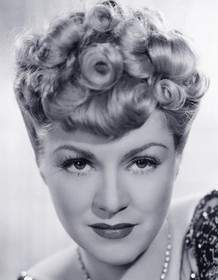
Claire Hodgson Ruth
Played by Claire Trevor
Claire is a steady partner and moral guide who reminds Ruth of the impact his actions have on children and fans. Their relationship evolves as his fame grows, and she helps him navigate temptations and public scrutiny. She serves as the emotional anchor that grounds his public life in personal values.
- ❤️ Love interest
- 🧭 Moral compass
- MH
Miller Huggins
Played by Fred Lightner
Miller Huggins is the Yankees manager who suspends Ruth after a reckless moment and later fights to bring him back. He embodies authority and discipline, contrasting Ruth's free-spirited talent with the responsibilities of leadership. His interactions with Ruth highlight the tension between rule-following and redemption.
- ⚾ Baseball manager
- 🗣️ Authority
- BC
Bill Carrigan
Played by Pat Flaherty
Bill Carrigan is the Red Sox manager depicted during Ruth's time with Boston, representing the pre-Yankees chapter of his career. He symbolizes the organizational side of baseball and the shifting fortunes of a rising star. His presence marks a key transition point in Ruth's professional journey.
- ⚾ Red Sox Manager
- GD
Gambler Dalton
Played by Lloyd Gough
Gambler Dalton tries to pressure Ruth into throwing games, unveiling the dark underside of sports fame. Ruth's resistance to the manipulation reinforces his integrity under pressure. The confrontation catalyzes Ruth's path back to the field and his fans.
- 🎲 Gambling
- ⚖️ Temptation
- D
Denny
Denny is a sick paralyzed child who, along with his father, witnesses Ruth's acts of kindness. Ruth's gesture leads to a moment of miraculous hope, underscoring the film's recurring message about the healing power of compassion. Denny's presence anchors the emotional core of Ruth's public persona.
- 🏥 Child
- 💖 Compassion
- PC
Phil Conrad
Played by Sam Levene
Phil Conrad is Denny's father, a figure who witnesses Ruth's humanity during a pivotal moment. His perspective frames the social impact of Ruth's fame on ordinary families. He represents the grateful public whose faith Ruth must honor.
- 👔 Father
- KM
Knox Manning
Played by Knox Manning
Knox Manning serves as the narrator, guiding the audience through Ruth's life and highlighting the cultural significance of his achievements. His narration frames Ruth's story within the broader history of baseball and American sports. The voice anchors the film's reflective tone.
- 🎙️ Narration
- GH
George Herman Ruth (as a Boy)
Played by Robert Ellis
A youthful portrayal of Ruth that hints at the origins of his later fame. This depiction provides a glimpse into the early life that shaped his drive and early love for the game. It links the boy to the man who becomes a national icon.
- 🧒 Childhood
Where and When Is The Babe Ruth Story Set?
The Babe Ruth Story is set in Baltimore, Boston and New York (1906–late 1940s). Here is why the time and place matter to the story.
When
1906–late 1940s
The story spans Ruth's 1906 Baltimore beginnings through the peak of the 1920s and 1930s and into the late-1940s era of illness and reflection. It covers the rise of professional baseball, its cultural impact, and the personal costs of fame.
Where
Baltimore, Boston, New York
Set across several American cities, the story begins in Baltimore on the waterfront and follows Ruth's rise through Major League Baseball. It then shifts to Boston as he debuts with the Red Sox and to New York as he becomes a Yankees legend. These urban settings frame Ruth's extraordinary fame within the American sports landscape.
- 🏙️ American cities
- ⚾ Baseball history
- 🗺️ Baseball culture
What Are the Themes of The Babe Ruth Story?
3 ideas the story keeps returning to, among them Fame & Responsibility, Integrity Under Pressure and Compassion & Animals.
-
01
Fame & Responsibility
Ruth's celebrity brings scrutiny and expectation. The film portrays how his actions—on the field and off—shape the lives of fans, especially impressionable children who idolize him. Through hospital visits and public appearances, Ruth learns that his influence extends beyond victories.
-
02
Integrity Under Pressure
The sport's temptations test his character: a gambler pressures him to throw games, leading to suspension and reflection. His return to the Yankees underscores a commitment to fair play and responsibility to teammates and fans. The arc shows that genius without integrity risks public trust and personal ruin.
-
03
Compassion & Animals
Ruth's empathy extends beyond players to animals and children. He argues for humane treatment of animals and defends a sick child, using his fame to advocate for those in need. The hospital scenes and charity work reveal a softer side beneath the public swagger.
What Kind of Film Is The Babe Ruth Story?
Hopeful in tone, with steady pacing and a straightforward story, going by the plot summary.
- Tone
- Hopeful
- Pacing
- Steady
- Story
- Straightforward
- Intensity
- Medium
- Ending
- Bittersweet
An inspiring yet reflective biographical drama that follows the triumphant highs and personal lows of a sports legend's life, culminating in a bittersweet but ultimately hopeful legacy.
- inspiring
- nostalgic
- triumphant
- melancholic
- reflective
- uplifting
- sports biography
- redemption
- fame and legacy
- illness and mortality
Content notes: terminal illness, childhood adversity, alcohol use.
Quiz
How well do you remember The Babe Ruth Story? Test yourself on the story.