
Each Dawn I Die (1939): Cast, Plot & Where to Watch
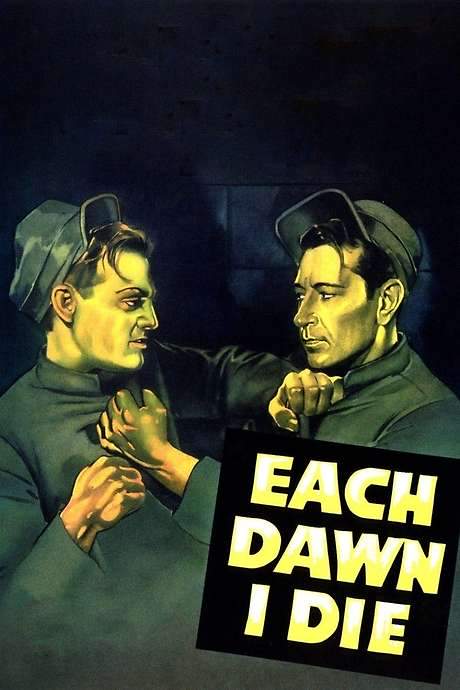
Each Dawn I Die is a 1939 drama thriller directed by William Keighley, starring James Cagney as Frank Ross, Emma Dunn and Jack Perry. It runs 1 hour 32 minutes. Stream it on Plex and Tubi TV, or rent or buy it on Amazon Video and Apple TV Store.
- Released
- Runtime
- 1h 32m (92 min)
- Director
- William Keighley
- Original language
-
 English
 - Studio
- Warner Bros. Pictures
- After the credits
- No No extra scene
What Is Each Dawn I Die About?
The premise of Each Dawn I Die without spoilers. The whole story is in the plot summary further down.
An ambitious district attorney seeking higher office becomes infuriated by a reporter’s expose of his criminal dealings. Determined to quash the criticism, he concocts a scheme to frame the journalist for manslaughter, hoping the false conviction will permanently silence him.
Each Dawn I Die Themes & Keywords
· 50 tags- prison warden
- handcuffs
- hay hook
- machine gun
- penitentiary
- solitary confinement
- fatal car accident
- framed for murder
- reporter as protagonist
- graft
- investigative reporter
- crime boss
+38 more Show fewer
- facial scar
- prison movie night
- jailhouse snitch
- repayment of debt
- male friendship
- national guard
- exoneration
- boyfriend girlfriend reunion
- self sacrifice
- gangster crime
- prison drama
- psychological drama
- muckraker
- crooked lawyer
- prison
- escape from prison
- prison guard
- political corruption
- district attorney
- sadism
- release from prison
- murder
- new york
- contraband
- trial
- surrender
- manslaughter
- prison visit
- lawyer
- stool pigeon
- parole hearing
- parole board
- intimidation
- stabbed in the back
- mother son relationship
- insubordination
- wrongful conviction
- con artist
Where to Watch Each Dawn I Die
Stream it on Plex and Tubi TV, or rent or buy it from Amazon Video and Apple TV Store. US availability and prices from JustWatch.
 Plex
Plex  Plex Channel
  Tubi TV




Streaming availability in the US, powered by 
Each Dawn I Die Cast & Characters
James Cagney leads the cast as Frank Ross, with Emma Dunn as Mrs. Ross and Jack Perry as Hoodlum Who Helps Frame Ross (uncredited). Directed by William Keighley; 70 actors are credited in all.
-
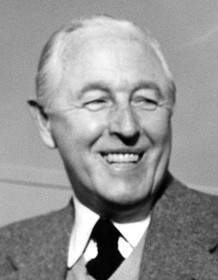 Director William Keighley
-
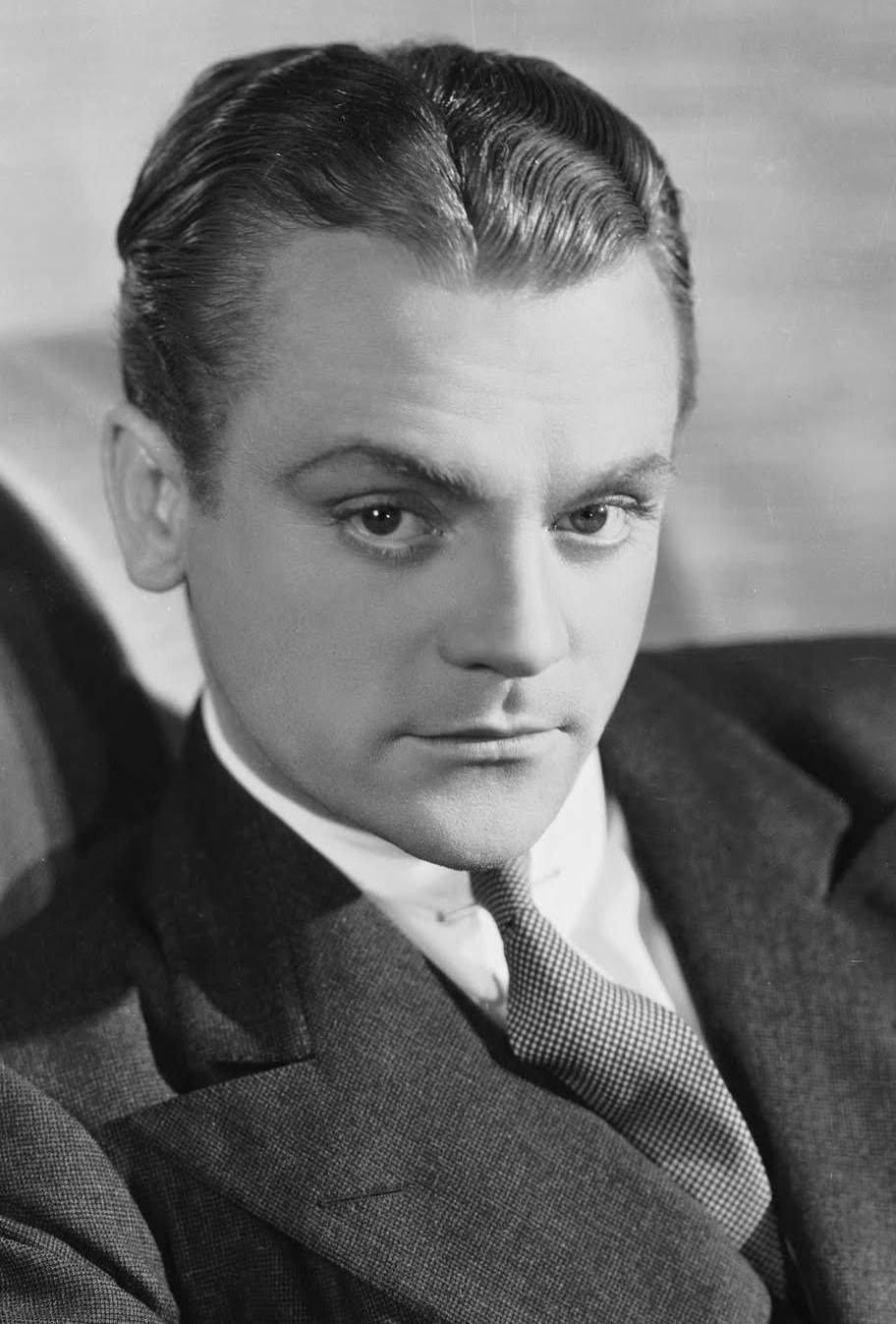 James Cagney as Frank Ross
 - Emma Dunn as Mrs. Ross
- Jack Perry as Hoodlum Who Helps Frame Ross (uncredited)
-
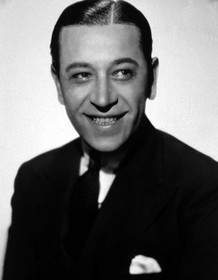 George Raft as 'Hood' Stacey
Also Starring in Each Dawn I Die
· 66 more- Alan Baxter Pole Cat Carlisle
- Lee Phelps Guard (uncredited)
- James Flavin Policeman (uncredited)
- William B. Davidson Bill Mason
- Paul Hurst Garsky
- Victor Jory W.J. Grayce
- Raymond Bailey Convict (uncredited)
- George Bancroft Prison Warden John Armstrong
- Maxie Rosenbloom Fargo Red
- Frank O'Connor Guard in Movie Room (uncredited)
- Selmer Jackson Editor Patterson (uncredited)
- Bert Moorhouse Lawyer (uncredited)
- Emmett Vogan Prosecutor (uncredited)
- Leo White Taxi Driver (uncredited)
- Stuart Holmes Accident Witness (uncredited)
- Chuck Hamilton Court Officer (uncredited)
Show all 70 cast members Show fewer cast members
- Mike Lally Convict (uncredited)
- Wilfred Lucas Bailiff (uncredited)
- Robert Homans Mac - a Guard (uncredited)
- Charles Sullivan Convict (uncredited)
- Charles Trowbridge Judge
- Harry Cording Temple
- Paul Panzer Convict (uncredited)
- Al Hill Johnny - a Gangster (uncredited)
- Harry Tenbrook Convict (uncredited)
- Thurston Hall Hanley
- John Ridgely Reporter (uncredited)
- John Dilson Parole Board Member (uncredited)
- Cliff Saum Accident Witness (uncredited)
- Jack Wise Convict (uncredited)
- Willard Robertson Lang
- John Harron Jerry - a Reporter (uncredited)
- Fred Graham Guard in Cell (uncredited)
- Dick Rich Guard (uncredited)
- Louis Jean Heydt Lassiter
- Walter Miller Turnkey (uncredited)
- Bob Perry Bud - a Gangster (uncredited)
- Sailor Vincent Convict (uncredited)
- Eddie Hart Guard (uncredited)
- John Wray Pete Kassock
- Stanley Ridges Mueller
- Elliott Sullivan Convict (uncredited)
- Henry Otho Guard in Warden's Office (uncredited)
- Joe Gray Prisoner (uncredited)
- Hector V. Sarno Convict (uncredited)
- Wedgwood Nowell Parole Board Member (uncredited)
- Sam Finn Convict (uncredited)
- Abner Biberman Shake Edwards (uncredited)
- Maris Wrixon Girl in Car (uncredited)
- Clay Clement Stacey's Attorney Lockhart
- Max Hoffman Jr. Gate Guard (uncredited)
- Edward Pawley Dale
- Joe Downing Limpy Julien
- Mack Gray Joe - a Gangster (uncredited)
- Jack C. Smith Guard (uncredited)
- Martin Cichy Convict (uncredited)
- Jane Bryan Joyce Connover
- Jack A. Goodrich Accident Witness (uncredited)
- Lew Morphy Trial Warden (uncredited)
- Napoleon Simpson Mose - a Black Convict (uncredited)
- John Irwin Convict (uncredited)
- John Conte Narrator (uncredited)
- James P. Spencer Bald Convict (uncredited)
- Art Howard Parole Board Member (uncredited)
- Arthur Gardner Man in Car (uncredited)
- Garland Smith Man in Car (uncredited)
Each Dawn I Die Plot Summary
What happens in Each Dawn I Die from start to finish, spoilers included, with a timeline of 12 key events. The opening is below; the full summary is a 3-minute read.
Spoilers ahead
Frank Ross, James Cagney, a crusading newspaperman, is on the trail of a crooked district attorney when he is framed for manslaughter and sentenced to a maximum of twenty years in prison. There, he meets the notorious ‘Hood’ Stacey, George Raft, a lifer falsely accused of fatally stabbing a stool pigeon. Although Ross senses Stacey’s innocence is being used against him, he stays quiet, and Stacey, grateful for any help, agrees to aid Ross in proving the frame.
Full summary
The whole story of Each Dawn I Die, scene by scene
Each Dawn I Die Trailers & Videos
The trailer of Each Dawn I Die.
How Well Do You Know Each Dawn I Die?
10 questions about the story, each with a hint if you get stuck. Pick an answer to see whether you were right.
Question 1 of 10
- Question 1: not answered
- Question 2: not answered
- Question 3: not answered
- Question 4: not answered
- Question 5: not answered
- Question 6: not answered
- Question 7: not answered
- Question 8: not answered
- Question 9: not answered
- Question 10: not answered
Which actor plays the crusading newspaperman Frank Ross?
Cars in Each Dawn I Die
6 cars on screen, including the unknown and the 1938 Buick Limited.
-
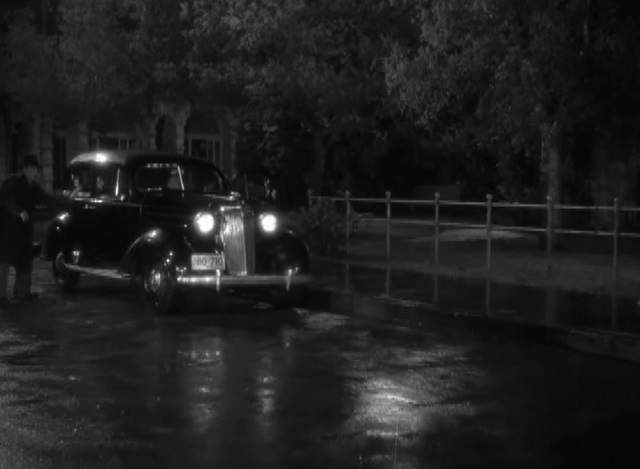 unknown Important role
 -
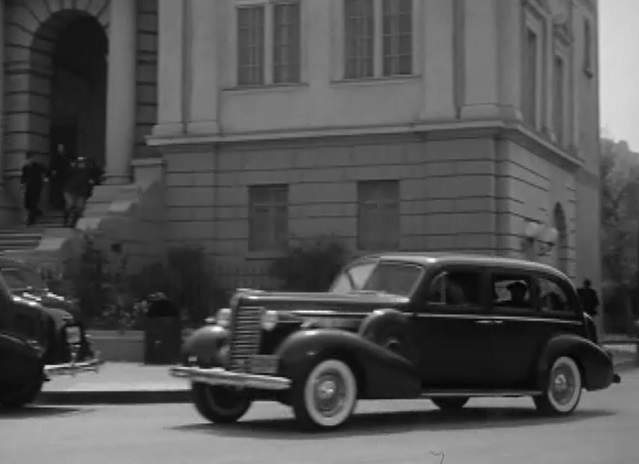 1938 Buick Limited Minor role
 -
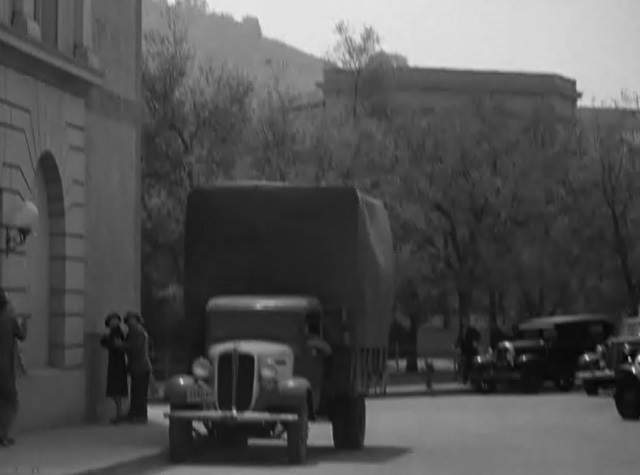 GMC Minor role
 -
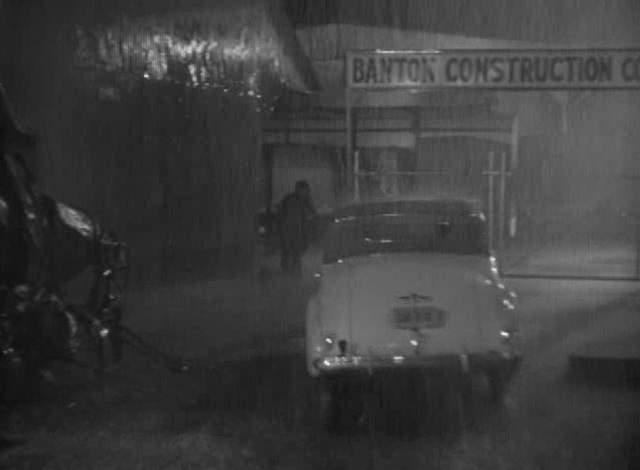 unknown Minor role
Seen Each Dawn I Die?
Movies Like Each Dawn I Die
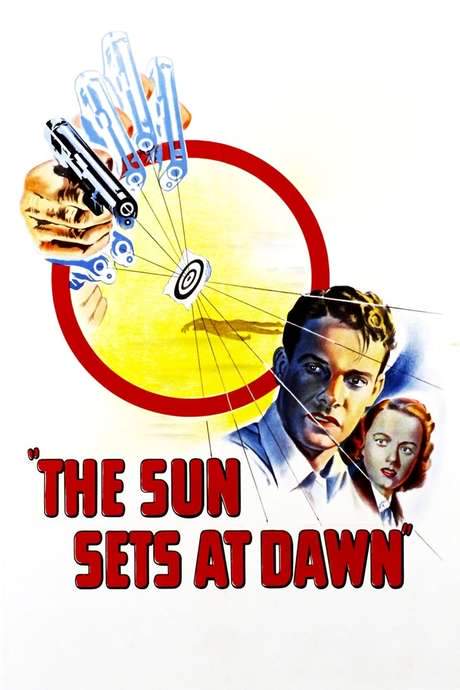
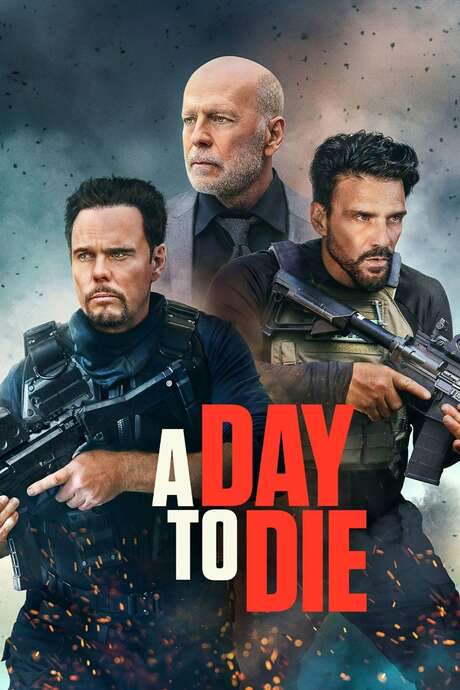
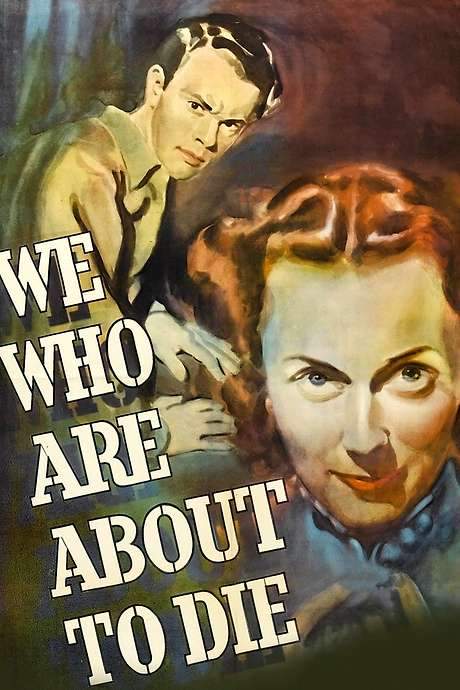
Films with a similar story, tone or audience, including The Sun Sets at Dawn, A Day to Die and We Who Are About to Die.
Each Dawn I Die FAQ: Where to Watch, Cast & Runtime
Runtime, release date, director, cast, where to watch and post-credit scenes of Each Dawn I Die, each answered in a sentence.
How long is Each Dawn I Die?
Each Dawn I Die runs 1 hour 32 minutes (92 minutes).
When was Each Dawn I Die released?
Each Dawn I Die was released on July 21, 1939.
Who directed Each Dawn I Die?
Each Dawn I Die was directed by William Keighley.
More films by William Keighley Who is in the cast of Each Dawn I Die?
Each Dawn I Die stars James Cagney as Frank Ross, Emma Dunn as Mrs. Ross and Jack Perry as Hoodlum Who Helps Frame Ross (uncredited), among 70 credited actors.
Where can I watch Each Dawn I Die?
In the US, Each Dawn I Die is streaming on Plex and Tubi TV and available to rent or buy on Amazon Video, Apple TV Store and Fandango At Home (availability from JustWatch).
Does Each Dawn I Die have a post-credit scene?
No. Each Dawn I Die has no extra scene during or after the credits.
Coming soon to your phone
The Plot Explained Movie Summary App
From blockbusters to hidden gems: plot summaries, endings explained and timelines on your phone. Save your favorites and never miss a twist again.
Be the first to know when it launches. Your email stays private, always. Learn more about the app
