What Is Each Dawn I Die About?
The premise of Each Dawn I Die in 305 words, with nothing given away. The full story follows below.
In the hard‑boiled streets of a city where ambition collides with desperation, a rising political figure eyes the pinnacle of power. The district attorney, whose hunger for a higher office drives every maneuver, finds his reputation threatened by a single, unflinching article. The piece pulls back the curtain on a web of illegal dealings, and the anger it sparks fuels a dangerous plan to silence the voice that exposed him.
At the heart of the story is Frank Ross, a tenacious reporter whose dedication to the truth has made him both a beacon for the public and a target for those who thrive in shadows. Ross moves through the bustling newsroom and the grim underbelly of the city with equal resolve, wielding his pen like a weapon against corruption. His reputation for digging deep and refusing to be intimidated places him squarely in the line of fire when the DA decides that the only way to protect his future is to manufacture a crime that will imprison his most vocal critic.
The world of the film is drenched in classic noir atmosphere—rain‑slicked alleys, smoky jazz clubs, and a courthouse that seems to loom like a fortress of compromised justice. Power is portrayed as a commodity that can be bought, traded, and weaponized, and the legal system is shown as a precarious balance between integrity and manipulation. The tone is tense and unrelenting, underscored by a sense that every ally might be a pawn and every decision could tip the scales toward either redemption or ruin.
Against this backdrop, the clash between a relentless truth‑seeker and a politician willing to bend the law to his will creates a simmering conflict. The stakes are personal and political, promising a battle where courage is tested, loyalties are strained, and the very definition of justice hangs in the balance.
What Happens in Each Dawn I Die?
The complete story of Each Dawn I Die, from the first scene to the last, in 616 words (about 3 minutes). Spoilers throughout. Names in the text link to 3 cast member pages.
Spoilers ahead
Frank Ross, James Cagney, a crusading newspaperman, is on the trail of a crooked district attorney when he is framed for manslaughter and sentenced to a maximum of twenty years in prison. There, he meets the notorious ‘Hood’ Stacey, George Raft, a lifer falsely accused of fatally stabbing a stool pigeon. Although Ross senses Stacey’s innocence is being used against him, he stays quiet, and Stacey, grateful for any help, agrees to aid Ross in proving the frame.
In a daring gambit, they orchestrate a courtroom moment where Ross publicly names Stacey as the killer of the stool pigeon’s death, just before Stacey makes a dramatic escape from the courthouse. The plan hinges on a shared grievance against a system they both believe has wronged them, but it also sows tension and mistrust from the very start. Ross vows to keep the ruse secret, yet his decision to tip off his old newspaper enrages Stacey, who finds the courtroom crowded with reporters and eyes on their every move. The stakes rise as the truth inches toward exposure, even as the two men realize their fragile alliance could derail at any moment.
Stacey escapes by leaping from a window, leaving behind a trail of questions but no real culprits. Ross, meanwhile, is drawn deeper into the fallout of the ruse and winds up spending five months in solitary confinement, handcuffed to the bars in the dark and fed bread and water once a day. He refuses to name Stacey, clinging to a stubborn belief in his own integrity and the possibility of exoneration, even as the odds stack against him and the system seems determined to keep him silenced.
As the pages of the case turn, Ross encounters another layer of corruption closer to home: the warden offers a chance at parole if he reforms, yet the district attorney—now a governor—has appointed a crony to head the parole board. The bid for release is rejected, forcing Ross to endure another five-year wait before he can re-file, a harsh reminder that justice in this world is tied to power as much as to truth. In this bleak landscape, Ross learns the nickname of the man who framed him: “Polecat.” Alan Baxter plays Polecat Carlisle, a widely disliked jailhouse informant who somehow remains a dark magnet at the center of a corrupt system.
Back behind bars, Stacey, moved by Ross’s stubborn sense of fairness, decides to go back to prison and push Polecat to confess. He even engineers a breakout that turns the warden’s office into a hostage scene, drawing in the National Guard as the escape threatens to erupt into something far larger than a simple frame-up. The moment comes when Polecat’s confession surfaces, and the truth about the framing unfurls in the open. Ross is finally vindicated, and the price is paid in blood: Stacey and Polecat are killed by Guard soldiers, while the governor and the head of the parole board are indicted for murder, a reckoning that arrives only after a long, painful march toward clarity and accountability.
Throughout, the film threads a tense meditation on power, loyalty, and the cost of staying true to one’s principles in a world where justice can hinge on who holds the keys to the system. The narrative builds a quiet momentum from a single, devastating lie to a broader exposure of corruption, showing how a reporter’s relentless pursuit of the truth, paired with a streetwise ally, can tilt an entire order back toward legitimacy. In the end, the resilience of the human spirit is spotlighted: a man who refuses to betray a friend, even when the system insists on sacrificing him, arrives at a hard-won, if imperfect, justice.
Each Dawn I Die Timeline: Every Key Event in Order
12 key events in the order they happen, from “Ross framed and sentenced” to “Vindication and justice”. 12 events name a place, across 5 locations.
- 1
Ross framed and sentenced
Frank Ross, a crusading newspaperman, is on the trail of a crooked district attorney. He is framed for manslaughter and given a maximum 20-year sentence. The injustice sets the central conflict in motion.
When:Opening Where:Courtroom
- 2
Ross meets Stacey in prison
In prison, Ross encounters Stacey, a notorious lifer who is falsely accused of stabbing a stool pigeon. Ross suspects Stacey's guilt but keeps silent to protect his own position. Their uneasy meeting seeds an unlikely partnership.
When:Shortly after sentencing Where:Prison
- 3
A plan to expose the frame
Ross and Stacey agree to work together to prove the frame, with Stacey willing to be named in court as the killer. They stage a legal maneuver during the trial that will force the truth into the light. The plan hinges on exposing the real culprit later in court.
When:During trial Where:Courtroom
- 4
Stacey escapes the courthouse
In a dramatic move, Stacey escapes by leaping from a courthouse window. The escape creates chaos and complicates any immediate pursuit. It also signals a shifting balance of leverage between Ross and his enemies.
When:Immediately after the naming Where:Courthouse
- 5
Ross in solitary confinement
Ross is implicated in Stacey's escape and spends five months in solitary confinement. He is handcuffed to the bars in the dark and fed bread and water once a day. He steadfastly refuses to implicate Stacey, maintaining his integrity.
When:Five months later Where:Prison
- 6
Parole bid denied
A parole opportunity arises if Ross reforms, but the governor appoints a crony to head the parole board. Ross's bid for release is turned down, meaning he must wait another five years to re-file. The political corruption behind the parole system becomes clear.
When:During imprisonment Where:Prison
- 7
Polecat revealed
Ross discovers the nickname 'Polecat' for the man who framed him and learns that Polecat is currently incarcerated in the same prison. This connection promises a path to the truth if Polecat can be forced to talk.
When:Later in imprisonment Where:Prison
- 8
Stacey returns to pressure Polecat
Stacey, impressed by Ross's 'square guy' demeanor, decides to return to prison to force Polecat to confess. He instigates a prison breakout and orders prisoners to bring Polecat to him, holding the warden hostage in the upheaval.
When:During imprisonment Where:Prison
- 9
Breakout halted; confession revealed
The National Guard arrives to quell the escape, and the warden witnesses Polecat's confession to framing Ross. The breakout scene accelerates the exposure of the truth and the collapse of the frame-up.
When:Night of breakout Where:Prison
- 10
Polecat's confession vindicates Ross
Polecat publicly confesses to the framing, clearing Ross's name and validating his long fight for exoneration. The truth is finally brought to light, undoing the earlier injustice.
When:Following confession Where:Prison
- 11
Stacey and Polecat killed; officials indicted
Stacey and Polecat are killed by Guard soldiers in the fallout of the confession. The governor and the head of the parole board are indicted for murder, signaling consequences for the corrupt system that once protected the frame.
When:After confession Where:Prison / City
- 12
Vindication and justice
Ross is finally vindicated, and the public justice system is shown to have prevailed. The closing scenes underscore the power of truth and the cost of corruption, with Ross reclaiming his reputation.
When:After events Where:City
Who Are the Main Characters in Each Dawn I Die?
5 characters, among them Frank Ross (James Cagney), Hood Stacey and Pole Cat Carlisle: who each one is and the part they play in the story. Every profile links to the actor’s page.
-
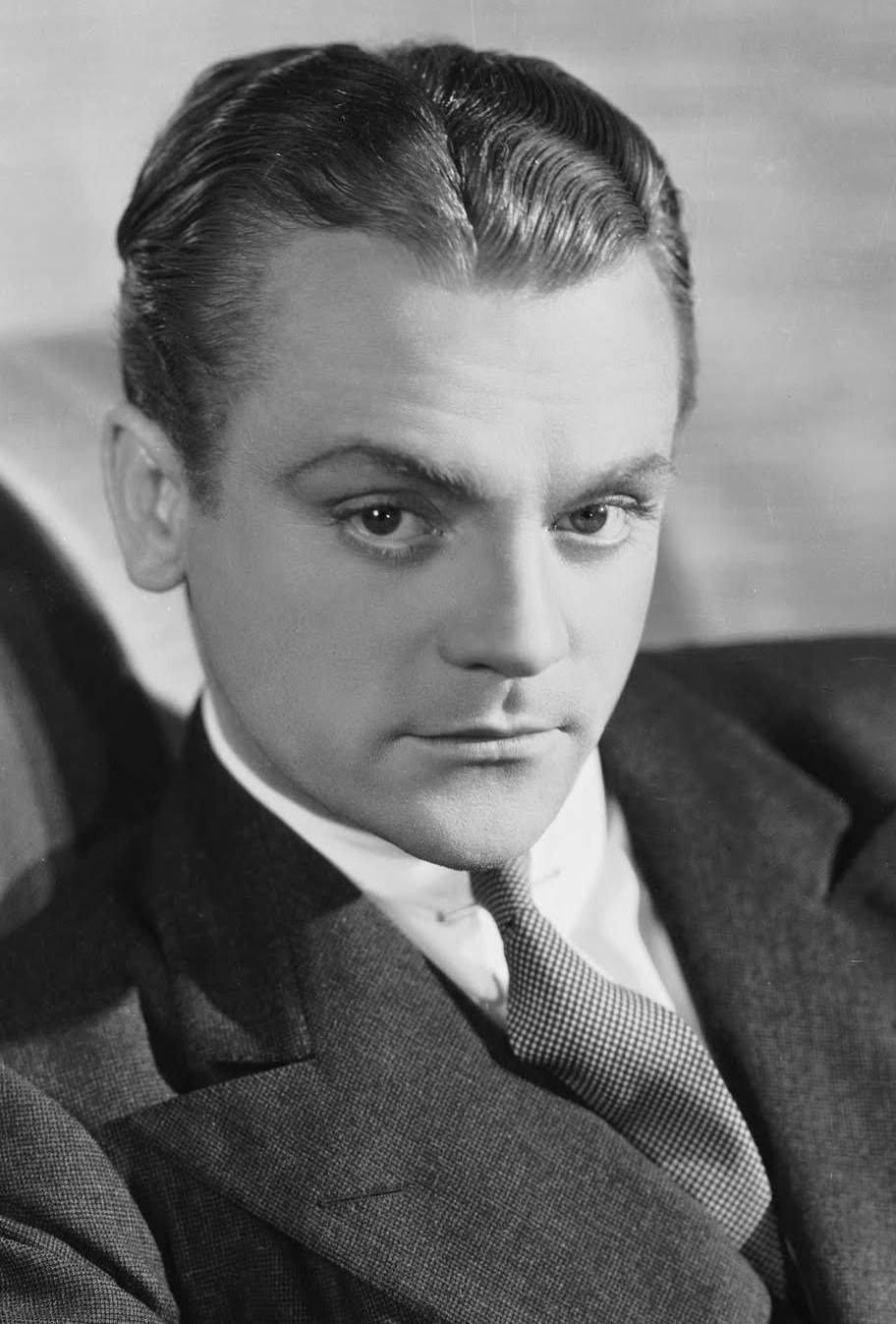
Frank Ross (James Cagney)
Played by James Cagney
A crusading newspaperman framed for manslaughter who refuses to implicate his ally Stacey. He endures solitary confinement with stubborn resolve, holding onto the hope that truth will prevail. His investigative mindset drives the plot as he seeks exoneration and exposes the frame-up.
- 🎯 Determined
- 🗞️ Investigative
- 🧭 Principled
-
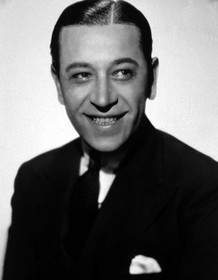
Hood Stacey
Played by George Raft
A lifer with a sharp, calculating mind who both befriends and uses Ross. He orchestrates bold moves, including a courtroom escape, demonstrating loyalty but also a willingness to manipulate events for his own ends. His actions catalyze the collapse of the frame and the ultimate pursuit of truth.
- ⚔️ Cunning
- 🧭 Loyal
- 🗡️ Calculated
- PC
Pole Cat Carlisle
Played by Alan Baxter
A notorious jailhouse informant despised by prisoners, known for engineering the frame that lands Ross in prison. His opportunistic nature and willingness to betray colleagues highlight the prison’s corrupt social order. His eventual confession becomes a turning point in Ross’s fight for justice.
- 🕷️ Scheming
- 💬 Gossip-driven
- 🗝️ Opportunistic
-
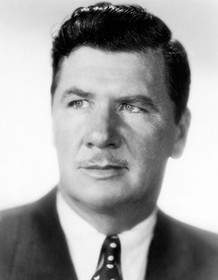
Prison Warden John Armstrong
Played by George Bancroft
A stern, authoritative figure who controls parole and discipline within the prison. He operates within a web of political pressures and procedural routines, acting as a gatekeeper of mercy and punishment. His role embodies the harnessing—and potential abuse—of institutional power.
- 🏛️ Authoritative
- 🔒 Strict
- 🧭 Pragmatic
- J
Judge
Played by Charles Trowbridge
Presides over the case, navigating political pressures from prosecutors and the governor. The judge’s rulings influence whether justice will prevail, reflecting the legal system’s vulnerability to influence. He stands as a symbol of the machinery that can both protect and betray the truth.
- ⚖️ Authority
- 🧭 Legalism
- 🗳️ Political Pressure
Where and When Is Each Dawn I Die Set?
Each Dawn I Die is set in Prison and Courthouse (1930s). Here is why the time and place matter to the story.
When
1930s
Set in the mid-1930s United States, the story unfolds during a era of political corruption and tabloid-style journalism. The period's harsh social climate amplifies the stakes of wrongful conviction and the fight to clear one's name. Institutions like the parole system and the governor's office loom large, driving the plot.
Where
Prison, Courthouse
The film primarily unfolds inside a state prison, where confinement and routine shape the inmates' lives. Courtroom scenes frame the legal battle and the press coverage that follows the frame-up. The setting juxtaposes institutional power with the quest for truth, highlighting how justice can be warped by authority.
- 🏢 Prison
- 🏛 Courthouse
What Are the Themes of Each Dawn I Die?
4 ideas the story keeps returning to, among them Injustice, Corruption and Media Power.
-
01
Injustice
A wrongful frame-up propels the plot, exposing how legal processes can be manipulated by powerful interests. Ross must navigate a corrupt system that rewards silence over truth. The narrative centers on perseverance in the face of a miscarriage of justice and the meaning of vindication.
-
02
Corruption
The crooked district attorney and the governor's cronies illustrate how political power can corrupt law enforcement and judiciary processes. Parole boards and high officials become tools to preserve a broken status quo. The story shows how money and influence can override fairness.
-
03
Media Power
Newspaper culture and sensational reporting drive the plot, with Ross's status as a crusading journalist both aiding and complicating his fight. The press acts as a public witness and a battleground for truth versus spectacle. Coverage inflames the courtroom and shapes public perception.
-
04
Moral Dilemma
Characters face choices between loyalty and truth, often at personal cost. Stacey’s calculated moves clash with Ross’s insistence on innocence, testing their codes of honor. The escalation toward confession, betrayal, and tragedy asks what justice truly requires.
What Kind of Film Is Each Dawn I Die?
Tense in tone, with fast pacing and a moderate story, going by the plot summary.
- Tone
- Tense
- Pacing
- Fast
- Story
- Moderate
- Intensity
- High
- Ending
- Bittersweet
A fast-paced, high-tension prison drama that relentlessly builds a sense of claustrophobic injustice, focusing on a desperate alliance against a corrupt system.
- tense
- claustrophobic
- anxious
- oppressive
- gritty
- determined
- political corruption
- false imprisonment
- prison life
- investigative journalism
Content notes: false imprisonment, solitary confinement, political corruption, violent death.
Quiz
How well do you remember Each Dawn I Die? Test yourself on the story.