What Is Illegal About?
The premise of Illegal in 312 words, with nothing given away. The full story follows below.
In the hard‑edged world of a mid‑century metropolis, the courtroom is as much a stage as a battlefield. Victor Scott rises to fame as a charismatic district attorney whose swagger and sharp tongue make every trial feel like a performance. He prides himself on the belief that his own humble beginnings legitimize a relentless drive to win, and his reputation for securing convictions has become a badge of honor in a city that thrives on bold, decisive justice.
Behind the scenes, Ellen Miles works as his trusted legal partner, offering steadier counsel and a quieter intensity that hints at a deeper bond forged through years of shared ambition. Their partnership is complicated by personal histories and unspoken expectations, creating a tension that underlies every professional exchange. The arrival of the dazzling Angel O’Hara—a striking blonde whose presence rattles Scott’s certainty—forces the prosecutor to confront questions he has long buried beneath courtroom triumphs.
Shaken by the realization that his pursuit of victory may have cost an innocent life, Scott steps away from public office, trading his polished courtroom podium for the dim glow of a downtown law office. The transition is anything but clean; the former star now navigates a world of smoky bars, spilled drinks, and a reputation for defending clients who skirt the edges of the law. His battle shifts from winning verdicts to seeking redemption, a struggle underscored by a growing dependence on alcohol that mirrors the city’s own shadows.
The film moves through a tone that blends classic noir atmosphere with a gritty legal drama, inviting the audience into a landscape where justice is as fragile as it is fierce. As Victor wrestles with his own conscience, the interplay of ambition, loyalty, and the seductive pull of redemption sets the stage for a story that is as much about inner reckoning as it is about the courtroom’s relentless spotlight.
What Happens in Illegal?
The complete story of Illegal, from the first scene to the last, in 948 words (about 4 minutes). Spoilers throughout. Names in the text link to 6 cast member pages.
Spoilers ahead
Victor Scott, Edward G. Robinson, is a district attorney whose courtroom flair plays like a show, a man who insists that his own rise from the slums justifies winning every case. He is supported by Ellen Miles, Nina Foch, a loyal attorney who is less combative but equally devoted to her boss. Their relationship hints at something deeper than professional respect: in the past, Scott was urged and mentored by Ellen’s father, who on his deathbed urged him to protect Ellen. It’s suggested that Ellen might have hoped for something more than a partnership of convenience, but Scott nudges her toward a conventional life by urging her to marry a colleague, Ray Borden, Hugh Marlowe.
The film opens with a sensational murder case: the killing of Gloria Benson, whose death becomes the centerpiece of Scott’s prosecution. The jury delivers a guilty verdict, and the judge sentences the defendant to the electric chair—an outcome foreshadowed by the drama of the courtroom. The decisive moment arrives when a dying confession surfaces, claimed by a police shooting that occurred during the crime, fingering a man whose motive remains murky. The document’s legitimacy is never questioned, but its silence on the Benson motive leaves Scott unsettled as he strives (and fails) to stay the execution of the convicted man. The weight of the situation lands squarely on him: he has helped convict an innocent person, and the moment sticks with him.
As the execution clock ticks, Scott experiences a crisis of conscience that forces him to reconsider his path. He resigns from the D.A.’s office and slides into an alcoholic haze, a man shunned by former allies as he stumbles through a life that no longer resembles the one he once led. In a return to the courtroom, he faces a drunk and disorderly charge against him, and in that moment he finds a new purpose: defend the wrongfully accused. There, he encounters Mr. Taylor, Henry Kulky, a huge man whose testimony seems impossible to reconcile with reality. In a dramatic gambit, Scott challenges Taylor’s credibility and then delivers a surprising, brutal counter with a concealed roll of nickels that renders Taylor briefly unconscious. The case collapses, and Scott emerges with a renewed sense of himself as a defense attorney, free from the constraints of a system that had once rewarded his victories with a killer’s grin.
Scott’s talent as a defender comes to the fore when he takes on the case of an associate of the city’s crime boss, Frank Garland, Albert Dekker. The prosecution accuses Garland’s ally of murder by poison, and Scott, in a calculated move, drinks from the poison bottle in court and rests his case, knowing that the defense will seek a recess for a physician’s intervention while the poison takes effect. It’s a bold, theatrical moment that establishes a precarious détente with Garland; Scott does not become a henchman for Garland, but their relationship grows into a tense, mutual awareness of power—each man testing the other’s limits. This uneasy alliance marks a turning point: Scott begins to navigate a line where protecting a client may drag him closer to the same criminal elements he once battled.
Meanwhile, a covert leak threads through the D.A.’s office. The source is revealed to be Ellen’s husband, Ray Borden, whose role as a liaison to the crime world lands squarely in the open. Ellen discovers the leak and, in a confrontation, kills him in self-defense. The new D.A. misreads the incident, believing Ellen to be the leak and accusing her of murder. Scott steps in to defend her, shifting again toward activism in defense of the innocent and the morally compromised alike. The courtroom becomes a battleground not only for legal arguments but for the souls of its participants, as Scott wrestles with what it means to uphold justice when the system itself seems to have betrayed him.
In a calculated move to protect sensitive notes, Scott has his secretary mail his confidential case files to herself during a lunch recess, preserving them should anything happen to him. He then confronts Garland, who, eager to avoid implicating himself, asks Scott to throw the case. Garland’s paranoia about exposure is palpable, and he places Scott under surveillance, even as the D.A.’s agents close in on the crime boss. The shootout that follows ends with the hit man killed by Garland’s own men, a brutal reminder that crime and law enforcement exist on opposite sides of the same line.
Rather than seek medical care, Scott returns to the courtroom and calls upon Angel O’Hara, Jayne Mansfield, who had recently been living with Garland. Her testimony links Borden to Garland, corroborating that Borden spoke with the crime boss and that the fateful phone call that led Ellen to learn of the leak did indeed occur. Ellen is cleared, but Scott’s body bears the toll of his ordeals; he collapses from his injuries, his victories punctuated by cost.
This story weaves together ambition and conscience, power and vulnerability, in a way that keeps the courtroom electric from start to finish. It traces how a man once defined by his knack for conviction can become preoccupied with saving lives, even if doing so means crossing lines he once swore never to cross. The relationship between Scott and Ellen, strained and tested by loyalty, duty, and the specter of past mentorship, remains central to the drama, even as the city’s shadows pull at the edges of truth. The film leaves viewers with a haunting portrait: justice pursued with passion, often at a high personal price, and a reminder that truth in the courtroom is a fragile, evolving thing, never simply a page in a case file.
Illegal Timeline: Every Key Event in Order
11 key events in the order they happen, from “Mentorship and pledge to protect Ellen Miles” to “Scott's ultimate downfall and uneasy victory”. 11 events name a place, across 7 locations.
- 1
Mentorship and pledge to protect Ellen Miles
Early in his career, Scott is mentored by Ellen Miles's father on his deathbed, who asks him to promise to protect Ellen. This pledge shapes Scott's sense of duty and loyalty throughout the story. The arrangement foreshadows the tension between personal affection and professional obligation that runs through the plot.
When:Before the main trials Where:Ellen Miles's father's deathbed
- 2
Prosecution and conviction of Gloria Benson's murder
Victor Scott prosecutes the sensational murder case of Gloria Benson with a commanding courtroom performance. The jury convicts the defendant and the judge sentences Edward Clary to death by electric chair (not shown). The victory boosts Scott's political ambitions and signals his rising power in the D.A.'s office.
When:Day of the trial Where:Courtroom
- 3
The confession on the execution hour
At the very hour of Clary's execution, a dying declarant, shot by police during the crime, confesses to Benson's murder. The declaration is admitted as legitimate, but it provides no motive for the crime. Scott desperately attempts to halt the execution, but the order goes through.
When:Execution hour Where:Prison / Execution chamber
- 4
Scott resigns and falls into alcohol
The death of an innocent man unsettles Scott and prompts his resignation from the D.A.'s office. He sinks into alcoholism and is shunned by former allies, drinking away his former influence. The case becomes a turning point in his career and in his personal life.
When:Immediately after the execution Where:D.A.'s Office / personal life
- 5
Becoming a defense attorney after a brawl case
While appearing drunk in court on a disorderly charge, Scott encounters a man implicated in a fatal brawl and chooses to defend him. He publicly challenges a very large prosecution witness, and then sucker-punches him with a concealed roll of nickels, knocking him out. The dismissed case marks Scott's abrupt transition to a successful defense attorney.
When:Shortly after resignation Where:Courtroom
- 6
Defense of Garland's associate in a poison murder case
Scott takes on a client connected to crime boss Frank Garland, accused of murder by poison. He wins by drinking from the poison bottle and resting his case, planning to force a recess so he can reach a doctor before the poison does its work. The victory deepens a dangerous, uneasy alliance with Garland while the office's integrity remains eroded.
When:During the poison murder trial Where:Courtroom
- 7
The leak surfaces: Borden is the mole
An ongoing leak between the D.A.'s office and Garland is revealed to be Ellen's husband, Ray Borden. Ellen confronts him and kills Borden in self-defense. The new D.A. mistakenly believes Ellen was the leak and prosecutes her, prompting Scott to defend his former ally.
When:Between the Garland case and Ellen's trial Where:Ellen's home / Courtroom
- 8
Lunch recess plan and attempted hit on Scott
During a lunch recess, Scott has his secretary mail his confidential case notes to herself as protection against being killed. He then meets Garland, who asks him to throw the case to avoid implicating him. Garland's men follow Scott and shoot him, but the hitman is killed by the D.A.'s agents before completing the job.
When:Lunch recess Where:D.A.'s Office / courthouse steps
- 9
Angel O'Hara's testimony and Ellen's clearance
Scott calls Angel O'Hara, who has been living with Garland, and she testifies that Borden spoke to Garland regularly and arranged the call that led to Ellen learning of the leak. The testimony helps clear Ellen of the charges, though Scott's injuries leave him physically weakened. He collapses as the courtroom scene advances toward resolution.
When:During the trial Where:Courtroom
- 10
Evidence strengthens Ellen's exoneration
The testimony ties Borden to Garland and undermines the prosecution's case against Ellen. Scott's effort to rescue Ellen culminates in her exoneration, even as his own condition worsens. The case underscores the corrosive influence of crime and corruption on justice.
When:Final moments of trial Where:Courtroom
- 11
Scott's ultimate downfall and uneasy victory
Though Ellen is cleared, Scott's relentless pursuit of justice ends with him collapsing from his injuries. The public and former allies look on as he contemplates the cost of his career. The film closes on a somber note, balancing personal cost with the sliver of justice achieved.
When:End of film Where:Courthouse / hospital
Who Are the Main Characters in Illegal?
7 characters, among them Victor Scott (Edward G. Robinson), Ellen Miles (Nina Foch) and Ray Borden (Hugh Marlowe): who each one is and the part they play in the story. Every profile links to the actor’s page.
-
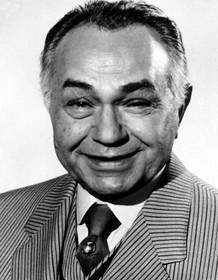
Victor Scott (Edward G. Robinson)
Played by Edward G. Robinson
Victor Scott is a district attorney whose flamboyant courtroom style makes him a formidable public figure. Rising from the slums, he believes in winning as the measure of justice and treats the courtroom as a platform for political ascent. The Benson case exposes the cost of such ambition when an innocent man is executed, triggering a personal and professional crisis. He later shifts to defense work, defending Ellen and testing the system from the opposite side.
- ⚖️ Ambition
- 🗣️ Charisma
- 🧭 Moral conflict
- EM
Ellen Miles (Nina Foch)
Played by Nina Foch
Ellen Miles is a devoted attorney who works alongside Scott and carries a quiet strength beneath her measured exterior. Her long relationship with Scott and her loyalty to him complicate the moral landscape of the case, hinting at romantic tension that never fully materializes. She becomes entangled in the deadly aftermath of the Borden affair and faces prosecution, yet Scott defends her in court.
- ⚖️ Loyalty
- 💼 Career vs love
- 🧭 Moral conflict
-
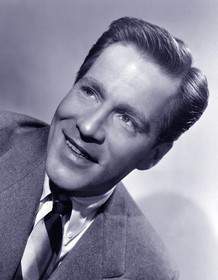
Ray Borden (Hugh Marlowe)
Played by Hugh Marlowe
Ray Borden is Ellen's husband and a connective thread to the city’s underworld through covert information leaks. His actions and secret ties to Garland set the plot in motion and contribute to the lethal consequences that follow. His murder becomes a pivotal turning point, revealing betrayals within the legal and criminal networks.
- 💼 Betrayal
- 🗝️ Secrecy
- 🧭 Influence
- FG
Frank Garland (Albert Dekker)
Played by Albert Dekker
Frank Garland is a powerful crime boss who operates from behind the scenes, exerting control and intimidation to protect his interests. He seeks to avoid implication by manipulating witnesses and officials, testing the boundaries of law and order. The confrontation with Scott escalates into a dangerous cat-and-mouse dynamic that probes the limits of legal ethics.
- 🏛️ Crime Boss
- ⚖️ Influence
- 🔒 Secrecy
-

Edward Clary (DeForest Kelley)
Played by DeForest Kelley
Edward Clary is the defendant who is condemned to die by the electric chair, a punishment not shown on screen but central to the moral stakes. His capital punishment case drives the narrative's examination of justice, guilt, and the fallibility of the system. The outcome of his trial reverberates through Scott's career and conscience.
- ⚖️ Capital punishment
- 🧭 Innocence
- 🕯️ Fate
- AO
Angel O'Hara (Jayne Mansfield)
Played by Jayne Mansfield
Angel O'Hara is a key witness who had recently lived with Garland, linking him to the case. Her testimony influences the course of events and her presence underscores the human cost of the city’s criminal enterprises. Her involvement highlights how personal connections intersect with legal proceedings.
- 🎭 Witness
- 🔗 Key Link
- 🧭 Influence
- MT
Mr. Taylor (Henry Kulky)
Played by Henry Kulky
Mr. Taylor is a very large man involved in a brawl, whom Scott claims was knocked out and could not have witnessed the crime. His role underscores the uncertainties of witness testimony and the fragility of memory under pressure. His involvement helps illustrate the courtroom's reliance on contradictory testimonies.
- 🔎 Witness
- 🏋️ Strength
- 🧠 Ambiguity
Where and When Is Illegal Set?
Illegal is set in Metropolitan Court Building and City (1950s). Here is why the time and place matter to the story.
When
1950s
Set in mid-20th-century America, the film reflects a period of postwar optimism tempered by moral absolutism and political ambition. The era's emphasis on law, order, and public image shapes how trials are conducted and how careers are made or ruined. Courtroom sensationalism and the interplay of crime and politics are depicted within a contemporary urban landscape.
Where
Metropolitan Court Building, City
The action centers around the Metropolitan Court Building and surrounding urban locales, including the DA's office, courtroom, and police precincts. The city setting provides a backdrop for political maneuvering, sensational trials, and the influence of criminal power on public affairs. The confined, noir-inflected spaces reinforce the high-stakes drama of verdicts, leaks, and personal loyalties.
- ⚖️ Courtroom Drama
- 🗳️ Power & Ambition
- 🧭 Moral Dilemma
What Are the Themes of Illegal?
4 ideas the story keeps returning to, among them Justice vs Ambition, Truth and Deception and Love and Loyalty.
-
01
Justice vs Ambition
The story follows Victor Scott, a district attorney whose courtroom prowess doubles as a stepping stone to political power. His determination to win cases blinds him to their human cost, culminating in the execution of an innocent man. The film questions whether courtroom success truly equates to justice, and Scott's ambition drives him toward the governor's race. The Benson case becomes a catalyst for a profound personal and professional crisis.
-
02
Truth and Deception
The plot hinges on leaks, shifting loyalties, and the fragile boundary between truth and manipulation within the legal system. Ellen's dual loyalty to Scott and her own motives complicates the pursuit of justice, while a dying confession unexpectedly reshapes the case. The courtroom becomes a theatre where appearances mask deeper agendas. The integrity of the system is repeatedly tested by hidden influences.
-
03
Love and Loyalty
The relationship between Ellen and Scott threads through the narrative, balancing mentorship, potential romance, and professional duty. Ellen's devotion to Scott collides with the pressure of high-profile cases and the moral ambiguities they entail. The revelation of Ellen's husband as a potential leak amplifies the personal stakes and tests trust. Personal bonds become both a strength and a liability in the pursuit of justice.
-
04
Systemic Corruption
The DA's office and organized crime operate in a tenuous symbiosis, illustrating how power can permeate institutions. Garland's influence and the leak reveal how cases can be steered by those with money and menace. The film shows that procedural law can coexist with corruption, shaping outcomes and careers. The clash between duty and dirty influence culminates in a confrontation that exposes systemic fractures.
What Kind of Film Is Illegal?
Tense in tone, with steady pacing and a moderate story, going by the plot summary.
- Tone
- Tense
- Pacing
- Steady
- Story
- Moderate
- Intensity
- High
- Ending
- Bittersweet
A tense and morally complex noir that follows a district attorney's dramatic fall from grace and gritty redemption through a series of high-stakes courtroom battles and dealings with the criminal underworld.
- tense
- gritty
- morally complex
- anxious
- redemptive
- bleak
- courtroom drama
- moral crisis
- redemption
- criminal justice
Content notes: murder, execution, alcoholism, shooting, poison.
Quiz
How well do you remember Illegal? Test yourself on the story.