Illegal 1955

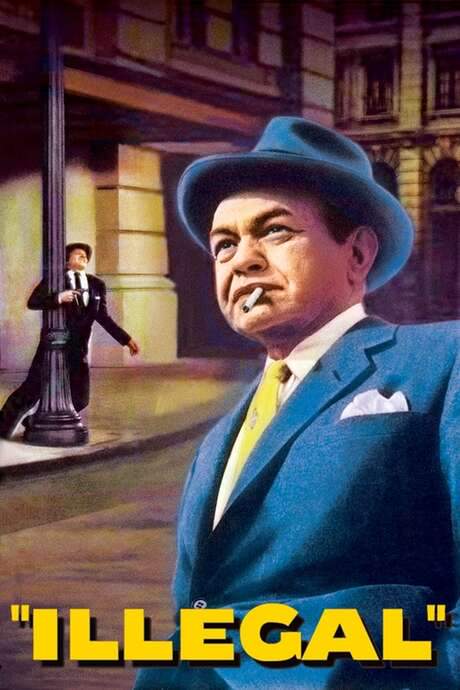
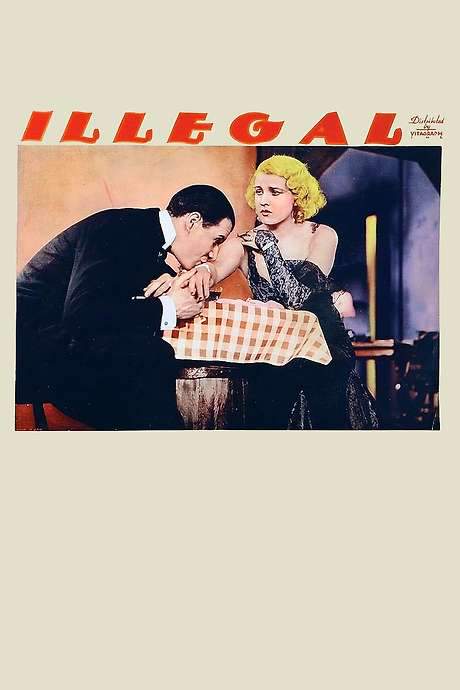
A successful district attorney who once sentenced a hundred men to death is shaken when Angel O’Hara, a striking blonde, intervenes and forces him to re‑examine his life. After learning the man he sent to the chair was innocent, he leaves public office for private practice, but his new career is tainted by alcoholism and a reputation for defending low‑life criminals, as he seeks redemption.


Does Illegal have end credit scenes?
No!
Illegal does not have end credit scenes. You can leave when the credits roll.
Where to Watch Illegal
See current US streaming, rental, and purchase options for Illegal (1955) via JustWatch.

IndieFlix Shorts Amazon Channel
HD
Fawesome
HD
Mometu
HD
Plex
HD
Plex Channel
HD
Amazon Video
HD
Apple TV Store
HD
Fandango At Home
HD
Google Play Movies
SD
YouTube
SD Streaming availability powered by 
Meet the Full Cast and Actors of Illegal
Explore the complete cast of Illegal, including both lead and supporting actors. Learn who plays each character, discover their past roles and achievements, and find out what makes this ensemble cast stand out in the world of film and television.
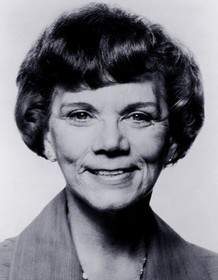
Ellen Corby
Miss Hinkel
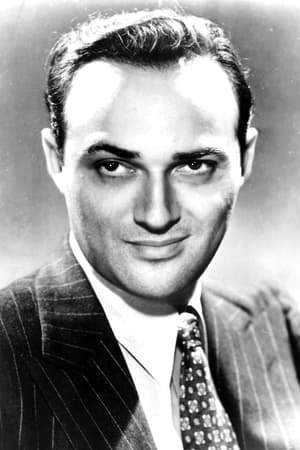
Lawrence Dobkin
Al Carol
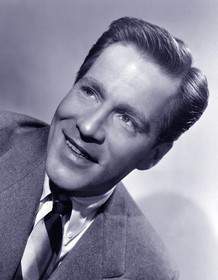
Hugh Marlowe
Ray Borden
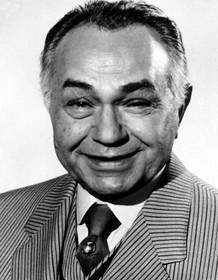
Edward G. Robinson
Victor Scott

Jan Merlin
Andy Garth
Stuart Hall
Department Head (uncredited)
Albert Dekker
Frank Garland
Diana Darrin
Dorothy (uncredited)
Howard St. John
E.A. Smith
Herb Vigran
Municipal Court Bailiff (uncredited)
Edward Platt
Ralph Ford
John Larch
District Attorney's Man (uncredited)
Julie Bennett
Ms. Worth (uncredited)
Leon Alton
Court Clerk (uncredited)
Nina Foch
Ellen Miles
John Albright
Courtroom Spectator (uncredited)
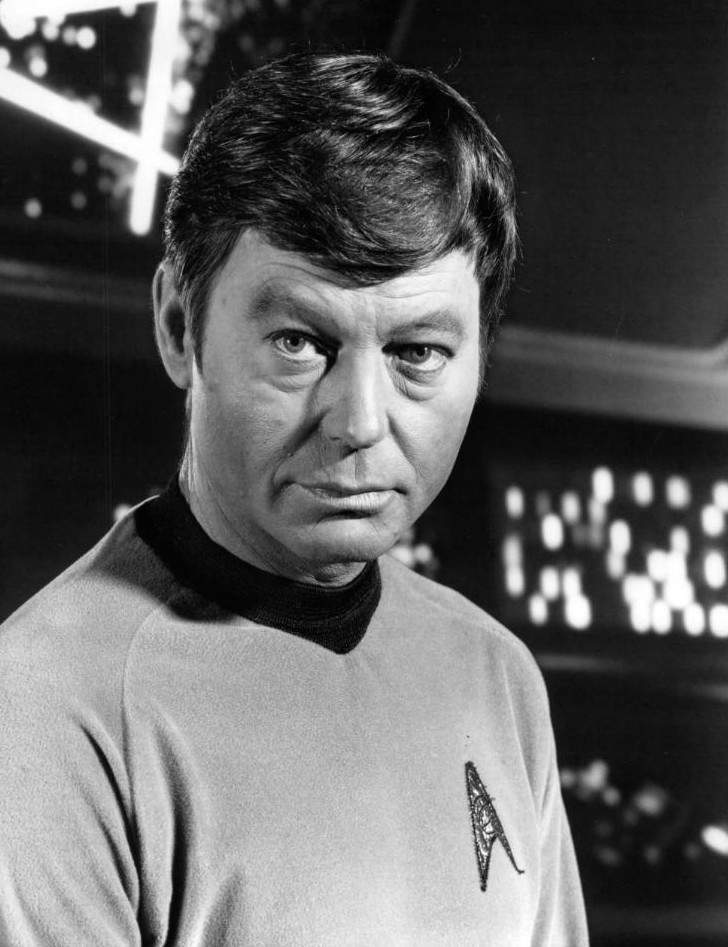
DeForest Kelley
Edward Clary (as DeForest Kelly)
Clark Howat
George Graves
Robert Ellenstein
Joe Knight
John Beradino
Scott's Client (uncredited)
Jayne Mansfield
Angel O'Hara
John Alvin
Court Clerk (uncredited)
Paul Bradley
Courtroom Spectator (uncredited)
Roxanne Arlen
Ginnie Hathaway (uncredited)
Henry Rowland
Jailer (uncredited)
Jay Adler
Joseph Carter
Boyd Cabeen
Courtroom Spectator (uncredited)
Tom Wilson
Courtroom Spectator (uncredited)
Franklyn Farnum
Restaurant Patron (uncredited)
Benjie Bancroft
Bailiff (uncredited)
Mark Hanna
Reporter (uncredited)
John Breen
Courtroom Spectator (uncredited)
Thomas Martin
Party Waiter (uncredited)
Alexander Campbell
Municipal Court Judge (uncredited)
James Gonzalez
Courtroom Spectator (uncredited)
Max Wagner
Bartender (uncredited)
Frank Mills
Man in Drunk Tank (uncredited)
Larry Hudson
Detective (uncredited)
Charles Evans
Judge (uncredited)
Cosmo Sardo
Party Guest (uncredited)
Arthur Tovey
Juror (uncredited)
Bernard Sell
Paramedic (uncredited)
Jonathan Hole
Doctor (uncredited)
Chris Alcaide
Cop at Property Desk (uncredited)
Addison Richards
Steve Harper
Marjorie Stapp
Night Orderly (uncredited)
Richard Neill
Juror (uncredited)
Minta Durfee
Courtroom Spectator (uncredited)
Jack Henderson
Courtroom Spectator (uncredited)
Fred Kelsey
Courtroom Spectator (uncredited)
Charles Meredith
Judge (uncredited)
John McKee
Detective (uncredited)
Joe Brooks
Reporter (uncredited)
Don Bender
Newsboy (uncredited)
William H. O'Brien
Butler (uncredited)
Joe Evans
Courtroom Spectator (uncredited)
Adolph Faylauer
Courtroom Spectator (uncredited)
Kenner G. Kemp
Restaurant Patron / Courtroom Photographer (uncredited)
Charlie Hall
Bellhop (uncredited)
Lovyss Bradley
Matron (uncredited)
Donald Kerr
Courtroom Spectator (uncredited)
James Conaty
Restaurant Patron (uncredited)
Dick Gordon
Courtroom Spectator (uncredited)
Robert Haines
Juror (uncredited)
Loretta Russell
Courtroom Spectator (uncredited)
Scott Seaton
Juror (uncredited)
Tom Ferrandini
Courtroom Spectator (uncredited)
Bess Flowers
Diner at Bar of Justice Restaurant
Perk Lazelle
Attorney (uncredited)
Harold Miller
Courtroom Spectator (uncredited)
Jeffrey Sayre
Party Guest (uncredited)
Chet Brandenburg
Defendant (uncredited)
Bud Cokes
Police Officer (uncredited)
Tom Coleman
Restaurant Patron (uncredited)
Jimmie Horan
Courtroom Spectator (uncredited)
Hal Taggart
Courtroom Well-Wisher (uncredited)
George Boyce
Courtroom Spectator (uncredited)
Dee Carroll
Ruth (uncredited)
Paul Cristo
Courtroom Spectator (uncredited)
King Lockwood
Courtroom Spectator (uncredited)
Sol Murgi
Courtroom Spectator (uncredited)
Anthony Redondo
Courtroom Spectator (uncredited)
Waclaw Rekwart
Restaurant Patron (uncredited)
Bert Stevens
Restaurant Patron (uncredited)
Mathew McCue
Defendant (uncredited)
Henry Kulky
Taylor
John Close
Prison Switchboard Guard (uncredited)
Fred Coby
Prison Guard (uncredited)
William Meader
Restaurant Patron (uncredited)
Gilman Rankin
Juror (uncredited)
John Cliff
Bar Patron (uncredited)
Oliver Cross
Client Leaving Office (uncredited)
Dick Johnstone
Barfly (uncredited)
John Roy
Bailiff (uncredited)
Suzanne Ridgway
Party Guest (uncredited)
Maurice Marks
Bailiff (uncredited)
Charles Cirillo
Waiter (uncredited)
George Ross
Cop (uncredited)
Grandon Rhodes
John Seltzer (uncredited)
Norman Stevans
Attorney (uncredited)
Charles Fogel
Courtroom Spectator (uncredited)
George Bruggeman
Guard (uncredited)
Phil Arnold
News Vendor (uncredited)
Monty O'Grady
Reporter (uncredited)
Phil Schumacher
Bailiff (uncredited)
Baynes Barron
District Attorney's Man (uncredited)
Dan Dowling
Courtroom Spectator (uncredited)
John Pedrini
Bailiff (uncredited)
Marion Gray
Courtroom Spectator (uncredited)
Duke Green
Courtroom Spectator (uncredited)
Ed Haskett
Courtroom Spectator (uncredited)
Pauline Drake
Woman (uncredited)
Ted Stanhope
Bailiff (uncredited)
Archie Twitchell
Mr. Manning
Curt Furberg
Courtroom Spectator (uncredited)
Kathy Marlowe
Gloria Benson (uncredited)
Justice Watson
Judge Wick (uncredited)
Stephen Soldi
Juror (uncredited)
James McCallion
Allen Parker
Eleanor Moore
Mrs. Seltzer (uncredited)
Louise Lane
Juror (uncredited)
Stuart Nedd
Phillips (as Stuart Nedd)
External Links and Streaming Options
Discover where to watch Illegal online, including streaming platforms, rental options, and official sources. Compare reviews, ratings, and in-depth movie information across sites like IMDb, TMDb, Wikipedia or JustWatch.






Take the Ultimate Illegal Movie Quiz
Challenge your knowledge of Illegal with this fun and interactive movie quiz. Test yourself on key plot points, iconic characters, hidden details, and memorable moments to see how well you really know the film.
Illegal (1955) Film Quiz: Test your knowledge of the 1955 courtroom drama "Illegal" with these ten questions ranging from easy to challenging.
Which actor portrays Victor Scott?
Full Plot Summary and Ending Explained for Illegal
Read the complete plot summary of Illegal, including all major events, twists, and the full ending explained in detail. Explore key characters, themes, hidden meanings, and everything you need to understand the story from beginning to end.
Victor Scott, Edward G. Robinson, is a district attorney whose courtroom flair plays like a show, a man who insists that his own rise from the slums justifies winning every case. He is supported by Ellen Miles, Nina Foch, a loyal attorney who is less combative but equally devoted to her boss. Their relationship hints at something deeper than professional respect: in the past, Scott was urged and mentored by Ellen’s father, who on his deathbed urged him to protect Ellen. It’s suggested that Ellen might have hoped for something more than a partnership of convenience, but Scott nudges her toward a conventional life by urging her to marry a colleague, Ray Borden, Hugh Marlowe.
The film opens with a sensational murder case: the killing of Gloria Benson, whose death becomes the centerpiece of Scott’s prosecution. The jury delivers a guilty verdict, and the judge sentences the defendant to the electric chair—an outcome foreshadowed by the drama of the courtroom. The decisive moment arrives when a dying confession surfaces, claimed by a police shooting that occurred during the crime, fingering a man whose motive remains murky. The document’s legitimacy is never questioned, but its silence on the Benson motive leaves Scott unsettled as he strives (and fails) to stay the execution of the convicted man. The weight of the situation lands squarely on him: he has helped convict an innocent person, and the moment sticks with him.
As the execution clock ticks, Scott experiences a crisis of conscience that forces him to reconsider his path. He resigns from the D.A.’s office and slides into an alcoholic haze, a man shunned by former allies as he stumbles through a life that no longer resembles the one he once led. In a return to the courtroom, he faces a drunk and disorderly charge against him, and in that moment he finds a new purpose: defend the wrongfully accused. There, he encounters Mr. Taylor, Henry Kulky, a huge man whose testimony seems impossible to reconcile with reality. In a dramatic gambit, Scott challenges Taylor’s credibility and then delivers a surprising, brutal counter with a concealed roll of nickels that renders Taylor briefly unconscious. The case collapses, and Scott emerges with a renewed sense of himself as a defense attorney, free from the constraints of a system that had once rewarded his victories with a killer’s grin.
Scott’s talent as a defender comes to the fore when he takes on the case of an associate of the city’s crime boss, Frank Garland, Albert Dekker. The prosecution accuses Garland’s ally of murder by poison, and Scott, in a calculated move, drinks from the poison bottle in court and rests his case, knowing that the defense will seek a recess for a physician’s intervention while the poison takes effect. It’s a bold, theatrical moment that establishes a precarious détente with Garland; Scott does not become a henchman for Garland, but their relationship grows into a tense, mutual awareness of power—each man testing the other’s limits. This uneasy alliance marks a turning point: Scott begins to navigate a line where protecting a client may drag him closer to the same criminal elements he once battled.
Meanwhile, a covert leak threads through the D.A.’s office. The source is revealed to be Ellen’s husband, Ray Borden, whose role as a liaison to the crime world lands squarely in the open. Ellen discovers the leak and, in a confrontation, kills him in self-defense. The new D.A. misreads the incident, believing Ellen to be the leak and accusing her of murder. Scott steps in to defend her, shifting again toward activism in defense of the innocent and the morally compromised alike. The courtroom becomes a battleground not only for legal arguments but for the souls of its participants, as Scott wrestles with what it means to uphold justice when the system itself seems to have betrayed him.
In a calculated move to protect sensitive notes, Scott has his secretary mail his confidential case files to herself during a lunch recess, preserving them should anything happen to him. He then confronts Garland, who, eager to avoid implicating himself, asks Scott to throw the case. Garland’s paranoia about exposure is palpable, and he places Scott under surveillance, even as the D.A.’s agents close in on the crime boss. The shootout that follows ends with the hit man killed by Garland’s own men, a brutal reminder that crime and law enforcement exist on opposite sides of the same line.
Rather than seek medical care, Scott returns to the courtroom and calls upon Angel O’Hara, Jayne Mansfield, who had recently been living with Garland. Her testimony links Borden to Garland, corroborating that Borden spoke with the crime boss and that the fateful phone call that led Ellen to learn of the leak did indeed occur. Ellen is cleared, but Scott’s body bears the toll of his ordeals; he collapses from his injuries, his victories punctuated by cost.
This story weaves together ambition and conscience, power and vulnerability, in a way that keeps the courtroom electric from start to finish. It traces how a man once defined by his knack for conviction can become preoccupied with saving lives, even if doing so means crossing lines he once swore never to cross. The relationship between Scott and Ellen, strained and tested by loyalty, duty, and the specter of past mentorship, remains central to the drama, even as the city’s shadows pull at the edges of truth. The film leaves viewers with a haunting portrait: justice pursued with passion, often at a high personal price, and a reminder that truth in the courtroom is a fragile, evolving thing, never simply a page in a case file.

Coming soon on iOS and Android
The Plot Explained Mobile App
From blockbusters to hidden gems — dive into movie stories anytime, anywhere. Save your favorites, discover plots faster, and never miss a twist again.
Sign up to be the first to know when we launch. Your email stays private — always.
Explore the mobile appWatch Trailers, Clips & Behind-the-Scenes for Illegal
Watch official trailers, exclusive clips, cast interviews, and behind-the-scenes footage from Illegal. Dive deeper into the making of the film, its standout moments, and key production insights.
Cars Featured in Illegal
Explore all cars featured in Illegal, including their makes, models, scenes they appear in, and their significance to the plot. A must-read for car enthusiasts and movie buffs alike.
Illegal Themes and Keywords
Discover the central themes, ideas, and keywords that define the movie’s story, tone, and message. Analyze the film’s deeper meanings, genre influences, and recurring concepts.
Illegal Other Names and Titles
Explore the various alternative titles, translations, and other names used for Illegal across different regions and languages. Understand how the film is marketed and recognized worldwide.
Similar Movies To Illegal You Should Know About
Browse a curated list of movies similar in genre, tone, characters, or story structure. Discover new titles like the one you're watching, perfect for fans of related plots, vibes, or cinematic styles.




Quick Links: Summary, Cast, Ratings, More

What's After the Movie?
Not sure whether to stay after the credits? Find out!
Check out our other apps:

SAT Sphere
Build confidence for the Digital SAT.

Mori Atlas
Discover wild places worth protecting.

Luntero
Search smarter for a home in Amsterdam.

Plot Explained
Unravel movie endings and hidden clues.

Pokechamp
Dive into Pokémon data and battle logic.

Driving Theory
Get ready for your European theory test.

Movie Dust
Plan your next cinema trip with ease.

Musemap
Find art and culture as you travel.

Selkobase
Compare credentials before committing.

Local Manual
Turn an unfamiliar country into practical next steps.

Lernavi
Compare school systems before your next move.

GymRoam
Find a workout stop wherever your plans take you.
Explore Our Movie Platform
New Movie Releases (2026)
Famous Movie Actors
Top Film Production Studios
Movie Plot Summaries & Endings
Major Movie Awards & Winners
Best Concert Films & Music Documentaries
Movie Collections and Curated Lists
© 2026 What's After the Movie. All rights reserved.
Privacy Policy