Outlaw 2007


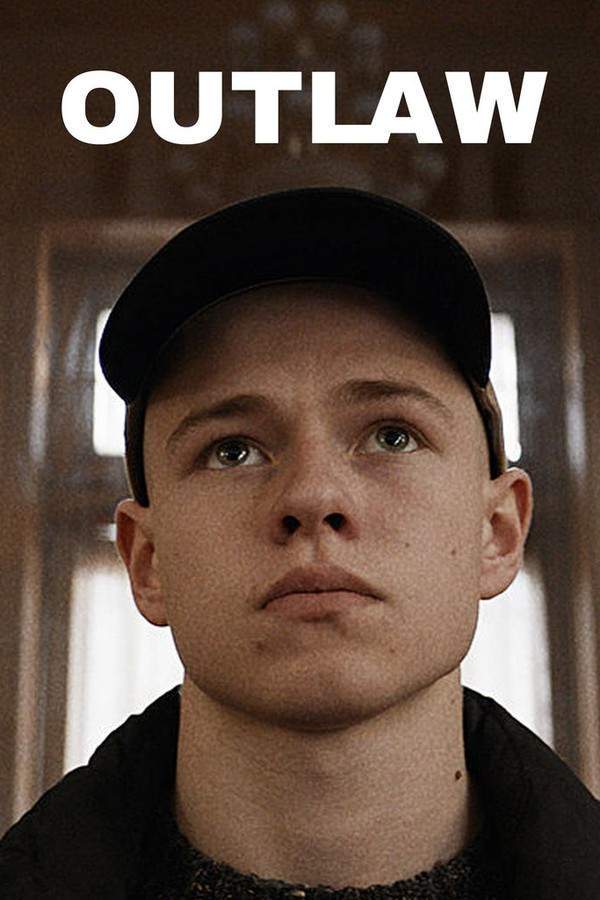
Haunted by his experiences in the Iraq War, former Paratrooper Bryant returns to London and finds the city overrun by crime and a failing justice system. Disillusioned, he assembles a vigilante crew to deliver their own brutal form of retribution against those who operate outside the law. As they dispense their own brand of justice, a troubling question arises: who will hold them accountable for their actions?


Does Outlaw have end credit scenes?
No!
Outlaw does not have end credit scenes. You can leave when the credits roll.
Where to Watch Outlaw
See current US streaming, rental, and purchase options for Outlaw (2007) via JustWatch.

Amazon Prime Video
HD
Amazon Prime Video with Ads
HD
fuboTV
HD
Magnolia Selects Amazon Channel
HD
Warriors and Gangsters Amazon Channel
HD
Hoopla
SD
DistroTV
HD
Fandango at Home Free
HD
The Roku Channel
HD
Tubi TV
SD
Xumo Play
HD
YouTube Free
HD
Amazon Video
SD
Apple TV Store
SD Fandango At Home
SD
FlixFling
SD
Google Play Movies
SD
YouTube
SD Streaming availability powered by 
Meet the Full Cast and Actors of Outlaw
Explore the complete cast of Outlaw, including both lead and supporting actors. Learn who plays each character, discover their past roles and achievements, and find out what makes this ensemble cast stand out in the world of film and television.
No actors found
External Links and Streaming Options
Discover where to watch Outlaw online, including streaming platforms, rental options, and official sources. Compare reviews, ratings, and in-depth movie information across sites like IMDb, TMDb, Wikipedia or Rotten Tomatoes.











Ratings and Reviews for Outlaw
See how Outlaw is rated across major platforms like IMDb, Metacritic, and TMDb. Compare audience scores and critic reviews to understand where Outlaw stands among top-rated movies in its genre.

45
Metascore
6.2
User Score

54
%
User Score
Full Plot Summary and Ending Explained for Outlaw
Read the complete plot summary of Outlaw, including all major events, twists, and the full ending explained in detail. Explore key characters, themes, hidden meanings, and everything you need to understand the story from beginning to end.
The film unfolds through a tapestry of interwoven stories set in and around London, where a growing sense that justice is uneven fuels growing frustration among ordinary people. Across these interlinked tales, individuals from different walks of life confront personal betrayals, violence, and the sense that the system lets the strong prevail over the vulnerable. The tone is measured and restrained, letting the danger and moral stakes accumulate as the characters’ paths collide.
First among the central figures is Gene Dekker, a well-meaning white‑collar worker who finds himself on the wrong end of a brutal incident after a car collision with a violent offender. His experience sharpens a core ache: a belief that even handed justice can feel far out of reach in a city that seems to reward aggression. Alongside him is Danny Bryant, a hardened paratrooper who has faced combat in multiple theatres and returns home to discover his personal life unraveling—his wife’s infidelity compounds his view that the country is now a battlefield of its own. Bryant’s worldview is disciplined by a soldier’s code, but it has been tempered by the disillusioning distance between the battlefield and civilian life.
In a separate thread, Cedric Munroe, a Crown Court prosecution barrister, finds himself targeted by death threats aimed at his pregnant wife. The pressure intensifies as the threats grow more ominous, and he becomes entangled in a tense confrontation with a powerful club owner and heroin dealer, Terry Manning, whose criminal empire casts a long shadow over the city’s underworld. The stakes widen with the arrival of Sandy Mardell, a Cambridge University student and the son of Bryant’s former commanding officer. Recently released from hospital after a brutal attack that left lasting scars, Mardell joins the fray with a wary sense that the violence around him is not simply a rumor but a tangible threat to his future.
A pivotal bridge between these threads is Simon Hillier, a jingoistic hotel security guard and former football hooligan whose loyalty and ferocity tie the main players together. Hillier’s past links to all three men—Dekker’s school days, Munroe’s prior defense in court, and Bryant’s stay at the hotel—provide the connective tissue that brings them into a shared orbit. Together, they form a vigilante group, convinced that they can identify and neutralize threats to society by taking the law into their own hands. Their efforts are supported by Walter Lewis, a police officer who remains one of the few uncorrupted figures in a system that has otherwise become compromised. Demoted to desk duty, Lewis provides the group with crucial information about targets tied to Manning, offering a glimpse of a cleaner conscience amid rising corruption.
As the Outlaws begin to operate, their target set expands to those linked to Manning’s criminal network. They become a cause célèbre, drawing media attention even as their actions threaten to blur the line between justice and vigilantism. They also rely on Bryant’s military methods, including firearms he had taken from active duty, to mount a decisive, if controversial, effort against those they judge to be threats to public safety.
Tensions escalate when the group’s indiscretions push them into revealing their identities to one of Manning’s men, Ian Furlong. The failure to eliminate Furlong leads to a brutal retaliation: Furlong kills Walter Lewis, a blow that deeply unsettles the group and ratchets up the danger. Bryant, cast as the leader, becomes the central target of blame and is ultimately framed for the murder. The Outlaws begin to fracture under the weight of betrayal, suspicion, and the consequences of their own high-risk choices. In a brutal moment of reckoning, Bryant executes a harsh act of punishment by hanging Hillier for being a liability, a stark demonstration of how quickly loyalty can invert into ruthless authority.
With the vigilantes splintered, the pursuit of Manning intensifies as they return to their day-to-day lives, each wrestling with the consequences of their choices. Manning is released from custody amid the lack of a strong prosecution, a development that leaves the door open for renewed confrontation. Dekker receives word from his colleague Frank Lordish that Manning’s whereabouts may be traced to the countryside, and Dekker—unable to leave Manning free to operate—abandons a personal commitment by fleeing his wedding to pursue the case. He and Munroe collaborate with Mardell and Bryant to formulate a plan that acknowledges their own vulnerabilities: they recognize that they may not survive an assault on Manning’s home, yet they proceed with resolve.
The trio infiltrates Manning’s residence, only to discover that they have walked into an ambush. Armored police soon arrive outside the property, led by the corrupt Sgt. Grieves, a member of the Flying Squad who is in league with Manning. A fierce gunfight erupts as the Outlaws and the police duel in the surrounding area, forcing their retreat into the woods for a final confrontation. Dekker sustains a shoulder wound, Bryant is killed in the line of advance against an armed response unit, and Munroe surrenders with the heartbreak of witnessing corruption up close as he is murdered by the police.
In a tense moment of survival, Dekker is revealed to have been playing dead, and he manages a narrow escape through the forest under a barrage of gunfire. The immediate threats subside only to reveal a chilling, unresolved closure: Manning remains at large, his grip on crime unchallenged by the system that failed to prosecute him effectively.
The final beat of the film settles on an ominous exchange in a car park, where Manning is confronted by Dekker. In a quiet, almost clinical moment of defiance, Manning tests Dekker with the taunt, “You haven’t got the bollocks, son.” Dekker’s response is not verbal but decisive—in a single, focused act, he pulls the trigger.
The closing sequence casts a long shadow over the theme of justice and retribution. The film lingers on the consequences of taking the law into one’s own hands, the fragility of institutions meant to protect society, and the way personal trauma can push individuals toward extreme measures. It leaves audiences with a stark meditation on moral ambiguity, the high price of vigilante justice, and the enduring question of whether righteous anger can ever be fully redeemed in a city where crime and corruption often walk hand in hand with power.

Coming soon on iOS and Android
The Plot Explained Mobile App
From blockbusters to hidden gems — dive into movie stories anytime, anywhere. Save your favorites, discover plots faster, and never miss a twist again.
Sign up to be the first to know when we launch. Your email stays private — always.
Explore the mobile appWatch Trailers, Clips & Behind-the-Scenes for Outlaw
Watch official trailers, exclusive clips, cast interviews, and behind-the-scenes footage from Outlaw. Dive deeper into the making of the film, its standout moments, and key production insights.
Cars Featured in Outlaw
Explore all cars featured in Outlaw, including their makes, models, scenes they appear in, and their significance to the plot. A must-read for car enthusiasts and movie buffs alike.
Outlaw Themes and Keywords
Discover the central themes, ideas, and keywords that define the movie’s story, tone, and message. Analyze the film’s deeper meanings, genre influences, and recurring concepts.
Outlaw Other Names and Titles
Explore the various alternative titles, translations, and other names used for Outlaw across different regions and languages. Understand how the film is marketed and recognized worldwide.
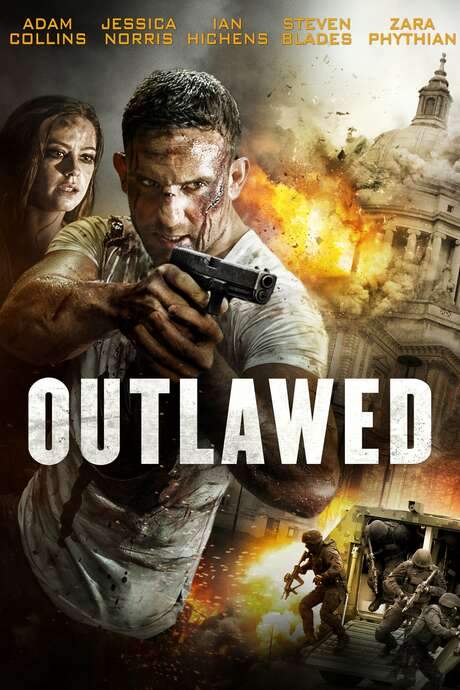
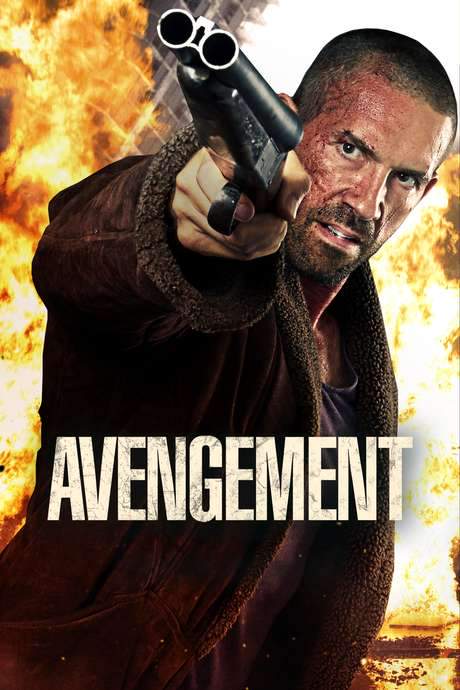
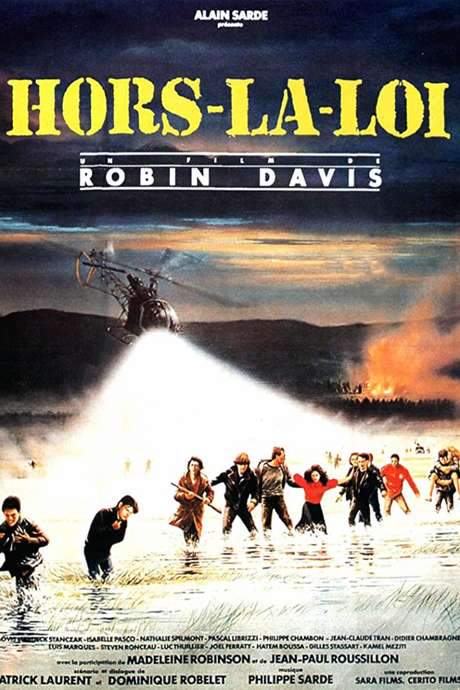
Similar Movies To Outlaw You Should Know About
Browse a curated list of movies similar in genre, tone, characters, or story structure. Discover new titles like the one you're watching, perfect for fans of related plots, vibes, or cinematic styles.





Quick Links: Summary, Cast, Ratings, More

What's After the Movie?
Not sure whether to stay after the credits? Find out!
Check out our other apps:

SAT Sphere
Build confidence for the Digital SAT.

Mori Atlas
Discover wild places worth protecting.

Luntero
Search smarter for a home in Amsterdam.

Plot Explained
Unravel movie endings and hidden clues.

Pokechamp
Dive into Pokémon data and battle logic.

Driving Theory
Get ready for your European theory test.

Movie Dust
Plan your next cinema trip with ease.

Musemap
Find art and culture as you travel.

Selkobase
Compare credentials before committing.

Local Manual
Turn an unfamiliar country into practical next steps.

Lernavi
Compare school systems before your next move.

GymRoam
Find a workout stop wherever your plans take you.
Explore Our Movie Platform
New Movie Releases (2026)
Famous Movie Actors
Top Film Production Studios
Movie Plot Summaries & Endings
Major Movie Awards & Winners
Best Concert Films & Music Documentaries
Movie Collections and Curated Lists
© 2026 What's After the Movie. All rights reserved.
Privacy Policy