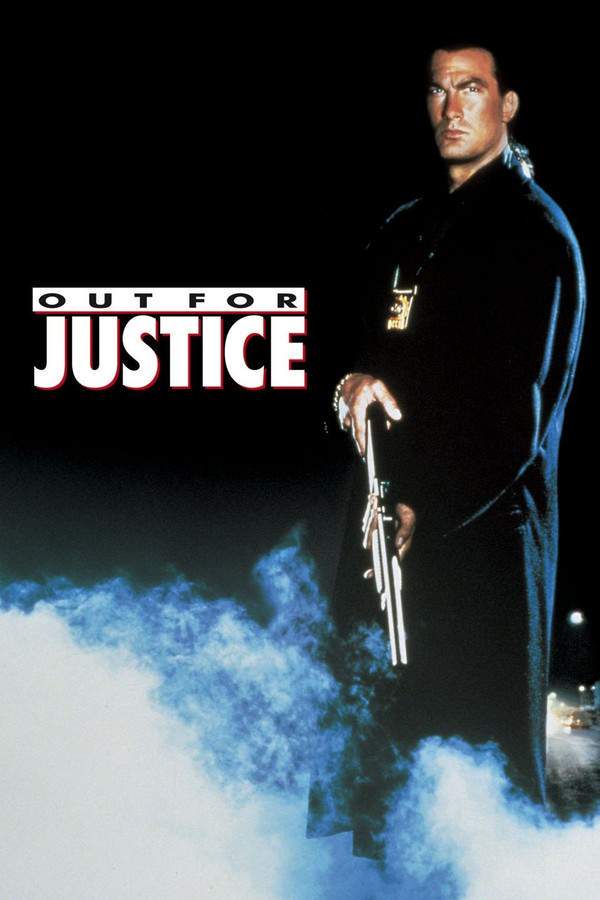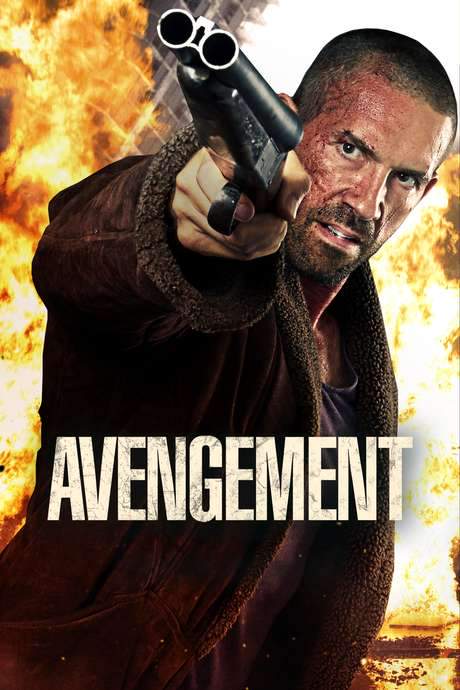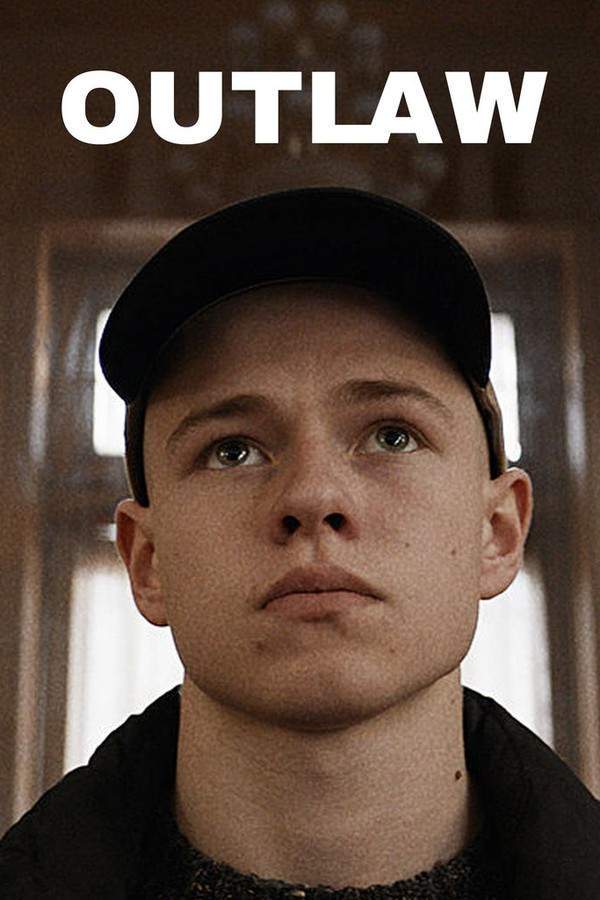
What Is Outlaw About?
The premise of Outlaw in 319 words, with nothing given away. The full story follows below.
In a London that feels more like a battlefield than a city, the streets pulse with a restless energy, and the institutions meant to keep order seem to be crumbling under the weight of corruption and unchecked violence. The atmosphere is measured yet tense, letting the sense of danger build slowly as ordinary lives collide with a system that often favours the strong. Within this urban landscape, a restless undercurrent of frustration fuels the longing for a different kind of justice.
Bryant, a former paratrooper scarred by his experiences in Iraq, returns home only to find his personal world shattered—his marriage is in ruins and the nation he once defended feels like an endless war zone. His disciplined, soldier‑born code clashes with the chaotic reality of civilian life, leaving him haunted by memories yet driven by an unshakable need to restore order.
Among the disillusioned citizens he encounters are Dekker, a well‑meaning white‑collar professional who has felt the system’s indifference first‑hand; Munroe, a Crown Court barrister whose legal battles are compounded by personal threats; Mardell, a Cambridge student still bearing the physical and psychological scars of a violent assault; and Hillier, a former football hooligan turned hotel security guard whose fierce loyalty binds the group together. They are further aided by Lewis, a police officer standing alone against pervasive corruption. United by a shared belief that the law has failed, they coalesce into a vigilante crew, intent on delivering a brand of retribution that operates outside official channels.
The film maintains a restrained, almost clinical tone, allowing the moral ambiguity of their crusade to simmer beneath every interaction. It poses a lingering question: when the arbiters of justice become the judges themselves, who will hold them accountable? This uneasy balance between righteous anger and ethical compromise sets the stage for a dark, thought‑provoking exploration of vigilantism in a city where the line between right and wrong is constantly shifting.
What Happens in Outlaw?
The complete story of Outlaw, from the first scene to the last, in 1,047 words (about 5 minutes). Spoilers throughout.
Spoilers ahead
The film unfolds through a tapestry of interwoven stories set in and around London, where a growing sense that justice is uneven fuels growing frustration among ordinary people. Across these interlinked tales, individuals from different walks of life confront personal betrayals, violence, and the sense that the system lets the strong prevail over the vulnerable. The tone is measured and restrained, letting the danger and moral stakes accumulate as the characters’ paths collide.
First among the central figures is Gene Dekker, a well-meaning white‑collar worker who finds himself on the wrong end of a brutal incident after a car collision with a violent offender. His experience sharpens a core ache: a belief that even handed justice can feel far out of reach in a city that seems to reward aggression. Alongside him is Danny Bryant, a hardened paratrooper who has faced combat in multiple theatres and returns home to discover his personal life unraveling—his wife’s infidelity compounds his view that the country is now a battlefield of its own. Bryant’s worldview is disciplined by a soldier’s code, but it has been tempered by the disillusioning distance between the battlefield and civilian life.
In a separate thread, Cedric Munroe, a Crown Court prosecution barrister, finds himself targeted by death threats aimed at his pregnant wife. The pressure intensifies as the threats grow more ominous, and he becomes entangled in a tense confrontation with a powerful club owner and heroin dealer, Terry Manning, whose criminal empire casts a long shadow over the city’s underworld. The stakes widen with the arrival of Sandy Mardell, a Cambridge University student and the son of Bryant’s former commanding officer. Recently released from hospital after a brutal attack that left lasting scars, Mardell joins the fray with a wary sense that the violence around him is not simply a rumor but a tangible threat to his future.
A pivotal bridge between these threads is Simon Hillier, a jingoistic hotel security guard and former football hooligan whose loyalty and ferocity tie the main players together. Hillier’s past links to all three men—Dekker’s school days, Munroe’s prior defense in court, and Bryant’s stay at the hotel—provide the connective tissue that brings them into a shared orbit. Together, they form a vigilante group, convinced that they can identify and neutralize threats to society by taking the law into their own hands. Their efforts are supported by Walter Lewis, a police officer who remains one of the few uncorrupted figures in a system that has otherwise become compromised. Demoted to desk duty, Lewis provides the group with crucial information about targets tied to Manning, offering a glimpse of a cleaner conscience amid rising corruption.
As the Outlaws begin to operate, their target set expands to those linked to Manning’s criminal network. They become a cause célèbre, drawing media attention even as their actions threaten to blur the line between justice and vigilantism. They also rely on Bryant’s military methods, including firearms he had taken from active duty, to mount a decisive, if controversial, effort against those they judge to be threats to public safety.
Tensions escalate when the group’s indiscretions push them into revealing their identities to one of Manning’s men, Ian Furlong. The failure to eliminate Furlong leads to a brutal retaliation: Furlong kills Walter Lewis, a blow that deeply unsettles the group and ratchets up the danger. Bryant, cast as the leader, becomes the central target of blame and is ultimately framed for the murder. The Outlaws begin to fracture under the weight of betrayal, suspicion, and the consequences of their own high-risk choices. In a brutal moment of reckoning, Bryant executes a harsh act of punishment by hanging Hillier for being a liability, a stark demonstration of how quickly loyalty can invert into ruthless authority.
With the vigilantes splintered, the pursuit of Manning intensifies as they return to their day-to-day lives, each wrestling with the consequences of their choices. Manning is released from custody amid the lack of a strong prosecution, a development that leaves the door open for renewed confrontation. Dekker receives word from his colleague Frank Lordish that Manning’s whereabouts may be traced to the countryside, and Dekker—unable to leave Manning free to operate—abandons a personal commitment by fleeing his wedding to pursue the case. He and Munroe collaborate with Mardell and Bryant to formulate a plan that acknowledges their own vulnerabilities: they recognize that they may not survive an assault on Manning’s home, yet they proceed with resolve.
The trio infiltrates Manning’s residence, only to discover that they have walked into an ambush. Armored police soon arrive outside the property, led by the corrupt Sgt. Grieves, a member of the Flying Squad who is in league with Manning. A fierce gunfight erupts as the Outlaws and the police duel in the surrounding area, forcing their retreat into the woods for a final confrontation. Dekker sustains a shoulder wound, Bryant is killed in the line of advance against an armed response unit, and Munroe surrenders with the heartbreak of witnessing corruption up close as he is murdered by the police.
In a tense moment of survival, Dekker is revealed to have been playing dead, and he manages a narrow escape through the forest under a barrage of gunfire. The immediate threats subside only to reveal a chilling, unresolved closure: Manning remains at large, his grip on crime unchallenged by the system that failed to prosecute him effectively.
The final beat of the film settles on an ominous exchange in a car park, where Manning is confronted by Dekker. In a quiet, almost clinical moment of defiance, Manning tests Dekker with the taunt, “You haven’t got the bollocks, son.” Dekker’s response is not verbal but decisive—in a single, focused act, he pulls the trigger.
The closing sequence casts a long shadow over the theme of justice and retribution. The film lingers on the consequences of taking the law into one’s own hands, the fragility of institutions meant to protect society, and the way personal trauma can push individuals toward extreme measures. It leaves audiences with a stark meditation on moral ambiguity, the high price of vigilante justice, and the enduring question of whether righteous anger can ever be fully redeemed in a city where crime and corruption often walk hand in hand with power.
Outlaw Timeline: Every Key Event in Order
15 key events in the order they happen, from “Growing sense of injustice in London” to “Dekker survives and ends Manning”. 15 events name a place, across 15 locations.
- 1
Growing sense of injustice in London
The film opens by introducing a cross-section of Londoners who feel the justice system isn't delivering fairness. Their shared discontent sets the stage for a vigilante response. The common thread is trust slipping away from institutions.
When:Opening Where:London
- 2
Dekker attacked after car collision
Nice guy Gene Dekker is brutally beaten by a yob following a minor car collision. The assault leaves him shaken and public perception of safety in the city worsens. The incident becomes a catalyst for his later actions.
When:Early incident Where:London street
- 3
Bryant returns to find betrayal at home
Paratrooper Danny Bryant returns from abroad to discover his wife with another man, fueling his disgust with Britain's state affairs. He questions the country’s stability after front-line experiences. The personal betrayal adds to his sense of grievance.
When:After return from service Where:Bryant's home
- 4
Munroe faces threats over the Manning case
Crown Court barrister Cedric Munroe receives death threats aimed at his pregnant wife as leverage to drop the case against Terry Manning. He weighs the danger against continuing to prosecute Manning. The pressure highlights corruption and intimidation within the system.
When:Before the case proceeds Where:Munroe's home
- 5
Mardell leaves hospital
Cambridge University student Sandy Mardell, recently scarred in an unprovoked attack, has just left hospital. He carries the trauma as the thugs who attacked him are released from prison, fueling his anger and resolve. His family ties to Bryant connect him to the others.
When:After hospital discharge Where:Hospital/Cambridge area
- 6
Simon Hillier enters the scene
Simultaneously, hotel security guard Simon Hillier—an ex football hooligan with a network—becomes the linchpin that connects the men. His knowledge of the criminal underworld allows the group to see a possible path to action. He signals the formation of a vigilante response.
When:Early planning phase Where:London hotel
- 7
The Outlaws assemble
With Hillier's help, the men form the vigilante group known as the Outlaws. They begin coordinating information and deciding who to target, essentially banding together as a unified force. The plan centers on using Bryant's military grade firearms to level the playing field.
When:After Hillier's involvement Where:Meeting place in London
- 8
Targets and media attention
The Outlaws start striking at Manning associated figures, gathering intelligence from Walter Lewis, their sole trustworthy police contact. The operation draws media attention as their anonymous actions take on a crusading air. They rely on the weapons Bryant stole during his service.
When:Early operations Where:London area
- 9
Exposure and consequences
The Outlaws reveal their identities to Manning's man Ian Furlong, triggering a brutal chain of consequences. Walter Lewis is killed by Furlong, and Bryant is framed for the murder. The group disbands in confusion, and Bryant executes Hillier for being a liability.
When:After the confrontation Where:City streets/ police involvement
- 10
Manning's release and hunt resumes
With insufficient evidence, Manning is released from custody, and the city briefly breathes as the threat seems to recede. Bryant uses the opportunity to pursue Furlong directly in public, signaling the take no prisoners stance.
When:After release Where:Courthouse
Show the other 5 events of Outlaw Hide the last 5 events
- 11
Bryant hunts Furlong in a pub
Bryant corners Ian Furlong in a pub and shoots him, ending one of the key threats. The act signals a personal vendetta taking precedence over due process. The hunt for Manning continues through other channels.
When:After Manning's release Where:Public house / pub
- 12
Dekker learns Manning's hideout and acts
Dekker, now aware that Manning is hiding in the countryside, skips his own wedding to pursue the trail and contact Munroe. He reaches out to his old ally to coordinate an assault. The personal cost of their crusade tightens the resolve.
When:After pub confrontation Where:Dekker's wedding, countryside
- 13
Mardell joins and plans to strike
Sandy Mardell joins Bryant and Dekker, accepting that they may not survive the attack on Manning's home. They prepare for a high-stakes operation against Manning's countryside hideout. The stakes are personal and deadly.
When:Before infiltration Where:Meeting point / countryside
- 14
Infiltration and ambush
The three infiltrate Manning's home only to find an ambush by corrupt police, with Sgt. Grieves at the helm. A fierce gunfight erupts and they flee into the woods, pursued by armed officers. The raid ends in tragedy for the vigilantes, with Bryant killed and Munroe murdered.
When:Final showdown Where:Manning's home and surrounding woods
- 15
Dekker survives and ends Manning
Dekker feigns death, escapes through the forest, and finally confronts Manning in the car park. The climactic shot brings down the crime lord at point-blank range, sealing a brutal denouement. The film closes on Dekker's quiet victory over a corrupt order.
When:Final confrontation Where:Forest and Manning's workplace car park
Who Are the Main Characters in Outlaw?
8 characters, among them Gene Dekker (Danny Dyer), Danny Bryant (Sean Bean) and Cedric Munroe (Lennie James): who each one is and the part they play in the story.
- GD
Gene Dekker (Danny Dyer)
Gene Dekker is a principled, mild-mannered white-collar worker who is brutalized but refuses to accept the status quo. He becomes the reluctant leader of the vigilante group, balancing restraint with a growing willingness to break the law to stop Manning. His resolve drives the Outlaws toward a climactic confrontation and a personal vendetta.
- 🗡️ Vigilante
- 💪 Determined
- 🧠 Strategist
- DB
Danny Bryant (Sean Bean)
Danny Bryant is a battle-hardened ex-paratrooper returning from multiple theatres of war to a country he perceives as more dangerous than any battlefield. His experience makes him a natural protector and a driving force within the group, pushing toward decisive action and a resolve to confront Manning.
- 🪖 Ex-soldier
- 💥 Violent
- 🛡️ Protector
- CM
Cedric Munroe (Lennie James)
Cedric Munroe is a Crown Court barrister facing death threats and moral pressure to pull out of the Manning case. He navigates a murky landscape where loyalties blur with duty, feeding information to the Outlaws via Walter Lewis, while wrestling with the line between law and vigilantism.
- ⚖️ Lawyer
- 🧭 Moral conflict
- 🕵️♂️ Strategic
- TM
Terry Manning (Rob Fry)
Terry Manning is the ruthless crime lord whose empire relies on fear and a web of corrupt influence. He underestimates the Outlaws and uses threats against Munroe's wife to send a message. Manning remains elusive and calculating, a constant pressure throughout the story.
- 💣 Crime lord
- 🧠 Cunning
- 🔒 Power-hungry
- SM
Sandy Mardell (Rupert Friend)
Sandy Mardell is a Cambridge University student recently released from hospital after a brutal attack; he is wary but drawn into the vigilante plan. He embodies the younger generation's frustration and vulnerability in a city where crime and justice feel skewed.
- 🎓 Student
- 🧭 Cautious
- 🧩 Connector
- SH
Simon Hillier (Sean Harris)
Simon Hillier is a hotel security guard and former football hooligan whose connections link all the men. He provides insider knowledge and muscle to the group, but his loyalty is tested as violence escalates and the truth about their motives comes under scrutiny.
- 🤝 Loyal
- 🔥 Hot-headed
- 🧭 Connector
- WL
Walter Lewis (Bob Hoskins)
Walter Lewis is an honest police contact, demoted to the desk by corrupt superiors, who feeds information to the Outlaws. He embodies integrity in a compromised system and is ultimately murdered by Manning's men, underscoring the costs of corruption.
- 🕵️ Honest Cop
- ⚖️ Corruption exposed
- 💔 Victim
- IF
Ian Furlong
Ian Furlong is Manning's ruthless lieutenant, a catalyst for conflict with the Outlaws. His presence heightens the danger and propels the pursuit, illustrating the personal cost of Manning's criminal world.
- 🔫 Henchman
- 🗡️ Ruthless
- 🧭 Deceiver
Where and When Is Outlaw Set?
Outlaw is set in London and English countryside. Here is why the place matters to the story.
Where
London, English countryside
Set in and around London, the story travels through city streets, offices, and hotel spaces where the vigilantes convene. The English countryside later serves as the remote backdrop for Manning's hideout and the final confrontation. The gritty urban atmosphere shapes the mood of justice, danger, and moral ambiguity.
- 🏙️ Urban setting
- 🏞️ Countryside backdrop
What Are the Themes of Outlaw?
3 ideas the story keeps returning to, among them Justice vs Vigilantism, Loyalty and Betrayal and Power, Violence, and Corruption.
-
01
Justice vs Vigilantism
The Outlaws pursue a personal sense of justice outside the law, highlighting the gap between state justice and street-level retribution. The narrative questions whether taking action against criminals justifies violent means. It invites reflection on the legitimacy of both legal authority and extralegal force.
-
02
Loyalty and Betrayal
Loyalties are forged through shared frustration with crime, yet relationships are strained as danger escalates. Personal histories bind the group, while secrets threaten to fracture their alliance. Trust, betrayal, and the price of unity drive the tension.
-
03
Power, Violence, and Corruption
Power is exercised through fear, control of information, and brutal force. Violence triggers retaliations and exposes the fragility of law when institutions fail to protect the innocent. The climactic gunfight lays bare the moral costs of justice pursued by any means.
What Kind of Film Is Outlaw?
Dark in tone, with steady pacing and a complex story, going by the plot summary.
- Tone
- Dark
- Pacing
- Steady
- Story
- Complex
- Intensity
- High
- Ending
- Bleak
A tense and morally complex crime drama that immerses the viewer in a gritty, corrupt London where disillusioned citizens take the law into their own hands, resulting in a heavy and bleak viewing experience.
- gritty
- morally ambiguous
- tense
- oppressive
- urgent
- vindicating
- vigilante justice
- systemic corruption
- urban decay
- post traumatic stress
Content notes: murder, vigilante violence, torture, death of a pregnant woman, police corruption.
Where to Watch Outlaw
Stream it on Amazon Prime Video and DistroTV, or rent or buy it from Amazon Video and Apple TV Store. US availability and prices from JustWatch.
Stream 11
 Amazon Prime Video
  Amazon Prime Video with Ads
  DistroTV
  Fandango at Home Free
  fuboTV
  Hoopla
  Magnolia Selects Amazon Channel
  The Roku Channel
  Tubi TV
  Warriors and Gangsters Amazon Channel
  YouTube Free




Streaming availability in the US, powered by