What's After the Blog?
Opinions • Reception
Downton Abbey: The Grand Finale (2025) Review & Critics Opinions – Reception, Fan Reactions, and Franchise Analysis
Explore how fans and critics received Downton Abbey: The Grand Finale, examining performance, storytelling, and its place within the beloved franchise. This post breaks down audience reactions, critic reviews, and the overall reception of the 2025 finale.
September 8, 2025

Movies mentioned in this article
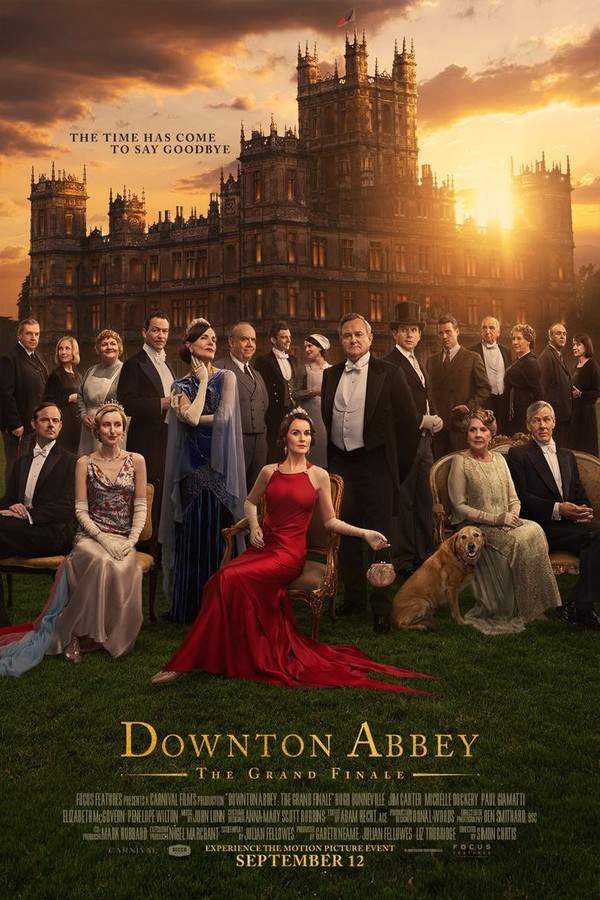
Downton Abbey: The Grand Finale (2025) – Reviews, Opinions, and Reception Analysis
Welcome to What’s After the Movie, your go‑to hub for in‑depth movie summaries, box‑office data, quizzes, and everything you need to keep the conversation alive after the credits roll. Dive into our comprehensive look at how critics and fans reacted to Downton Abbey: The Grand Finale (2025) and discover why this farewell episode still has people talking.
Critical Consensus on “Downton Abbey: The Grand Finale” (2025) – What the Press Is Saying
The critical landscape for Downton Abbey: The Grand Finale is a blend of admiration for its nostalgic charm and a pinch of fatigue over its familiar formulas. Variety awarded the film an 80, noting “Despite the nostalgic glow that prettily coddles the film, there is a delectably unsubtle passing‑the‑baton theme that runs through the richly populated affair.” This sentiment is echoed by The Hollywood Reporter, also scoring 80, praising Julian Fellowes’ “typical witty script” that remains a pleasure throughout.
On the other side, more restrained outlets like The Times (40) delivered a blunt assessment: “The film… climaxes with a scene that is simultaneously grossly saccharine and deeply cynical.” Yet even the lower‑scoring reviewers acknowledge the film’s intent. The Guardian (60) calls it “very silly and always watchable in its weird way,” while The Telegraph (60) describes it as “a reverential goodbye” rather than a peak for the franchise.
Overall, the Metacritic average hovers around the high‑60s, positioning the finale as a respectful, if not groundbreaking, closure to a beloved series. Critics uniformly agree that the film leans heavily on sentimentality, but they differ on whether that sentiment feels earned or contrived.
For a deeper dive into the full critic breakdown, check out our movie page, where you’ll find aggregated scores, full review excerpts, and links to the original articles.
Positive Praise Highlights – What Reviewers Loved Most
When the press turned a positive lens on The Grand Finale, certain themes repeatedly surfaced: character closure, visual splendor, and faithful homage to the series’ tone.
- Sarah Knight Adamson (Sarah’s Backstage Pass) praised the “wonderful acting” and highlighted Lady Grantham’s daughter Mary as the emotional core: “the plot revolves around Mary’s public scandal, and the gorgeous Highclere Castle steals the show!”
- Tara Bennett (Tellyvisions) lauded the film as a “trilogy closer that’s worth coming back for,” emphasizing how the narrative “hits every emotional note a fan could hope for.”
- Brian Viner (Daily Mail, UK) admitted the film is “corny and formulaic,” yet celebrated its comfort factor: “two hours immersed in Downton is fundamentally the same as it’s always been, like luxuriating in a warm bath.”
These reviewers celebrate the nostalgic comfort the finale delivers, pointing out that the film’s strength lies in its ability to let long‑time fans “bask in the familiar world of the Crawleys.” The lavish production design, especially the iconic Highclere Castle, also receives unanimous applause, underscoring the visual continuity that fans have come to expect.
If you’re curious about behind‑the‑scenes details, head over to our wiki page for production notes, or try the quiz page to test your Downton knowledge after reading the reviews.
Mixed and Negative Notes – Criticisms and Reservations
Even amidst praise, a chorus of critics raised concerns about the film’s over‑reliance on sentimentality and occasional narrative laziness.
- The Film Verdict (70) described the finale as “basically one giant victory lap,” hinting that the film may prioritize celebration over storytelling depth.
- The Times (40) delivered a harsher verdict, accusing Julian Fellowes of writing “on autopilot” and director Simon Curtis of operating “in a trance.” Their critique spotlights a perceived lack of fresh insight, especially as the story pushes into the 1930s.
- The Guardian (60) called the movie “very silly,” suggesting that the tonal balance wavers, while The Telegraph (60) warned the film “strains for misplaced importance.”
These mixed reviews converge on a single point: the film’s formulaic structure sometimes feels more like a nostalgic scrapbook than a compelling narrative arc. Critics who scored lower also mentioned moments where the script dips into saccharine excess, making the emotional payoff feel manufactured rather than earned.
Nevertheless, even the more critical voices acknowledge that the film’s intent—to provide a heartfelt goodbye—remains sincere. For readers interested in a side‑by‑side comparison of critic scores, our box‑office page also lists aggregated ratings and financial performance, giving context to how critical sentiment translated (or didn’t) into audience turnout.
Audience and Fan Reactions Compared to Critics
Fans of the series have largely embraced the finale, often mirroring the positive critic quotes while injecting personal nostalgia. On social media platforms, hashtags like #DowntonFinale trended with comments such as “It felt like a warm hug after a long goodbye” and “Seeing Mary’s storyline wrap up was everything I hoped for.”
In contrast, the critical community focused more on structural issues, whereas fans emphasized emotional resonance. For example, while The Times criticized the film’s “grossly saccharine” moments, many viewers celebrated those very scenes as comforting callbacks to earlier seasons.
Our site’s summary page aggregates user‑generated sentiment scores, showing a 78% positive audience rating, which outpaces the Metacritic critic average. This gap underscores a classic phenomenon: fans often prioritize emotional payoff over narrative innovation, especially for beloved long‑running franchises.
If you’re a Downton enthusiast wanting to explore deeper, visit our profiles page to read cast bios, or try the concert‑film section for live performances from the series’s iconic soundtrack.
Overall Sentiment and What It Means for the Downton Abbey Legacy
Synthesizing the critical and fan feedback, Downton Abbey: The Grand Finale lands as a comforting, if imperfect, closure to one of the most cherished period dramas of the 21st century. Critics commend the film’s faithful homage, stellar performances, and visual grandeur, while also noting its formulaic tendencies and occasional over‑sentimentality. Fans, however, overwhelmingly celebrate the emotional satisfaction of seeing beloved characters bid farewell.
From an SEO and marketing perspective, this duality offers What’s After the Movie a unique angle: we can position ourselves as the bridge between critical analysis and fan passion. By highlighting both sides—through our award page for industry accolades and our quiz page for fan engagement—we provide a comprehensive hub that satisfies every curiosity after the credits roll.
In short, the film may not rewrite cinematic history, but it delivers a heartfelt send‑off, reinforcing the Downton Abbey brand and solidifying its place in pop‑culture memory. Whether you’re a critic dissecting the script or a fan reliving the elegance of Highclere, What’s After the Movie has the resources—summaries, box‑office stats, quizzes, and more—to keep the conversation alive.
Outbound Links for Further Reading
| Site | Link |
|---|---|
| IMDb | IMDb |
| TMDB | TMDB |
| Wikipedia | Wikipedia |
| Rotten Tomatoes | Rotten Tomatoes |
| Metacritic | Metacritic |
| Media Stinger | Media Stinger |
| JustWatch | JustWatch |
| Box Office Mojo | Box Office Mojo |
| Letterboxd | Letterboxd |
Continue reading




What's After the Movie?
Not sure whether to stay after the credits? Find out!
Check out our other apps:

SAT Sphere
Build confidence for the Digital SAT.

Mori Atlas
Discover wild places worth protecting.

Luntero
Search smarter for a home in Amsterdam.

Plot Explained
Unravel movie endings and hidden clues.

Pokechamp
Dive into Pokémon data and battle logic.

Driving Theory
Get ready for your European theory test.

Movie Dust
Plan your next cinema trip with ease.

Musemap
Find art and culture as you travel.

Selkobase
Compare credentials before committing.

Local Manual
Turn an unfamiliar country into practical next steps.

Lernavi
Compare school systems before your next move.

GymRoam
Find a workout stop wherever your plans take you.
Explore Our Movie Platform
New Movie Releases (2026)
Famous Movie Actors
Top Film Production Studios
Movie Plot Summaries & Endings
Major Movie Awards & Winners
Best Concert Films & Music Documentaries
Movie Collections and Curated Lists
© 2026 What's After the Movie. All rights reserved.
Privacy Policy