What's After the Blog?
Opinions • Reception
Propeller One-Way Night Coach (2026) Review & Critics Opinions – Audience Reception, Fan Reactions, and Franchise Impact
This post breaks down fan reactions and critic reviews of Propeller One-Way Night Coach (2026), examining the film’s performance, storytelling choices, and its place within the wider franchise. We explore audience reception, highlight standout moments, and assess how the adventure reshapes expectations for future installments.
June 4, 2026

Movies mentioned in this article
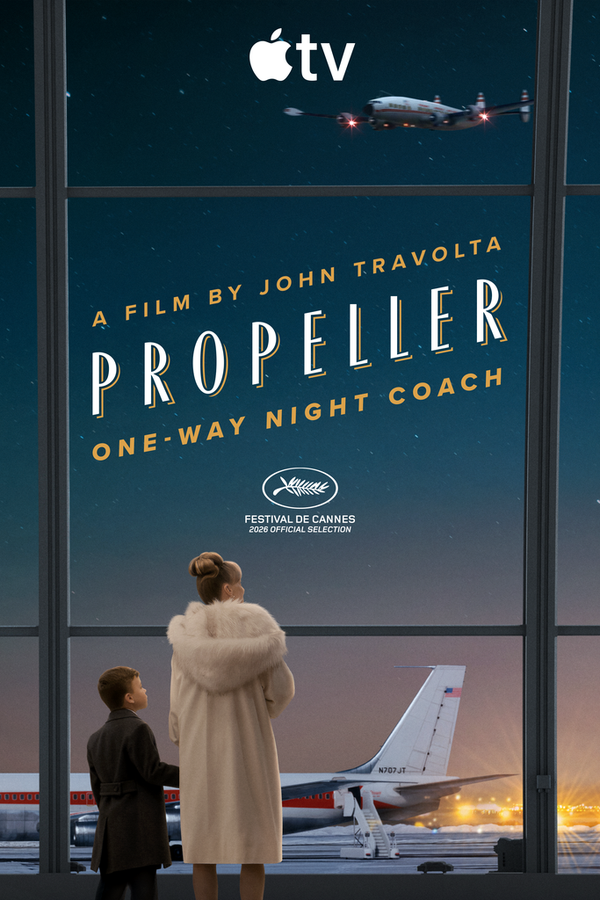
Propeller One-Way Night Coach (2026) Reviews and Reception: What Critics and Audiences Are Saying About John Travolta’s Aviation Drama
When a beloved Hollywood icon steps behind the camera to bring a lifelong passion project to life, the resulting film inevitably generates intense curiosity and scrutiny. Such is the case with Propeller One-Way Night Coach, the 2026 directorial debut from John Travolta that has sparked considerable debate among film enthusiasts and casual viewers alike. As audiences increasingly search for authentic Propeller One-Way Night Coach reviews and critic consensus on whether this aviation-themed drama is worth their time, the film’s reception has revealed a fascinating divide between those who appreciate its nostalgic sincerity and those who find it lacking narrative momentum. Whether you’re visiting What’s After the Movie to explore our detailed summary pages, check box office performance data, or simply determine if this 2026 film reception merits a spot on your watchlist, understanding the full spectrum of opinions—from professional critics to everyday moviegoers—provides essential context for this unique cinematic experience. With its concise runtime and highly specific subject matter, this movie has become a talking point for discussions about passion projects, aviation cinema, and the evolving expectations of modern audiences seeking spoiler-free reviews and honest viewer reactions.
Critical Reception and Film Analysis: Is Propeller One-Way Night Coach Worth Watching?
The critical consensus surrounding Propeller One-Way Night Coach reveals a deeply polarized landscape that makes answering the question “Is it worth watching?” surprisingly complex. Professional reviewers have assigned scores ranging from a dismal 20 to a perfect 100, indicating that this film operates as a litmus test for viewer patience, nostalgia tolerance, and appreciation for cinematic oddities. At the high end of the spectrum, Mick LaSalle awarded the film a perfect score, praising how it “tells a simple story, but with such detail and nuance that we come away feeling that we really understand these people and their times.” This sentiment suggests that for certain viewers—particularly those who value atmospheric storytelling over plot-heavy narratives—the film succeeds as an intimate character study that captures a specific moment in aviation history with remarkable authenticity.
Conversely, Robbie Collin delivered one of the most devastating critiques, scoring the film a mere 20 and writing with palpable discomfort: “It is normal to be bored by dreadful films, or even annoyed by them. But I don’t believe I have ever felt as sorry for one as I do John Travolta’s directorial debut, the viewing of which is like watching a toddler walk into a lamp post.” This striking metaphor encapsulates the concerns of critics who view the project as an awkward vanity piece that, despite good intentions, stumbles in execution. Similarly, Monica Castillo’s 25-point review notes that the film, while navigating “a turbulent undercurrent of mommy issues,” ultimately delivers “more of a bumpy ride than an all-ages tribute to soaring the skies.”
What emerges from this film analysis is a picture of a movie that defies middle-ground reactions. Alex Harrison, landing at a middling 50, captures this ambivalence perfectly: “Though I won’t be asking for my 60 minutes back, it’s about as far from essential viewing as you can get.” This observation about the film’s brevity—approximately an hour in length—recurs throughout multiple Propeller One-Way Night Coach critic reviews, suggesting that the short runtime serves as both a blessing for hesitant viewers and a limitation for those seeking deeper narrative development. For those exploring our movie collections or browsing through curated movie lists, understanding this divide is crucial—this is not a film for everyone, but rather a specific experience that rewards particular sensibilities.
The mixed film reception also touches on questions of directorial control and editorial oversight. Catherine Bray, also scoring the film 50, notes that “the sheer enthusiasm is at times infectious, and at other times you wish he’d worked with a forthright script editor.” This critique aligns with Peter Bradshaw’s observation that the film is “a sweet, odd diversion – more eccentric, maybe, than Travolta intended,” suggesting that the movie’s quirks, while endearing to some, signal a lack of disciplined storytelling to others. For viewers seeking comprehensive film reception data and award considerations, our awards tracking page provides additional context on how this debut fits into the broader landscape of 2026 cinema.
Audience Reactions and Viewer Sentiment: Fan Opinions on the 2026 Aviation Drama
While professional critics debate the film’s artistic merits, audience reactions to Propeller One-Way Night Coach present an equally complex but distinctly different narrative—one shaped by aviation enthusiasts, Travolta devotees, and casual viewers encountering the film through various streaming platforms. Unlike the critics’ spread, viewer ratings on various platforms range from enthusiastic five-star endorsements to scathing zero-star dismissals, creating a fascinating case study in how fan opinions diverge from critical consensus. This disparity makes the film a prime candidate for exploration on our movie wiki, where we track how general sentiment evolves over time.
The most compelling viewer reactions come from self-identified aviation aficionados who find profound value in the film’s meticulous attention to detail. Alex H’s five-star review speaks directly to this niche audience: “For those who know what aviation (not Travolta) is all about. It’s a must-see if you love little details (or ‘boring’ - two quotes if you think details are a ‘boring’ matter here) and the (exciting) nuances of flying.” This review highlights a crucial divide—what some critics dismiss as lack of momentum, aviation enthusiasts celebrate as documentary-like authenticity. The observation that “being able to sleep better on a ‘propeller’ than on a ‘jet’ is your tip to an adorable movie” suggests that the film operates as a love letter to specific aviation experiences that resonate deeply with those who understand the technical and sensory distinctions of flight.
Conversely, general audiences without aviation backgrounds express confusion and disappointment. Erik N’s terse one-word review—“Why?”—encapsulates the befuddlement of viewers expecting traditional narrative structure or mainstream entertainment value. Similarly, Robert’s half-star critique focuses on Travolta’s narration as a barrier to enjoyment: “Travolta’s narration was so annoying. ‘The John Travolta Flying Movie’. The young actor was interesting..” This split between appreciation for the child actor and frustration with the director’s presence mirrors critical observations about the film’s self-indulgent qualities.
However, many spoiler-free reviews from casual viewers emphasize emotional resonance over technical criticism. David L’s four-star endorsement celebrates the film’s simplicity: “Loved it! Simple, no nonsense, no agenda… just enjoy this heartfelt short story. It just worked for me.” Alisa A echoes this sentiment with a five-star rating, calling it “personal, nostalgic and sweet.” These viewer reactions suggest that audiences approaching the film with modest expectations—treating it as a “small movie” rather than a blockbuster event—often find satisfying emotional beats that critics might overlook in their film analysis.
The nostalgia factor plays prominently in audience reception, with Rosalie S providing a nuanced two-star review that captures the film’s mixed success: “At first, One Way Propeller Night Coach conjures a sweet nostalgia for the 1960s and 1970s, when commercial flying still carried a sense of occasion — dressing up for the airport, the glamour of air travel, and the magic of being above the clouds. But that early charm quickly fades. What begins as an evocative tribute to a bygone era soon starts to drag, with little sense of momentum, no real climax, and not much of a purpose beyond the mood it creates.” This viewer reaction perfectly illustrates how the film’s atmosphere can simultaneously attract and repel audiences depending on their patience for mood-driven cinema.
For those debating whether to watch, our interactive quizzes and games can help determine if your taste aligns with this film’s specific appeal, while our comprehensive movie page offers additional context to inform your decision.
John Travolta’s Directorial Debut: Critical Consensus on His Vision and Passion Project
At the heart of Propeller One-Way Night Coach’s film reception lies an examination of John Travolta’s transition from iconic actor to filmmaker, and whether his directorial vision translates effectively to audiences beyond his established fanbase. The critical consensus regarding Travolta’s approach suggests a work of genuine, perhaps overwhelming, sincerity—a “vanity project” in the most technical sense, but one that carries an authenticity rarely seen in Hollywood productions. Max Borg’s 70-point review offers perhaps the most astute film analysis of this dynamic, noting that the movie “may be slightly more interesting from a meta perspective than a strictly cinematic one. Still, the sincerity that permeates every frame makes up for a lot of its shortcomings.”
This observation about meta-textual interest speaks to how critics reviews have grappled with the film’s unique position as a celebrity passion project. Unlike many actor-directors who attempt to prove their versatility through genre exercises or prestige dramas, Travolta appears to have created exactly the film he wanted to make—a nostalgic, aviation-focused short story that reflects his well-documented love of flight. Leslie Felperin’s 60-point assessment describes it as “basically harmless, a wallow in nostalgia so innocuous that it’s hard to begrudge its aviation-crazed creator with connections sufficient to indulge his whim.” This characterization of the film as an “indulgence” appears frequently across critic reviews, raising questions about whether artistic merit should be judged separately from the creator’s intent and resources.
The film’s status as a family affair—or at least a deeply personal project—also informs viewer reactions and critical interpretation. Lisa Kennedy’s 70-point review references “a father’s celebration of his daughter’s big-screen possibilities,” adding another layer of meta-narrative to the viewing experience. This personal dimension has led some reviewers to approach the film with gentler criticism than they might apply to anonymous studio productions, though Robbie Collin’s harsh assessment proves that not all critics extend this courtesy.
For cinema historians and those interested in actor profiles and directorial transitions, Propeller One-Way Night Coach represents a fascinating case study in how established stars navigate the transition behind the camera. The film’s reception suggests that Travolta, like many actors before him, faces heightened scrutiny when directing himself—or in this case, crafting a vehicle that so clearly reflects his personal interests. The accusation of self-indulgence, raised implicitly by multiple critics, touches on broader questions about celebrity vanity projects and whether personal passion compensates for narrative shortcomings.
The fan opinions regarding Travolta’s involvement split predictably along devotion lines. Daniel C’s enthusiastic five-star review credits Travolta’s multi-hyphenate role: “Beautifully written and performed. I loved the nostalgia it was like stepping back in time. John Travolta really did such a great job producing, directing and acting/narrating this heartwarming movie.” Meanwhile, skeptics view his omnipresence as a distraction from the film’s potential. Gary P’s review captures this surprise factor: “Small movie that is very touching, I expected a Travolta vanity piece, but it’s A very good movie, with a great cast, especially the boy.” This acknowledgment that the film transcends (or at least complicates) its vanity-project status suggests that Travolta’s sincerity successfully converts some initial skeptics.
The question of whether Propeller One-Way Night Coach works as “cinema” versus functioning as a “document of passion” continues to drive film analysis and critical consensus discussions. For those exploring our concert film section—which often deals with similar questions of artist intent versus audience expectation—this movie provides an interesting narrative parallel, despite being a scripted drama rather than a performance documentary.
Pacing, Tone, and Storytelling Quality: Breaking Down the Propeller One-Way Night Coach Viewing Experience
One cannot discuss Propeller One-Way Night Coach reviews without addressing the film’s distinctive structural elements—specifically its approximately 60-minute runtime and its deliberate, some might say methodical, approach to storytelling. These technical choices significantly impact viewer reactions and determine whether audiences experience the film as a “diversion” or a “drag.” James Mottram’s 60-point review encapsulates this tension: “This old-fashioned tale may not appeal to kids today. But it’s hard to be down on a film that gets up in the air and back down to land inside an hour, entertaining its audience with wit and whimsy.”
The brevity of the film serves as a double-edged sword in critical reception. On one hand, reviewers like Alex Harrison appreciate that the commitment is minimal—“I won’t be asking for my 60 minutes back”—suggesting that the film’s short length prevents it from overstaying its welcome even for detractors. On the other hand, the condensed runtime limits the depth of character development and narrative complexity that some viewers expect from feature films, leading to descriptions of the story as “simple” or lacking climax. Rosalie S’s observation about the film having “little sense of momentum, no real climax” reflects a common critique among those who find the pacing too languid for their tastes.
The tone of the film—described variously as “whimsical,” “eccentric,” “nostalgic,” and “odd”—creates another dividing line in audience reception. Peter Bradshaw’s description of the film as “a sweet, odd diversion” aligns with Catherine Bray’s characterization of it as “an authentic and genuine oddity of a project.” This tonal strangeness, while endearing to some, alienates viewers seeking more conventional narrative satisfaction. The film appears to occupy a liminal space between documentary realism and narrative fiction, between children’s film and adult nostalgia piece—a genre ambiguity that confuses film reception metrics and makes spoiler-free reviews particularly challenging to write, as the “spoilers” largely concern mood and pacing rather than plot twists.
Lisa Kennedy’s aviation-themed metaphor proves particularly apt: “For all its paeans to flight (as well as a father’s celebration of his daughter’s big-screen possibilities), ‘Propeller’ doesn’t soar, but it does reach a comfortable cruising altitude.” This assessment captures the critical consensus that the film succeeds as a gentle, atmospheric experience but fails to achieve the dramatic heights or emotional crescendos that might elevate it to essential viewing. The metaphor of “cruising altitude” versus “soaring” appears repeatedly in discussions of the film’s storytelling quality, suggesting that Travolta’s direction prioritizes stability and observation over dynamic narrative propulsion.
The production values receive notably divergent audience reactions. Megapapples’ zero-star review offers a backhanded compliment: “If you turn off the sound and just ogle the production/costume design, it’s awesome!” This suggests that the visual elements—the period-accurate aviation details, the 1960s/70s aesthetic mentioned by multiple reviewers—succeed even when the narrative falters. For viewers accessing the film through our movie page or comparing it to entries in our movie collections, understanding this emphasis on visual authenticity over narrative momentum is crucial for setting appropriate expectations.
The child actor’s performance, consistently praised across both critical and audience reviews, provides an anchor for the storytelling quality that prevents the film from becoming merely a technical exercise. Derek L notes, “The child actor is fantastic to watch,” while Robert acknowledges, “The young actor was interesting,” even while criticizing other aspects. This consensus about the young performer’s quality suggests that despite the film’s pacing issues or tonal eccentricities, the human element at the center of the narrative successfully engages viewers on an emotional level, offering a point of entry for those who might otherwise struggle with the film’s aviation-centric focus.
Genre Expectations and Nostalgia Factor: Aviation Cinema in the Modern Era
Propeller One-Way Night Coach arrives in a cinematic landscape where aviation films have evolved from the high-tension dramas of the past to either technical spectacles or intimate character studies. Understanding film reception for this movie requires contextualizing it within the broader genre of aviation cinema and examining how its specific brand of nostalgia interacts with modern audience reactions and expectations. The film’s deliberate evocation of 1960s and 1970s air travel—what Rosalie S describes as “when commercial flying still carried a sense of occasion — dressing up for the airport, the glamour of air travel”—positions it as a counter-narrative to contemporary airport anxiety and the democratized, often stressful experience of modern flight.
This nostalgia factor proves divisive among fan opinions. For viewers who experienced or romanticize that era of travel, the film operates as a Proustian madeleine, triggering memories of a supposedly more civilized, glamorous age of aviation. Kim T’s brief four-star review calls it “beautifully made movie and very interesting,” while Derek L describes it as “A nostalgic homage to the age when air travel was glamorous.” These viewer reactions suggest that the film successfully transports its target demographic to a specific temporal and emotional space, fulfilling the promise of cinematic time travel that many seek in period pieces.
However, the film’s unapologetic wallowing in this nostalgia—what Leslie Felperin calls a “wallow in nostalgia so innocuous”—creates friction with viewers who find the rose-tinted perspective uncritical or boring. Alex H’s parenthetical acknowledgment that some might find the details “boring” (in quotes) recognizes that the film’s appeal lies in minutiae that general audiences might find tedious. This creates a unique critical consensus where the film’s very specificity becomes its limiting factor—it’s a movie for people who care about the difference between propeller and jet engines, who understand why one might sleep better on the former, who miss the tactile details of vintage aviation.
Comparing Propeller One-Way Night Coach to other entries in aviation cinema reveals its anomalous position. Unlike action-oriented flight films (Top Gun: Maverick, Flight) or survival narratives (Sully, The Grey), Travolta’s film appears to function as pure atmosphere—a hangout movie in the clouds. Max Borg’s observation that it caters primarily to “Travolta’s most ardent fanbase” and aviation enthusiasts suggests limited crossover appeal, placing it in the category of specialized concert films or documentary portraits rather than mainstream entertainment. Visitors to our concert film section might find similar viewing experiences where the subject matter’s appeal determines the film’s success more than traditional narrative benchmarks.
The question of “Is Propeller One-Way Night Coach worth watching?” ultimately depends on the viewer’s relationship with this specific nostalgia and their patience for films that prioritize texture over plot. Monica Castillo’s critique about the “turbulent undercurrent of mommy issues” suggests that beneath the aviation fetishization lies a family drama that might appeal to viewers interested in personal, emotional storytelling. However, the film’s reluctance to fully develop these themes in favor of flight details frustrates those seeking psychological depth.
For modern audiences accustomed to fast-paced entertainment, the film’s gentle rhythms present either a welcome respite or an endurance test. James Mottram’s acknowledgment that “this old-fashioned tale may not appeal to kids today” recognizes the generational divide in film reception, while Alex Harrison’s “not essential viewing” verdict speaks to the film’s niche status. Yet Mick LaSalle’s perfect score reminds us that for those attuned to its wavelength, the film offers rare insight into “people and their times” through the specific lens of aviation culture.
Conclusion: Navigating the Divided Reception of Propeller One-Way Night Coach
As the dust settles on the initial Propeller One-Way Night Coach 2026 reception, a clear picture emerges of a film that defies easy categorization and universal recommendation. The critical consensus suggests a work of sincere, if uneven, craftsmanship—a “vanity project” that nonetheless contains moments of genuine beauty and emotional resonance, particularly for viewers who share the director’s passion for aviation history. The stark divergence between critic reviews (ranging from 20 to 100) and audience reactions (spanning zero to five stars) indicates that this is not a film for the casual viewer seeking passive entertainment, but rather a specialized experience that rewards specific interests and patience for unconventional storytelling quality.
For those debating whether to seek out this aviation drama, the spoiler-free review consensus suggests approaching with calibrated expectations. If you value meticulous period detail, have nostalgia for the golden age of air travel, or appreciate “small movies” that prioritize atmosphere over plot mechanics, Propeller One-Way Night Coach offers a unique, brief diversion. However, if you require dynamic pacing, complex narrative arcs, or strict genre adherence, the viewer reactions suggest you may find yourself asking, like Erik N, simply “Why?”
The film’s ultimate legacy within 2026 film reception may be as a case study in the challenges facing established actors turned directors, and the risks of creating cinema that speaks primarily to personal passion rather than universal experience. Yet even its harshest critics acknowledge the sincerity permeating every frame—a quality that, while not guaranteeing artistic success, ensures the film maintains a certain integrity absent from more calculated studio productions.
As you continue exploring cinema opinions and film analysis, remember that What’s After the Movie offers comprehensive resources for informed viewing decisions. From our detailed movie summaries and box office tracking to our interactive games and curated lists, we provide the context needed to navigate complex film reception landscapes like that of Propeller One-Way Night Coach. Whether this film ultimately soars or stalls for you depends entirely on your willingness to embrace its specific, eccentric vision of flight and family.
External Links and Resources
For additional Propeller One-Way Night Coach reviews and information, visit these trusted movie databases:
| Site | Link |
|---|---|
| The Movie Database (TMDB) | Propeller One-Way Night Coach on TMDB |
| Wikipedia | Propeller One-Way Night Coach on Wikipedia |
| Rotten Tomatoes | Propeller One-Way Night Coach on Rotten Tomatoes |
| Metacritic | Propeller One-Way Night Coach on Metacritic |
| JustWatch | Propeller One-Way Night Coach on JustWatch |
Continue reading




What's After the Movie?
Not sure whether to stay after the credits? Find out!
Check out our other apps:

SAT Sphere
Build confidence for the Digital SAT.

Mori Atlas
Discover wild places worth protecting.

Luntero
Search smarter for a home in Amsterdam.

Plot Explained
Unravel movie endings and hidden clues.

Pokechamp
Dive into Pokémon data and battle logic.

Driving Theory
Get ready for your European theory test.

Movie Dust
Plan your next cinema trip with ease.

Musemap
Find art and culture as you travel.

Selkobase
Compare credentials before committing.

Local Manual
Turn an unfamiliar country into practical next steps.

Lernavi
Compare school systems before your next move.

GymRoam
Find a workout stop wherever your plans take you.
Explore Our Movie Platform
New Movie Releases (2026)
Famous Movie Actors
Top Film Production Studios
Movie Plot Summaries & Endings
Major Movie Awards & Winners
Best Concert Films & Music Documentaries
Movie Collections and Curated Lists
© 2026 What's After the Movie. All rights reserved.
Privacy Policy