Swapped 2026 Review: Critical Consensus and Audience Reactions to Netflix’s Animated Fantasy
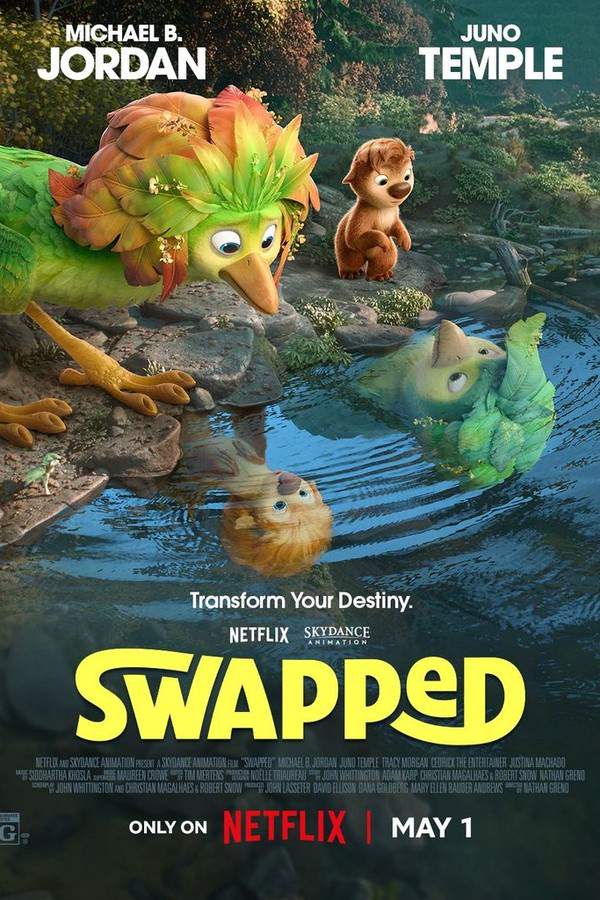
When Netflix and Skydance Animation dropped Swapped (2026) onto streaming platforms on May 1st, 2026, family audiences and animation enthusiasts immediately began searching for comprehensive Swapped 2026 reviews and spoiler-free recommendations to determine whether this flora-fauna fantasy warranted a Friday night viewing. As the latest addition to Skydance’s growing animated catalog following Luck and Spellbound, the film arrived with modest expectations but significant curiosity regarding its visual innovation and narrative ambition. At What’s After the Movie, we’ve analyzed the complete reception landscape—from professional critic reviews aggregating on Rotten Tomatoes and Metacritic to authentic audience reactions across Letterboxd and social platforms—to deliver an authoritative breakdown of whether this body-swap adventure truly resonates with viewers or simply gets lost in the algorithm. Whether you’re seeking a detailed Swapped movie reception analysis, curious about the critical consensus, or wondering “is Swapped worth watching for family movie night,” this comprehensive examination synthesizes genuine user opinions and professional film criticism to guide your viewing decision.
Swapped 2026 Critical Reception: Navigating the Divided Critical Consensus
The critical reception for Swapped (2026) reveals a fascinatingly polarized landscape that defies easy categorization, with review scores spanning a dramatic range from scathing dismissal to modest praise. On Rotten Tomatoes, the film’s Tomatometer reflects this division, while the Swapped Metacritic score settles in the mixed-to-average territory, suggesting a movie that inspires genuine debate rather than universal acclaim or rejection. This bifurcation becomes immediately apparent when examining the extremes: Screen Rant delivered a brutal assessment, declaring the film “not merely bound to be forgotten” but “one of Netflix’s worst animated movies yet,” assigning a devastating 30/100 score that positions it as a nadir in the streaming giant’s animation portfolio. Conversely, TheWrap offered significantly more generous praise, awarding a 79/100 and suggesting that while “Swapped won’t change the world, probably, it’s a step above a lot of similar films and an effective fantasy story for all ages.”
This critical divide centers primarily on execution versus ambition. RogerEbert.com crystallized this tension with a 63/100 score and the observation that “what this Netflix original lacks in narrative originality, it makes up for through a game voice cast, a wonderfully realized world, and a surprisingly dark spin on its story.” This sentiment—that technical proficiency and voice talent partially compensate for familiar plotting—recurs throughout film reception discourse. The Hollywood Reporter (70/100) similarly noted the film’s structural strengths, praising how it “never gets too heavy-handed in its themes, thanks to its fast pacing, frequent doses of humor, and myriad plot twists, including one that qualifies as a doozy.”
However, the critical consensus faces significant headwinds from reviewers unimpressed by Skydance’s visual and narrative offerings. The Guardian (40/100) levied harsh criticism at the animation quality, describing “the off-brand, bought down the market quality of Skydance animation” as lacking “immersion or sweep,” conceding only that “bright colours which might be enough for some toddlers.” This critique of aesthetic sophistication—or lack thereof—echoes in The New York Times (60/100) review, which noted that “pelage and plumage noticeably lack the tactile quality of a Pixar extravaganza,” though granting that the animation suffices for the film’s messaging about community trust.
Variety (70/100) offered perhaps the most nuanced film analysis, acknowledging that “on the story level, Swapped is simple to a fault, yet there’s a surprise enchantment to it—it’s a woodland fairy tale for seven-year-olds, but on that score it’s visually ravishing and actually rather touching.” This recognition of target-audience appropriateness versus adult critic expectations emerges as a central tension in Swapped 2026 reviews. Meanwhile, IndieWire (50/100) and The A.V. Club (50/100) positioned the film as adequate but derivative, with the latter specifically citing its proximity to Pixar’s Hoppers, noting that even without that competition, Swapped remains “an overly familiar adventure towards empathy, one light on comedy and insight despite plenty of visual imagination in its world of flora-fauna hybrids.”
For those tracking Swapped critic reviews to determine viewing priority, the professional consensus suggests a film that excels in specific technical domains—particularly voice acting and world-building texture—while struggling to distinguish itself narratively from superior animated offerings. At What’s After the Movie, our detailed summary page breaks down these critical nuances further, while our movie wiki provides additional context on the animation studio’s evolution.
Audience Reactions and Viewer Sentiment: Is Swapped Worth Watching for Families?
While critical aggregates provide valuable film reception metrics, the true test of Swapped (2026) emerges from audience reactions and viewer opinions—particularly those of parents navigating family streaming options. The user-generated score landscape reveals even greater volatility than critic scores, ranging from enthusiastic 10/10 endorsements to complete 0/10 rejections, creating a fascinating case study in subjective audience reception that defies simple “thumbs up or down” classification.
Parental perspectives dominate the Swapped audience reviews, offering crucial insights for families wondering about age-appropriate content and engagement levels. User IstvanWolf provided a particularly detailed spoiler-free review after watching with their five-year-old daughter, offering a balanced assessment that praised the “well-executed” animation and “interesting” creature designs while criticizing the pacing: “The pacing is off generally. Scenes have a touch of padding, run a bit long, or they aren’t particularly relevant.” This observation about structural drag—specifically noting that the pods “do not work the way they are depicted in the trailer”—represents a recurring viewer reaction regarding mismatched marketing expectations versus final product delivery.
Conversely, Kyle B’s Swapped review emphasized the film’s rewatchability factor for families: “Just finished watching the movie with my daughter. I thought it was a great movie, not perfect for a complete story but very enjoyable and I could see us watching this again.” This sentiment—that Swapped functions as durable family comfort viewing despite narrative imperfections—resonates throughout fan opinions. ley T similarly praised the animation and music while noting the storyline, though “typical,” effectively conveys the movie’s central themes, specifically highlighting the creature design: “the animal-like creatures are fresh to the eyes and amazing especially the ‘Dzo’.”
The international audience reception adds fascinating dimension to the film’s perception. Chinese user xyf2024 delivered high praise in their Swapped 2026 review, calling it “最佳动画长片提名级别的作品” (Best Animated Feature nomination level work), acknowledging that while the themes of “love and peace, breaking barriers, mutual understanding” feel familiar, “the completion degree is indeed very high, and in this era we need this kind of film.” This global perspective contrasts sharply with Davetheman’s scathing viewer reaction: “Swapped has been swappping out on me almost like every day… it was a terrible Netflix movie. So please do not watch this unless you wanna see if you love it or hate it.”
Nicolás R’s film reception analysis emphasized the emotional resonance for young viewers: “Truly impressed by how creative and emotional the movie is. I watched it with my two 7yr boys and we were completely in awe by the visuals, but more importantly the story managed to balance imagination and a very relatable message.” This divide between younger audience captivation and adult viewer skepticism defines the Swapped viewer reactions landscape. Michał L’s critique focused on narrative logic rather than visuals: “Liked the idea about food making one side a hero and the other ‘the one who ruined everything’ but sadly that idea wasnt really explored more. This movie is an example of how logical errors can ruin a good movie.”
For families debating whether Swapped deserves precious screen time, the audience consensus suggests tempering expectations: the film serves as competent entertainment for children aged 5-10 but may test the patience of adults seeking Pixar-level narrative sophistication. Before committing, explore our interactive quizzes and games to test your knowledge of animated features, or browse our movie collections for alternative family viewing recommendations.
Visual Storytelling and World-Building: Analyzing the Flora-Fauna Hybrid Aesthetic
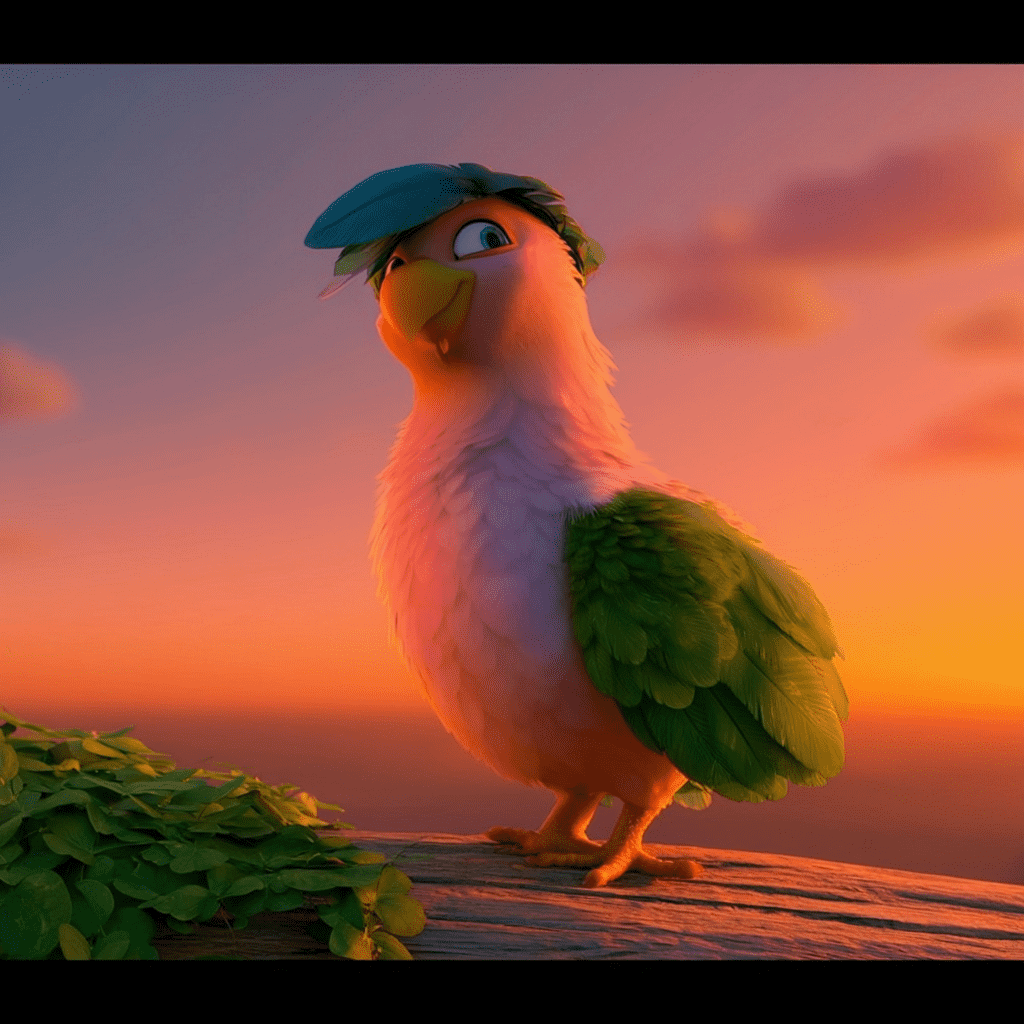
The most consistent point of praise across both critic reviews and audience reactions involves Swapped (2026)‘s visual design and world-building—specifically its inventive “flora-fauna hybrid” creatures and atmospheric environmental rendering. This film analysis dimension reveals how contemporary animation audiences evaluate aesthetic innovation versus technical perfection, particularly when comparing mid-budget streaming originals to theatrical Pixar extravaganzas.
Tuinisela A’s Swapped review exemplifies the visual appreciation dominating user reviews: “Its greatest strength lies in its originality and the care put into its world-building. The forest and valley settings were rendered with a striking sense of atmosphere, giving the impression of a living, breathing environment rather than a simple backdrop.” This emphasis on environmental authenticity—creating spaces that feel ecologically lived-in rather than digitally constructed—represents a significant achievement for Skydance Animation, addressing criticisms leveled at their previous efforts regarding sterile world-building.
The creature design, particularly the “Dzo” mentioned by multiple viewers, emerges as a distinctive visual hallmark that distinguishes Swapped from generic animated fare. Koi P’s concise film reception summary—“Beautiful animation, creative storyline, fun characters”—reflects the general appreciation for the biological imagination on display. However, this visual praise exists in tension with technical criticisms regarding textural fidelity. The New York Times specifically contrasted the film’s “pelage and plumage” against Pixar’s “tactile quality,” noting the relative poverty of fur and feather rendering while accepting these limitations given the film’s thematic priorities.
The Guardian’s harsh critic review positioned this visual compromise as emblematic of Skydance’s “off-brand, bought down the market quality,” suggesting that without “poorly realised humans” to distract (as in Luck and Spellbound), the animation’s lack of “immersion or sweep” becomes more apparent. Yet Variety countered this narrative, finding the aesthetic “visually ravishing” and appropriate for the target demographic, describing the film as “a woodland fairy tale for seven-year-olds” that succeeds precisely because it doesn’t overreach toward photorealism.
This debate over animation quality standards—whether streaming animated features should aspire to theatrical visual fidelity or embrace stylistic distinction—defines much of the Swapped 2026 reception. The A.V. Club acknowledged “plenty of visual imagination in its world of flora-fauna hybrids” even while criticizing the narrative execution, suggesting that the art department’s creativity outpaced the screenwriting department’s innovation.
For animation enthusiasts tracking box office performance and industry trends (accessible via our comprehensive box office tracker), Swapped represents an interesting case study in visual risk-taking within constrained budgets. The film’s aesthetic choices—prioritizing creature creativity over environmental photorealism—may influence future concert films and animated features navigating streaming economics. Visit our person profiles to explore the artists and directors behind these visual decisions.
Narrative Themes and Pacing Issues: Breaking Down the Empathy Message in Swapped
Beneath the visual spectacle, Swapped (2026) grapples with well-worn animated themes of empathy, community trust, and cross-cultural understanding—themes that generated significant film analysis regarding execution quality and thematic depth. The critical consensus suggests that while the film’s messaging remains noble and age-appropriate, its narrative architecture suffers from pacing inconsistencies and logical shortcuts that undermine emotional impact.
The central premise—exploring how “food making one side a hero and the other ‘the one who ruined everything’” (as Michał L noted)—offers rich potential for social commentary that the film allegedly underutilizes. This criticism of unexplored thematic territory recurs in Next Best Picture’s 50/100 review, which called Swapped “a perfectly serviceable animated film that younger viewers will connect with” but criticized its “dreaded forgettability” and similarity to “recent, better films with similar plots, tropes, and themes.” The reception here suggests a film that gestures toward complex ideas about prejudice and community scapegoating without fully developing them, leaving adult viewers intellectually unsatisfied even as younger audiences absorb the surface-level message.
Pacing emerges as the most frequently cited structural flaw across viewer reactions and critic reviews. IstvanWolf’s detailed audience review specifically identified this as the film’s Achilles heel: “The pacing is off generally. Scenes have a touch of padding, run a bit long, or they aren’t particularly relevant. The ‘beats’ just aren’t being hit.” This structural criticism—scenes lacking narrative economy or dramatic necessity—suggests editorial challenges during post-production. The reviewer specifically noted that the pod mechanics differ from trailer expectations, creating “avoidable drag to the pace” that disrupts viewer immersion.
The Hollywood Reporter countered this narrative slightly, praising the “fast pacing” as preventing the film from becoming “too heavy-handed in its themes,” suggesting that subjective perceptions of tempo vary significantly among critics. However, the A.V. Club sided with audience complaints regarding narrative momentum, describing the film as “light on comedy and insight” despite its visual imagination.
The villain reveal—referenced in multiple spoiler-heavy reviews—generated particular controversy regarding storytelling quality. IstvanWolf noted that while “conceptually interesting,” the antagonist’s turn is “not very well executed, and the voice acting there is noticeably strained and less tonally consistent than the rest of the film.” This inconsistency in voice acting quality represents a significant reception issue, particularly given that RogerEbert.com specifically praised the “game voice cast” as a saving grace.
Tallys P’s Portuguese review offered a more generous film analysis of the thematic execution: “Swapped tries to understand someone from their point of view, and does an excellent job showing their worlds… it is the small details of Swapped that elevate the material above the routine and predictable components.” This perspective—that thematic sincerity and detail-oriented world-building compensate for narrative familiarity—provides crucial balance to the critical consensus.
For viewers interested in awards potential and industry recognition, check our awards tracker to see how Swapped compares to other animated features in contention. Those seeking similar films can explore our curated movie lists featuring body-swap comedies and family-friendly fantasies.
Swapped vs Contemporary Animation: Positioning Within the 2026 Family Film Landscape
To fully contextualize the Swapped 2026 reception, one must examine its position within the broader animated feature landscape, particularly regarding comparisons to similar films and franchise expectations. As a Skydance Animation production distributed by Netflix, the film inevitably invites comparison to both Pixar’s theatrical dominance and Skydance’s own checkered track record with previous releases like Luck and Spellbound.
The A.V. Club explicitly positioned Swapped against Pixar’s Hoppers, noting that even without that direct competition, the film remains “an overly familiar adventure towards empathy.” This genre expectation—that modern animated features must either match Pixar’s emotional sophistication or distinguish themselves through radical stylistic departure—creates an impossible standard for mid-tier productions. The Guardian’s critique of Skydance’s “off-brand” quality reflects this industry hierarchy, suggesting that Swapped suffers from comparison to better-funded theatrical releases.
However, TheWrap’s more positive review argued that Swapped succeeds precisely by acknowledging its scale and audience: “a step above a lot of similar films and an effective fantasy story for all ages.” This recognition of streaming animation as a distinct category with different success metrics offers a fairer framework for film reception. Unlike theatrical releases requiring $15+ ticket investments, Netflix originals face different viewer reaction pressures—entertainment value per dollar spent favors streaming, potentially explaining why some audience reactions remain positive despite acknowledged flaws.
Fclx0704’s enthusiastic user review—“I love this movie… IT WAS SO AMAZING!!! Thanks for make an improvement of Skydance Animation”—suggests that for fans tracking the studio’s evolution, Swapped represents genuine progress. This franchise context matters significantly; viewers familiar with Skydance’s earlier struggles may view Swapped as a step forward in animation quality and narrative coherence, while newcomers judging it against Toy Story or Spider-Verse standards find it wanting.
The long-term reception question remains open: will Swapped achieve cult status through rewatchability, or fade into streaming obscurity as Screen Rant predicted? ley T’s review suggested the film deserved theatrical exhibition: “the movie could go into cinemas and the kids will love it,” indicating that audience reactions might have differed with theatrical presentation rather than small-screen consumption.
For comprehensive movie information and to join the conversation about Swapped, visit the official Swapped movie page on What’s After the Movie, where you can find detailed summaries, cast information, and community discussions. Our summary portal offers quick reference guides for busy parents evaluating family viewing options.
Conclusion: The Final Verdict on Swapped 2026 Reviews and Reception
After synthesizing the full spectrum of Swapped 2026 reviews, critic consensus, and audience reactions, the film reception picture emerges as complex and demographic-dependent. This is not a film destined for the animation canon, nor is it the unmitigated disaster that harsher critic reviews suggested. Instead, Swapped occupies the increasingly crowded middle ground of “competent family entertainment”—visually inventive enough to captivate children aged 5-10, narratively conventional enough to disappoint animation connoisseurs seeking Pixar-level innovation.
The critical consensus tilts toward “mixed” rather than “rotten,” with Rotten Tomatoes scores likely reflecting the divide between critics valuing originality (who find the film derivative) and those prioritizing technical execution (who appreciate the voice cast and creature design). For parents seeking spoiler-free recommendations, the verdict suggests cautious optimism: the film offers harmless, occasionally charming entertainment that works better as background comfort viewing than focused cinematic experience.
The audience sentiment reveals that Swapped succeeds most effectively with younger viewers less concerned with narrative originality than emotional sincerity and visual color. As Nicolás R observed, the film balances “imagination and a very relatable message” for seven-year-olds even if adults notice the “logical errors” that Michał L criticized.
Ultimately, is Swapped worth watching? For families with young children seeking new animated content on Netflix, the viewer reactions suggest yes—with tempered expectations regarding pacing and narrative complexity. For animation enthusiasts seeking the next Spider-Verse or Inside Out, the film analysis indicates probable disappointment.
At What’s After the Movie, we believe every film deserves contextualized evaluation. Visit our main site for more movie reviews, reception analysis, and tools to discover your next favorite film. Whether you’re researching box office trends, exploring award contenders, or simply looking for reliable film reception summaries, our platform provides the comprehensive resources modern moviegoers need.
External Resources and References:
| Site | Link |
|---|---|
| Swapped IMDB | IMDB |
| Swapped Wikipedia | Wikipedia |
| Swapped Rotten Tomatoes | Rotten Tomatoes |
| Swapped Metacritic | Metacritic |
| Swapped JustWatch | JustWatch |
| Swapped Letterboxd | Letterboxd |