What's After the Blog?
Opinions • Reception
ChaO (2026) Review & Critics Opinions – Audience Reception, Performance, Storytelling & Franchise Impact
An in‑depth look at fan reactions and critic reviews for ChaO (2026), examining the film's performance, storytelling choices, and its place within the emerging mermaid‑human franchise. We break down audience sentiment, critical consensus, and what the mixed reception means for future installments.
April 15, 2026
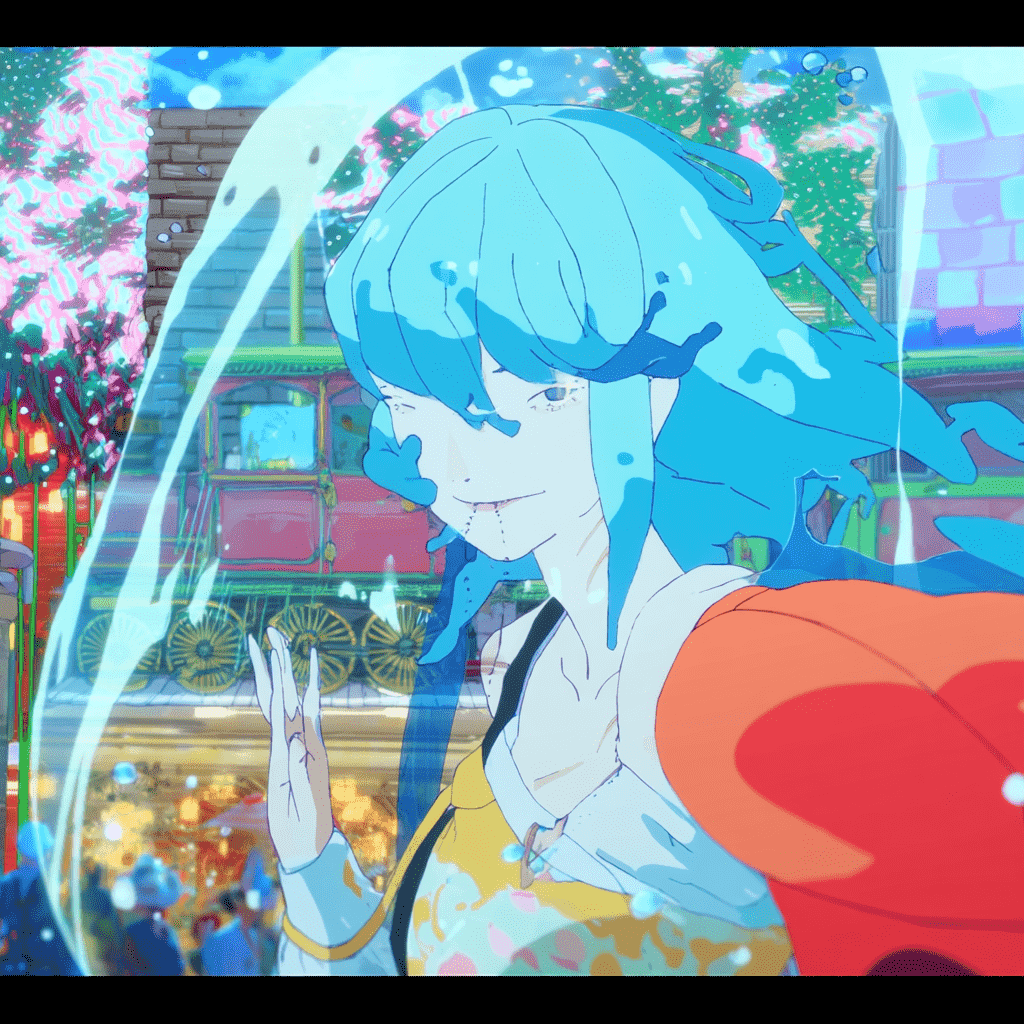
Movies mentioned in this article
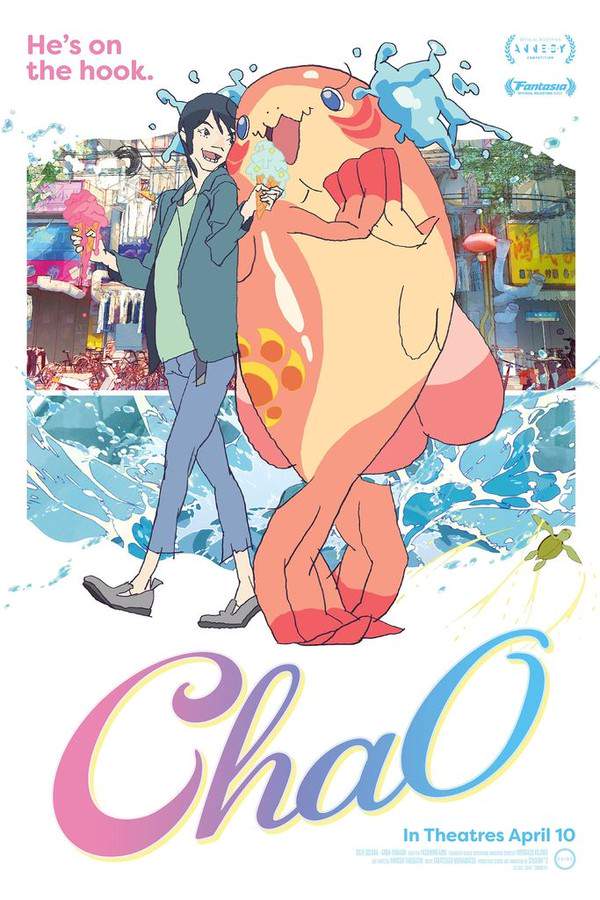
ChaO 2026 Review: Critical Consensus, Audience Reactions & Is It Worth Watching?
When animated fantasy films premiere with as much visual ambition as ChaO (2026), viewers immediately flock to search engines asking the same pressing questions: Is ChaO worth watching? What are critics saying about ChaO 2026? Does this surreal romantic fantasy deliver genuine emotional resonance, or is it merely style over substance? As the latest entry in the increasingly diverse landscape of international animation, this film has generated significant buzz across film festivals and theatrical releases alike, prompting both casual moviegoers and cinephiles to seek comprehensive ChaO film reception analysis.
At What’s After the Movie, we’ve compiled extensive data on viewer reactions, critical scores, and long-term reception trends to help you decide whether this hyper-optimistic fairy tale deserves your time. Whether you’re browsing our movie wiki for detailed production backgrounds, checking box office performance metrics, or exploring our curated movie collections for similar animated romances, this deep-dive into ChaO 2026 reviews offers the definitive reception breakdown. From the film’s breathtaking visual aesthetic to its divisive narrative pacing, we’ll analyze every facet of the audience and critical consensus surrounding this unique cinematic experience.
Critical Consensus and Critic Reception of ChaO 2026
The ChaO 2026 critic reviews reveal a fascinating divergence between visual appreciation and narrative skepticism, creating a complex reception landscape that defies easy categorization. With scores ranging from a disappointing 50/100 at The A.V. Club to a glowing 88/100 at RogerEbert.com, the film has established itself as one of the most polarizing animated releases of the year, generating intense debate about the relationship between artistic ambition and storytelling coherence.
RogerEbert.com emerges as perhaps the most enthusiastic champion of the film, praising what they describe as the movie’s “hyperpoptimism” and “lightly held Utopianism.” Their review highlights something that many ChaO film analysis pieces have since echoed: the film’s breezy, arresting style serves as more than mere decoration—it functions as the primary vessel for the movie’s thematic concerns. This perspective suggests that viewers approaching ChaO 2026 with traditional narrative expectations may miss the point entirely; the film operates on dream logic and emotional intuition rather than conventional plotting.
Conversely, The A.V. Club’s more skeptical take represents the other side of the critical consensus divide. Their critique that “a talented animation team does its best to bail water from this sinking ship” speaks to a fundamental frustration with the film’s perceived overreliance on “contrivances and slapstick.” This reaction suggests that for some critics, the visual splendor cannot compensate for what they view as structural weaknesses in the screenplay. The metaphor of bailing water proves particularly apt given the film’s aquatic themes and the sense that despite the artists’ best efforts, too many narrative holes remain unplugged.
TheWrap attempts a middle-ground synthesis, conceding that “whether the love story completely works or not, ChaO is such a visual wonder that it hardly matters.” This spoiler-free review approach acknowledges the film’s romantic core while arguing that the sensory experience transcends traditional storytelling metrics. Their perspective invites potential viewers to approach ChaO 2026 not as a tightly constructed narrative but as an immersive aesthetic journey where emotional beats take precedence over plot mechanics.
Polygon and Slant Magazine both land in the 63/100 range, suggesting a “mixed-positive” ChaO 2026 reception among genre-savvy outlets. Polygon notes that the film “moves so fast that you don’t have to dwell on its missteps for long,” characterizing the viewing experience as a kinetic ride where “absolutely hilarious or heartbreakingly sincere” moments outweigh the “weird” missteps. Their description of the film as a “particularly twisted” fairy tale with an “earned” happily-ever-after ending provides crucial context for understanding the movie’s tonal oscillations. Slant Magazine similarly acknowledges that “the narrative is nonsense,” but qualifies this criticism by noting it’s “at least an arch and sweet kind of nonsense,” praising the “artful color and manically doodled creativity” that carries viewers through the film’s logical leaps.
For readers seeking comprehensive critic aggregates and score comparisons, our dedicated ChaO movie page provides real-time updates on rating fluctuations and critical consensus shifts as more reviews populate the ecosystem.
Audience Reactions and Viewer Sentiment: What Fans Are Saying
While professional critics debate the film’s artistic merits, ChaO 2026 audience reactions paint an equally complex picture of viewer sentiment, ranging from ecstatic five-star celebrations to frustrated dismissals. This polarization speaks to the film’s challenging aesthetic and narrative choices, which seem to reward certain viewer temperaments while alienating others. Understanding these fan opinions proves essential for anyone asking is ChaO 2026 worth watching for their specific tastes.
User reviews consistently highlight the film’s “whimsical” nature, with viewer K R describing it as “a bit silly, but overall a great film with a pretty wholesome story” that they “absolutely enjoyed every minute” of. This reaction typifies the audience members who embraced the movie’s surreal logic and found charm in its resistance to conventional storytelling. Similarly, Jason B’s enthusiastic declaration that “this movie can’t be adequately explained in a review—you just have to go see it” suggests that ChaO viewer reactions often transcend analytical criticism, operating instead on visceral, experiential pleasure.
However, the audience reception isn’t universally positive. Taras W’s detailed 1.5/5 review provides a counter-narrative that potential viewers should seriously consider. Their critique focuses on the film’s “surrealistic animation” where “some have enormous heads for no reason” and the protagonist “looks like Humpty-Dumpty,” creating a visual language they found “grotesque” and reminiscent of the supernatural beings in Miyazaki’s Spirited Away—but without that film’s narrative clarity. Most damningly, they note that “the first half is mildly amusing, but the second half—mostly flashbacks—really drags,” admitting to nodding off during the screening. This film reception data point suggests that viewers sensitive to pacing issues and nonlinear storytelling may struggle with ChaO’s structural choices.
The romantic elements generate particularly diverse opinions and reviews. Kelsey W argues that “ChaO and Stephan make for a believable, adorable couple you’ll root for,” despite acknowledging that the story may not reach Ponyo levels of narrative sophistication. Contrast this with heliumfilledpuppies’ festival review, which characterizes the film as a “winsome, unpredictable romantic comedy which never feels like it forgets to have fun.” Their observation about the film’s awareness of “the tug-of-war between capitalism and environmentalism without ever becoming self-serious” offers insight into why some viewers find the movie refreshing—it tackles contemporary themes without sacrificing its playful tone.
Technical appreciation emerges as a consistent theme across user reviews, even among those who didn’t fully connect with the narrative. Khang N praises the “insanely rich, fun and charming” art style, while daltonstevens60 emphasizes that “the art style is beautiful” and the story remains “easily followed and very worthwhile.” Rodney’s detailed 4.5/5 review offers specific praise for the “skyscraper amusement park entrance statues,” describing the film as “a fast paced adventure through a scenic world blend vibrant and muted colors together,” though they acknowledge the story feels “disjointed” and leaves questions unanswered regarding ChaO’s underwater sequences.
For viewers who enjoy testing their film knowledge or competing with friends, our quizzes and games section offers ChaO-themed trivia that explores these nuanced reception debates, while our movie lists compile similar animated fantasies based on audience rating patterns.
Visual Storytelling and Animation Quality: Artistic Reception
Perhaps no aspect of ChaO 2026 generates more unanimous praise than its audacious visual design, which critics and audiences alike recognize as the film’s undeniable strength. The critical consensus surrounding the movie’s aesthetic achievements reveals a work of considerable artistic ambition that draws comparisons to Studio Ghibli while carving out its own distinct visual identity. For viewers specifically searching ChaO 2026 review content focused on animation quality, the reception proves overwhelmingly positive, even among critics who found narrative elements lacking.
The film’s “hyperpoptimism” manifests most clearly in its color palette and character design, creating what RogerEbert.com identifies as a “breezy and arresting style” that reflects the creators’ “lightly held Utopianism.” This visual philosophy extends beyond mere background detail into every frame of the film, establishing a coherent aesthetic world that supports the narrative’s fantastical elements. The reception of this approach suggests that ChaO 2026 succeeds as a piece of visual art even when viewers question its storytelling coherence.
Comparisons to Hayao Miyazaki’s work appear frequently in viewer reactions, though opinions diverge sharply on whether these similarities represent strengths or weaknesses. Taras W’s negative comparison to Spirited Away’s “grotesque supernatural beings” highlights how the film’s exaggerated proportions and surreal character designs may alienate viewers expecting traditional animation beauty standards. However, s R’s observation that the creative team found “space to paint a little extra whimsy and fantasy into each part of the landscape” by setting the film in China rather than Japan suggests that these visual choices serve thematic and atmospheric purposes beyond mere shock value.
The environmental design receives particular acclaim across ChaO 2026 audience reactions. Rodney’s specific mention of the “skyscraper amusement park entrance statues” as “breathtaking” indicates the film’s success in creating memorable, iconic imagery that lingers beyond the screening. Moody C similarly notes that the “Animation [is] quite beautiful especially those local city scenes,” while jesse v acknowledges that despite narrative frustrations, “there are many scenes that are just art eye candy from the studio.” This consensus around the film’s background artistry and environmental detail suggests that ChaO film reception heavily favors the movie’s world-building capabilities, even when character designs or plot elements prove divisive.
The “manically doodled creativity” noted by Slant Magazine speaks to a deliberately imperfect, hand-crafted aesthetic that rejects the polished uniformity of major studio animation. This stylistic choice aligns with the film’s themes of embracing difference and finding beauty in the unconventional—a message reinforced by the protagonist’s acceptance of ChaO’s fish-like form. For viewers interested in the technical aspects of animation and design evolution, our profiles section tracks the careers of the film’s key animators and visual artists, providing context for ChaO’s place within contemporary animation trends.
Mycologist’s ecstatic declaration that the film is “full of beauty, wonder, absurdity and emotion” with a “moving and fantastic” soundtrack captures the synesthetic experience that many viewers report—the visual and auditory elements combining to create something greater than the sum of its narrative parts. This film analysis perspective suggests that ChaO 2026 functions best as an immersive sensory experience rather than a plot-driven adventure.
Narrative Pacing and Storytelling Critiques: Does the Plot Hold Up?
Where ChaO 2026 generates its most significant critical consensus disputes is in the realm of narrative construction and pacing—a division that separates viewers who prioritize emotional logic from those demanding tight plotting and clear causality. Understanding these critic reviews and audience reactions regarding storytelling proves crucial for potential viewers deciding whether the film aligns with their preferences.
Polygon’s observation that the film “moves so fast that you don’t have to dwell on its missteps for long” encapsulates the primary defense of ChaO’s narrative structure. This kinetic pacing serves as both shield and sword: protecting viewers from narrative inconsistencies while potentially preventing deeper emotional investment in individual moments. The reception suggests that the film’s velocity creates a unique viewing experience where traditional plot holes become less relevant than the cumulative emotional impact of individual scenes.
However, the pacing generates significant viewer reactions criticism, particularly regarding the film’s second half. Taras W’s complaint that “the second half—mostly flashbacks—really drags” directly contradicts the “fast-paced” descriptor used by other reviewers, suggesting that ChaO 2026 may suffer from uneven rhythm that affects different viewers differently. This disparity in audience reception—where some find the film breathlessly paced while others struggle with mid-movie drowsiness—indicates a narrative structure that takes risks with traditional three-act conventions, potentially alienating viewers who expect consistent momentum.
The “random supernatural mech” insertion mentioned by jesse v represents a specific plot critique that appears in multiple user reviews: the film’s willingness to introduce fantastical elements without extensive foreshadowing or explanation. While some viewers celebrate this unpredictability as “artsy surprises,” others find it indicative of “narrative nonsense” (Slant Magazine) that undermines investment in the story. This tension between “arch and sweet” absurdity and “contrivances” (The A.V. Club) defines the central debate around ChaO’s storytelling merits.
Rodney’s specific critique regarding ChaO’s underwater sequence—where “ChaO takes her fiancé under water at the beginning left no explanation as to what had happened, only questions”—highlights a narrative opacity that frustrates some viewers while enchanting others. This spoiler-free review observation suggests that the film operates on fairy-tale logic, where symbolic action takes precedence over literal explanation, but acknowledges that this approach may leave viewers craving narrative closure unsatisfied.
The romantic plotline receives similarly divided opinions. While Kelsey W finds ChaO and Stephan “believable” and “adorable,” TheWrap’s hedging that “whether the love story completely works or not” remains debatable indicates that the central relationship may not provide the emotional anchor that viewers expect from romantic fantasy. s R’s observation that “some plot points and secondary characters feel a bit thrown-together” while the “core romance feels tidy and compelling” offers a nuanced middle ground: accepting narrative messiness in service of emotional clarity.
For viewers seeking clarity on plot details before committing to the film, our summaries section provides comprehensive breakdowns that help set appropriate expectations for ChaO’s unconventional storytelling approach.
Genre Expectations: ChaO 2026 as a Romantic Fantasy
Positioning ChaO 2026 within the broader context of romantic fantasy and animated fairy tales illuminates why the film has generated such passionate audience reactions. By invoking comparison to Splash (as Jason B notes) while incorporating environmental themes and grotesque beauty reminiscent of Studio Ghibli, the film occupies a unique generic space that challenges traditional expectations for animated romance. This film analysis of genre conventions helps explain the gap between viewers who find the movie refreshing and those who find it frustrating.
The “twisted fairy tale” descriptor used by Polygon proves apt for understanding the critical consensus around ChaO’s genre positioning. Unlike Disney’s sanitized romantic narratives or even Pixar’s emotionally grounded adventures, ChaO embraces what Polygon calls “particularly twisted” elements—visual grotesquerie, nonlinear storytelling, and tonal shifts between “absolutely hilarious” and “heartbreakingly sincere” moments. This willingness to disturb traditional fairy-tale comfort creates the polarized viewer reactions that define the film’s reception.
The environmental and capitalist themes mentioned by heliumfilledpuppies add layers of contemporary relevance to the fantasy romance. Their observation that the film remains aware of “the tug-of-war between capitalism and environmentalism without ever becoming self-serious” suggests that ChaO 2026 succeeds where many message-heavy fantasies fail: integrating social commentary without sacrificing entertainment value. This balance contributes to the film reception among viewers who appreciate substance with their style, even if the narrative delivery proves unconventional.
As a romantic comedy, the film generates fan opinions that emphasize its unpredictability. heliumfilledpuppies’ description of ChaO as a “winsome, unpredictable romantic comedy which never feels like it forgets to have fun” contrasts sharply with Taras W’s frustration regarding the premise (“Younger brother of a shipping magnate in Shanghai is pressured into marrying a mermaid princess”). This divergence highlights how ChaO 2026 reviews often reflect pre-existing preferences for romantic narrative clarity—viewers who enjoy whimsical, logic-defying romance (such as fans of Ponyo or The Shape of Water) tend to rate the film higher than those seeking realistic relationship development.
The film’s suitability for children generates specific audience reception interest. Jason B’s assurance that “yes, you can take kids” despite the “crazy” adaptation suggests that the film navigates the delicate balance of all-ages appeal without condescension. However, the “grotesque” character designs noted by multiple reviewers indicate that parents should be prepared for visual elements that may disturb very young or sensitive children, despite the “wholesome” overall story identified by K R.
For viewers exploring similar titles in the romantic fantasy animation space, our concert films and collections sections offer curated viewing lists that contextualize ChaO within the broader landscape of international animation, while our awards page tracks potential recognition for the film’s artistic achievements.
Final Verdict: Is ChaO 2026 Worth Watching?
Synthesizing the diverse ChaO 2026 reviews, critic consensus, and audience reactions into actionable viewing advice requires acknowledging the film’s specific appeal rather than assigning universal quality judgments. The reception data clearly indicates that ChaO offers a particular type of cinematic experience—visually overwhelming, emotionally direct, narratively unconventional—that resonates deeply with certain viewers while leaving others cold.
Is ChaO worth watching? For viewers who prioritize artistic vision and emotional atmosphere over plot coherence, the answer appears to be a resounding yes. The film’s “visual wonder” (TheWrap), “insanely rich” art style (Khang N), and “magical” sensory experience (Mycologist) provide sufficient justification for cinema enthusiasts and animation aficionados. The critical reviews from outlets like RogerEbert.com and TheWrap suggest that viewers approaching the film as an aesthetic object will find ample rewards in its “hyperpoptimism” and “artful color.”
However, prospective viewers should honestly assess their narrative tolerance before purchasing tickets. If you require tight plotting, clear exposition, and traditional three-act structure, the user reviews from Taras W and jesse v suggest you may find ChaO 2026 frustrating. The film’s “nonsense” narrative (Slant Magazine), “disjointed” pacing (Rodney), and unexplained supernatural elements represent genuine artistic choices rather than failures, but these choices may not align with mainstream audience expectations.
The romantic elements provide another decision point: viewers seeking traditional love stories with clear emotional beats and realistic relationship development may find the ChaO-Stephan romance underdeveloped, while those who appreciate “winsome” (heliumfilledpuppies) and “unpredictable” romantic comedy will likely find the central relationship charming. The fan opinions consistently note that the film works best when accepted as a “twisted fairy tale” (Polygon) rather than a realistic romance.
For families and casual viewers, Jason B’s recommendation that the film remains accessible to children (despite its “crazy” elements) combined with K R’s “wholesome” assessment suggests ChaO 2026 serves as suitable all-ages entertainment, provided younger viewers can handle the occasionally “grotesque” character designs. The film’s environmental themes and playful tone make it potentially educational as well as entertaining.
Ultimately, the ChaO 2026 reception suggests a film destined for cult status rather than universal acclaim—a movie that will be passionately defended by its admirers while puzzling viewers who encounter it without proper expectations. For definitive information on where to stream or purchase the film, along with updated rating aggregations and similar title recommendations, visit our comprehensive ChaO movie page at What’s After the Movie.
Conclusion: Understanding ChaO 2026’s Reception Landscape
The ChaO 2026 film reception ultimately reveals a work of genuine artistic ambition that prioritizes visual poetry and emotional resonance over narrative convention. While the critical consensus remains divided—with scores ranging from 50 to 88 reflecting genuine disagreement about the film’s storytelling merits rather than mere taste differences—the overwhelming appreciation for the movie’s aesthetic achievements suggests a lasting impact on animated cinema. Audience reactions similarly polarize between those who find the film’s whimsy enchanting and those who find its narrative opacity frustrating, creating a reception profile that defies simple thumbs-up or thumbs-down categorization.
For viewers navigating these reviews and opinions, the key takeaway involves matching personal preferences with the film’s specific strengths. If you value “art eye candy” (jesse v), “manically doodled creativity” (Slant Magazine), and “hyperpoptimism” (RogerEbert.com) over traditional storytelling, ChaO offers one of the most visually distinctive theatrical experiences of 2026. However, if narrative clarity and pacing consistency rank higher on your priority list, the user reviews suggesting second-half fatigue and unexplained plot developments warrant consideration.
As ChaO 2026 continues its theatrical run and eventual streaming release, its long-term reception will likely depend on finding its audience among animation enthusiasts, international cinema fans, and viewers seeking alternatives to mainstream Hollywood storytelling. The film’s willingness to embrace “absurdity and emotion” (Mycologist) positions it within a tradition of visionary animation that challenges rather than comforts—cinema that asks viewers to meet it on its own terms.
At What’s After the Movie, we remain committed to tracking these evolving viewer reactions and critical reviews as they develop. Whether you’re exploring our movie wiki for production details, browsing our summaries for plot clarifications, or testing your knowledge in our quizzes and games, we provide the comprehensive resources needed to contextualize films like ChaO within the broader cinematic landscape. For the latest updates on ratings, streaming availability, and similar recommendations, bookmark our dedicated movie page and join the conversation about one of 2026’s most visually arresting and narratively controversial animated features.
External Resources and Links
| Site | Link |
|---|---|
| ChaO IMDB | IMDB |
| ChaO Wikipedia | Wikipedia |
| ChaO Rotten Tomatoes | Rotten Tomatoes |
| ChaO Metacritic | Metacritic |
| ChaO JustWatch | JustWatch |
| ChaO Box Office Mojo | Box Office Mojo |
Continue reading



What's After the Movie?
Not sure whether to stay after the credits? Find out!
Check out our other apps:

SAT Sphere
Build confidence for the Digital SAT.

Mori Atlas
Discover wild places worth protecting.

Luntero
Search smarter for a home in Amsterdam.

Plot Explained
Unravel movie endings and hidden clues.

Pokechamp
Dive into Pokémon data and battle logic.

Driving Theory
Get ready for your European theory test.

Movie Dust
Plan your next cinema trip with ease.

Musemap
Find art and culture as you travel.

Selkobase
Compare credentials before committing.

Local Manual
Turn an unfamiliar country into practical next steps.

Lernavi
Compare school systems before your next move.

GymRoam
Find a workout stop wherever your plans take you.
Explore Our Movie Platform
New Movie Releases (2026)
Famous Movie Actors
Top Film Production Studios
Movie Plot Summaries & Endings
Major Movie Awards & Winners
Best Concert Films & Music Documentaries
Movie Collections and Curated Lists
© 2026 What's After the Movie. All rights reserved.
Privacy Policy