What's After the Blog?
Opinions • Reception
You, Me & Tuscany (2026) Review & Reception: Critics, Fan Opinions, and Rom‑Com Performance Analysis
Explore how critics and fans have responded to the 2026 rom‑com You, Me & Tuscany, analyzing its storytelling, performances, and place within the genre’s evolving franchise landscape. This post dives into reviews, audience reactions, and the overall reception of the film.
April 17, 2026
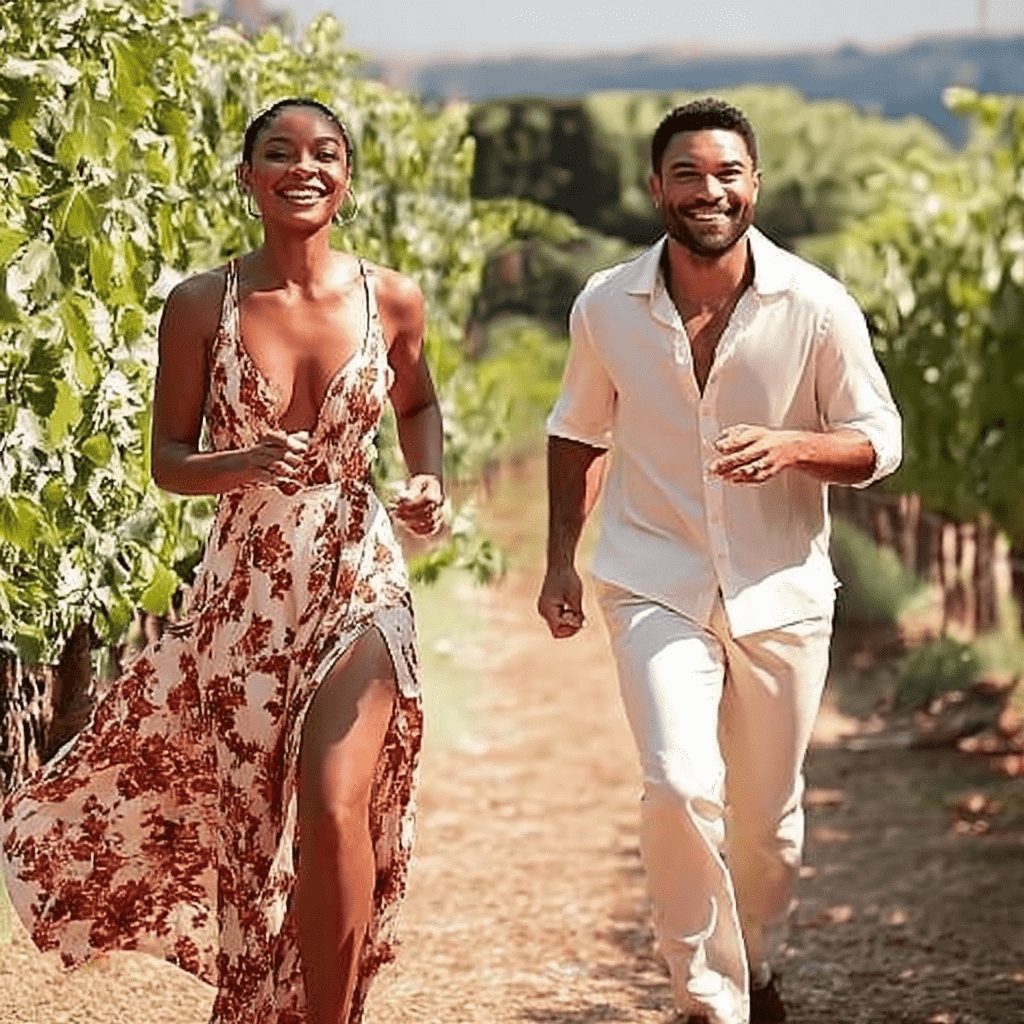
Movies mentioned in this article
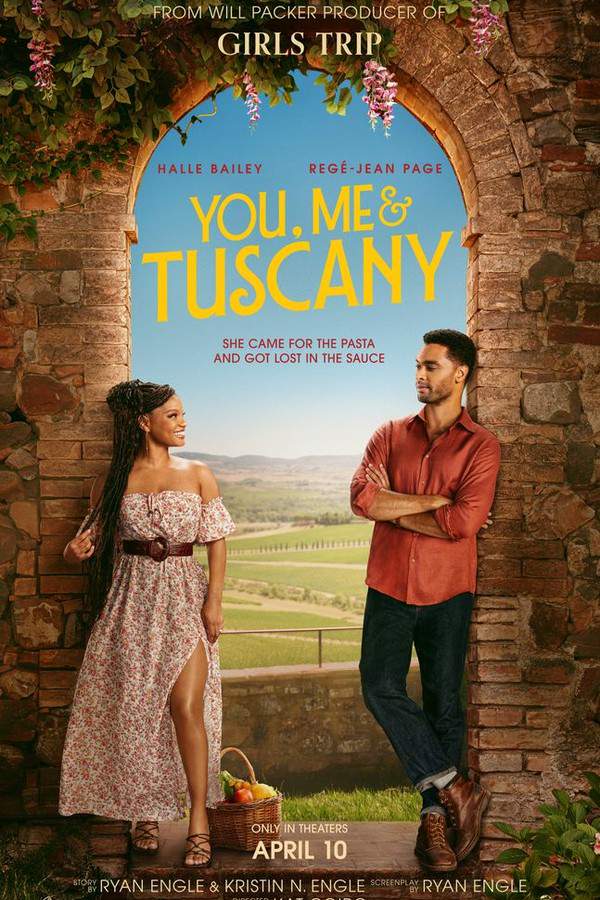
You, Me & Tuscany (2026) Reviews: Critical Consensus, Audience Reactions & Film Reception Analysis
When You, Me & Tuscany hit theaters on April 10, 2026, it arrived at a fascinating inflection point for the romantic comedy genre. Following years of speculation about the “death of the rom-com,” director Kat Coiro’s latest offering—starring Halle Bailey and Regé-Jean Page—positioned itself as a potential resurrection of the form, wrapped in the sun-drenched vineyards and golden-hour lighting that have made Tuscan-set love stories a cinematic staple since Under the Tuscan Sun. But as audiences flocked to theaters seeking the escapist comfort that What’s After the Movie users consistently rank as their primary motivation for rom-com viewing, the critical and viewer reception revealed a fascinating schism between those seeking cinematic innovation and those simply craving “vibes.”
The film’s reception landscape is particularly noteworthy for its polarized nature. Unlike recent releases that generate consensus through either universal acclaim or complete dismissal, You, Me & Tuscany occupies that rare middle ground where technical criticism and emotional satisfaction diverge radically. Critics found themselves debating whether the film’s predictability constitutes a bug or a feature, while audiences split between those who found it a “perfect date night movie” and others who dismissed it as derivative Hallmark Channel fare with a bigger budget. This divergence makes the You, Me & Tuscany review ecosystem essential reading for anyone wondering whether this particular romantic escapade merits their time and ticket price.
For viewers researching whether to add this to their must-watch list, the movie page for You, Me & Tuscany on What’s After the Movie provides comprehensive context, including detailed cast profiles, box office performance metrics, and how it compares to other entries in our romantic comedy collections. But beyond the raw data lies a complex narrative of reception that reveals as much about contemporary audience expectations as it does about the film itself.
You, Me & Tuscany Critical Reception: Navigating the Genre Divide
The critical reception for You, Me & Tuscany spans an unusually wide spectrum, with scores ranging from a dismal 38/100 at Movie Nation to an enthusiastic 88/100 from The Seattle Times. This 50-point spread suggests less a disagreement about the film’s technical execution and more a philosophical debate about what romantic comedies owe their audiences in 2026. Are we evaluating these films against the golden age of the genre, or against the current landscape where mid-budget adult romances have become an endangered species?
RogerEbert.com delivered one of the more positive assessments, granting the film 75/100 and noting that while “it is utterly predictable,” the combination of “charismatic stars, some of the world’s most spectacularly beautiful scenery, and that fairy-tale gloss” renders it “beguilingly watchable.” This review encapsulates the “vibes over cinema” approach that several critics adopted, suggesting that not every film needs to reinvent the wheel to justify its existence. Similarly, The Seattle Times embraced the film’s traditionalism, calling it “a standard rom-com, in all the best of ways—both playing with the genre’s well-trodden tropes, and letting us enjoy how much fun they can be.”
However, the detractors were equally vocal in their disappointment. Empire magazine delivered a particularly scathing 40/100 review, stating that “charming performances from Bailey and Page can’t make up for the crushing levels of cringe,” ultimately dismissing the film as “more an underwhelming pasta ready-meal than a fine-dining experience.” This culinary metaphor captures a recurring theme in negative reviews: the sense that the film wastes its ingredients. Movie Nation went further, pinning the film’s failures specifically on casting, arguing that “Bailey isn’t up to carrying this off” and that the narrative failures were compounded by “an out-of-her-depth lead performance.”
The most interesting critical consensus emerged around the film’s self-awareness. The Chicago Tribune (63/100) celebrated that the film is “sentient. It’s transporting and ridiculous and knows exactly what it is.” Meanwhile, New York Magazine (Vulture) (50/100) offered a fascinating meta-commentary, admitting that “nobody ever feels like a real person in this movie, but we’re pulling for them anyway,” adding that they “selfishly want it to be a hit anyway, just so we can bask in the genre for a little longer.” This desperation for rom-com survival suggests that critics aren’t just reviewing the film on its merits, but on its potential to keep the theatrical romantic comedy relevant.
For those tracking critical aggregates and wondering about the box office implications of this mixed reception, it’s worth noting that divisive rom-coms often perform better than universally panned ones, as the controversy itself drives curiosity viewing. The awards potential remains limited given the modest scores, but as our movie wiki details, commercial success doesn’t always correlate with critical acclaim in this genre.
Audience Reactions & Viewer Sentiment: Is You, Me & Tuscany Worth Watching?
While critics debated cinematic merit versus escapist value, audience reactions to You, Me & Tuscany revealed an even more dramatic polarization. User reviews swing from enthusiastic 10/10 declarations of “pure escapism” to brutal 0.5/5 assessments calling it “painful to watch,” creating a fascinating case study in how modern viewers approach romantic comedy consumption.
The positive camp emphasizes exactly what the negative camp despises: predictability and comfort. User Etys26 awarded the film a perfect score, praising it as “pure escapism and fun! Beautiful stars and a sweet endearing supporting cast. The scenery was gorgeous and this was the uplift we need in these crazy times.” This sentiment echoes across multiple five-star reviews, with Tenisha T noting that “I felt like I was in Tuscany. The beautiful scenes was all thru the movie. It made me want to visit Tuscany,” and Hudj09 declaring it “such a cute cheesy rom com! I found myself smiling and laughing and feeling like I’m in the movie with the characters!”
However, the negative user reviews mirror the critical concerns about originality and execution. Brent_Marchant provided one of the most detailed dissenting opinions, delivering a 6/10 assessment that reads like a film school critique. They argue that the film suffers from derivative storytelling, noting that it draws from “storylines previously explored in other Italian romcoms like ‘Moonstruck’ (1987) and ‘Under the Tuscan Sun’ (2003), both of which told their tales much more effectively, making this offering appear pale by comparison.” Most damagingly, they contend that “You, Me & Tuscany isn’t terribly funny, either, a key component that shouldn’t be lacking in a romantic comedy,” ultimately dismissing it as “passable but essentially lightweight fare that’s not particularly fresh, innovative or overly engaging.”
The most vitriolic audience response came from Maria L, who awarded the film 0.5/5 and declared it “so cliché. Very poorly cast/acted, it was actually painful to watch. Even the scenery on the big screen was lackluster and dull.” This review directly contradicts the visual praise found elsewhere, suggesting that for some viewers, the film’s aesthetic pleasures couldn’t overcome narrative or performative shortcomings. The accusation that it resembles “20 of the worst Hallmark movies rolled into one” represents a recurring comparison in negative reviews—the suggestion that despite its theatrical release and star power, the film belongs on television rather than the big screen.
For viewers wondering whether to prioritize critical consensus or audience sentiment, our summaries page suggests looking at what specific elements matter most to your viewing preferences. If you prioritize chemistry and scenery over narrative innovation, the game and quiz sections on What’s After the Movie can help you determine if this matches your rom-com compatibility profile.
Performance Analysis: Halle Bailey & Regé-Jean Page Chemistry Under Scrutiny
No discussion of You, Me & Tuscany reception can ignore the central debate surrounding its lead performances. Halle Bailey and Regé-Jean Page entered this project with significant fanbases—Bailey following her Little Mermaid success and Page maintaining his Bridgerton momentum—but critics and audiences diverged sharply on whether their on-screen partnership elevated the material or exposed its weaknesses.
The Travers Take crystallized the skeptical view, describing the film as one “where a mismatched Halle Bailey and Regé-Jean Page fight a losing battle to outshine the scenery.” This “mismatched” descriptor appears in several reviews, suggesting that the chemistry simply didn’t ignite for many viewers. Movie Nation’s harsh assessment that Bailey “isn’t up to carrying this off” represents the most direct attack on her leading lady credentials, implying that the role required a comedic timing or dramatic weight that she hadn’t yet developed.
Yet this criticism stands in stark contrast to user reactions like Hudj09’s observation that “The leads were beautiful people who had great chemistry!” and Alexandra C’s praise for “steamy leads.” Freddie J specifically noted loving “the authenticity of the characters,” suggesting that for many viewers, the performances felt genuine rather than forced. This disconnect between critical and audience perception of chemistry is fascinating—what professional reviewers interpret as “miscasting” or lack of spark, many viewers read as relatable awkwardness or realistic attraction.
The “chemistry debate” becomes even more interesting when considering Time magazine’s review, which gave the film 70/100 and specifically praised the “beautiful young people” aspect as a legitimate cinematic pleasure “that shouldn’t be negligible.” This suggests that for some critics, the sheer aesthetic appeal of watching two extremely attractive humans navigate romantic complications in gorgeous settings constitutes sufficient entertainment value, regardless of whether their banter achieves His Girl Friday levels of wit.
Page’s reception appears more universally positive than Bailey’s, with even negative reviews acknowledging his charisma. Empire noted “charming performances from Bailey and Page” before lamenting that they couldn’t overcome the script’s cringe factor, while ReelViews (50/100) suggested the film works for “rom-com devotees who prioritize ‘vibes’ over cinematic standards”—implying that the leads’ visual appeal and general likability carry the film even when the script falters.
For fans interested in exploring the cast’s other work, the profiles section on What’s After the Movie tracks their filmographies and how this reception compares to their previous projects. Additionally, automotive enthusiasts might enjoy our detailed breakdown of the cars featured in You, Me & Tuscany, as the vehicles often serve as status symbols in these wealth-fantasy rom-coms.
Tuscany as Character: Visuals, Escapism, and the Under the Tuscan Sun Legacy
If there’s one aspect of You, Me & Tuscany that achieved near-universal acclaim, it’s the setting itself. The Tuscan landscape functions less as backdrop and more as a third lead, with critics and audiences alike acknowledging that the scenery often outshines the human drama—a mixed blessing that places the film in direct conversation with its most obvious predecessor, Under the Tuscan Sun (2003).
Time magazine’s review captured this perfectly, listing “beautiful young people, stunning scenery, and—did I mention?—unreally gorgeous tomatoes: none of these are negligible movie pleasures.” This acknowledgment that food and landscape porn constitute legitimate cinematic value in the comfort-viewing era suggests that You, Me & Tuscany understands its audience perfectly, even if it doesn’t challenge them. The film serves as a 100-minute tourism advertisement, and for many viewers exhausted by grim prestige television and CGI-heavy blockbusters, that simplicity feels revolutionary.
ReelViews explicitly positioned the film as checking “off the genre’s requisite boxes” for viewers who prioritize “vibes,” while Status (60/100) praised the “refreshing lack of guile or pretense here about what this modest but breezy movie is and wants to be.” This suggests that the film’s willingness to be unabashedly pretty—to let the camera linger on wine glasses and sunsets without irony—represents a deliberate aesthetic choice rather than a failure of imagination.
However, the Under the Tuscan Sun comparisons cut both ways. As user Brent_Marchant noted in their detailed review, when a film invites comparison to “Moonstruck” and “Under the Tuscan Sun” but fails to reach their emotional or comedic heights, it risks looking like “pale” imitation. The “Tuscany” subgenre of romantic cinema carries specific expectations: transformation through place, the romance of restoration (of both villas and souls), and the idea that geographical displacement enables emotional honesty. When You, Me & Tuscany follows these beats without adding new textures, some viewers experienced déjà vu rather than delight.
The visual reception also touches on questions of authenticity versus aestheticization. While Etys26 and others praised the “gorgeous” scenery, Maria L’s dissenting opinion that “even the scenery on the big screen was lackluster and dull” suggests that for viewers who failed to connect with the narrative, even the postcard visuals couldn’t compensate. This creates an interesting test case for cinematographic theory: can beautiful images alone sustain a film when the story falters, or do they become background noise?
For those inspired to explore more films set in picturesque European locations, our lists section features curated collections of escapist cinema, while the concert film category offers a different type of visual-auditory escapism for viewers seeking alternative comfort viewing.
Genre Expectations vs. 2026 Reality: Rom-Com Tropes and the Vibes Economy
The reception of You, Me & Tuscany ultimately reflects broader anxieties about the romantic comedy genre’s place in contemporary cinema. As New York Magazine (Vulture) candidly admitted, “The world was a better place when rom-coms roamed the land,” suggesting that reviews of this film are often reviews of a lost era of moviemaking rather than the specific text at hand.
The Chicago Tribune’s observation that the film is “ridiculous and knows exactly what it is” taps into a crucial tension in modern rom-com reception: the difference between unintentionally bad and deliberately “cheesy.” Audiences today often celebrate films that commit to their own absurdity, provided the tone remains consistent. Status praised this “lack of guile,” while Empire condemned the “crushing levels of cringe”—two different reactions to the same tonal choices, revealing how subjective comfort viewing has become.
The “predictability” that RogerEbert.com acknowledged as a potential weakness actually serves as a selling point for many viewers. In an era of “elevated” genre films that subvert expectations, there’s a growing appetite for movies that meet expectations instead. User Cesar S’s simple praise—“funny and a fairytale escapade”—suggests that for viewers seeking spoiler-free comfort, knowing exactly what beats will arrive (meet-cute, misunderstanding, reconciliation, sunset kiss) provides security rather than boredom.
This reception also speaks to the “vibes economy” of modern film consumption, where movies function as ambient content for multitasking viewing or as background for phone scrolling. Brent_Marchant’s backhanded compliment that the film works as “the perfect background noise movie, a romcom about which there’s not a whole lot to love” accidentally identifies its utility for a specific demographic: viewers who want cinematic wallpaper while folding laundry or checking emails.
Yet the film’s defenders, like Valencia H (“So funny and made me cry at the same time. Loved loved it!”), remind us that effective execution of tropes still generates genuine emotion. The question of whether You, Me & Tuscany is “worth watching” depends entirely on whether viewers want to be surprised or soothed, challenged or comforted.
Final Verdict: Who Should Watch You, Me & Tuscany and Why
As the dust settles on the You, Me & Tuscany release, the film’s reception crystallizes into a clear narrative: this is a movie that succeeds despite its flaws for viewers who come to it with specific expectations and fails utterly for those seeking innovation or edge. The critical consensus averaging around 60/100—solidly “mixed” territory—belies the passionate reactions on both sides, from the Movie Nation dismissal to The Seattle Times celebration.
For viewers wondering whether to purchase tickets or wait for streaming, the answer depends on your relationship with the romantic comedy genre. If you found Under the Tuscan Sun life-changing, if you subscribe to the “vibes over cinema” philosophy, or if you simply want to watch two beautiful people fall in love against a backdrop that will make you Google “Tuscany vacation packages,” then You, Me & Tuscany delivers exactly what it promises. The movie page on What’s After the Movie provides additional context on similar films to help you decide if this belongs in your personal collections.
However, if you require your rom-coms to offer sharp social commentary, innovative structure, or dialogue that crackles with When Harry Met Sally wit, the negative reviews offer fair warning. This is comfort food cinema—unapologetically simple, occasionally bland, but filling a hunger that more ambitious films often ignore.
Ultimately, You, Me & Tuscany serves as a Rorschach test for what we want from movies in 2026: innovation or comfort, surprise or satisfaction, challenge or escape. The divided reception suggests that in our current cinematic landscape, there’s room for both interpretations, and perhaps that’s the most interesting takeaway of all. Whether you find it “beguilingly watchable” or “painful to watch,” the film has successfully generated the kind of passionate discourse that keeps the romantic comedy genre—however endangered—relevant and alive.
For more film reception analysis, box office tracking, and comprehensive movie databases, visit What’s After the Movie and explore our wiki for detailed filmographies and reception histories.
| Site | Link |
|---|---|
| Rotten Tomatoes | You, Me & Tuscany on Rotten Tomatoes |
| Metacritic | You, Me & Tuscany on Metacritic |
| JustWatch | You, Me & Tuscany on JustWatch |
| Box Office Mojo | You, Me & Tuscany on Box Office Mojo |
| IMCDb | You, Me & Tuscany on IMCDb |
Continue reading


What's After the Movie?
Not sure whether to stay after the credits? Find out!
Check out our other apps:

SAT Sphere
Build confidence for the Digital SAT.

Mori Atlas
Discover wild places worth protecting.

Luntero
Search smarter for a home in Amsterdam.

Plot Explained
Unravel movie endings and hidden clues.

Pokechamp
Dive into Pokémon data and battle logic.

Driving Theory
Get ready for your European theory test.

Movie Dust
Plan your next cinema trip with ease.

Musemap
Find art and culture as you travel.

Selkobase
Compare credentials before committing.

Local Manual
Turn an unfamiliar country into practical next steps.

Lernavi
Compare school systems before your next move.

GymRoam
Find a workout stop wherever your plans take you.
Explore Our Movie Platform
New Movie Releases (2026)
Famous Movie Actors
Top Film Production Studios
Movie Plot Summaries & Endings
Major Movie Awards & Winners
Best Concert Films & Music Documentaries
Movie Collections and Curated Lists
© 2026 What's After the Movie. All rights reserved.
Privacy Policy