What's After the Blog?
Opinions • Reception
Solo Mio (2026) Review & Critics Opinions: Audience Reception, Storytelling & Performance Analysis
An in‑depth look at Solo Mio’s fan reactions and critic reviews, examining the film’s performance, storytelling, and how it fits within its romantic‑comedy landscape.
February 10, 2026

Movies mentioned in this article
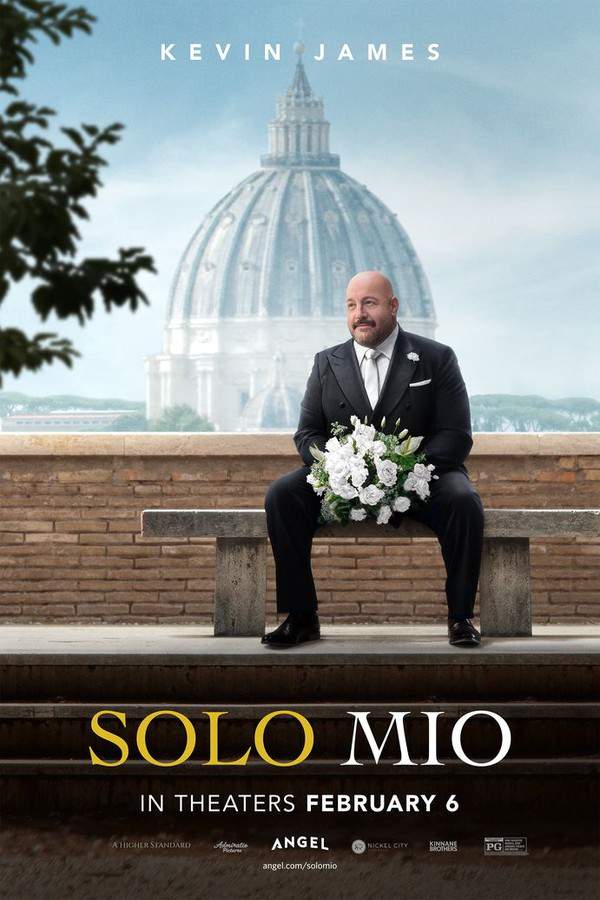
Solo Mio Review (2026): Critical Consensus vs. Audience Reactions on Kevin James’ Italian Romance
When Solo Mio arrived in theaters on February 6, 2026, it brought with it a wave of anticipation for those eager to see Kevin James step outside his established comedic comfort zone. As viewers searched for Solo Mio movie reviews and critical reactions to this Italian-set romantic comedy, a fascinating and increasingly common phenomenon emerged: a stark divide between professional film critics and general audiences. At What’s After the Movie, we’ve analyzed the full spectrum of Solo Mio film reception—from scathing critical assessments to tearful user testimonials—to determine whether this cross-cultural love story deserves your time. Is Solo Mio worth watching? Does it transcend the “jilted groom” rom-com formula, or does it fall into the trap of emotional superficiality that some reviewers claim? Our comprehensive analysis of Solo Mio critic reviews, audience reactions, and viewer opinions reveals a complex portrait of a film that prioritizes emotional sincerity over edgy humor, creating a viewing experience that resonates deeply with certain demographics while leaving others wanting more. For those seeking spoiler-free insights and genuine public opinion on this 2026 release, our detailed Solo Mio summary page provides additional context on the film’s narrative framework while we explore the critical divide below.
Professional Critics Weigh In: Solo Mio (2026) Film Reviews and Critical Analysis
The professional critical consensus surrounding Solo Mio (2026) leans toward disappointment, with many film reviewers finding the production lacking in the depth and narrative sophistication expected from modern romantic comedies. RogerEbert.com delivered one of the more pointed critiques, noting that the film “moves at a breakneck pace to get to its primary plot, but neglects the emotional backdrop required to really invest. Indulgence itself is the film’s greatest lack.” This sentiment of emotional superficiality echoes throughout several major outlets, suggesting that Solo Mio prioritizes plot mechanics over genuine character development—a cardinal sin in a genre built on authentic connection.
ReelViews offered a similarly measured but ultimately dismissive assessment, describing Solo Mio as “pretty much what one could reasonably expect from a Kevin James romantic movie: genial, good-natured, and ultimately pretty bland.” This critique establishes the central tension in the film’s reception: while James brings his signature affability to the role, critics argue that affability alone cannot sustain a feature-length narrative. The characterization of the film as “bland” appears repeatedly in professional write-ups, with critics searching for the sharp wit or innovative storytelling that distinguished landmark entries in the romantic comedy canon.
However, not all professional reviews skewed negative. The A.V. Club provided a notable counterpoint, arguing that “while Solo Mio feels familiar, it doesn’t feel generic—and that’s a balancing act as impressive as James’ late-career pivot.” This recognition of technical competence amidst formulaic storytelling offers a crucial nuance to the critical discourse. Similarly, The Travers Take adopted a more accommodationist stance, advising viewers to “see this romcom for the soft side of Kevin James as a jilted groom in Roma and Italian scenery that’s gorgeous in any language. That’s the only way to come out ahead.” This review highlights an essential element of the Solo Mio viewing experience that critics acknowledge even when panning the narrative: the visual splendor of the Italian backdrop and James’ unexpected dramatic vulnerability.
Movie Nation situated the film within specific genre lineage, describing it as a “mild-mannered comedy of the ‘Left at the Altar/Honeymoon Goes Wrong’ school. It’s a little Runaway Bride, a lot of Honeymoon Crasher or Forgetting Sarah Marshall, but without any of the edge or many of the laughs of its predecessors.” This comparative analysis reveals the core of critical disappointment—Solo Mio enters a crowded field of breakup-to-love narratives but fails to match the comedic sharpness of Jason Segel’s work or the screwball energy of classic romantic comedies. The Film Verdict perhaps summarized the critical frustration most succinctly, dismissing the film as offering merely “obvious jokes, facile insights, and emotional Band-Aids.”
For viewers researching Solo Mio critical reception and wondering whether professional reviews align with their personal taste, it’s worth noting that critics consistently praise the film’s technical polish and James’ commitment while lamenting its emotional safety and comedic predictability. Those seeking in-depth film analysis and box office context for Solo Mio can explore our dedicated database entries to complement these critical perspectives.
Viewer Reactions and Solo Mio Audience Reviews: The Emotional Resonance
In stark contrast to the measured skepticism of professional critics, Solo Mio audience reactions reveal a groundswell of emotional connection and authentic appreciation for the film’s heartwarming narrative. User RH3871 encapsulated this sentiment perfectly, sharing that the film “was super sweet but also made me cry and laugh. Left the theatre with a huge smile on my face. Had the best date night with my girlfriend. Totally recommend!” This enthusiastic endorsement represents a common thread among viewers who approached the film seeking emotional catharsis rather than subversive comedy or innovative narrative structures.
The disparity between critical and audience reactions becomes even more pronounced when examining reviews from viewers who identify with the film’s cross-cultural romance elements. User Solo L provided one of the most detailed testimonials, explaining: “This movie genuinely resonated with me in a way I didn’t expect. I’ve lived a similar experience—falling in love across cultures—and seeing that journey reflected on screen felt incredibly personal and meaningful. The warmth, the humor, the awkward moments, and the heart behind the story all rang true.” This review highlights a crucial aspect of Solo Mio’s reception that professional critics may have underestimated: the film’s specific cultural authenticity and representation of international relationships. Solo L’s admission of watching the film three times with plans for a fourth viewing underscores the rewatchable comfort-food quality that rom-com enthusiasts often prioritize over critical prestige.
Patrickjuliano challenged the critical consensus directly, asserting that the film is “Much better than the so called critics rated it. If you aren’t laughing at the jokes you are adapting well to mix culture humor. Maybe need to up your game a bit señores! It’s a good love story to share with a person in your life worth your deep love.” This defense suggests that some of the film’s humor operates on culturally specific wavelengths that certain critics failed to appreciate, adding a layer of accessibility versus critical elitism to the reception discourse.
Bob S, identifying as “long a fan of Kevin James in comedy,” expressed particular appreciation for the star’s evolution: “I love this more dramatic turn. I really felt for him. He and his leading lady had wonderful chemistry. Brought me to tears a few times.” This reaction validates The A.V. Club’s observation about James’ successful career pivot while contradicting ReelViews’ assessment of the performance as merely “genial.” For audiences seeking Solo Mio spoiler-free reviews and emotional authenticity, the consensus among general viewers appears overwhelmingly positive, with descriptors like “feel-good,” “endearing,” and “keeper” dominating user feedback.
Laura L offered a nuanced middle ground that helps explain the critic-audience gap, noting that the film represents “A step up from a Hallmark movie. The cast saved it as did the lovely Italian scenes. And Bocelli.” This comparison elevates Solo Mio above television movie standards while acknowledging its conventional DNA—a standard that satisfied general audiences but disappointed critics seeking theatrical innovation. At What’s After the Movie, our interactive movie quizzes and games allow fans to test their knowledge of Italian cinema references and Kevin James’ filmography, while our comprehensive movie wiki documents the cultural-specific details that audiences like patrickjuliano found so resonant.
Kevin James’ Career Pivot: Analyzing the Solo Mio (2026) Performance Reception
Central to the Solo Mio discourse is the examination of Kevin James’ dramatic evolution from broad physical comedian to vulnerable romantic lead—a transition that generated conflicting opinions across the review spectrum. The Travers Take explicitly directed audiences toward “the soft side of Kevin James,” framing this vulnerability as the primary draw of the production. This represents a significant shift in audience expectations for an actor historically associated with slapstick humor and everyman comedy, making the Solo Mio performance analysis a fascinating case study in career reinvention.
User Bob S articulated the audience appreciation for this transition most clearly, distinguishing between James’ comedic legacy and his dramatic potential: “Long a fan of Kevin James in comedy but I love this more dramatic turn. I really felt for him.” This emotional investment contradicts the critical assessment from ReelViews that labeled the performance merely “bland,” suggesting instead that James’ restraint and sincerity provided the emotional anchor that audiences craved. The chemistry between James and his co-star received consistent praise across user reviews, with Bob S noting specifically that “He and his leading lady had wonderful chemistry”—a crucial element of romantic comedy success that transcends screenplay quality.
Solo L expanded on this appreciation, stating: “I’ve always enjoyed Kevin James, but this performance really surprised me. He brings sincerity and kindness to the role in a way that feels grounded and real.” This observation aligns with The A.V. Club’s recognition of James’ “late-career pivot” and suggests that audiences familiar with his previous work found the dramatic depth refreshing rather than insufficient. The disconnect between critics seeking “edge” and audiences embracing “kindness” becomes particularly evident when comparing these reactions to The Film Verdict’s dismissal of the film’s emotional content as “facile insights.”
KatzMeow summarized the audience perspective on James’ star power with efficient clarity: “Came for Kevin James, stayed for Kevin James.” This brand loyalty factor explains why user ratings significantly outpace critical aggregates—the performer’s established goodwill carries viewers through narrative moments that professional reviewers find underwhelming. For those interested in comparing this performance to James’ complete filmography, our database tracks his evolution from television comedy to leading man status, providing essential context for understanding Solo Mio’s place in his career trajectory.
Genre Expectations and Storytelling: Is Solo Mio a Runaway Bride Clone or Something More?
The narrative architecture of Solo Mio deliberately invokes established romantic comedy tropes—specifically the “jilted groom” and “honeymoon goes wrong” subgenres that have produced both classics and forgettable imitations. Movie Nation’s comparative analysis placed the film within a specific lineage: “It’s a little Runaway Bride, a lot of Honeymoon Crasher or Forgetting Sarah Marshall, but without any of the edge or many of the laughs of its predecessors.” This categorization reveals the tightrope walk between homage and imitation that defines Solo Mio’s critical reception, as reviewers debate whether the film honors or merely copies its predecessors.
The “left at the altar” premise—evidenced by The Travers Take’s reference to James playing “a jilted groom in Roma”—carries inherent emotional stakes that the film leverages differently than its comparators. Where Forgetting Sarah Marshall utilized breakup trauma as springboard for raunchy comedy and Runaway Bride examined commitment phobia through screwball chaos, Solo Mio appears to prioritize the protagonist’s solitary emotional recovery within a foreign cultural landscape. This shift from ensemble comedy to intimate character study explains why critics seeking laugh density felt disappointed while audiences seeking emotional resonance felt satisfied.
Laura L’s comparison to Hallmark productions—calling it “A step up from a Hallmark movie”—positions Solo Mio within the “comfort viewing” ecosystem that prioritizes predictability and emotional safety over subversion. The elements she cites as elevating the film above television standards (“The cast saved it as did the lovely Italian scenes. And Bocelli”) correspond directly to the production values that critics acknowledged even in negative reviews. The Italian setting functions not merely as backdrop but as narrative catalyst, with gorgeous scenery providing the romantic atmosphere that compensates for screenplay deficiencies—a factor that KatzMeow referenced when praising “the beautiful Italian backdrop” and “Loaded with talent.”
The cross-cultural romance elements, highlighted by patrickjuliano’s reference to “mix culture humor” and Solo L’s personal identification with “falling in love across cultures,” suggest that Solo Mio distinguishes itself through specific cultural detailing rather than plot innovation. This localization of universal rom-com beats—substituting Roman piazzas for Manhattan lofts, incorporating Andrea Bocelli’s music as emotional shorthand—creates a distinct flavor that audiences found transportive despite familiar structural bones. For viewers exploring similar romantic comedies in our curated collections or building personal watchlists of destination romance films, Solo Mio occupies a specific niche of European-set love stories that prioritize atmosphere over innovation.
The Critical Divide: Why Solo Mio (2026) Critics and Audiences Disagree
The chasm between Solo Mio’s critical reception and audience enthusiasm reflects broader tensions within contemporary film evaluation, particularly regarding the romantic comedy genre’s evolving standards. Professional reviewers approached the film seeking the “edge” and comedic density that distinguished 2000s-era Apatow productions or the satirical bite of earlier decades, while general audiences sought the emotional authenticity and cultural specificity that the film actually delivers. RogerEbert.com’s complaint about “indulgence” versus Solo L’s praise for “sincerity and kindness” encapsulates this fundamental disconnect—critics interpreted the film’s gentleness as lack, while viewers interpreted it as virtue.
The criticism of “obvious jokes” and “emotional Band-Aids” from The Film Verdict clashes directly with user testimonials emphasizing that the film “made me cry and laugh” (RH3871) and “Brought me to tears a few times” (Bob S). This suggests that Solo Mio operates on an emotional frequency calibrated for viewers seeking cathartic release rather than ironic distance—a mode of storytelling increasingly rare in theatrical releases but highly valued by underserved demographic segments. The film’s willingness to embrace sentimentality without qualification (what critics might call “facile insights”) translates for audiences as accessibility and emotional honesty.
Marketing perception likely exacerbated this divide; viewers expecting a Kevin James comedy based on his established brand received instead a romantic drama with comedic elements, while critics anticipating genre innovation received a traditional rom-com executed with professional competence. The A.V. Club’s recognition that the film “doesn’t feel generic” despite familiar elements validates audiences who found novelty in the specific cultural textures and James’ dramatic range, even as other outlets dismissed these distinctions as insufficient.
For industry observers tracking Solo Mio box office performance and long-term reception trends, this split predicts strong streaming longevity despite potential theatrical softness—precisely the pattern established by other “critic-proof” comfort films that find their audience through word-of-mouth rather than review aggregation. While the film may not secure major award recognition given the critical consensus, its audience retention metrics suggest a sleeper hit status among romance enthusiasts and Kevin James completists. Visitors to our dedicated Solo Mio movie page can track these metrics in real-time as public opinion continues to crystallize.
Final Thoughts: Is Solo Mio Worth Watching in 2026?
Ultimately, the Solo Mio viewing experience depends entirely on alignment between viewer expectations and the film’s actual offerings. For audiences seeking a subversive romantic comedy with edgy humor and narrative innovation, the critical consensus holds true—Solo Mio prioritizes emotional safety over risk, offering a familiar “jilted groom finds love abroad” narrative without the comedic bite of Forgetting Sarah Marshall or the meta-commentary of contemporary genre deconstructions. However, for viewers specifically seeking Kevin James’ dramatic evolution, cross-cultural romance authenticity, or simply a “feel-good movie” (as user Tom described it) featuring gorgeous Italian vistas and sincere performances, audience reactions suggest profound satisfaction.
The film functions best as comfort viewing—a “step up from a Hallmark movie” that leverages professional production values and star chemistry to deliver exactly the emotional beats it promises. Those who have experienced cross-cultural relationships, appreciate Andrea Bocelli’s musical contributions, or simply enjoy watching established comedians demonstrate dramatic range will likely find, as Solo L did, that Solo Mio “genuinely resonated” in unexpected ways. The critical complaint of “blandness” translates, for this demographic, as “universally accessible”—a feature rather than a bug.
At What’s After the Movie, we recommend Solo Mio for date nights, fans of European-set romances, and Kevin James enthusiasts curious about his career pivot—while suggesting that viewers seeking cutting comedy or innovative storytelling might temper expectations. Visit our Solo Mio summary and details page for comprehensive cast information, streaming availability updates, and to contribute your own review to the growing audience consensus. Whether you side with the critics or the cheering viewers who left theaters smiling, this 2026 release proves that in the romantic comedy genre, heart often triumphs over edge at the box office.
| Resource | Link |
|---|---|
| Solo Mio TMDB | TMDB |
| Solo Mio Wikipedia | Wikipedia |
| Solo Mio Rotten Tomatoes | Rotten Tomatoes |
| Solo Mio Metacritic | Metacritic |
| Solo Mio JustWatch | JustWatch |
| Solo Mio Box Office Mojo | Box Office Mojo |
Continue reading




What's After the Movie?
Not sure whether to stay after the credits? Find out!
Check out our other apps:

SAT Sphere
Build confidence for the Digital SAT.

Mori Atlas
Discover wild places worth protecting.

Luntero
Search smarter for a home in Amsterdam.

Plot Explained
Unravel movie endings and hidden clues.

Pokechamp
Dive into Pokémon data and battle logic.

Driving Theory
Get ready for your European theory test.

Movie Dust
Plan your next cinema trip with ease.

Musemap
Find art and culture as you travel.

Selkobase
Compare credentials before committing.

Local Manual
Turn an unfamiliar country into practical next steps.

Lernavi
Compare school systems before your next move.

GymRoam
Find a workout stop wherever your plans take you.
Explore Our Movie Platform
New Movie Releases (2026)
Famous Movie Actors
Top Film Production Studios
Movie Plot Summaries & Endings
Major Movie Awards & Winners
Best Concert Films & Music Documentaries
Movie Collections and Curated Lists
© 2026 What's After the Movie. All rights reserved.
Privacy Policy