What's After the Blog?
Opinions • Reception
Relationship Goals (2026) Review & Opinions: Critics, Fan Reactions, and Reception Analysis
We dissect how critics and fans responded to Relationship Goals (2026), focusing on performance, storytelling, and its broader franchise context. The post delves into critic reviews, audience opinions, and overall reception to provide a comprehensive view of the movie’s impact.
February 13, 2026

Movies mentioned in this article
Relationship Goals 2026 Review: Analyzing the Polarized Critic and Audience Reception
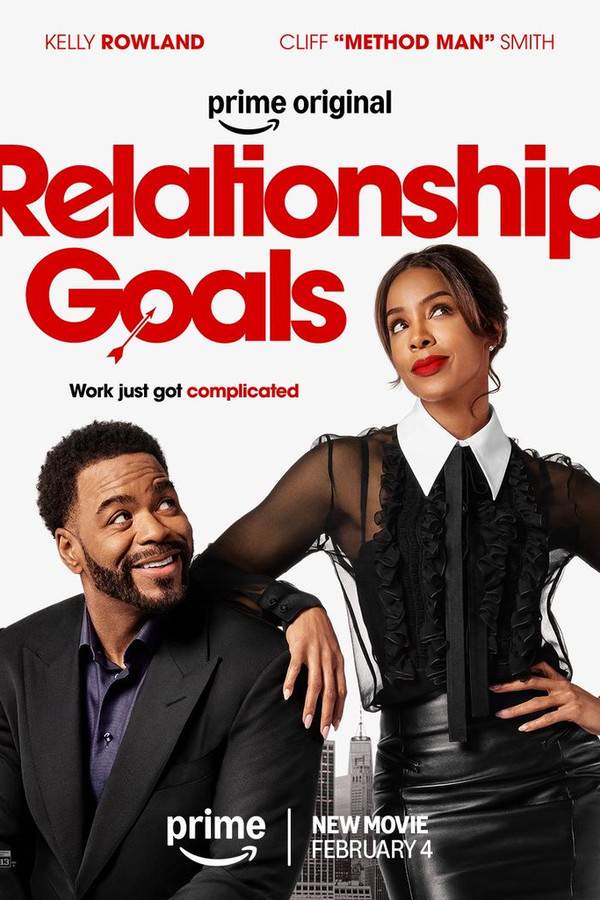
When Amazon Prime Video released Relationship Goals on February 4, 2026, it arrived at the intersection of Valentine’s Day programming, faith-based entertainment, and the ongoing evolution of Black romantic comedies in the streaming era. Based on the popular relationship advice book by Mike Todd, this 2026 romantic comedy starring Kelly Rowland and Method Man immediately sparked contentious debate among viewers and critics alike, creating one of the most divisive reception landscapes for a rom-com in recent memory. While some audiences celebrated the film as a refreshing return to earnest, values-driven romance, others dismissed it as calculated product placement masquerading as cinema. At What’s After the Movie, we’ve analyzed every critical review and audience reaction to provide you with a comprehensive breakdown of whether this 2026 release deserves your viewing time. Whether you’re searching for a Relationship Goals 2026 spoiler-free review, exploring critic consensus versus fan opinions, or simply wondering is Relationship Goals worth watching, our detailed movie page and summary resources offer the complete picture beyond the headlines.
Critical Consensus vs. Audience Devotion: The Divisive Film Reception of Relationship Goals 2026
The most striking aspect of Relationship Goals’ film reception is the dramatic chasm between professional critics and general audiences, a gap that reveals fundamental disagreements about the purpose and value of modern romantic comedies. While mainstream film journalism largely dismissed the 2026 release as forgettable marketing material, viewer reactions frequently celebrated the movie as meaningful, culturally significant entertainment—a disconnect that speaks volumes about who this film was actually made for.
Professional critics delivered predominantly scathing assessments. TheWrap awarded the film a devastating 15/100 score, declaring it “just shameless promotion for a book about relationship advice, released on a streaming service that also happens to sell the book,” specifically citing lines where characters mention immediately purchasing the source material as particularly egregious. Movie Nation was equally brutal with a 25/100 rating, describing Relationship Goals as “as generic as a self-help book cover, and doomed to be forgotten as quickly as the book it’s based on will be.” Even moderate criticism from The A.V. Club (50/100) positioned the film as merely “forgettable, low-stakes Valentine’s Day viewing for the religious set,” suggesting that while “one could do worse,” viewers with discerning romantic comedy standards “could definitely do better.” The Guardian (60/100) offered a similarly backhanded assessment, criticizing the “parochial take on marriage, presented yet again as a woman’s only path to true and lasting peace in life,” while grudgingly admitting that “the tractor-beam ride to the credits is heavenly enough” if viewers can ignore the messaging.
Contrast this with the audience reactions and viewer reactions that flooded platforms immediately upon release. User reviewer QueenT awarded the film a perfect 10/10, calling it “a timely and surprisingly earnest take on modern romance” that “confidently reclaims optimism” in an era where love is often portrayed as transactional. This sentiment—that Relationship Goals offers something emotionally necessary rather than merely entertaining—recurred throughout positive fan opinions. Kimberly U similarly awarded 5/5 stars, emphasizing appreciation for “a black rom-com where they win in the end,” specifically praising the absence of “jail storyline, no bad boys, no poor broken women needing to be rescued,” instead highlighting “successful folks doing life and finding love.” The disparity suggests that while critics evaluated the film through conventional cinematic lenses—originality, subtlety, artistic ambition—audiences, particularly those seeking representation and values-aligned content, judged it by entirely different metrics: emotional resonance, cultural affirmation, and romantic idealism.
This split raises important questions about critical consensus versus audience satisfaction in the streaming age. When The Guardian dismisses the marriage messaging as regressive while user Sheda D celebrates the film for reminding viewers that “real love is not sustainable without God in the midst of our relationships,” we’re witnessing not just a disagreement about quality, but a fundamental divergence in worldview. For audiences seeking faith-based romantic content, the very elements critics dismissed as preachy or parochial represent the film’s core value proposition. At What’s After the Movie, our person profiles for stars like Kelly Rowland and Method Man reveal how their established careers in both secular and faith-influenced entertainment positioned this project to bridge these disparate audience segments—though clearly not everyone agrees on how successfully that bridge was constructed.
From Self-Help to Streaming: Analyzing the Controversial Marketing Strategy in Relationship Goals Reviews
Perhaps no aspect of Relationship Goals 2026 generated more universal criticism than its relationship to its source material—a tension that transformed from standard adaptation concern into full-blown accusations of cinematic malpractice. The film’s status as a vehicle for Mike Todd’s relationship advice book didn’t merely influence the narrative; according to numerous reviews, it fundamentally compromised the storytelling integrity, creating a unique case study in how modern streaming platforms leverage content for cross-promotional synergy.
TheWrap’s scathing critique centered on this exact phenomenon, noting the film features dialogue where characters literally state, “This story hit so hard I Amazoned a copy of ‘Relationship Goals’ right away.” This isn’t merely product placement; it’s narrative capitulation to commercial imperatives. User Ivy S echoed this frustration in their 0.5/10 review, arguing that “if you want to use a movie to market a book, don’t be so obvious about it,” suggesting that “a good story, well developed and interesting would have sold a ton of books” without such transparent shilling. These critic reviews highlight a growing anxiety about how streaming services—particularly Amazon Prime, which sells both the streaming rights and the physical book—utilize original content as loss leaders for retail ecosystems rather than standalone artistic endeavors.
The film analysis of this marketing strategy reveals deeper tensions about authorship and authenticity in modern adaptations. While QueenT noted that even without reading the book, “the influence is clear in the film’s emphasis on intention, growth, and emotional production,” others found this transliteration of self-help prose into cinematic dialogue stilted and artificial. User Jermaine H compared the result unfavorably to Act Like a Lady, Think Like a Man, calling this the “1980’s version, Jesus version or religious version,” and noting that while the acting from leads he admires (specifically citing “I love Methodman and Kelly”) demonstrated competence, the “story line not so good” suffered from its instructional origins.
This raises fascinating questions about genre expectations within the romantic comedy landscape. Traditionally, rom-coms derive their emotional power from organic character development and earned romantic tension; when the narrative must simultaneously serve as a 90-minute advertisement for relationship counseling literature, the dramatic stakes inevitably suffer. User TheMovieSearch R noted this specifically, criticizing the screenplay as “rough and surface-level, missing opportunities for deeper character growth,” while observing that “some conflicts are resolved too easily”—a common symptom of didactic storytelling where the message supersedes the drama.
However, defenders like Jacqueline W (4.5/5) found precisely this quality refreshing, stating that “the principles from the book were realistic and the characters are just like people I know including myself.” For this audience segment, the transparency about the film’s pedagogical purpose wasn’t a bug but a feature. The debate ultimately centers on whether Relationship Goals should be judged as cinema or as inspirational content—a categorization question that streaming platforms increasingly blur. At What’s After the Movie, our box office and awards tracking systems attempt to measure success beyond mere viewership numbers, but in the streaming economy, where a film’s primary purpose may be driving book sales or subscription retention, traditional metrics of cinematic achievement may prove insufficient to capture the project’s actual commercial and cultural impact.
Chemistry Analysis: Kelly Rowland and Method Man’s On-Screen Dynamic Under the Microscope
At the heart of any romantic comedy lies the alchemical mystery of lead actor chemistry—a factor that can redeem mediocre scripts or doom excellent writing to irrelevance. For Relationship Goals 2026, assessments of the central pairing between Kelly Rowland and Method Man (Clifford Smith) reveal perhaps the most polarized aspect of the entire film reception, with viewer experiences ranging from “natural and engaging” to “stiff and inauthentic,” suggesting that this crucial element may depend heavily on the viewer’s own relationship expectations and cultural reference points.
Champions of the film universally praise the lead performances as its saving grace. QueenT’s glowing review specifically highlighted that “Kelly Rowland and Method Man share a natural, engaging chemistry that anchors the story and elevates the material,” arguing that their dynamic “brings warmth and credibility to a genre that often relies on formula.” This sentiment found support in Tamara M’s concise 4/5 assessment, which simply noted the pleasure of watching “Kelly Rowland and Method Man banter,” while Sonji S (3.5/5) emphasized that “Kelly and Method Man did a great job” within a story that provided the emotional beats audiences want from the genre. These audience reactions suggest that for viewers receptive to the film’s overall tone, the leads delivered exactly the romantic authenticity necessary to sustain the narrative.
Conversely, detractors found the central relationship unconvincing precisely because of perceived chemistry failures. Ivy S’s harsh 0.5/10 review explicitly stated, “I didn’t feel any on-screen chemistry with Method Man. Their interactions appeared stiff and inauthentic,” while TheMovieSearch R noted that while “Kelly Rowland delivers a sincere and likable performance, doing her best with limits,” the constraints of the “Hallmark-style formula” and underdeveloped emotional stakes prevented the romance from achieving genuine impact. Even Jermaine H, who admitted admiration for both performers, suggested the dynamic suffered from comparison to superior genre entries, calling it “how to get rid of a man in 10 days without the great acting and directing.”
This divergence in opinions on the movie may stem from differing expectations about romantic representation. Method Man, primarily known for his iconic hip-hop career and dramatic roles in series like The Wire and Power, represents a specific type of masculine presence less frequently deployed in romantic comedies—particularly faith-oriented ones. Rowland, meanwhile, brings decades of pop stardom and previous acting experience that creates certain performance expectations. Whether their interaction feels “natural” (as QueenT described) or “stiff” (per Ivy S) potentially depends on whether viewers find their specific dynamic—successful, mature, professionally accomplished Black characters navigating romance—relatable or aspirational versus performative.
The supporting cast also generated notable commentary, particularly regarding Denis Haysbert (cited by Jean R as deserving “better” than the “rehashed” material) and the ensemble’s ability to ground the fantastical romance in workplace reality. At What’s After the Movie, our comprehensive person pages for both Kelly Rowland and Method Man allow fans to trace how this 2026 romantic comedy fits within their broader career trajectories, from Rowland’s previous film work to Method Man’s evolution from musician to respected character actor. Whether their collaboration in Relationship Goals represents a successful pivot into romantic leads or a misfire best forgotten remains, like so much about this film, entirely dependent on which reviews you trust most.
Faith, Formula, and Representation: How Relationship Goals 2026 Serves a Specific Audience Segment
Beyond the chemistry debates and marketing controversies lies perhaps the most significant contextual factor in understanding Relationship Goals’ reception: its unapologetic positioning as faith-based entertainment that simultaneously attempts to serve mainstream romantic comedy audiences. This dual targeting creates a fascinating tension visible throughout both critic reviews and viewer reactions, particularly regarding the film’s treatment of marriage, gender roles, and spiritual practice within modern dating.
The Guardian’s critique of the “parochial take on marriage, presented yet again as a woman’s only path to true and lasting peace in life” identifies the central ideological friction point. For secular or progressive viewers, the film’s apparent messaging—that fulfillment requires conventional religious marriage—reads as regressive, even “heavenly” only if one “turn[s] a blind eye to that message.” Similarly, The A.V. Club’s dismissal of the film as suitable merely for “the religious set” implies that the spiritual content serves as disqualifying for general audiences seeking standard Valentine’s Day fare.
However, for viewers within the target demographic, these elements represent the film’s primary virtue. Sheda D’s enthusiastic 5/5 review explicitly celebrated the movie as “a reminder of how real love is not sustainable without God in the midst of our relationships,” finding in the narrative a rare validation of spiritual partnership in mainstream entertainment. This audience frequently lamented the scarcity of content depicting “Black love” that isn’t “trauma porn” (as Kimberly U put it), appreciating Relationship Goals for showing “successful folks doing life” rather than conforming to stereotypical narratives of struggle or criminality.
The comparison to Tyler Perry’s empire—referenced by both Jermaine H (unfavorably) and Sonji S (favorably, noting “This is the movie that everyone wants from Tyler Perry where you got it here”)—illuminates the film’s cultural positioning. Like Perry’s work, Relationship Goals occupies a specific space in Black cinema that prioritizes moral instruction, spiritual affirmation, and aspirational class representation over the grittier realism favored by critics. The film analysis suggests that evaluating this 2026 release by standard indie cinema metrics misses its intended function as community-specific comfort viewing.
Furthermore, the production’s showcase of “Black excellence, both in front of and behind the camera” (as QueenT noted) carries significance beyond the individual film. In an era where discussions about representation in the movie collections and lists of mainstream Hollywood remain contentious, Relationship Goals represents a specific type of autonomous storytelling—funded by streaming platforms, targeted at underserved demographics, and unconcerned with critical approval from traditional gatekeepers. Our movie wiki traces how this fits into broader trends in faith-based filmmaking and Black romantic comedy evolution.
The soundtrack—described by multiple users including QueenT and Sonji S as “chefs kiss” and a “standout”—further reinforces the film’s cultural specificity, utilizing music to enhance “emotional beats without overpowering them.” This attention to auditory atmosphere suggests filmmaking priorities (mood, spiritual elevation, cultural resonance) that differ from the narrative innovation critics typically valorize. Whether these choices constitute a limitation or a legitimate alternative cinematic language remains central to the critical consensus debate surrounding this divisive 2026 release.
The Comfort of Predictability: Why Viewer Reactions Favor Formula Over Innovation in Modern Rom-Coms
Perhaps the most philosophically interesting divide in Relationship Goals 2026 reviews concerns the value of narrative predictability itself—a debate that cuts to the heart of why we watch romantic comedies and what we hope to receive from the experience. While critics consistently lambasted the film for being “formulaic,” “predictable,” and “rehashed,” audience members frequently cited these exact qualities as primary virtues, suggesting a fundamental disagreement about the genre’s purpose that extends far beyond this single release.
TheMovieSearch R’s 2/10 review encapsulates the critical position, describing Relationship Goals as embracing “its cheesy and predictable tone, which will work for fans of comfort romances, but limits its overall impact.” This reviewer specifically noted that “the screenplay feels rough and surface-level, missing opportunities for deeper character growth,” with conflicts “resolved too easily” and a narrative that “rarely challenges itself.” Jean R was even more brutal with a 0.5/10 score, declaring “This storyline has been rehashed over and over” and specifically criticizing the “TV production setting” and the introduction of “a new worker” creating friction with the lead as tired tropes that induced actual physical revulsion (“I couldn’t stomach the vomit and stopped it”).
Yet audience members like Jacqueline W (4.5/5) explicitly praised the storyline as “great” and “very relatable,” while Sonji S (3.5/5) defended the film against easy criticism by noting “People don’t give enough credit and it’s so easy to say something isn’t good but what I might find good you might not.” For these viewers, the predictability identified by critics as a flaw—“girl resists guy, and then falls in love…again” as Ivy S dismissively summarized—actually constitutes the genre’s essential pleasure. The “comfort romance” label meant as criticism by TheMovieSearch R functions as accurate advertising for fans of the form.
This tension reflects broader shifts in romantic comedy reviews and consumption patterns. As theatrical romantic comedies have declined and streaming platforms have absorbed the genre, films like Relationship Goals increasingly function as “comfort food” rather than cinematic events—content designed for “girls night at home” (as Sonji S recommended) or couples seeking “light hearted” entertainment (per Tamara M) rather than groundbreaking art. The audience reactions suggest that for viewers exhausted by prestige television’s demand for constant innovation and moral complexity, there’s profound value in knowing exactly which emotional beats will arrive and when.
Kimberly U’s review explicitly celebrates this predictability’s cultural dimension, thanking “Devaughn Franklin for highlighting our love story perfectly” and appreciating the rare opportunity to see “Black love wins” without narrative punishment or tragic complications. In this context, the formula isn’t lazy writing but rather the fulfillment of specific representational promises—viewers know the beats because they represent desired life outcomes rather than dramatic clichés.
At What’s After the Movie, we recognize that is Relationship Goals worth watching depends entirely on what you seek from your viewing experience. Our quizzes and games help users identify whether their tastes align with comfort viewing or innovation-seeking cinema, while our concert film and music-related content acknowledges the soundtrack’s role in elevating familiar material. Whether you view Relationship Goals 2026 as “a waste of digital space” (Jean R) or “a confident, feel-good romantic comedy with heart and purpose” (QueenT) ultimately reveals less about the film’s objective quality than about your own relationship to the romantic comedy genre’s evolving ecosystem in the streaming age.
Final Verdict: Navigating the Polarized Reception of Relationship Goals 2026
The film reception surrounding Relationship Goals ultimately presents a Rorschach test for modern audiences, revealing how thoroughly our viewing experiences are shaped by our values, spiritual frameworks, and tolerance for commercial synergy in art. For secular critics seeking cinematic innovation, the 2026 release represents a disappointing regression—generic, preachy, and transparently mercenary in its marketing objectives. For faith-based audiences and viewers hungry for aspirational Black romance that emphasizes success over struggle, the same film offers a rare and valuable affirmation of intentional love and spiritual partnership.
The data tells a clear story: while professional critics averaged scores around 37.5/100 (ranging from TheWrap’s 15 to The Guardian’s generous 60), user scores clustered heavily at the extremes—multiple perfect 5/5 ratings alongside devastating 0.5/10 and 1/10 pans. This bimodal distribution suggests that Relationship Goals successfully found its niche audience while alienating everyone outside that demographic, a strategy that may prove more valuable in the fragmented streaming economy than the broad consensus required for theatrical success.
For viewers wondering is Relationship Goals worth watching, the answer depends on your alignment with several key factors: Do you appreciate faith-based messaging in your romance? Can you tolerate obvious product placement if the emotional beats land? Do you value seeing Method Man and Kelly Rowland share screen time regardless of narrative innovation? If these criteria match your preferences, the spoiler-free review consensus among fans suggests you’ll find much to appreciate. If you seek boundary-pushing cinema or secular romantic realism, the critical consensus warns you to steer clear.
At What’s After the Movie, we maintain comprehensive resources for your post-viewing journey, including our detailed movie page for Relationship Goals, summary archives, and collections of similar romantic comedies. Whether this 2026 release becomes a rewatchable favorite in your personal canon or a forgotten streaming selection, understanding its place within the broader landscape of viewer reactions and film analysis enriches your appreciation of how modern cinema serves diverse audience needs. The debate over Relationship Goals reminds us that in an era of infinite content, the most important review is ultimately your own—and we provide the tools to help you discover what comes next in your cinematic journey.
| Site | Link |
|---|---|
| Relationship Goals on TMDB | TMDB |
| Relationship Goals on Rotten Tomatoes | Rotten Tomatoes |
| Relationship Goals on Metacritic | Metacritic |
| Relationship Goals on JustWatch | JustWatch |
Continue reading




What's After the Movie?
Not sure whether to stay after the credits? Find out!
Check out our other apps:

SAT Sphere
Build confidence for the Digital SAT.

Mori Atlas
Discover wild places worth protecting.

Luntero
Search smarter for a home in Amsterdam.

Plot Explained
Unravel movie endings and hidden clues.

Pokechamp
Dive into Pokémon data and battle logic.

Driving Theory
Get ready for your European theory test.

Movie Dust
Plan your next cinema trip with ease.

Musemap
Find art and culture as you travel.

Selkobase
Compare credentials before committing.

Local Manual
Turn an unfamiliar country into practical next steps.

Lernavi
Compare school systems before your next move.

GymRoam
Find a workout stop wherever your plans take you.
Explore Our Movie Platform
New Movie Releases (2026)
Famous Movie Actors
Top Film Production Studios
Movie Plot Summaries & Endings
Major Movie Awards & Winners
Best Concert Films & Music Documentaries
Movie Collections and Curated Lists
© 2026 What's After the Movie. All rights reserved.
Privacy Policy