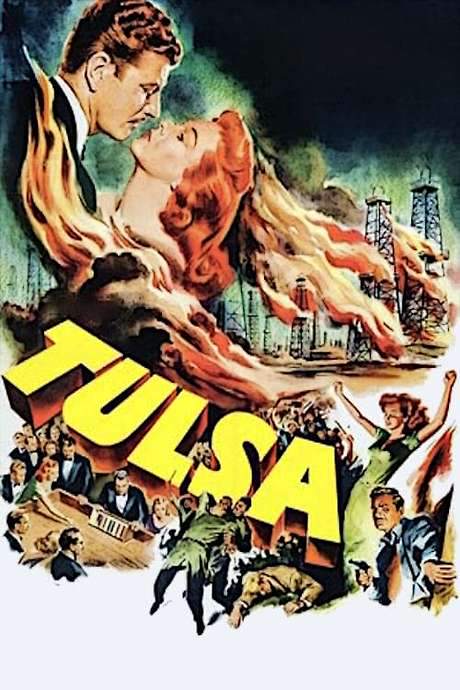
What Is Tulsa About?
The premise of Tulsa in 290 words, with nothing given away. The full story follows below.
In the dust-choked expanse of 1920s Oklahoma, a quiet ranching community finds itself transformed by the sudden arrival of oil derricks and the promise of overnight fortune. Tulsa becomes a landscape where ambition collides with tradition, and where the land itself — once grazing ground for cattle — now yields a different kind of wealth. Against this backdrop of sweeping change, the film explores what happens when the pursuit of riches tests the bonds of friendship, principle, and restraint.
Cherokee Lansing enters this world carrying more than grief. When her father’s death is tied to the operations of the Tanner Oil Company, she inherits drilling rights that offer a path forward — one that might deliver justice, or perhaps something altogether more complicated. Her journey begins with loss, but the territory she must navigate is filled with temptations that could reshape her purpose in ways she never anticipated.
To pursue her aims, Cherokee turns to Brad Brady, a geologist who believes that oil and conservation need not be enemies. His measured approach stands in contrast to the rush that defines so much of the boom, and he advocates for practices that respect both the land and its future. Alongside them stands Jim Redbird, Cherokee’s childhood friend, whose presence brings another perspective — one rooted in a deeper history with the soil beneath their feet.
What unfolds is a story about the seductive pull of wealth and the costs that come with it. As fortunes rise and the landscape begins to show the strain of unchecked drilling, Cherokee finds herself at a crossroads. The fire that fuels ambition can illuminate or destroy, and the question becomes not simply what she stands to gain, but what she might be willing to lose.
What Happens in Tulsa?
The complete story of Tulsa, from the first scene to the last, in 330 words (about 1 minute). Spoilers throughout. Names in the text link to 6 cast member pages.
Spoilers ahead
Set in Tulsa, Oklahoma, during the 1920s oil boom, the film paints a portrait of a town transformed by sudden wealth and the temptations it brings. The pursuit of oil wealth tests friendships, families, and the land itself, revealing how ambition can blur the line between progress and exploitation. The story begins with the death of rancher Nelse Lansing, a tragedy tied to a blowout at Tanner Petroleum while he tries to alert others that pollution from the company has ruined cattle.
Seeking justice and perhaps vengeance against the company, Cherokee Lansing inherits drilling rights on her father’s land. Her early aim is to hold Tanner to account, but her path crosses with Brad Brady, a geologist who argues for measured drilling to prevent field depletion and to keep the grasslands intact.
Into this mix comes Jim Redbird, a Native American who has long admired Cherokee. Persuaded by Brady that cooperation between cattlemen and oil men is possible, he joins the venture and accumulates wealth, signaling a cautious alliance between two worlds.
As Cherokee’s power grows, she becomes a partner with the ruthless Bruce Tanner, pulling her further from her originally conservation-minded stance. Jim, disillusioned by a humiliating confrontation with Tanner, renounces his shares and withdraws from the venture.
An explosive act follows: in a moment of anger after a tense meeting with Tanner and their allies, Cherokee’s operation triggers a fire in a derrick. The flames blaze across the derrick trailing pool, underscoring the fragile line between progress and catastrophe.
After the disaster, the film casts a sober light on how money and power can corrode even those who love the land, and it follows the vow shared by the oil drillers and Brady to start over with conservation as their top priority.
The tale is framed by the narration of Chill Wills.
Notably, the movie is remembered for its dramatic, rampaging flames, and it earned an Oscar nomination for those sequences that dramatize the consequences of unchecked drilling.
Tulsa Timeline: Every Key Event in Order
11 key events in the order they happen, from “Nelse Lansing's death and pollution report” to “Oscar-nominated flames”. 11 events name a place, across 10 locations.
- 1
Nelse Lansing's death and pollution report
Rancher Nelse Lansing dies in an oil well blowout during a visit to Tanner Petroleum to report that their production has polluted land and killed cattle. The fatal accident highlights the human and environmental costs of the Tulsa oil boom. The incident sparks a conflict between Lansing's family and the oil interests.
When:1920s Where:Near Tanner Petroleum, Tulsa
- 2
Cherokee acquires drilling rights to punish Tanner
Seeking retribution for her father's death, Cherokee uses her land to acquire drilling rights and enter the oil business. Her move marks the beginning of a power struggle in the region's oil economy. The decision brings her into direct contact with Tanner and other powerful players.
When:early 1920s Where:Cherokee's land, Oklahoma
- 3
Cherokee meets Brad Brady, the conservation-minded geologist
Cherokee meets Brad Brady, a geologist who argues for restraint to avoid field depletion and to protect the grasslands. He represents a counterpoint to unbridled drilling and foreshadows future tensions within the venture.
When:early 1920s Where:Oil fields around Cherokee's land
- 4
Jim Redbird joins Cherokee's venture
Jim Redbird, a Native American, is drawn to Cherokee and buys into her oil operation. He quickly becomes wealthy as the venture expands.
When:early 1920s Where:Cherokee's oil business / local oil fields
- 5
Cherokee's rise to power with Tanner
As Cherokee succumbs to power and greed, she becomes a partner of the ruthless Tanner. Her transformation signals a shift away from conservation toward dominance in the oil world.
When:mid-1920s Where:Tanner's operations
- 6
Jim renounces his holdings after a humiliating meeting
Jim renounces his holdings following a humiliating meeting with Tanner, signaling a rift within the partnership. The confrontation exposes the arrogance and ambition fueling the oil boom.
When:mid-1920s Where:Tanner's offices
- 7
The anger sparks a devastating act
Overcome with anger after the humiliating meeting, Cherokee and her associates witness Jim's eruption as he accidentally starts a fire in a derrick trailing pool. The blaze becomes a symbol of the costs of unchecked ambition.
When:mid-1920s Where:derrick trailing pool site
- 8
Fire rages and destroys drilling sites
The derrick fire rages across the oil field, destroying equipment and threatening the landscape. The disaster dramatizes the destructive potential of improper drilling practices and the fragility of the land.
When:mid-1920s Where:derrick trailing pool area
- 9
Aftermath prompts a reconsideration of drilling practices
In the aftermath, the community acknowledges the damage caused by reckless drilling and money-driven decisions. The event becomes a catalyst for a rethinking of how oil should be extracted and who should benefit.
When:mid-1920s Where:Tulsa oil fields
- 10
Oil workers and Brady vow to prioritize conservation
The drillers and Brad Brady resolve to start over with conservation as a top priority, pledging to balance wealth with land stewardship. This vow signals a shift toward sustainable practices in the story.
When:mid-1920s Where:Tulsa oil fields
- 11
Oscar-nominated flames
The film's climactic rampage of flames is highlighted by critics and earns an Oscar nomination for its impressive fire sequences. The nomination underscores the visual impact of the disaster within the story.
Where:Hollywood
Who Are the Main Characters in Tulsa?
5 characters, among them Cherokee Lansing (Susan Hayward), Brad Brady (Robert Preston) and Jim Redbird (Pedro Armendariz): who each one is and the part they play in the story. 4 of them link to the actor’s page.
- CL
Cherokee Lansing (Susan Hayward)
Played by Susan Hayward
Daughter of Nelse Lansing who seizes drilling rights to punish Tanner. She partners with ruthless oil interests and, faced with power, gradually succumbs to greed, compromising her original respect for the land.
- 🌾 Land stewardship
- 💰 Wealth
- ⚖️ Morality
-
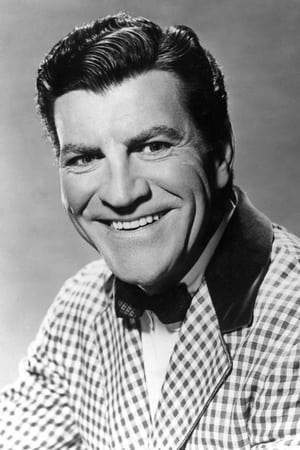
Brad Brady (Robert Preston)
Played by Robert Preston
Geologist who argues for limited drilling to prevent field depletion and protect grasslands. He aims to balance economic interests with environmental concerns, often clashing with more aggressive players.
- 🧭 Ethics
- 💡 Scientist
- 🏞️ Environment
- JR
Jim Redbird (Pedro Armendariz)
Native American drawn to Cherokee by the promise of collaboration; he amasses wealth through the venture but ultimately renounces his holdings after a humiliating encounter with Tanner. In anger he accidentally starts a fire that devastates a derrick trail.
- 🏹 Indigenous rights
- 💰 Wealth
- 🔄 Change
- NL
Nelse Lansing (Harry Shannon)
Played by Harry Shannon
Rancher whose death during a Tanner Petroleum visit sparks the central conflict over pollution and land use. His loss pushes Cherokee toward action and sets the political machinery in motion.
- 🌿 Ranching
- 🛢️ Oil industry
- 💔 Loss
-

Oilman (Roger Moore)
Played by Roger Moore
An archetype of profit-driven oil operation, representing the boom’s ruthless side and the risks of unregulated extraction.
- 💰 Greed
- 🏭 Industry
- 🔥 Risk
Where and When Is Tulsa Set?
Tulsa is set in Tulsa and Oklahoma (1920s). Here is why the time and place matter to the story.
When
1920s
The story unfolds during the Tulsa oil boom of the 1920s, a time of rapid development, fast fortunes, and environmental trade-offs as drilling spreads across ranching country. Pollution from oil extraction threatens cattle and livelihoods, fueling conflict among landowners, drillers, and regulators. The period’s excess and ideals set the stage for moral testing and eventual calls for conservation.
Where
Tulsa, Oklahoma
Tulsa in the 1920s is the heart of a rapid oil boom that fuels fortune and controversy. The region blends urban expansion with nearby ranchlands where cattle and fields meet derricks and refineries. The era’s wealth and environmental costs shape loyalties and the land’s future.
- 🌆 City growth
- 💧 Pollution
- 🌾 Grasslands
What Are the Themes of Tulsa?
3 ideas the story keeps returning to, among them Greed, Conservation and Coexistence.
-
01
Greed
The pursuit of wealth and power drives many key decisions, eroding ethics and community trust. Characters chase drilling rights, contracts, and status, often at the expense of land and people. The narrative shows how unchecked money can corrupt even those who claim to love the land.
-
02
Conservation
Environmental costs of drilling become central as pollution, fire, and land degradation threaten livelihoods. The climax pushes for responsibility and sustainable practices to protect grasslands. The film frames conservation as essential to balancing industry with the land.
-
03
Coexistence
Tensions between oil interests and ranching communities test the possibility of coexistence. Brady’s measured approach and Redbird’s evolution explore reconciliation and shared stewardship. The resolution suggests that cooperation can reconcile economic needs with environmental care.
What Kind of Film Is Tulsa?
Tense in tone, with steady pacing and a straightforward story, going by the plot summary.
- Tone
- Tense
- Pacing
- Steady
- Story
- Straightforward
- Intensity
- High
- Ending
- Bittersweet
A tense and heavy drama about a woman's vengeful quest for oil wealth, which escalates into a destructive obsession that consumes her morally and physically.
- tense
- greedy
- destructive
- vengeful
- somber
- obsessive
- revenge
- greed and corruption
- industrialization
- environmental conservation
Content notes: death of a parent, environmental disaster, destructive fire.