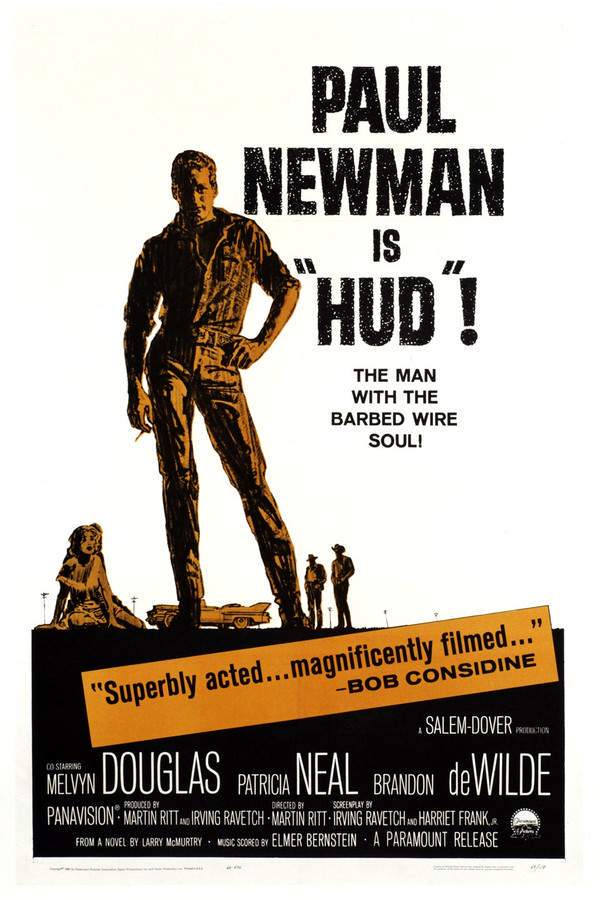
What Is Hud About?
The premise of Hud in 342 words, with nothing given away. The full story follows below.
In the sweeping, sun‑baked plains of West Texas, a modest ranch clings to a way of life that feels both timeless and fragile. The land is relentless, its wide horizons echoing with gentle guitar strains and the low hum of distant traffic, a backdrop that frames a family caught between tradition and restless change. The atmosphere is one of quiet tension, where the beauty of the open sky is matched by the weight of expectations that settle like dust on every fencepost.
The story centers on Hud Bannon, a charismatic yet reckless young man who drifts through the ranch with a bottle in one hand and a flirtatious smile in the other. His allure is undeniable, but his indifference to hard work and responsibility places him at odds with the values that have sustained his family for generations. Across from him stands his father, Homer Bannon, a stoic, weather‑worn rancher whose sense of duty and moral compass form the bedrock of the household. Their clash is less a battle of fists than a quiet war of principles, each embodying a different vision of what it means to live on the land.
Watching the adult world unfold is Lon, a teenage boy teetering on the edge of adulthood. He idolizes his uncle’s swagger while simultaneously sensing the cracks in that glossy veneer, feeling both drawn to and wary of the path Hud treads. Lon’s internal tug‑of‑war provides a lens through which the audience sense the fading innocence of a boy confronting the complexities of family loyalty, personal ambition, and the inevitable loss that comes with growing up.
Supporting figures, such as the housekeeper who tends to both the home and the hearts within it, add texture to the daily rhythm of ranch life. Their interactions hint at deeper undercurrents of affection, frustration, and yearning, all set against a tone that blends understated humor with an ever‑present melancholy. The film promises a contemplative look at how duty, desire, and the harsh realities of a changing frontier shape the bonds that hold a family together.
What Happens in Hud?
The complete story of Hud, from the first scene to the last, in 871 words (about 4 minutes). Spoilers throughout. Names in the text link to 3 cast member pages.
Spoilers ahead
Hud unfolds against a breathtaking backdrop of the expansive Texas landscape, smoothly transitioning into a highway where gentle guitar melodies drift through the air. We are introduced to Lon (Brandon De Wilde), a young and impressionable teenager aiming to reunite with his Uncle Hud. In an amusing encounter, Lon hops into a vehicle, and the driver drops him off, suggesting he locate Hud by searching for his unmistakable pink Cadillac.
Upon arriving, Lon soon learns of Hud’s latest escapade when he spots the flashy Cadillac parked at a local couple’s abode. He gives the horn a few honks, summoning Hud out into the light of day. However, Hud’s displeasure is palpable as he emerges, still unkempt from his midnight rendezvous with the woman inside. Concerningly, his reaction to Lon’s announcement that Homer (Melvyn Douglas), Hud’s father, is calling for him reveals more about their tumultuous relationship than intended. The tension escalates when the woman’s husband, Joe, arrives just as Hud and Lon are preparing to leave, leading to a series of threats from Joe that are quickly diffused by Hud’s disarming charm.
Driving away, Lon feels the aftermath of the unsettling encounter, but Hud merely laughs it off, quipping, “Relax, you could charge a stud fee by the time that story gets around town.” On the way home, questions about Homer arise, piquing Hud’s curiosity, especially since it’s been years since Homer sought his advice.
Upon reaching home, the situation quickly spirals into chaos when Homer reveals urgent news about a heifer that has mysteriously perished. The once peaceful ranch environment becomes filled with dark undercurrents as Homer seems uncertain while the ever-reckless Hud pursues his desire for excitement. Humor intertwines with tension when Alma, the Bannon’s housekeeper portrayed by Patricia Neal, chastises Hud for disregarding her flowers yet can’t help but play along with his flirtation, teasing him about his breakfast habits.
In what can only be characterized as Hud’s nature, he disregards the rules, believing that regulations exist solely to be bent. He shoots at vultures circling the dead animal, showcasing his rebellious spirit while Homer bravely stands his ground, insisting that the law serves an important purpose. Tension mounts as Homer’s instinct leads him to call for a state veterinarian, which Hud fiercely opposes, revealing the dichotomy between father and son—a generational clash of morals.
As the day progresses, the audience sees Hud’s audacious spirit manifest through flirtation with Alma, the perpetual thorn in his side, while Lon slowly becomes entangled in the muddy waters of Hud’s hedonistic world. Moments shared between the three—Lon, Hud, and Homer—highlight Lon’s budding aspirations mixed with dread, as Hud’s influence begins to corrupt the innocence he holds.
A dinner scene later captures the contrast between familial warmth and impending doom as Hud’s charm and reckless abandon play against Homer’s earnest attempts to guide Lon towards a good future. Conversations tread dark paths as themes of ambition clash with morality—the essence of life on the ranch spiraling out of balance as tensions flare. Amidst the heavy dialogue, Hud’s cynicism and charm resonate, with him remarking, “Nobody gets out of life alive,” subtly foreshadowing the impending tragedy that awaits.
The narrative crescendos as Homer’s health begins to deteriorate, leading to fragmented exchanges filled with emotional depth. After a disconcerting dinner, Homer slumps, unable to maintain his facade of strength, revealing the strain and wear of his years, particularly under the burden of having Hud as a son. This pivotal moment leads to a heartfelt and revealing exchange between Lon and Hud, where Lon grapples with the reality of mortality, and Hud wrestles with his backstory.
As the vet reveals a dreadful diagnosis that threatens the very fabric of their livelihood, family dynamics unravel even further. Hud’s impatience sets the stage for dubious decisions as he proposes morally questionable solutions that lead to intense confrontations with Homer, spawning a poignant argument steeped in guilt, regret, and the shadows of their past. Their battle takes center stage, showcasing not just a father-son conflict but an examination of values and principles in the face of survival.
As the final act unfolds, love and loss intertwine when Alma, having experienced discomfort from Hud’s advances, chooses to flee, leaving a void in Lon’s heart and in the homestead. This resignation signifies not only personal loss but the frail state of the family unit, further exacerbated by Homer’s tragic demise.
The devastating echoes of loss hang palpably in the air as Hud’s actions precipitate chaos that culminates in heart-wrenching but unavoidable conflict. Lon’s decision to distance himself from Hud marks a poignant end to the adolescent admiration he held—a farewell to the reckless lifestyle that Hud exudes. The final encounters with Hud reveal more of his confused yet resolute character in the face of despair than ever before, leading him to an internal reckoning as the curtain closes on a tale of life, death, and the complex interplay of familial legacies.
Ultimately, Hud stands alone, drink in hand, confronting an empty house that serves as a metaphor for his fractured relationships and the costs of his relentless pursuit of fulfillment against the backdrop of a stark Texas sunset, an enduring reminder of all that has been lost along the way.
Hud Timeline: Every Key Event in Order
15 key events in the order they happen, from “Lon's Arrival” to “Lon's Farewell”. 15 events name a place, across 10 locations.
- 1
Lon's Arrival
The film opens with Lon, a young and impressionable teenager, arriving in town to find his Uncle Hud. He is dropped off and tells the driver that he just needs to locate Hud's pink Cadillac. This marks the beginning of his adventure and connection with his uncle.
When:Morning Where:Texas
- 2
Finding Hud
Lon successfully identifies Hud's pink Cadillac parked outside a local couple's home. He honks the horn, awakening an annoyed Hud, who is in a compromising situation. This encounter signals the start of their strained relationship, grounded in Hud's reckless behavior.
When:Morning Where:Local Couple's House
- 3
Hud's Return Home
Hud begrudgingly leaves the couple's house with Lon after being threatened by the woman's husband. Despite the tension, Hud attempts to brush off the incident with humor, showcasing his lack of regard for consequences.
When:Morning Where:Texas Highway
- 4
The Dead Heifer
At the ranch, Homer shows Hud and Lon the corpse of a dead heifer, which died for unknown reasons. Homer plans to call the state vet, but Hud insists on avoiding government intervention and downplays the situation, leading to a clash of values between the father and son.
When:Afternoon Where:Ranch
- 5
Alma and Hud
Hud encounters Alma, the housekeeper, while she is stranded with a flat tire. He offers her a ride, demonstrating his flirtatious nature and the complexity of relationships within the household. Alma's teasing reveals her disinterest in Hud's advances.
When:Afternoon Where:Country Road
- 6
The Vet's Warning
The state vet arrives and warns Homer that the heifer died from foot and mouth disease, implying that all their cattle may have to be slaughtered. Homer struggles with the reality of this news, while Hud pushes for a more mercenary approach to save their livelihood.
When:Next Day Where:Ranch
- 7
Dinner Discussions
During dinner, Homer and Lon discuss their hopes and dreams, revealing a generational gap in perspective. The conversation steers towards Lon's future, hinting at his desire for a life away from the shadow of Hud's controversial lifestyle.
When:Evening Where:Ranch House
- 8
The Pig Scramble
At the local pig scramble, Hud participates in a competition and wins, showcasing his charm and ability to attract attention. Later, he tries to engage Lon, encouraging him to let go and enjoy life, solidifying Hud's influence over his impressionable nephew.
When:Afternoon Where:Rodeo
- 9
Trouble at the Diners
Lon's admiration for Hud clashes with the reality of Hud's aggressive nature when they get into a bar fight. Hud's reckless behavior pushes Lon towards a moral understanding of right and wrong as he witnesses the consequences of his uncle's choices.
When:Evening Where:Diner
- 10
Homer's Illness
After a visit to a diner, Homer collapses, revealing his deteriorating health. This moment signifies the toll of the impending decisions regarding the cattle slaughter and further complicates the family dynamics between Hud, Lon, and Homer.
When:Evening Where:Diner
Show the other 5 events of Hud Hide the last 5 events
- 11
The Cattle's Fate
As the situation worsens, the vet confirms the disease, leading to a crucial decision to kill all the cattle. Homer and Hud's conflicting values arise again, with Hud advocating for fleeting gains at the expense of ethics.
When:Next Day Where:Ranch
- 12
Homer's Last Stand
Homer, overwhelmed by the impending death of his cattle, ultimately decides to kill his two Longhorn steers. This painful farewell displays his deep respect for their lineage, contrasting with Hud's indifferent attitude towards ranching and life.
When:Next Day Where:Ranch
- 13
Alma's Departure
Alma decides to leave, feeling unsafe after the incident with Hud. Lon's attempts to persuade her to stay highlight his maturity and growth, while reflecting the tumultuous environment shaped by Hud's behavior.
When:Evening Where:Bus Station
- 14
Homer's Death
In a tragic culmination of events, Homer dies, prompting a reflection on his legacy and the differences between him and Hud. Lon grapples with feelings of loss and confusion as he navigates the void left by his grandfather's death.
When:Evening Where:Roadside
- 15
Lon's Farewell
After the funeral, Lon decides to leave and find a life away from Hud's influence. This final act of independence signifies Lon's growth and his desire to seek a better future, breaking free from the toxic legacy of Hud.
When:End of Film Where:Ranch
Who Are the Main Characters in Hud?
4 characters, among them Hud Bannon (Paul Newman), Homer Bannon (Melvyn Douglas) and Lon Bannon (Brandon De Wilde): who each one is and the part they play in the story. Every profile links to the actor’s page.
-
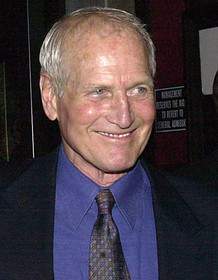
Hud Bannon (Paul Newman)
Played by Paul Newman
Hud is a charming yet reckless man who prioritizes his desires over family and ethical considerations. His self-serving nature creates conflict with his father, Homer, and serves as a negative role model for his impressionable nephew Lon. Hud’s complexity lies in his charisma, making it difficult for others to see his darker traits.
- 😎 Protagonist
- 🚬 Charismatic
- 💔 Reckless
-
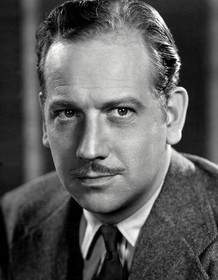
Homer Bannon (Melvyn Douglas)
Played by Melvyn Douglas
Homer is the moral center of the film, embodying traditional values and the responsibility of caretaking his ranch and family. His struggles against Hud's influence and the pressures from the government highlight the theme of integrity in the face of adversity. Homer’s deep love for his land and family contrasts with Hud's more hedonistic approach.
- 🧓 Traditional
- 💪 Determined
- 🌱 Caretaker
- LB
Lon Bannon (Brandon De Wilde)
Played by Brandon De Wilde
Lon is a naive and impressionable teenager who finds himself caught between the conflicting influences of Hud and Homer. His character represents hope and the pursuit of a better future, but he also grapples with the consequences of Hud's reckless behavior. Lon's journey of self-discovery marks the film's emotional core.
- 👦 Impressionable
- 🌟 Hopeful
- 📚 Naive
-
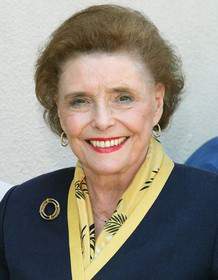
Alma (Patricia Neal)
Played by Patricia Neal
Alma is the housekeeper with a complex relationship with Hud, alternating between flirtation and resistance to his advances. Her character introduces themes of desire and self-respect, adding depth to the narrative's exploration of female roles in a male-dominated environment. She represents both vulnerability and strength.
- 👩🍳 Caregiver
- 💁♀️ Strong-willed
- ❤️ Desirable
Where and When Is Hud Set?
Hud is set in Texas. Here is why the place matters to the story.
When
The film is set in a contemporary period for its release in the 1960s, reflecting attitudes and societal norms of that era. It explores themes of masculinity, family dynamics, and the struggle against government regulations in agricultural practices. This period brings a sense of modern tension in a traditionally rooted environment.
Where
Texas
The movie takes place in the wide-open landscapes of Texas, characterized by vast fields, ranches, and rural communities. It's known for its cowboy culture, cattle ranching, and strong familial ties intertwined with the land. The setting provides a stark backdrop to the conflicts between tradition and modernity faced by the characters.
- 🏞️ Landscape
- 🌾 Ranch
- 🐄 Cattle
What Are the Themes of Hud?
3 ideas the story keeps returning to, among them Conflict, Morality and Family.
-
01
Conflict
The theme of conflict runs deeply through the movie, particularly between Hud and his father Homer. Their conflicting values regarding responsibility and ethics create a tense dynamic in the household. Additionally, the struggle between the desire for independence and the duty to family is highlighted throughout the narrative.
-
02
Morality
Hud embodies a morally ambiguous character whose self-serving decisions challenge traditional values and ethics. The film questions what it means to be 'good' or 'bad' in a world where survival often trumps moral responsibility. The characters navigate complex moral dilemmas that expose their true nature.
-
03
Family
The relationship between family members is central to the story, particularly the strained bond between Hud, his grandfather Homer, and Lon. The film explores generational differences and the impact of upbringing on individual identity and choices. Lon’s admiration for Hud highlights the challenges of familial loyalty against moral judgment.
What Kind of Film Is Hud?
Melancholic in tone, with slow pacing and a moderate story, going by the plot summary.
- Tone
- Melancholic
- Pacing
- Slow
- Story
- Moderate
- Intensity
- High
- Ending
- Bleak
A somber and morally complex character study set against a stark Texas landscape, this slow-paced film delivers a heavy emotional blow as it explores a family's dissolution through the corrosive influence of a charming but destructive man.
- oppressive
- morally ambiguous
- somber
- lonely
- confrontational
- atmospheric
- dysfunctional family
- generational conflict
- loss of innocence
- alcoholism
Content notes: sexual assault, attempted rape, alcoholism, animal death.
Quiz
How well do you remember Hud? Test yourself on the story.