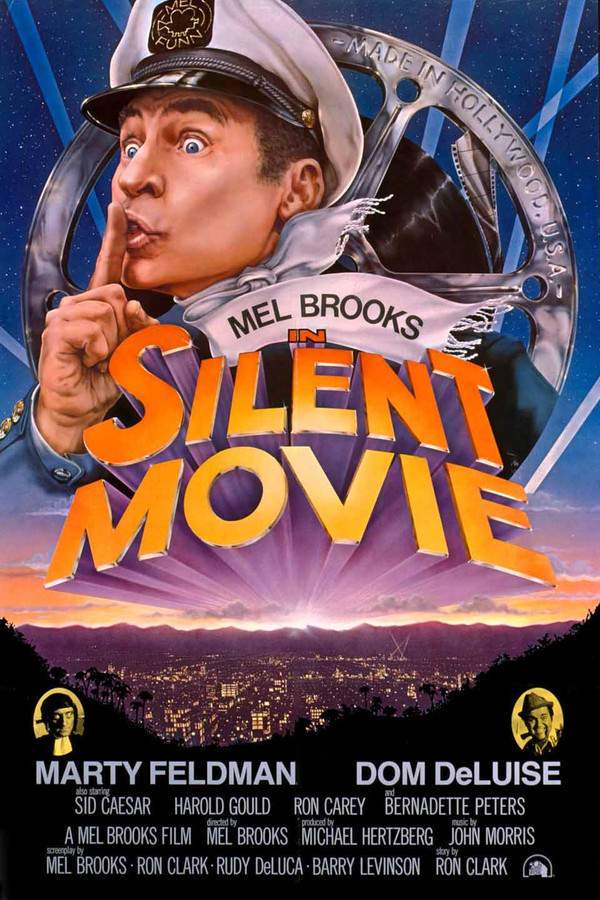
What Is The Comic About?
The premise of The Comic in 332 words, with nothing given away. The full story follows below.
In a sun‑drenched Hollywood studio lot that still echoes with the slap‑stick beats of a bygone era, the film opens at the funeral of a legendary silent‑film comedian. From his own spectral voice the story sweeps back through a life built on daring physical humor, vaudeville swagger, and an unshakable belief that the stage is his kingdom. The world is rendered with a wry, nostalgic glow, letting modern viewers feel the bright glare of early cinema lights while sensing the inevitable shadows that follow fame.
Billy Bright arrives in California with an outsized ego and a demand for the flamboyant costume that defined his act. His quick wit and willingness to push the boundaries of performance thrust him into the spotlight, aligning him with the titans of silent comedy who made timing and physicality their trade. Alongside him is his loyal sidekick, Cockeye, whose steady presence offers both comic foil and a glimpse of the camaraderie that sustained many early stars.
Amid the roar of cameras, Mary Gibson enters the picture, a charismatic partner whose own talents complement his. Together they venture into the business side of filmmaking, blurring the line between romance and ambition. Their partnership hints at the delicate balance between personal desire and professional drive—a tension that becomes a central undercurrent as the industry begins to shift toward sound. The changing tide of Hollywood looms, testing Billy’s resistance to new formats and his attachment to the silent traditions that made him a household name.
As the decades roll on, the film drifts toward a late‑1960s talk‑show set, where Steve Allen invites the aging star to step onto a modern stage. The juxtaposition of his time‑worn pratfalls against a contemporary audience underscores the bittersweet humor of a man whose identity is inseparable from the routines that once defined an era. Through all the glitter and grit, the tone remains a rueful, affectionate portrait of a performer caught between the echoes of his past and a world that has moved on.
What Happens in The Comic?
The complete story of The Comic, from the first scene to the last, in 712 words (about 3 minutes). Spoilers throughout. Names in the text link to 1 cast member page.
Spoilers ahead
Dick Van Dyke stars as Billy Bright, a silent-era film comedian who narrates this reflective drama. The movie opens at his funeral in 1969 and then sweeps back through a lifetime told in vivid flashbacks, with Bright stubbornly unable to see his own faults and habitually blaming others for the troubles that befall him. The tone stays lucid and rueful as the past unfolds, offering a window into the arc of a man shaped by the routines of vaudeville and the evolving machinery of Hollywood.
Bright arrives on his first California film location with a fierce pride and a demand: he will perform only if he can wear the outrageous makeup and costume that defined his stage persona. The director, [Cornel Wilde], refuses to grant the request, and Bright begins to storm off. A dramatic twist—his car rolling off a cliff—forces him to accept the terms, and once the cameras start rolling, he improvises with a mix of audacity and cunning, sabotaging the scene just enough to become the hero of the moment. That impulse to push boundaries propels him into the limelight, placing him squarely in the orbit of the high-spirited, now-distant era of silent film stalwarts like Buster Keaton and Charlie Chaplin, where timing and physical humor still rule the screen.
In the wake of this breakthrough, Bright’s life grows entangled with Mary Gibson, played by [Michele Lee], whom he seduces and eventually marries. Their chemistry fuels a rising partnership as they form their own production company, riding the wave of early fame. But romance and power rarely stay pristine in Hollywood. As Mary’s pregnancy becomes visible, she grows increasingly suspicious of Bright’s infidelity. When she confronts him, he tries to flip the script, shaming her into apologizing for the accusation. The tension between personal love and professional ambition deepens, and the couple’s bond is strained to a breaking point.
The couple’s ascent is interrupted by a Hollywood divorce filing that leaves Bright reeling. Mary departs with their young son and the couple’s grand estate, shifting the balance of Bright’s world from triumph to loss. The star’s sense of identity begins to crumble as he sinks into despair and alcoholism. He leaves the country to work in Europe for four years, a retreat that interrupts his career but does little to heal the wounds at home.
Back in the fold, Bright sobers up and eyes a relapse of his career, yet he remains stubbornly wedded to the past. He resists the studio’s offer to star in a talkie, insisting on the old format and old terms, and he even erupts at his agent, the man who represents his best chance at a comeback, [Carl Reiner] in a tense confrontation. The period humor and bitterness collide as the industry continues to move forward without him. Throughout it all, his old companion—his loyal sidekick Cockeye, embodied by [Mickey Rooney]—serves as a steady, if sometimes weary, source of friendship.
Into this fragile comeback steps the late-1960s talk-show milieu. The show’s host, Steve Allen, appears as himself and brings Bright onto the couch in an effort to revive his career. The scene is both poignant and a bit comic, as Bright proves he can still recreate some of his signature pratfalls, though the modern audience sees him through a different lens. The revival is not a grand return to the top but a narrow path that hints at what could have been, delivered on a platform as unromantic as a detergent commercial.
The film closes on a sober, intimate note. Bright spends time in and out of hospital care, and the few constants in his life include the memory of his old routines and the presence of his now-grown son Billy Jr., who is also portrayed by [Dick Van Dyke]. The final images show Bright in a dingy two-room apartment, watching reruns of his own past glories at odd hours on television, a man who can no longer smile at the past even as it continues to echo in his living room.
Throughout, the movie remains a careful study of fame’s both glow and grind, a portrait of a performer who cannot quite outgrow the character he made famous, even as the world around him evolves beyond the silent punchlines that once defined him.
The Comic Timeline: Every Key Event in Order
13 key events in the order they happen, from “Funeral frames the tale” to “Final decline: hospital, home, and memory”. 12 events name a place, across 9 locations.
- 1
Funeral frames the tale
The film opens with Billy Bright at his funeral in 1969, and the narrator uses flashbacks to tell his life story. The framing sets a mournful tone while hinting at Bright's blind pride and inability to see his own faults. The audience learns that the tale will focus on his rise, fall, and attempted redemption.
When:1969
- 2
First film location confrontation and forced acceptance
Bright arrives at his first California film location determined to wear the outrageous makeup from his stage persona. The director refuses, sparking a confrontation. A car rolling off a cliff soon forces Bright to accept the terms if he wants to keep acting, setting the stage for his accidental rise to stardom.
When:Early 1910s Where:California film location
- 3
Improvised performance makes him a hero
Once the cameras roll, Bright improvises and sabotages the scene, turning a potential fiasco into a showpiece. His audacity and willingness to adapt win him the audience's acclaim. This on-set brilliance launches his ascent in silent-era cinema.
When:Early 1910s Where:Film set, California
- 4
Silent-era star rises to prominence
Bright becomes a major film comedy star in the 1910s and 1920s, rising alongside the greats of the era. His blend of timing and physical humor makes him a household name in Hollywood's burgeoning film industry. The era's chaos and opportunity shape his career and fame.
When:1910s-1920s Where:Hollywood/Film industry
- 5
Love, theft, and a production partnership
Bright steals his leading lady Mary and, after a scuffle with the director, the couple's chemistry leads to marriage. They soon form their own production company, channeling their on-screen magnetism into real-world success. Their partnership marks a peak before personal troubles begin to surface.
When:Early 1920s Where:Hollywood
- 6
Pregnancy, suspicion, and confrontation
As Mary nears pregnancy, she grows suspicious of Bright's infidelity. When she confronts him, he schemes to shame her and deflect responsibility instead of addressing the problem. The couple's trust erodes as fame inflates their personal lives.
When:Mid-1920s Where:Hollywood
- 7
Divorce papers and loss of home
Bright is served with divorce papers as the power couple's relationship crumbles under the strain of success. Mary leaves with their young son and the couple's palatial estate, forcing Bright into a lonely, public fall from grace. The end of their marriage marks a turning point in his career and life.
When:Late 1920s Where:Hollywood estate
- 8
Despair and a four-year Europe sabbatical
Deep despair and alcoholism drive Bright to flee Hollywood, and he spends four years in Europe filming to escape his past. The exile dims his star but also gives him time to reflect on his failures. The distances he creates from home widen the rift with his family and career.
When:Late 1920s to early 1930s Where:Europe
- 9
Sobriety and a guarded comeback
Back in Hollywood, Bright sobers up and seeks a comeback, but he will not compromise on the terms that once defined him. He refuses to star in a talkie, which triggers a confrontation with his agent. The studio system continues to move forward without him.
When:Mid-1930s Where:Hollywood
- 10
Old partnerships tested; Cockeye remains constant
Amid the turbulence, Bright's old screen sidekick Cockeye remains his sole constant friend. His wife, now distant, rebuffs his attempts to rekindle their relationship. The two relationships diverge as Bright clings to a fading past.
When:1930s Where:Hollywood
Show the other 3 events of The Comic Hide the last 3 events
- 11
Late-1960s TV revival on Steve Allen
A late-1960s talk show host, Steve Allen, brings Bright on to revive his career. Bright confidently recreates his old pratfall shtick, showcasing that some magic from the past still lands with audiences. The moment highlights the gap between eras and the fragility of fame.
When:Late 1960s Where:Steve Allen's TV show studio
- 12
Detergent commercial becomes the only vehicle for slapstick
The revival relies on a detergent commercial, the only platform permitting Bright to perform his familiar pratfalls. The commercial underscores the commodification of a star's identity and the narrowing paths available to aging performers. He clings to the past, yet the medium around him has moved on.
When:Late 1960s Where:Television studio/advert shoot
- 13
Final decline: hospital, home, and memory
Bright drifts in and out of hospitals and ends up in a dingy two-room apartment. His now-grown son Billy Jr. visits, bringing a fragile link to a previous life. He watches old comedies on TV with little emotion, a quiet, unresolved end to a once-brilliant career.
When:Late 1960s to early 1970s Where:Hospital and home
Who Are the Main Characters in The Comic?
6 characters, among them Billy Bright (Dick Van Dyke), Mary Gibson (Michele Lee) and Al Schilling (Cornel Wilde): who each one is and the part they play in the story. Every profile links to the actor’s page.
-
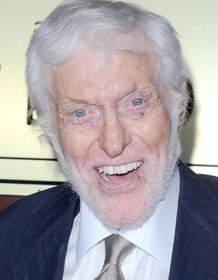
Billy Bright (Dick Van Dyke)
Played by Dick Van Dyke
A talented, headstrong vaudeville clown who becomes a major silent-film star. He is relentlessly ambitious but stubborn, often misreading consequences and clinging to the past. His struggle with fame, personal relationships, and later alcoholism drives the dramatic arc of the story.
- 🎭 Star
- 🥃 Alcoholic
- 🌀 Self-delusion
- MG
Mary Gibson (Michele Lee)
Played by Michele Lee
Bright's leading lady and later wife who partners with him to form a production company. She grows wary of his infidelity and ultimately leaves him, taking their son and estate. She embodies strength and independence amid the collapse of their marriage.
- 🎬 Actress
- 💔 Betrayed
- 👩👧 Mother
- AS
Al Schilling (Cornel Wilde)
Played by Cornel Wilde
The director who clashes with Bright, demanding control and attempting to shape his performance. His confrontations with Bright reflect the power dynamics on early film sets and the tensions between artistry and commercial demands.
- 🎬 Director
- 🧭 Demanding
-
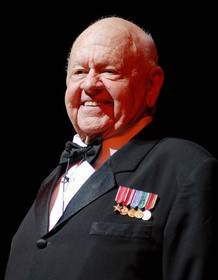
Cockeye (Mickey Rooney)
Played by Mickey Rooney
Bright's old screen sidekick and loyal friend who anchors him to the earlier, simpler days of fame. He serves as a foil to Bright's arrogance while providing warmth and comic relief amid the rising chaos of Bright's career.
- 👥 Friend
- 🎭 Foil
- SA
Steve Allen (Steve Allen)
Played by Steve Allen
The late-1960s talk show host who attempts to revive Bright's career by giving him a platform on television. His appearance embodies the era's shift toward TV-driven publicity and modern celebrity culture.
- 🎤 TV Host
- 🌟 Comeback Catalyst
- BJ
Billy Jr. (Scott James)
Played by Scott James
Bright and Mary's now-grown son, who represents the legacy of Bright's life. He appears as part of the later stages of Bright's story, illustrating the consequences of the star's past on his family.
- 👦 Son
- 🧭 Strained Relationship
Where and When Is The Comic Set?
The Comic is set in California, Hollywood and Europe (1969 with flashbacks to the 1910s–1920s silent era). Here is why the time and place matter to the story.
When
1969 with flashbacks to the 1910s–1920s silent era
The present frame centers on Bright's funeral in 1969, while the narrative travels back to the silent era of the 1910s and 1920s. It tracks the rise to fame and the subsequent transition as talkies begin to dominate. The time shifts highlight aging, memory, and the changing landscape of the film industry over decades.
Where
California, Hollywood, Europe
California is the cradle of the early film industry and Hollywood serves as the studio hub where Bright rises to fame during the 1910s and 1920s. The story travels through studio lots and silent-film backlots, depicting the glamour and grit of early cinema. Europe later appears as Bright's expatriate chapter, reflecting the global reach of silent-era stars.
- 🎬 Film industry hotspot
- 🗺️ Historic cinema locations
What Are the Themes of The Comic?
3 ideas the story keeps returning to, among them Fame, Memory and Rise and Fall.
-
01
Fame
The film examines how early stardom reshapes identity, rewarding talent while feeding vanity. Bright's ascent from stage performance to screen icon reveals both charm and self-delusion. The narrative questions what a lasting legacy means when the industry continually moves forward.
-
02
Memory
Bright's life unfolds as a montage of past glories, anchored by a funeral that brackets the story. Flashbacks reveal how nostalgia can both sustain and torment a performer who clings to old routines. The film uses memory to comment on aging within a fast-changing industry.
-
03
Rise and Fall
The arc follows a career from silent comedy to resistance against talkies, illustrating industry shifts and personal costs. Pride, rivalry, and luck shape Bright's trajectory, while his insistence on the past accelerates his decline. The story culminates in a fall that makes earlier triumphs seem fragile.
What Kind of Film Is The Comic?
Melancholic in tone, with steady pacing and a moderate story, going by the plot summary.
- Tone
- Melancholic
- Pacing
- Steady
- Story
- Moderate
- Intensity
- Medium
- Ending
- Sad
A reflective and melancholic drama that chronicles the rise and fall of a silent-film star, balancing amusing showbiz antics with a rueful examination of loneliness and the burdens of fame.
- nostalgic
- reflective
- rueful
- lonely
- bittersweet
- autumnal
- rise and fall
- show business
- self-destruction
- fame and ego
Content notes: alcoholism, infidelity.
Quiz
How well do you remember The Comic? Test yourself on the story.