

What Is The Walking Dead About?
The premise of The Walking Dead in 280 words, with nothing given away. The full story follows below.
In a grim, rain‑slick city where justice feels more like a suggestion than a rule, John Ellman drifts through a world that has already condemned him. Once a hard‑working laborer, he now carries the weight of a desperate yearning for love that has been eclipsed by a cascade of misfortune. The streets are lined with looming courthouse columns and dimly lit alleys, a backdrop that mirrors the hopelessness that presses on his shoulders.
When the law finally turns its cold gaze upon him, John is ensnared by false accusations that send him hurtling toward an inevitable fate. The execution, swift and final, seems to seal his story, but a shadowy figure from the medical community intervenes with a radical experiment that blurs the line between life and death. The procedure awakens him, gifting a strange, almost supernatural awareness that leaves him haunted by a darkness he cannot control.
Guided—if only loosely—by the enigmatic Dr. Evan Beaumont, whose motives remain as murky as the city’s fog, John finds himself caught in a tension between his lingering humanity and the violent impulses that now pulse through his veins. The atmosphere is heavy with classic noir dread, amplified by an undercurrent of gothic horror that suggests the very act of resurrection may have ripped open something primal within him.
As he navigates this uneasy new existence, the film balances stark, moody cinematography with a brooding score, inviting the audience to contemplate whether love can truly redeem a soul that has been torn apart and reborn. The tension builds not from overt action but from the simmering uncertainty of what lies ahead for a man caught between redemption and a relentless, new beast inside.
What Happens in The Walking Dead?
The complete story of The Walking Dead, from the first scene to the last, in 583 words (about 3 minutes). Spoilers throughout. Names in the text link to 9 cast member pages.
Spoilers ahead
Judge Roger Shaw, Joe King delivers a harsh sentence to a man found guilty of diverting and misappropriating public funds, locking him away for ten long years with no parole. From this stern verdict, a cunning gang of racketeers hatches a plan to strike back at Shaw by murder, weaving a web of vengeance that will drag in unsuspecting lives.
John Ellman, Boris Karloff, newly released after a decade behind bars for a death caused by a blow he once struck, is asked to shadow Shaw under the pretense of investigating supposed infidelity. The setup is chillingly simple: a trusted observer is placed near the judge, and a crime is soon to unfold. Shaw is killed in his automobile, and Ellman, nearby and hearing the crash, is found at the scene and quickly becomes the prime suspect in a murder with no obvious motive.
A young couple, Nancy, Marguerite Churchill, and Jimmy, Warren Hull, who work for Dr. Evan Beaumont, bear witness to the aftermath of the crime — they see the body moved but are silenced by a mysterious figure who orders them to keep quiet. Ellman is framed and subjected to a courtroom drama that feels rigged from the start. Despite evidence that should clear him, he is condemned to the electric chair, his innocence seemingly proven too late to save him.
Dr. Beaumont, Edmund Gwenn, who had quietly arranged Ellman’s employment for reasons of his own, retrieves the dying man’s body and performs a controversial experiment: he revives Ellman as part of a daring inquiry into life, death, and what might lie beyond. The revival grants Ellman an uncanny, almost supernatural, ability to sense the guilty as he moves, and it propels a relentless pursuit of those who had him killed.
Ellman learns that Nolan, Ricardo Cortez, has been named guardian to the revived man and is rewarded with a state settlement of $500,000. Yet the revived man’s perception makes it clear that Nolan is not his ally; Ellman can feel a hidden enmity that compels him to seek out the men who betrayed him, piece by painful piece.
As Ellman begins to confront his former framers, each death seems to unfold from their own creeping guilt rather than from any direct action by him. First, Trigger, Joe Sawyer, is frightened by Ellman’s presence and accidentally shoots himself. Then Blackstone, Paul Harvey, tries to flee town but is stalked to the depot and crushed by a passing train. Merritt, Robert Strange, is found to have a fatal heart attack after Ellman’s quiet visitation to his apartment. Ellman himself vanishes for a time, and Nancy eventually finds him wandering near a cemetery, trying to coax him back, only to have him slip away again as she hurries to summon Beaumont.
The plot accelerates to tragedy as Ellman is fatally shot by the two remaining conspirators who framed him. Dr. Beaumont hurries to the graveside in the cemetery, where Ellman lies in the gravekeeper’s cottage, and pleads for answers about the afterlife. Ellman, facing the end, delivers a stark warning drawn from scripture: Leave the dead to their maker. The Lord our God is a jealous God. As his life fades, the doomed conspirators meet their own doom when their car careens off the road, strikes an electric pole, and explodes. The circle closes with Beaumont repeating Ellman’s warning about that jealous, inscrutable God, leaving the living to reckon with the consequences of their choices and the mysteries that lie beyond death.
The Walking Dead Timeline: Every Key Event in Order
15 key events in the order they happen, from “Judge Shaw sentences a man to ten years with no parole” to “Beaumont reaches the cemetery; Ellman dies, and the conspirators are destroyed”. 15 events name a place, across 14 locations.
- 1
Judge Shaw sentences a man to ten years with no parole
Judge Roger Shaw convicts a man of diverting and misappropriating public funds and imposes a harsh ten-year sentence with no parole. This verdict spurs a plan by a gang of racketeers to exact revenge through murder, setting the film's conflict in motion.
Where:Courtroom
- 2
Racketeers hatch a plan to kill Shaw
A gang of racketeers resolves to avenge Shaw's harsh judgment by murder. They scheme to remove the judge and cover their tracks, establishing the motive for the coming killings.
Where:Undisclosed meeting place
- 3
John Ellman is released and asked to watch Shaw
John Ellman, recently released after a ten-year sentence influenced by Shaw, is asked to monitor the judge for supposed infidelity. He accepts the assignment, though he senses danger and manipulation behind the request.
Where:Prison release area
- 4
Shaw is shot in his car; Ellman is found at the scene
Shaw is shot and killed while in his car, and Ellman is discovered nearby, having heard the crash. Ellman becomes the primary suspect, triggering his fall from grace and the start of his framed execution.
Where:Shaw's car
- 5
Nancy and Jimmy witness the murder and are silenced
Nancy and Jimmy, a young couple who work for Dr. Evan Beaumont, witness the corpse being moved into a car. A mysterious man urges them to keep quiet, silencing potential witnesses and enabling the conspiracy to unfold.
Where:Unknown location
- 6
Ellman stands trial and is sentenced to the electric chair
Ellman is unfairly tried for Shaw's murder, with Nolan providing a mediocre defense. Despite evidence of his innocence, the court convicts him and sentences him to the electric chair.
Where:Courtroom/Electric chair chamber
- 7
Beaumont revives Ellman via experimental reanimation
Beaumont retrieves Ellman's body and revives him through his experimental work on reanimating the dead. The revival opens the door to new possibilities and ethical questions about life and death.
Where:Beaumont's laboratory
- 8
Ellman gains a guardian and a financial settlement
Nolan is appointed Ellman's guardian, and Ellman receives a state settlement of $500,000. He also begins to sense that Nolan may be his enemy, setting up tension for what follows.
Where:State office/Guardian appointment
- 9
Ellman sets out to find his framers
With his revived awareness, Ellman begins seeking out the men who framed him. He moves through various locations, pursuing truth and possible retribution, even as others try to stop him.
Where:Various locations
- 10
Trigger dies after a confrontation with Ellman
Ellman visits Trigger and unnerves him so deeply that Trigger accidentally shoots himself to death. This marks the first fatal consequence among the framers.
Where:Unknown location
Show the other 5 events of The Walking Dead Hide the last 5 events
- 11
Blackstone flees town and is killed by a train
Unnerved by Trigger's death, Blackstone attempts to leave town but is confronted by Ellman at the train depot and is struck by an oncoming train. His death increases the psychic weight of Ellman's awakenings.
Where:Train depot
- 12
Merritt dies after Ellman visits his apartment
Ellman visits Merritt at his apartment, and Merritt immediately suffers a heart attack and falls from his window to his death. The death underscores the mounting danger to the conspirators tied to Ellman's return.
Where:Merritt's apartment
- 13
Ellman goes missing and is found in a cemetery by Nancy
Ellman disappears again and is later found wandering a cemetery. Nancy encounters him there and urges him to come back, but he remains evasive and distant from her pleas.
Where:Cemetery
- 14
Ellman is mortally shot by the remaining conspirators
As Nancy scrambles to alert Beaumont, Ellman is mortally shot by the two conspirators who framed him. His death leaves the mystery of the killings unresolved in the moment.
Where:Cemetery vicinity
- 15
Beaumont reaches the cemetery; Ellman dies, and the conspirators are destroyed
Beaumont hurries to the cemetery where Ellman lies dying in the gravekeeper's cottage, and Ellman delivers a final admonition about the afterlife. The two remaining racketeers die when their car crashes into an electric pole and explodes, while Beaumont repeats Ellman's warning about a jealous God.
Where:Gravekeeper's cottage, cemetery
Who Are the Main Characters in The Walking Dead?
8 characters, among them John Ellman (Boris Karloff), Dr. Evan Beaumont and Nancy: who each one is and the part they play in the story. Every profile links to the actor’s page.
-
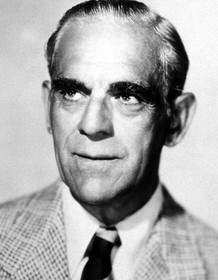
John Ellman (Boris Karloff)
Played by Boris Karloff
Wrongly framed for murder, Ellman is executed but revived by Beaumont and gains a disturbing, almost prescient sense of who was responsible for his death. He pursues the conspirators in a cold, calculating way, using his knowledge of their guilt to unravel them while grappling with the moral implications of his new state.
- 🗡️ Framed
- 🧭 Vengeance
- 👁️ Insightful
-
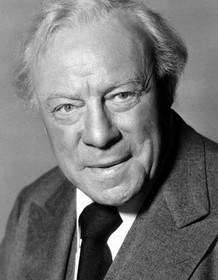
Dr. Evan Beaumont
Played by Edmund Gwenn
A doctor-scientist who revives Ellman to probe what happens to the soul after death. His experiments drive the plot forward and raise questions about the boundary between life and death, ethics, and the consequences of reviving the dead.
- 🧪 Scientist
- 🧠 Morality
- 🔬 Experimenter
- N
Nancy
Played by Marguerite Churchill
A young woman who witnesses the murder scene with Jimmy and becomes entangled in the aftermath as Ellman’s mission to uncover his killers unfolds. She attempts to navigate the danger and seek truth alongside Beaumont.
- 💬 Witness
- 🫂 Ally
- 🧭 Courage
- J
Jimmy
Played by Warren Hull
A companion to Nancy who shares responsibility in observing the crime and spread of information. His role frames the mystery and adds emotional stakes to the investigators’ pursuit.
- 👬 Witness
- 🕵️♂️ Ally
-
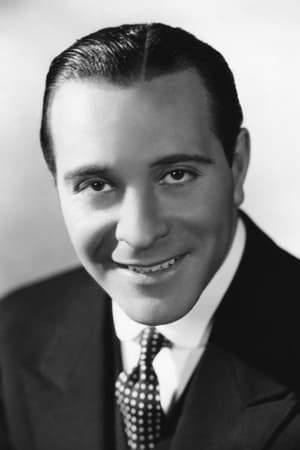
Nolan
Played by Ricardo Cortez
The conspirator who frames Ellman and is appointed as Ellman’s guardian; a calculating foe whose guilt drives the fatal outcomes as Ellman closes in.
- 🗺️ Villain
- 🧭 Mastermind
-
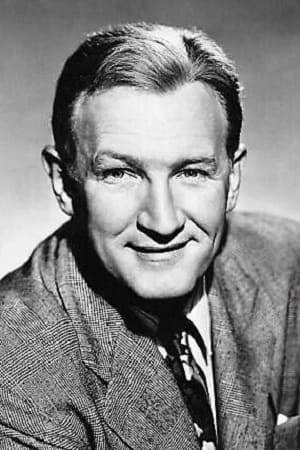
Trigger
Played by Joe Sawyer
A racketeer who lies at the center of the plan to kill Shaw; Ellman’s presence frightens him, leading to his accidental death.
- 🕴️ Henchman
- 🂡 Fearful
- B
Blackstone
Played by Paul Harvey
Another conspirator who attempts to flee after Trigger’s death, ending up struck by a train at the depot as Ellman closes in.
- 🧭 Escapee
- 🖤 Fear
-
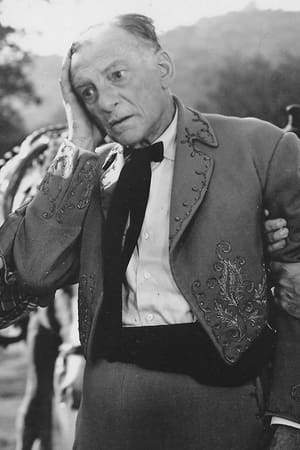
Merritt
Played by Robert Strange
Nolan’s ally who suffers a heart attack and death after Ellman visits him, marking another victim of Ellman’s vengeance.
- 💔 Victim
- 🫀 Death
Where and When Is The Walking Dead Set?
The Walking Dead is set in Courthouse, City streets, Doctor Beaumont's laboratory, Train depot and Cemetery (1930s). Here is why the time and place matter to the story.
When
1930s
Set in a 1930s American urban milieu, the narrative mirrors the era's fascination with sensational trials and the uneasy boundary between science and morality. The presence of an electric chair and courtroom drama highlights the period's approach to justice and punishment. The revival twist introduces a science-fiction layer to a crime story typical of the era.
Where
Courthouse, City streets, Doctor Beaumont's laboratory, Train depot, Cemetery
The story unfolds across a mid-sized American city centered on a bustling courthouse. A physician-scientist's laboratory becomes a pivotal setting where life-and-death experiments begin. Key locations include a train depot and a cemetery, anchoring the crime, pursuit, and final fates of the characters.
- 🏛️ Courthouse
- 🏙️ City
- 🔬 Laboratory
- 🚂 Train Depot
- 🪦 Cemetery
What Are the Themes of The Walking Dead?
3 ideas the story keeps returning to, among them Revenge, Guilt and Afterlife.
-
01
Revenge
A man is framed for murder and executed, triggering a chain of retribution as Ellman targets those who wronged him. The film questions whether justice is truly served through vengeance or through the institutions that fail to protect the innocent. The consequences of revenge ripple through the conspirators, illustrating how guilt and fear can unleash further violence. The story ultimately uses Ellman's pursuit to critique a cycle of payback.
-
02
Guilt
Each framer encounters a personal reckoning as their crimes return to haunt them. Ellman’s revived state allows him to confront the culpability of those who betrayed him, while the conspirators face a form of internal punishment rooted in fear and conscience. The deaths occur not by a direct plan but by mounting guilt and the consequences of their actions. The theme portrays guilt as a powerful, inescapable force that shapes the outcome.
-
03
Afterlife
Beaumont’s resurrection experiment blurs science with questions about the soul and what happens after death. Ellman’s search for meaning and his confrontation with the living raise moral and metaphysical questions about life beyond the grave. The ending ties the supernatural implication to a warning about divine judgment. The theme positions life, death, and potential immortality at the center of a moral crime tale.
What Kind of Film Is The Walking Dead?
Dark in tone, with steady pacing and a straightforward story, going by the plot summary.
- Tone
- Dark
- Pacing
- Steady
- Story
- Straightforward
- Intensity
- High
- Ending
- Bleak
A grim and fatalistic horror film that follows an innocent man's wrongful execution and monstrous reanimation, creating a consistently unsettling and morally bleak atmosphere punctuated by violent retribution.
- gothic
- unsettling
- grim
- melancholic
- sinister
- fatalistic
- reanimation
- false accusation
- capital punishment
- revenge from beyond the grave
Content notes: capital punishment, murder, violent death, experimentation on human remains.
Quiz
How well do you remember The Walking Dead? Test yourself on the story.


