What Is The Great War About?
The premise of The Great War in 301 words, with nothing given away. The full story follows below.
In the summer of 1916, a restless Italy is pulled into the vortex of the Great War, and the streets of Rome hum with the looming call to arms. Young men are swept from cafés and factories into the austere world of military barracks, where routine drills clash with the lingering scent of olive groves and the lingering hopes of a peace that feels ever‑more distant. The film captures this uneasy transition with a tone that blends stark realism and a wry, almost absurdist humor, letting the audience feel both the weight of history and the intimate, everyday anxieties of those forced onto the front lines.
Amid this backdrop, Oreste Jacovacci emerges as a crafty, opportunistic dreamer who would rather buy his way out of duty than face the rifle’s weight. He crosses paths with Giovanni Busacca, an earnest and earnest‑hearted fellow who carries a quiet conviction that steadies him in the face of uncertainty. Their personalities sit on opposite ends of the spectrum—Oreste’s scheming pragmatism versus Giovanni’s sincere earnestness—yet the inexorable pull of conscription thrusts them together, setting the stage for a partnership forged as much by circumstance as by a reluctant respect for each other’s resilience.
The story unfolds within the cramped, mud‑splattered world of training fields, night‑time mess halls, and the fleeting moments of leave that feel like brief breaths of normalcy. As the two navigate the absurdities and dangers of military life, the film invites viewers to watch a subtle transformation: two wary pragmatists who cling to self‑preservation begin to discover an unexpected solidarity that hints at deeper courage. The atmosphere remains tension‑laden yet laced with moments of comic relief, painting a portrait of war that is as much about personal survival and uneasy companionship as it is about the wider conflict raging across the Italian front.
What Happens in The Great War?
The complete story of The Great War, from the first scene to the last, in 589 words (about 3 minutes). Spoilers throughout. Names in the text link to 3 cast member pages.
Spoilers ahead
In 1916, as the call to arms sweeps across a tense Rome, Oreste Jacovacci, Alberto Sordi, and Giovanni Busacca, Vittorio Gassman, cross paths in a military district facing the looming specter of conscription. Oreste,
a schemer who tries to buy his way out, misleads the earnest Giovanni with a fateful promise of help in exchange for money. The two meet again on a train bound for the front, and though their temperaments are worlds apart, a fragile bond begins to form. What keeps them together is not shared ideals or noble causes, but a shared fear and a stubborn will to navigate the war without drawing too much danger toward themselves. Over the course of their days in training, the heat of combat, and the rare moments of leave, they drift from skepticism to a wary understanding, each one probing the other’s instincts and limits while the war looms around them.
The battlefield becomes their crucible. They survive the grueling routines of training and the brutal churn of combat, all while witnessing the devastating defeat at Caporetto—a blow that reshapes their outlook and the dangerous calculus of their days. After this catastrophe, they are reassigned as relay runners, a role described as among the most perilous and physically taxing, because they are deemed the least efficient members of the troop. Yet in this assignment, they still cling to the instinct to stay alive, even as the war presses in from every side.
One evening, after completing their mission, they find respite in the stable of an outpost not far from the front line. A sudden Austrian advance sweeps them into enemy territory, and in a moment of fear and improvisation they swap into the coats of the Austro-Hungarian army, hoping to slip through the net of danger. They are captured, accused of espionage, and condemned to be shot. Faced with mortal fear, Oreste blurts out that they possess crucial information about the Italian counterattack on the Piave River, hoping to bargain for mercy. Yet the contempt and overbearing arrogance of the Austrian officer—and a biting joke that belittles Italians—ignite a fierce pride in both men, steering them toward a stubborn resolve to protect their own secrets rather than betray their country.
In the tense hours that follow, Giovanni openly taunts the Austrian officer, while Oreste clings to the integrity of their discovery and the possibility of a greater plan beyond their own survival. The moment of truth arrives with the realization that their sacrifice may already be sealed by the misjudgments of their captors. Oreste is shot, and Giovanni’s fate hangs in the balance as the battle rages on. The Italian counteroffensive eventually leads to a reconquest of the position, and the film closes on a somber note: their captain, Bernard Blier, remains unaware of the pair’s ultimate act of courage, commenting on their escape as if it were a simple, lucky exit rather than a selfless act of sacrifice.
Throughout the story, the two men move from wary pragmatists to reluctant heroes, their relationship underscored by a quiet solidarity that grows in the shadow of war. The narrative immerses the viewer in the texture of wartime Italy—the claustrophobic routines, the perilous misadventures, and the ethical tremors that accompany moments of fear, loyalty, and dignity. The outcome is not built on grand gestures or declarations of glory, but on the steadiness of two soldiers who choose to protect a larger secret and, in doing so, reveal a deeper depth of character when tested by the brutal logic of war.
The Great War Timeline: Every Key Event in Order
12 key events in the order they happen, from “First meeting and deceit in the military district” to “Closing scene: memory and oblivion”. 12 events name a place, across 12 locations.
- 1
First meeting and deceit in the military district
Oreste Jacovacci arranges a deal to bribe Giovanni Busacca to dodge conscription, promising help in exchange for money. Giovanni is wary but the ploy sets the stage for a fraught but growing alliance. The encounter marks the start of a bond between two men who care little for ideals but want to survive the war.
When:1916 Where:military district
- 2
Reunion on the train to the front
They meet again on the way to the front, and their initial anger gives way to a reluctant sympathy. Their bond deepens as they realize they share a pragmatic streak and a common reluctance toward danger. The train ride cements their unlikely friendship.
When:1916 Where:train to the front
- 3
Training, fighting, and rare leaves
They endure relentless training and the brutal realities of combat, interspersed with brief, infrequent leaves. The two men discover they lack any guiding ideals, relying on each other to weather the war's pressures. The camaraderie grows amid the chaos of the front.
When:1916-1917 Where:Italian front line
- 4
Caporetto defeat
They witness Italy's crushing defeat at Caporetto, a chaotic episode that unsettles everyone around them. The retreat and confusion sharpen their awareness of their own fragility and the precarious nature of their survival. The experience irreversibly alters their outlook on war.
When:1917 Where:Caporetto front
- 5
Relays mission: entrusted as relay runners
The day after Caporetto, they are assigned as relay runners, a dangerous role given they are labeled the 'least efficient' troops. They must move under fire and through exposed lines, testing their nerve and loyalty. This assignment tightens the bond between them as they push forward together.
When:late 1917 Where:front line relay route
- 6
Overnight rest and sudden frontline intrusion
After completing the relay mission, they sleep in the stable of an outpost near the front line. A rapid Austrian advance thrusts them behind enemy lines and into a perilous predicament. The serenity of night shatters as they scramble to escape.
When:night after relay Where:outpost stable near front line
- 7
Capture and accusation of espionage
Captured by Austrian forces, they are accused of espionage and threatened with firing squad. Fear and confusion mount as they realize their lives hinge on a desperate pivot of courage and self-preservation. Their fate hangs in the balance as interrogations begin.
When:immediate after capture Where:enemy territory near front
- 8
Accidental disclosure and the choice to stay silent
Oreste inadvertently reveals that they possess crucial information about Italy's counterattack on the Piave. To survive, they both decide to pretend they know nothing and clamp down on any potentially helpful truth. The arrogance of the Austrian officer and the Italians' contempt paradoxically harden their resolve to withhold what they know.
When:during interrogation Where:Austrian captivity
- 9
The insult and the resolve to remain silent
Giovanni openly insults the Austrian officer, while Oreste asserts he is unaware of the information. The confrontation crystallizes their determination to keep the information secret, sealing their fate. Their moral stance under pressure becomes a quiet act of defiance.
When:during captivity Where:interrogation scene
- 10
Execution
As the confrontation reaches its peak, Oreste is shot, his loyalty and sacrifice exposed in a single, brutal moment. Giovanni survives the encounter, though he bears the weight of their shared decision to stay silent. The act foreshadows the costs paid by those who choose honor over self-preservation.
When:moments after capture Where:execution site
- 11
End of the battle and a captain's misperception
The battle at the Piave front ends with an Italian victory and the reconquest of the position. Their captain, unaware of their sacrifice, comments approvingly about their supposed clever escape. The victory is felt on the battlefield, but the true cost remains hidden from their commander.
When:end of battle Where:Piave front
- 12
Closing scene: memory and oblivion
In the final moments, the film hints at the soldiers' sacrifice being unknown to those who count victories. The captain's misperception underlines the tragedy of silent heroism in war. The story closes with a somber reflection on what is seen and what is left unsaid.
When:end of film Where:Italian camp
Who Are the Main Characters in The Great War?
4 characters, among them Oreste Jacovacci (Alberto Sordi), Giovanni Busacca (Vittorio Gassman) and Capitano Castelli (Bernard Blier): who each one is and the part they play in the story. Every profile links to the actor’s page.
-
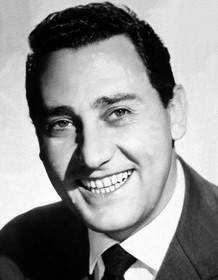
Oreste Jacovacci (Alberto Sordi)
Played by Alberto Sordi
A cautious, initially self-serving conscript who is driven by fear but forms a fragile bond with his comrade Giovanni. He struggles with the urge to protect himself while grappling with the moral implications of their choices. His actions oscillate between pragmatism and loyalty, and he ultimately faces death with a resolve rooted in protecting his friend.
- 🤝 Loyal
- 🗡️ Cautious
- 🧭 Pragmatic
- GB
Giovanni Busacca (Vittorio Gassman)
Played by Vittorio Gassman
Hot-tempered yet capable, he shifts from anger to solidarity as war tightens its grip. His pride and courage push him to confront danger, including humiliating encounters with the enemy, while his loyalty to Oreste sustains their partnership. He shares a fierce dignity even in moments of vulnerability, and his fate mirrors the cost of refusing to surrender to fear.
- 🔥 Bold
- 🤝 Loyal
- 🛡️ Dignified
-
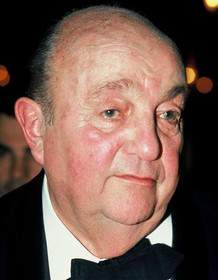
Capitano Castelli (Bernard Blier)
Played by Bernard Blier
A captain in command who presides over the mission and the soldiers’ fate from above the front. He embodies military discipline and practical decision-making under pressure, and his perspective is shaped by the harsh realities of provisioning, strategy, and risk. He remains distant from the intimate sacrifices of his subordinates, unaware of the men’s ultimate fate at the moment of their escape.
- 🎖️ Authority
- 🧭 Duty
-
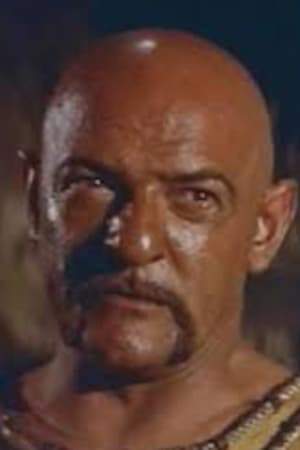
Sergente Barriferri (Livio Lorenzon)
Played by Livio Lorenzon
A seasoned sergeant who stands as a link between higher command and the men on the ground. He embodies the routine, procedural side of war, guiding the troops through training, marches, and the daily grind of front-line duty. His steady presence helps illuminate the soldiers’ shared experience amid the chaos of combat.
- 🪖 Soldier
- 🧭 Loyalty
Where and When Is The Great War Set?
The Great War is set in Italy, Piave River region, Caporetto front and Austro-Hungarian border (1916). Here is why the time and place matter to the story.
When
1916
The narrative begins in 1916, during Italy’s World War I campaigns on the Alpine front. Soldiers train, travel by train to the front, and endure the tense rhythms of frontline duty. The story tracks the mounting pressure, the constant threat of attack, and the eventual clash that defines the Italian struggle on the Piave front.
Where
Italy, Piave River region, Caporetto front, Austro-Hungarian border
The action unfolds on the Italian front of World War I, shifting from a military district to the front lines and outposts near the Piave River. Key sequences take place on trains heading to the front and in the perilous outposts close to enemy lines. The setting underscores the harsh reality of conscripts facing danger, capture, and difficult moral choices in a war that reaches its peak around Caporetto.
- 🏞️ Italian Front
- 🗺️ World War I
- ⚔️ Frontline
What Are the Themes of The Great War?
3 ideas the story keeps returning to, among them Friendship, Duty vs Self-preservation and Sacrifice.
-
01
Friendship
Two very different men start with mistrust but are forcefully bound by shared peril. As they navigate fear and scarce resources, their bond becomes a counterweight to the war’s chaos. The friendship is tested by moral choices under extreme pressure, revealing how comrades can outlast personal cynicism. Ultimately, their loyalty to one another shapes the course of their fate.
-
02
Duty vs Self-preservation
The soldiers are drawn between fulfilling their duties and surviving by any means necessary. The prospect of passing information to the enemy to escape illustrates the conflict between responsibility and self-protection. Choices are framed by fear, pride, and the sense of belonging to a unit under threat. The film uses this tension to explore the fragile line between integrity and expediency in war.
-
03
Sacrifice
The narrative culminates in a collective act of self-denial for the greater good. The characters face execution rather than betray their comrades or their country. Their courage persists in restraint, even as fear threatens to overwhelm them. The ending underscores how sacrifice, even when misunderstood, becomes the war’s quiet, defining moment.
What Kind of Film Is The Great War?
Bittersweet in tone, with steady pacing and a moderate story, going by the plot summary.
- Tone
- Bittersweet
- Pacing
- Steady
- Story
- Moderate
- Intensity
- High
- Ending
- Bittersweet
A grim yet surprisingly human war drama that follows two reluctant soldiers through the claustrophobic terror of trench warfare, culminating in a somber and bittersweet act of quiet heroism.
- grim
- anxious
- melancholic
- tense
- somber
- stoic
- war survival
- unlikely friendship
- cowardice to courage
- world war i
Content notes: war violence, death penalty, battle scenes, military death.
Quiz
How well do you remember The Great War? Test yourself on the story.