What Is The Coldest Game About?
The premise of The Coldest Game in 368 words, with nothing given away. The full story follows below.
In the summer of 1962 Warsaw is a city caught between the iron grip of Soviet influence and the tremor of a world on the brink of nuclear war. The Cuban Missile Crisis hangs heavy in the air, turning every street corner into a silent standoff and every conversation into a potential flashpoint. Against this backdrop, the austere halls of the Palace of Culture and Science become a stage where politics, nerves, and old rivalries collide, setting a mood that crackles with both palpable tension and a lingering, almost cinematic melancholy.
Josh Mansky is a former U.S. chess champion whose reputation for brilliance is matched only by the shadows of his own personal demons. Once celebrated for out‑witting the greatest minds on the board, he now carries the weight of a troubled past and a dependence on alcohol that both dulls and sharpens his perception. When a sudden vacancy forces the American side to seek a replacement for a high‑profile match, Mansky finds himself thrust back into the glare of international scrutiny, a reluctant hero summoned by circumstance rather than ambition.
The heart of the story revolves around a public showdown with the Soviet champion—a duel that is as much about the moving pieces on the board as it is about the invisible forces tugging at each side’s sleeves. Beneath the formalities of the tournament lies an undercurrent of espionage, a covert mission that forces Mansky to navigate a maze of secret agendas, whispered negotiations, and the ever‑present threat of a misstep that could ripple far beyond a single game. The chessboard becomes a metaphor for the larger Cold War chess match, where every decision carries weight far heavier than a simple win or loss.
Stylistically, the film blends the quiet intensity of a classic cerebral thriller with the stark, cold aesthetics of a 1960s espionage drama. The atmosphere is thick with smoke‑filled rooms, hushed conversations, and the ever‑watchful eyes of unseen observers. As Mansky balances his own inner battles with the external pressures of a world on edge, the audience is drawn into a narrative that promises intrigue, psychological depth, and a haunting reminder that sometimes the most dangerous games are the ones played in the shadows.
What Happens in The Coldest Game?
The complete story of The Coldest Game, from the first scene to the last, in 1,164 words (about 5 minutes). Spoilers throughout. Names in the text link to 6 cast member pages.
Spoilers ahead
In 1962, against the backdrop of the Cuban Missile Crisis and the escalating Cold War, the film threads together chess, espionage, and high-stakes diplomacy. The opening image sets the mood with a Grand Master chess match—the American contender exits bloodied but resolute, while the Soviet opponent sits patient and unmoved, hinting at a game far larger than the board.
Seven days earlier, the American chess prodigy is drawn into a perilous plot. The man at the center of the intrigue is Joshua Mansky, a brilliant radiating mind haunted by his past victories. In a poker room, he outplays a string of opponents and brushes off the televised buzz about an upcoming clash between the Soviet champion [Alexander Gavrylov] and the American challenger Konigsberg. His win grants him a modest cut, a reminder that every move carries consequence.
The tension thickens when a poised figure arrives—Agent White—claiming to recognize Mansky as a man who could tip the balance in a clandestine chess war. Mansky brushes her off, but the claim proves true: he is quickly abducted and drugged, pulled into a carefully staged arc of deception. The intelligence hierarchy centers on Donald Novak, the head of the operation, who interrogates Mansky in a secure room, probing the mind that once outplayed a legendary rival years ago.
To influence the Cold War narrative, Mansky is slated to compete in a Warsaw tournament against Gavrylov, since the American Konigsberg has fallen to a Soviet poisoning. The rules of the contest declare Mansky the sole eligible substitute, the last person to beat Gavrylov—an unlikely hero with a tendency toward self-destruction. Mansky, an extreme alcoholic, agrees to the assignment but staggers into a fog of drink. Amphetamines are used to present him as the legitimate replacement, and in the Palace of Culture and Science, he encounters the hotel director and fellow drinker Alfred Slega.
General Krutov, the Soviet counterintelligence chief, offers a hard edge to the mission, insisting that someone must watch over Mansky. The early rounds reveal that Mansky’s brilliance is inextricably linked to his alcoholism: the very substance that could doom him also sharpens certain patterns of thinking when the brain is slowed to a certain rhythm.
The film maps a chessboard of alliances and betrayals. In a tense second game, a hypnotist is employed to blunt Mansky’s thoughts, leading to a concession that unsettles the American camp. Agent White pursues him into the night, but the Soviets press their advantage, threatening his family. In the audience sits John Gift, a Soviet officer who partners with the Americans, adding a dangerous layer of ambiguity to who can be trusted.
Alfred Slega befriends Mansky, working with him through a hidden passage from his wardrobe to the lobby toilets, where alcohol is stashed for the competitor. The red thread of trust extends to Slega’s circle, whose members are sympathetic to American values and disenchanted with Soviet control of Poland.
The following day, Mansky’s room—the Soviet bugged sanctuary—falls under White’s scrutiny. White hints that Gift will approach Mansky, a reliable man in a Soviet uniform with a scar on the back of his hand. The tension escalates when Gift, a high-ranking Soviet officer embedded with the Americans, dies in Mansky’s arms after an apparent poisoning.
Back in the embassy, Agent Stone escorts Mansky for medical reasons and updates him on Cuba, while a third game unfolds as a draw thanks to Mansky’s feigned illness. Gift’s tangled loyalties become a central thread: Stone informs Mansky that an alleged blueprints’ microfilm could be hidden inside a champagne cork, a device meant to slip American intelligence a crucial advantage.
In the fourth game, Mansky’s gaze keeps drifting toward the audience, as if deciphering a hidden pattern. A quiet moment in the lobby toilets unfolds: a cork is slipped into his stall, then Stone appears and urges him to preserve it. The two exit the stall, only to be killed by Gift, who dons a Soviet uniform and reveals his vigilance. From beneath the stall door, Mansky witnesses Gift retrieve a syringe from Stone’s handbag, underscoring the peril that pervades every corner of the hotel.
The dramatic turn reveals the cork as a badge of life and death: Stone’s blood on the cork becomes the opening image that ignites Mansky’s cognitive switch. With alcohol dulling the world, his mind suddenly accelerates, and he calls for a draw. Gavrylov, frustrated by the quick sequences, accepts, and the series stands at 2–2.
As the hotel becomes a battleground of secrets, the US delegation is quarantined, and Mansky retreats to his private room, avoiding the customary social gathering after the match. Slega has smuggled in alcohol through a secret route and, recognizing the fragility of the situation, entrusts Mansky with the red book—a symbol of immunity in Krutov’s eyes and a lifeline in the improvisational chess of espionage.
With a day to spare before the decisive game, Mansky recounts the tale to Novak in a safe room, revealing that Gift killed Stone before she could kill him. Gift’s cork trick—giving Mansky a second cork soaked in Stone’s blood—becomes a cryptic talisman, and Rakirovka, the code word for castling, is whispered as the clock ticks toward catastrophe. The question of trust lingers: does Gift serve American interests or Soviet ones?
Novak weighs the possibilities against a looming blockade and Kennedy’s decision. The scar on Gift’s hand and White’s veil of silence complicate the picture, and Rakirovka becomes a symbol of imminent danger. When Krutov ultimately learns that Kennedy has declared a blockade, he orders a purge for any spy within the ranks and calls for Slega to be brought to him, a scene that ends in coercion and interrogation.
In the fifth and final game, Mansky spots Gift outside the hotel, but the real drama unfolds as a man in a Soviet uniform exits the sewers and leaves the hotel in Mansky’s clothes. Novak intervenes to protect Mansky from Krutov’s punitive reach, invoking diplomatic immunity, and Mansky forfeits the final game, allowing Gavrylov to claim victory.
As Novak escorts Mansky back to the United States, the world’s gaze shifts to the delicate balance between pride and responsibility. Mansky is hailed as a citizen hero, a figure whose actions averted nuclear catastrophe, and he receives a measure of protection and a hip flask as a token of gratitude. Yet Gift arrives with Slega’s red book, and Mansky realizes that the web of secrets remains uncomfortably tangled.
The diplomatic tension eases into a tentative peace: the United States and the Soviet Union steer toward de-escalation, laying groundwork for arms-control dialogues that echo into later decades, such as the INF Treaty and Eastern Bloc disarmament in the aftermath of broader upheavals. The epilogue leaps forward to 2019, where a new generation contends with the shadows of the old chessboard as [Donald Trump] and Vladimir Putin announce the suspension of the INF treaty and the pursuit of new missile programs, a reminder that the game of power endures beyond any single era.
The Coldest Game Timeline: Every Key Event in Order
14 key events in the order they happen, from “Opening Grand Master Match Foretells a Bigger Game” to “Epilogue: 2019 Reflections on the INF Chessboard”. 13 events name a place, across 13 locations.
- 1
Opening Grand Master Match Foretells a Bigger Game
In the opening scene, the American Grand Master faces the Soviet opponent. The American is bloodied yet resolute, while the Soviet sits patient and unmoved, signaling that the match is about more than a single game. The mood foreshadows a high-stakes chess war between nations.
When:Opening scene
- 2
Seven Days Earlier: Mansky Drawn Into a Hidden War
In a bustling poker room, Mansky outplays a string of opponents and earns a modest cut, drawing attention from those who sense his potential. Rumors swirl about a coming clash between Gavrylov and Konigsberg, but Mansky’s ascent stands apart. Agent White arrives, claiming Mansky could tip the balance in a clandestine chess war.
When:Seven days before tournament Where:Poker room, unknown city
- 3
Abduction and Interrogation Begin
Agent White abducts Mansky and drugs him, pulling him into a carefully staged arc of deception. In a secure room, Donald Novak interrogates the brilliant mind that once outplayed a legendary rival. The operation centers on shaping Mansky for the games to come.
When:Immediately after abduction Where:Secure interrogation room
- 4
Substitution and Warsaw Tournament Setup
Mansky is designated as the sole eligible substitute for the Warsaw tournament after Konigsberg falls to poisoning, a lifetime-tinged twist of fate. He staggers into a fog of drink, aided by amphetamines to present him as the legitimate replacement. In the Palace of Culture and Science, he meets Alfred Slega, a fellow drinker who becomes an ally.
When:Lead-up to Warsaw tournament Where:Palace of Culture and Science, Warsaw
- 5
Krutov Oversees Mansky and Reveals the Mind-Drink Link
General Krutov, the Soviet counterintelligence chief, orders that someone watch over Mansky, tightening the net around him. Early rounds reveal that Mansky’s brilliance is inextricably linked to his alcoholism, a pattern that can sharpen or destroy his thinking. The tension tightens as loyalties blur across the room.
When:Early rounds Where:Warsaw tournament venue
- 6
Second Game: Hypnosis and Pursuit
A hypnotist is employed to blunt Mansky’s thoughts, provoking a concession that unsettles the American camp. Agent White pursues the beleaguered player into the night while the Soviets threaten his family. The stage is set for a deeper gamble in the games to come.
When:Second game Where:Hotel and surrounding streets
- 7
Slega’s Ally Network and Hidden Alcohol
Alfred Slega befriends Mansky and helps him through a hidden passage that carries alcohol to his room, extending a fragile lifeline. Slega’s circle comprises allies sympathetic to American values, offering a glimmer of resistance against Soviet control. Trust threads through a dangerous web.
When:Between games 2 and 3 Where:Slega’s network, hotel vicinity
- 8
Bugged Room and Gift’s Death
Mansky’s room—the Soviet bugged sanctuary—falls under White’s scrutiny. Gift, a high-ranking Soviet officer embedded with the Americans, dies in Mansky’s arms after an apparent poisoning. Stone’s updates about Cuba and blueprints fuse together in the shifting chessboard.
When:Following the room bug Where:Mansky’s hotel room
- 9
Fourth Game: Cork, Stone, and a Killer In Disguise
In the lobby toilets, a cork is slipped into Mansky’s stall, while Stone urges him to preserve it as a clue. A masked Gift, in a Soviet uniform, emerges and kills Stone, then retrieves a syringe from her handbag, underscoring how danger hides in plain sight. The room echoes with the tension of espionage beneath the chess.
When:Fourth game Where:Hotel lobby and stalls
- 10
Cork as Talisman and a Draw
The cork carries Stone’s blood and becomes the emblem of a cognitive switch that speeds Mansky’s thinking when alcohol dulls the world. He calls for a draw, leaving Gavrylov to accept a 2-2 tie after tense sequences. The mental shift redefines the match’s rhythm.
When:During fourth game Where:Hotel
Show the other 4 events of The Coldest Game Hide the last 4 events
- 11
Fifth Game: Sewer Exit and Immunity Scene
Mansky spots Gift outside the hotel, but the real drama occurs as a man in a Soviet uniform exits the sewers and leaves the hotel in Mansky’s clothes. Novak intervenes to shield him with diplomatic immunity, and Mansky forfeits the final game to Gavrylov. The intrigue deepens as loyalties blur and the chessboard mirrors the cold war.
When:Fifth game Where:Hotel and sewers area
- 12
Aftermath: A Hero Returns, Yet Secrets Persist
Mansky is hailed as a citizen hero for averting nuclear catastrophe as he escorts back to the United States. Gift arrives with Slega’s red book, signaling that a web of secrets remains tangled beneath the victory. Diplomacy may ease tensions, but the shadows linger.
When:Post-tournament Where:United States embassy
- 13
Cold War Tension and Paths to De-escation
The United States and the Soviet Union steer toward de-escalation as Kennedy’s blockade looms and a pause in hostilities spreads. The chess-like maneuvering influences the early threads of arms-control dialogues that echo into later decades.
When:Immediate aftermath Where:Washington and Moscow corridors
- 14
Epilogue: 2019 Reflections on the INF Chessboard
The film jumps to 2019 where Donald Trump and Vladimir Putin announce the suspension of the INF treaty and pivot to new missile programs. The chessboard of power endures beyond one era, reminding viewers that global risk persists. The story’s last echo is that strategy outlives leadership.
When:2019 Where:Global stage
Who Are the Main Characters in The Coldest Game?
11 characters, among them Joshua Mansky (Bill Pullman), Donald Novak (Corey Johnson) and Alexander Gavrylov: who each one is and the part they play in the story. 10 of them link to the actor’s page.
-
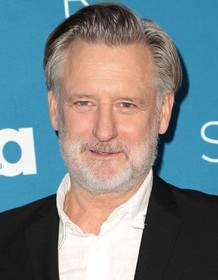
Joshua Mansky (Bill Pullman)
Played by Bill Pullman
A brilliant mathematician and former chess champion whose extreme alcoholism both sharpens and hinders his genius. He is recruited as a substitute to defeat the Soviet rival, navigating a gauntlet of surveillance, manipulation, and personal demons. His resilience and stubborn independence drive his actions as he balances intellect with fragility under pressure.
- 🧠 genius
- 🥃 alcoholic
- 🕵️♂️ resilient
-
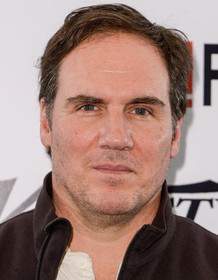
Donald Novak (Corey Johnson)
Played by Corey Johnson
Head of the American operation in Warsaw, Novak is a cautious and strategic diplomat who must decide whether to trigger a Cuba blockade. He relies on limited intelligence and fragile trust to guide Mansky through a dangerous political game. His decisions carry enormous implications for national security and international diplomacy.
- 🧭 leadership
- 🧠 strategist
- 🛡️ responsibility
- AG
Alexander Gavrylov
Soviet chess champion and rival to Mansky, whose prowess on the board mirrors his political cunning. He embodies the disciplined, relentless opponent who tests Mansky’s limits under pressure. The psychological duel between them underscores the broader clash of ideologies.
- ♟️ chess
- 🧠 rival
- 🗡️ power
- JG
John Gift (Cezary Kosiński)
Played by Cezary Kosiński
A high-ranking Soviet officer and spy whose only contact was Agent White. Gift orchestrates the concealed layer of the game, delivering crucial information and executing double-crosses to safeguard Soviet interests. His ruthlessness and strategic planning complicate Mansky’s quest and the broader political stakes.
- 🕵️ espionage
- 🗡️ ruthless
- 🔎 strategist
- AS
Agent Stone (Lotte Verbeek)
Played by Lotte Verbeek
A American intelligence operative who guides Mansky and provides crucial briefings about Cuba. She works to shield him from Soviet manipulation while navigating a web of loyalties. Her fate intertwines with the political chessboard as she becomes a key, but ultimately compromised, ally.
- 🧭 protector
- 🗣️ communicator
- 🛡️ ally
- AS
Alfred Slega (Robert Więckiewicz)
Played by Robert Więckiewicz
Hotel director and unexpected ally who befriends Mansky. A heavy drinker himself, Slega quietly helps Mansky by smuggling in alcohol and guiding him through the hotel’s hidden passages. He carries a red communist membership book that provides immunity, highlighting his uneasy position within the geopolitical game.
- 🤝 ally
- 🍸 drinker
- 🧭 guide
- GK
General Krutov (Aleksey Serebryakov)
Played by Aleksey Serebryakov
Soviet counterintelligence figure who views the Warsaw setting as a continuation of occupation and exerts control over the events. He seeks to suppress dissent, manipulate Poland’s political landscape, and ensure the Soviet position remains dominant. His presence anchors the film’s portrayal of power within the bloc.
- 🗺️ geopolitics
- 🛡️ authority
- 🗡️ intimidation
- JG
Jurij Gawryłow (Evgeniy Sidikhin)
Played by Evgeniy Sidikhin
A Soviet operative associated with Gavrylov’s circle, his role in the tournament and information exchange positions him at the center of the espionage network. He embodies the calculated, dangerous side of the Cold War chess match where every move asks questions about allegiance.
- ♟️ chess
- 🕵️♂️ spy
- 🧭 influence
-

Bartender Gienia (Magdalena Boczarska)
Played by Magdalena Boczarska
Bartender who serves drinks at social gatherings and functions as part of the hotel’s social ecosystem. While not a central figure, she represents the everyday backdrop against which the geopolitical drama unfolds. Her presence underscores the film’s theme of ordinary life intersecting with extraordinary power plays.
- 🍹 bartender
- 🗺️ witness
- 🪶 background
- AK
Adjutant Krutowa (Aleksandr Lobanov)
Played by Aleksandr Lobanov
Aide to General Krutov who supports the Soviet leadership’s operations within the hotel and tournament context. His role emphasizes the mechanistic side of the espionage apparatus, acting within the hierarchy to advance strategic goals. He is a connector within the Cold War’s internal machinery.
- 🧭 aide
- 🗃️ intelligence
- PP
Policjant przy blokadzie drogi (Marcin Juchniewicz)
Played by Marcin Juchniewicz
A roadblock officer who appears in the film’s tense moments, illustrating how ordinary authorities become instruments within a larger political game. He helps convey the sense of a monitored, controlled environment where even civilians are pulled into the conflict.
- 🚔 police
- 🛑 blockade
Where and When Is The Coldest Game Set?
The Coldest Game is set in Warsaw, Palace of Culture and Science, Poland (1962). Here is why the time and place matter to the story.
When
1962
Set during the Cuban Missile Crisis and the height of the Cold War, 1962 is marked by political paranoia and global standoff. The Warsaw chess tournament serves as a microcosm of international power plays. Tensions rise as information and loyalties become as volatile as the nuclear threat looming over the era.
Where
Warsaw, Palace of Culture and Science, Poland
The events unfold in wartime Warsaw, centered around the Palace of Culture and Science. The city’s hotels, bars, and hidden passageways become a chessboard of political maneuvering. The surrounding atmosphere reflects East-West tension, with public spaces masking a web of espionage and covert operations.
- 🏙️ City
- 🕰️ Cold War era
What Are the Themes of The Coldest Game?
4 ideas the story keeps returning to, among them Espionage, Nuclear Tension and Addiction.
-
01
Espionage
The story is built on a labyrinth of spies, double agents, and intelligence maneuvers. Characters maneuver through a carefully constructed game where truth is scarce and misdirection is a tool. Trust is fragile as each party weighs who to believe and what information to reveal.
-
02
Nuclear Tension
The plot pivots on the threat of nuclear war and the race to control critical weapon blueprints. Every decision carries the weight of potential catastrophe, pushing characters to act quickly yet cautiously. The chess match becomes a metaphor for imminent, world-shaking choices.
-
03
Addiction
Mansky’s alcoholism is both a liability and a strange advantage, shaping perception and performance under pressure. The drink serves as a coping mechanism and a vulnerability that adversaries may exploit. The film explores how personal demons intersect with high-stakes geopolitics.
-
04
Chess as Warfare
Chess is used as a literal and symbolic battlefield where strategy, psychology, and timing decide outcomes. The players’ moves mirror real-world leverage, and the possibility of draws or decisive wins mirrors political brinkmanship. The game becomes a language for negotiating power and trust.
What Kind of Film Is The Coldest Game?
Tense in tone, with steady pacing and a moderate story, going by the plot summary.
- Tone
- Tense
- Pacing
- Steady
- Story
- Moderate
- Intensity
- High
- Ending
- Bittersweet
A steadily paced and intensely paranoid Cold War thriller that uses a high-stakes chess tournament as the backdrop for a web of espionage, creating a claustrophobic and anxious atmosphere where trust is a luxury.
- tense
- anxious
- claustrophobic
- melancholic
- suspenseful
- paranoid
- cold war
- espionage
- chess
- alcoholism
Content notes: kidnapping, poisoning, psychological manipulation, alcoholism.
Quiz
How well do you remember The Coldest Game? Test yourself on the story.