What Is The Kremlin Letter About?
The premise of The Kremlin Letter in 311 words, with nothing given away. The full story follows below.
In the fraught atmosphere of the late 1960s, the fragile balance of super‑power politics teeters on the edge of catastrophe. A single, misdirected envelope—purportedly confirming U.S. backing for a Russian strike against China—has the potential to ignite a global conflagration. The world watches Moscow’s corridors of power grow ever more paranoid, while distant capitals scramble to contain the fallout of a document that could rewrite the rules of engagement before it even reaches the right hands.
Enter Charles Rone, a former United States Navy intelligence officer whose experience in covert operations has left him both skilled and wary. Haunted by the possibility that a single piece of paper might launch World War III, he is drawn back into the shadowy realm he thought he had left behind. Determined to prevent disaster, Rone begins to assemble a discreet team capable of navigating the treacherous underworld of espionage and diplomacy.
Among his recruits are the enigmatic The Highwayman, a grizzled veteran of a World War II spy network who still commands respect in clandestine circles; Janis, a street‑wise operator with connections that stretch from illegal markets to hidden alcoves of power; The Warlock, a cultured and charismatic figure whose sophistication masks a razor‑sharp intellect; and B.A., a resourceful thief whose skills complement the group’s unconventional tactics. Each brings a distinct flavor to the mission, creating a volatile mix of loyalty, secrecy, and eccentricity that fuels both tension and dark humor.
As Rone and his disparate allies prepare to retrieve the incriminating document, they find themselves caught in a web of political maneuvering. A shrewd politician, aware of the delicate equilibrium, threatens to upend their covert hideout, forcing the team to confront forces far larger than any one envelope. The mood is one of razor‑edge suspense, where every whispered conversation could tip the scales, and the line between ally and adversary remains tantalizingly blurred.
What Happens in The Kremlin Letter?
The complete story of The Kremlin Letter, from the first scene to the last, in 696 words (about 3 minutes). Spoilers throughout. Names in the text link to 6 cast member pages.
Spoilers ahead
In 1969, The Highwayman, Dean Jagger, a seasoned member of an old World War II spy network, recruits Charles Rone, Patrick O’Neal, a young United States Navy intelligence officer, for a perilous mission. He assembles a tight, uneasy crew: Janis, Nigel Green, a drug dealer and pimp; The Warlock, George Sanders, a culturally sophisticated homosexual; and B.A., Barbara Parkins , a thief. Together they aim to retrieve a letter written without proper authorization that promises United States aid to the Soviet Union in destroying Chinese atomic weapons plants. The letter had been solicited on behalf of a high-level Soviet official by a man named Dmitri Polyakov, who had previously sold Soviet secrets to the U.S. that he had obtained from the official. When U.S. and British authorities learn of the letter, they arrange to buy it back from Polyakov, but he later commits suicide after being apprehended by Soviet counterintelligence, under the direction of Colonel Kosnov, Max von Sydow.
To secure the operation, the group blackmails Captain Potkin, the Soviet head of counterintelligence in the U.S., threatening his family in order to gain use of his vacant Moscow apartment. Once they reach the Soviet Union, the terminally ill Highwayman sacrifices his life to divert the attention of Soviet counterintelligence away from his teammates. To identify Polyakov’s contact, Janis teams up with a brothel operator who mentions a Chinese spy known as “The Kitai” as a possible source for names of officials and others to whom he can sell heroin, with which Janis already plans to keep the prostitutes addicted. Meanwhile, The Warlock infiltrates a circle of intellectual homosexuals and begins an affair with a university professor; one of the professor’s students was Polyakov’s former lover, who claims Polyakov had a relationship with Vladimir Bresnavitch of the Soviet Central Committee.
Years earlier, Bresnavitch had sought to oust Kosnov in favor of Robert Sturdevant, a primary operator from The Highwayman’s old group. Kosnov and Sturdevant had previously trusted each other to authorize agents across their territories, but Bresnavitch’s pressure pushes Kosnov to pull off something spectacular to save his position. He betrays Sturdevant’s trust, capturing his agents and earning Sturdevant’s enmity; Sturdevant eventually disappears, presumed to have killed himself. Bresnavitch had used Polyakov to fence stolen artworks in Paris, and Ward, an old partner of The Highwayman and a member of Rone’s current crew, travels there to pursue leads. On the morning of his return, Potkin reaches the Soviet Union and informs Bresnavitch about Rone’s operation.
As tension escalates, Janis, B.A., and Ward are captured, while The Warlock takes his own life before capture. Rone escapes and goes to the Kitai to arrange a re-purchase of the letter, only to be met with an attempt on his life by the Kitai, revealing that the Chinese possess the letter. Desperate, Rone turns to Erika Beck, the wife of Kosnov, with whom he has been involved, and discovers that Bresnavitch orchestrated the raid without the knowledge of Soviet counterintelligence, indicating Bresnavitch’s role as Polyakov’s traitorous contact. Rone vows to help Erika escape to the West, and she later informs him that B.A. has taken poison and is expected to die.
Rone’s leverage grows when he threatens to expose Bresnavitch unless Ward is released. Bresnavitch concedes, and Rone and Ward plan to depart the next day. But Ward, disapproving of Erika’s fate and Rone’s plan to aid her, kills Erika. He then confronts Kosnov, listing the names of agents betrayed by Kosnov, signaling retribution, and shoots Kosnov in the kneecap. Kosnov screams in pain as Ward closes in.
As they race toward a plane, Rone reveals a startling conclusion: Ward is actually Robert Sturdevant, intent on staying and having struck a deal with Bresnavitch to take over as the head of Soviet counterintelligence. Ward finally confirms that B.A. is alive and offers to secure her release in exchange for a favor, slipping Rone a dire note:
Kill Potkin’s wife and daughters or I kill the girl.
In the end, the web of loyalties, betrayals, and strategic moves leaves the players fractured, each maneuvering toward a fragile future in which trust is scarce and the cost of survival can be ruinously high.
The Kremlin Letter Timeline: Every Key Event in Order
15 key events in the order they happen, from “Recruitment and formation of the team” to “Revelations at the edge of departure”. 11 events name a place, across 10 locations.
- 1
Recruitment and formation of the team
In 1969, The Highwayman recruits Charles Rone and four new operatives for a covert operation. The recruits are Janis, 'The Whore'; The Warlock; and B.A., a thief. They form a tight-knit team drawn from a shadowy postwar network to retrieve a dangerous letter.
When:1969
- 2
The letter's origin and the high-stakes payoff
The letter promises United States aid to the Soviet Union to destroy Chinese atomic weapons plants. It is solicited by a high-level Soviet official through Dmitri Polyakov, who has sold Soviet secrets to the U.S. In response, U.S. and British authorities plan to buy back the letter, but Polyakov dies under pressure from Soviet counterintelligence led by Colonel Kosnov.
- 3
Blackmail to secure a Moscow safehouse
To secure a vacant apartment in Moscow, the team blackmails Captain Potkin, the Soviet head of counterintelligence in the U.S. They threaten his family to coerce permission for the use of his Moscow residence. Potkin agrees to cooperate, effectively providing a base for their operation inside the Soviet Union.
Where:Moscow
- 4
Entrance to the Soviet Union and the Highwayman's sacrifice
The team arrives in the Soviet Union to begin the operation. The Highwayman, terminally ill, sacrifices his life to divert the attention of Soviet counterintelligence away from the rest of the group. His death clears the path for the mission but marks a turning point in the operation.
Where:Soviet Union
- 5
Janis pursues a Kitai lead via a brothel network
Janis partners with a brothel operator who hints at a Chinese spy known as 'The Kitai' as a potential source for names of officials and others to whom he can sell heroin. Janis plans to keep prostitutes addicted to ensure control and leverage. This pursuit widens the web around the letter and its contacts.
- 6
Warlock infiltrates an intellectual circle
The Warlock integrates into a community of intellectual homosexuals and begins an affair with a university professor. One of the professor's students reveals Polyakov had a relationship with Vladimir Bresnavitch, tying Polyakov to high-level Soviet connections. The infiltration expands the network surrounding the letter.
Where:Academic circles
- 7
Bresnavitch vs. Kosnov: the old guard fractures
Years earlier, Bresnavitch sought to oust Kosnov in favor of Robert Sturdevant, a primary operator in The Highwayman's old group. Kosnov betrays Sturdevant to protect his own position, and Sturdevant disappears, presumed dead or driven to suicide. The rivalries set the stage for later betrayals connected to the letter.
When:Years before Where:Soviet counterintelligence world
- 8
Paris connections: Bresnavitch, Polyakov and Ward
Bresnavitch used Polyakov to fence stolen artworks in Paris, and Ward travels there to follow leads. The Paris detour draws Ward deeper into the net of double-crosses behind the letter. This detour widens the search beyond the initial operation.
When:Years earlier Where:Paris
- 9
USSR raid begins: Potkin informs Bresnavitch
On the day of the operation, Potkin reaches the Soviet Union and informs Bresnavitch about Rone's plan. Janis, B.A., and Ward are apprehended, while Warlock commits suicide rather than be captured. Rone escapes and attempts to arrange a re-purchase of the letter with the Kitai, who responds with hostility.
Where:Soviet Union
- 10
The Kitai encounter: the letter is in Chinese hands
Rone tries to bargain with the Kitai to repurchase the letter, but the Chinese spy attacks him. Rone deduces that the Kitai and his network hold the letter, not his allies. The confrontation reveals the scale of the Chinese involvement in the operation.
Where:Kitai's location
Show the other 5 events of The Kremlin Letter Hide the last 5 events
- 11
Erika Beck reveals Bresnavitch's machinations
Rone turns to Erika Beck, Kosnov's wife, with whom he has been having an affair. Erika later reports that B.A. has taken poison and is expected to die. Rone realizes Bresnavitch orchestrated the raid without Kosnov's knowledge, signaling Bresnavitch as Polyakov's traitorous Soviet official contact.
Where:Erika Beck's residence
- 12
Rone presses for Ward's release
Rone threatens to expose Bresnavitch unless Ward is released. Bresnavitch agrees, attempting to preserve his own position in the web of counterintelligence. The confrontation tests loyalties among the surviving operatives.
- 13
Erika is killed by Ward
Ward proceeds to eliminate Erika Beck by shooting her after Bresnavitch's agreement to release him. The killing removes a potential complicating factor for Ward and deepens the rift between the protagonists.
Where:Somewhere in the operation area
- 14
Ward cripples Kosnov and the power shift begins
Ward confronts Kosnov and begins listing agents betrayed by Kosnov, then shoots Kosnov in the kneecap. Kosnov's scream signals the collapse of his control and the destabilization of the counterintelligence machinery around the mission.
Where:Kosnov's location
- 15
Revelations at the edge of departure
While heading for a plane to leave the country, Rone learns that Ward is actually Sturdevant and intends to stay, having struck a deal with Bresnavitch to lead counterintelligence. Ward then reveals that B.A. is alive and hands Rone a note threatening Potkin's family as a coercive bargain: 'Kill Potkin's wife and daughters or I kill the girl.'
Where:On the way to departure
Who Are the Main Characters in The Kremlin Letter?
10 characters, among them Bresnavitch (Orson Welles), Charles Rone (Patrick O'Neal) and The Warlock (George Sanders): who each one is and the part they play in the story. Every profile links to the actor’s page.
-
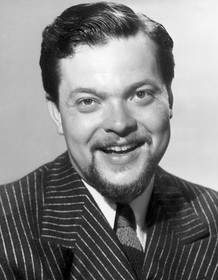
Bresnavitch (Orson Welles)
Played by Orson Welles
A calculating, aging mastermind who engineers cross-border schemes and leverages Polyakov’s secrets. His desire to protect his position leads to dramatic machinations and a willingness to sacrifice others to maintain influence. He embodies the era’s archetype of a shadowy power broker whose true loyalties are never fully certain.
- 🧭 Mastermind
- CR
Charles Rone (Patrick O'Neal)
Played by Patrick O'Neal
A young United States Navy intelligence officer recruited into a high-stakes operation. He embodies the tension between duty and moral compromise as he navigates alliances and dangerous information. Rone drives the narrative forward with a blend of competence and wary skepticism.
- 🛡️ Protagonist
-
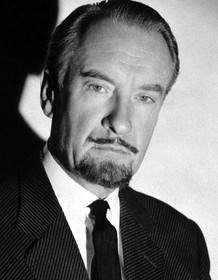
The Warlock (George Sanders)
Played by George Sanders
A culturally sophisticated homosexual spy who integrates into a community of intellectuals and forms connections that unravel as the plot thickens. He embodies the era’s hidden networks and the personal costs of espionage. His arc culminates in a tragic act of self-destruction to avoid capture.
- 🎭 Complex Identity
-

Erika Kosnov (Bibi Andersson)
Played by Bibi Andersson
Wife of Colonel Kosnov who becomes entangled with Rone. Her liaison with Rone and knowledge of internal betrayals complicate loyalties and add a human dimension to political intrigue. She ultimately becomes a pivotal figure whose choices affect the operation’s resolution.
- 💑 Forbidden Affection
- BA
B. A. (Barbara Parkins)
Played by Barbara Parkins
A thief within the operative group who becomes entangled in the scheme and is later poisoned, signaling the high human cost of the espionage game. She represents the collateral damage that often accompanies covert operations. Her fate underscores the ruthlessness of the world the characters inhabit.
- 🗝️ Resourceful
- CP
Captain Potkin (Ronald Radd)
Played by Ronald Radd
Soviet head of counterintelligence in the United States who becomes a focal point of leverage for the group. His position makes him a crucial gatekeeper of access to the Moscow apartment used in the operation. He embodies the high-stakes pressure points in Cold War espionage.
- 🧩 International Intrigue
-
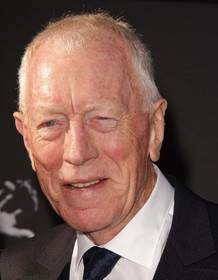
Colonel Kosnov (Max von Sydow)
Played by Max von Sydow
Senior Soviet counterintelligence official whose career arc intersects with Bresnavitch’s schemes. His trust is tested as betrayals unfold, culminating in a dramatic confrontation. Kosnov’s responses reveal the vulnerabilities of seemingly ironclad authority.
- ⚔️ Power Struggle
- TK
The Kitai (Anthony Chinn)
Played by Anthony Chinn
A Chinese spy known as The Kitai, valued for supplying names of officials and others for the heroin network. His presence marks the international reach of the letter’s significance and the volatility of cross-border intelligence. He responds with violence when pressed to purchase the letter again.
- 🔎 Informant
-
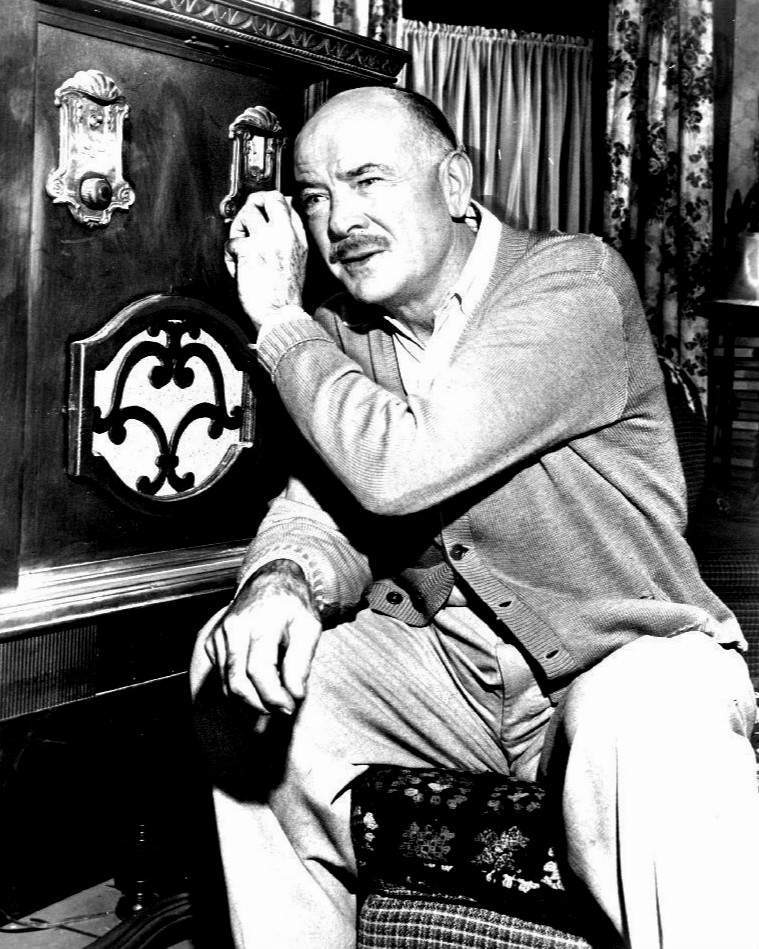
The Highwayman (Dean Jagger)
Played by Dean Jagger
Leader of the old community of spies who sacrifices himself to divert counterintelligence attention away from the team. His selfless act marks a climactic moment in the mission’s arc. His terminal illness juxtaposes the fragility of life with the high demands of espionage.
- 🛡️ Sacrifice
- W(
Ward (Richard Boone)
Played by Richard Boone
Old partner of The Highwayman and a key operative who later reveals a dramatic identity twist. His actions escalate the plot toward a final confrontation and expose deeper loyalties. He embodies the complexity of allegiance within the spy network, culminating in pivotal choices.
- 🗡️ Deception
Where and When Is The Kremlin Letter Set?
The Kremlin Letter is set in United States, Moscow and Soviet Union (1969). Here is why the time and place matter to the story.
When
1969
The story unfolds in the late 1960s, a period defined by intense US-Soviet rivalry and secret operations. 1969 supplies the backdrop for high-stakes espionage and shifting loyalties. The era’s paranoia and political intrigue color every decision made by the characters as they navigate a dangerous game of cat and mouse. The plot hinges on a compromised letter whose significance is amplified by the ongoing Cold War context.
Where
United States, Moscow, Soviet Union
Locations span the United States and the Soviet Union, including a vacant Moscow apartment used by counterintelligence. The United States serves as the starting point for recruitment and planning, while Moscow provides the center of Soviet counterintelligence operations. The film uses these settings to depict a tense Cold War espionage landscape.
- 🗺️ International Settings
- 🕵️ Espionage
- ❄️ Cold War
What Are the Themes of The Kremlin Letter?
3 ideas the story keeps returning to, among them Betrayal and Trust, Identity and Secrecy and Power and Control.
-
01
Betrayal and Trust
Betrayal drives the plot as Bresnavitch manipulates others to safeguard his position, and Ward’s ultimate reveal upends the game's balance. The group’s trust frays under pressure, with allies turning into obstacles and enemies exploiting weaknesses. The pursuit of the letter exposes how personal loyalties are weaponized in a web of double-crosses. The tense atmosphere hinges on who can be trusted when lives and families hang in the balance.
-
02
Identity and Secrecy
Characters hide true motives behind façades—The Warlock’s cultural persona, Janis’s prostitution network, and Bresnavitch’s public demeanor mask deeper agendas. The story probes how identity is performed in espionage, where revealing one’s hand can be fatal. Relationships blur with manipulation, complicating who truly controls the information at stake. Secrecy becomes both shield and weapon, shaping every escalating confrontation.
-
03
Power and Control
The Kremlin Letter centers on a game of power between rival intelligence figures, where control over information translates into real-world influence. Bresnavitch’s manipulations pit him against Kosnov, revealing the fragility of authority within the spy world. The pursuit of the letter is less about its content and more about who wields influence over nations. The narrative turns on strategic moves, betrayals, and the high price of political advantage.
What Kind of Film Is The Kremlin Letter?
Dark in tone, with fast pacing and a very complex story, going by the plot summary.
- Tone
- Dark
- Pacing
- Fast
- Story
- Very complex
- Intensity
- High
- Ending
- Bleak
A relentlessly tense and morally murky Cold War thriller that plunges viewers into a labyrinth of double-crosses and psychological warfare, culminating in a bleak and ruthless ending.
- tense
- paranoid
- cold war cynicism
- claustrophobic
- treacherous
- morally grey
- espionage
- political conspiracy
- betrayal
- cold war intrigue
Content notes: suicide, murder, blackmail, psychological manipulation, drug addiction exploitation.
Quiz
How well do you remember The Kremlin Letter? Test yourself on the story.