What Is The Burial About?
The premise of The Burial in 282 words, with nothing given away. The full story and the ending follow below.
In a tightly knit Mississippi community where family traditions run as deep as the soil, the funeral home stands as both a business and a place of reverence. The town’s quiet rhythms are underscored by a looming legal storm that threatens to upend the lives of those who have built their identities around service and respect. The atmosphere is a blend of Southern charm and simmering tension, a backdrop that makes every conversation feel weighted with history and possibility.
Jeremiah O’Keefe is a veteran of the industry, a man whose reputation is built on decades of steady stewardship of his funeral home. When an aggressive lawsuit threatens to strip him of his livelihood, he finds himself confronting forces far larger than the modest enterprise he has nurtured. His world, once defined by the dignity of his work, is suddenly cast into the stark arena of corporate power and legal maneuvering.
Enter Willie E. Gary, a charismatic and sharp-witted attorney whose reputation for taking on daunting cases precedes him. Paired with the insightful, younger counsel Hal Dockins, the duo forms an unlikely alliance with Jeremiah. Their partnership is a study in contrast—grit meets flair, local know‑how meets high‑stakes litigation—yet both are driven by a shared resolve to challenge an imposing corporate adversary and expose deeper currents of racial injustice.
The film’s tone balances the gravity of a David‑versus‑Goliath courtroom drama with moments of unexpected camaraderie and quiet introspection. As the legal battle unfolds, the characters navigate personal histories, community expectations, and the unsettling realization that the conflict is about more than a single case—it is a fight for dignity, redemption, and a chance to rewrite the rules that have long governed their world.
What Happens in The Burial?
The complete story of The Burial, from the first scene to the last, in 353 words (about 2 minutes). Spoilers throughout. Names in the text link to 1 cast member page.
Spoilers ahead
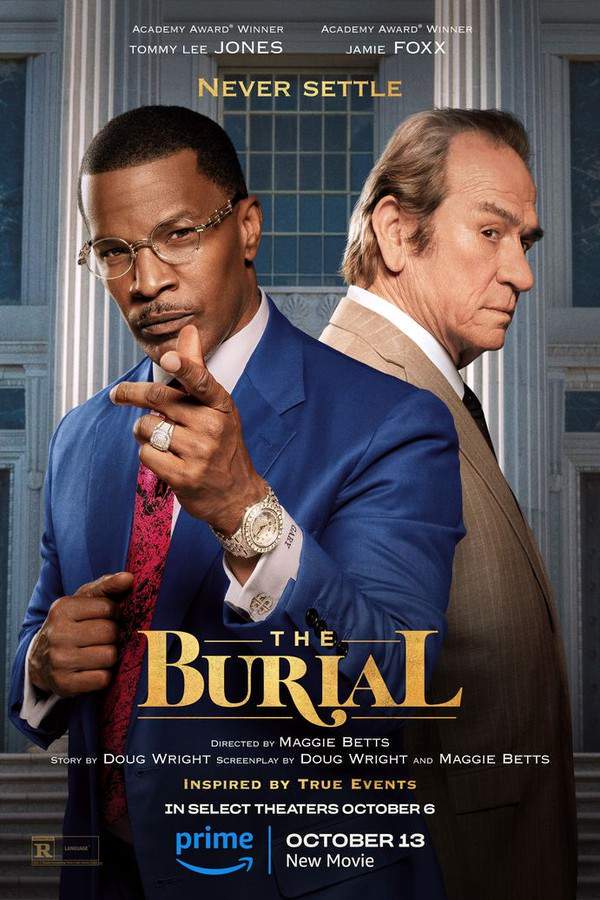
In 1995, a financially troubled funeral home owner Jeremiah O’Keefe, Tommy Lee Jones, is forced to sell parts of his business to meet the demands of the Mississippi State Insurance Commission after money vanishes in a Ponzi scheme run by a business associate. He strikes a deal with Raymond Loewen of the Loewen Group to buy three funeral homes, on the strict condition that funeral insurance not be sold to settle the arrangement. Four months pass and Loewen still delays payment, never honoring the oral agreement about not selling funeral insurance.
His young lawyer Hal Dockins [Mamoudou Athie] suggests Loewen is deliberately trying to push O’Keefe into bankruptcy to seize the entire business at a discount. Enraged, O’Keefe hires Willie E. Gary, a flashy Florida personal injury lawyer [Jamie Foxx], convinced that his white contract lawyer will struggle to win a black jury. Gary pushes for a potential settlement as high as $100 million and even remortgages his own home to fund the fight. In response, Loewen assembles a black attorney team led by Mame Downes [Jurnee Smollett], hoping to counter Gary’s bold strategy.
In court, Downes questions O’Keefe’s character and underscores his financial troubles stemming from dealings with a now-convicted felon. Feeling the pressure, O’Keefe replaces Gary with Mike Allred [Alan Ruck] as lead attorney. Dockins presents a credible witness who accuses Loewen of overcharging minority communities, while Downes scrutinizes Allred and reveals that his grandfather was a Ku Klux Klan member. When Gary stands up for Allred, the black legal team walks out in protest, convinced the defense is compromised and could not win under that leadership.
Just as O’Keefe contemplates dropping the case, Dockins uncovers a link to the National Baptist Church, showing that the Loewen Group exploited church members to push overpriced packages. Confronted with this evidence and Loewen’s lack of remorse, the jury sides with O’Keefe, awarding him $500 million in damages—$100 million in compensatory damages and $400 million in punitive damages. Two years later, Ray Loewen is fired and the company goes into bankruptcy. After the closing credits, Willie E. Gary makes a cameo appearance in person.
The Burial Timeline: Every Key Event in Order
11 key events in the order they happen, from “O'Keefe's financial crisis and the sale agreement” to “Cameo by Willie E. Gary”. 11 events name a place, across 3 locations.
- 1
O'Keefe's financial crisis and the sale agreement
In 1995, funeral home owner Jeremiah O'Keefe faces severe financial pressure after losses from a Ponzi scheme and demands from the Mississippi State Insurance Commission. He enters a contract with the Loewen Group to sell three funeral homes, insisting that Loewen not sell funeral insurance as part of the deal. The move aims to stave off bankruptcy and preserve his business.
When:1995 Where:Mississippi
- 2
Loewen delays payment and ignores the oral agreement
Four months after signing, the Loewen Group delays payment for the purchase and does not honor the oral agreement not to sell funeral insurance. O'Keefe's hope to secure his business begins to fade as the deal's terms crumble and financial strain mounts.
When:Four months after signing (1995–1996) Where:Mississippi
- 3
O'Keefe hires Willie E. Gary and funds the defense
An enraged O'Keefe hires Willie E. Gary, a flamboyant Florida personal injury lawyer, after Dockins suggests a different approach to win over a presumably black jury. To pay for Gary's services, O'Keefe remortgages his home. The switch signals a new, high-stakes legal battle ahead.
When:Late 1990s (after four months from contract) Where:Mississippi
- 4
Loewen counters with a black-led defense team
Loewen counters with a black-led legal team fronted by Mame Downes, aiming to blunt the jury's sentiment and secure a win. The strategy leverages diversity on the defense side to challenge O'Keefe's case.
When:Mid-1990s Where:Mississippi
- 5
Courtroom strategy shifts as Gary is replaced
During the trial, Downes questions O'Keefe's character and ties his finances to a convicted felon, challenging Gary's strategy. In response, O'Keefe replaces Gary with his white contract lawyer Mike Allred as lead attorney to try a different approach.
When:During trial (late 1990s) Where:Mississippi
- 6
Dockins exposes tactics; Allred's past questioned
Dockins produces a witness insinuating Loewen overcharges minority communities. Downes cross-examines Allred and reveals that his grandfather was a Ku Klux Klan member, complicating the defense's credibility.
When:During trial Where:Mississippi
- 7
Black legal team walks out; Allred withdraws
Gary defends Allred, triggering the black legal team to walk out of the courtroom. With the team gone, Allred withdraws from the case to give the remaining lawyers a better chance at winning the verdict.
When:During trial Where:Mississippi
- 8
Evidence of exploiting a church emerges
Dockins uncovers evidence that Loewen exploited the National Baptist Church by selling overpriced packages to its members. The revelation reframes the case and strengthens O'Keefe's position.
When:During trial Where:Mississippi
- 9
Verdict in favor of O'Keefe
Facing the evidence and Loewen's lack of remorse, the jury awards O'Keefe $500 million in damages—$100 million in compensatory damages and $400 million in punitive damages. The verdict marks a significant victory against the corporation.
When:During trial (verdict delivered) Where:Mississippi
- 10
Loewen Group's downfall
Two years after the verdict, Ray Loewen is fired from his position and the Loewen Group heads toward bankruptcy. The company struggles under the weight of the civil judgment and ongoing financial pressures.
When:Two years after verdict Where:USA (corporate) / Loewen Group
- 11
Cameo by Willie E. Gary
After the closing credits, Willie E. Gary makes a cameo appearance in person, underscoring his role and lasting impact on the case. The film closes with this final nod to the lawyer who led the high-stakes litigation.
When:End of film Where:Film credits
Who Are the Main Characters in The Burial?
9 characters, among them Willie Gary (Jamie Foxx), Jeremiah O'Keefe (Tommy Lee Jones) and Ray Loewen (Bill Camp): who each one is and the part they play in the story. Every profile links to the actor’s page.
-
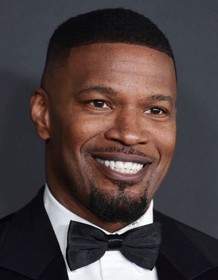
Willie Gary (Jamie Foxx)
Played by Jamie Foxx
A flamboyant, fearless Florida personal injury lawyer who becomes the lead attorney for O'Keefe. He drives bold legal strategies, aims for a multi-digit settlement, and navigates the politics of a high-stakes courtroom with charisma and intensity.
- 💼 Lawyer
- 🗣️ Charismatic
- ⚖️ Strategic
- 💪 Determined
-
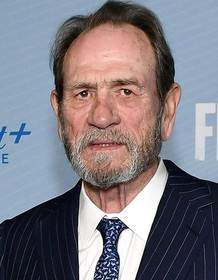
Jeremiah O'Keefe (Tommy Lee Jones)
Played by Tommy Lee Jones
A financially strained Mississippi funeral home owner fighting to save his business after a Ponzi-fueled collapse and broken promises from a corporate buyer. He is determined, risk-taking, and willing to mortgage his home to pursue justice.
- 🏛️ Business Owner
- 💪 Determination
- 🛡️ Resilience
- 🧭 Risk-taker
-
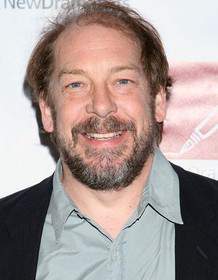
Ray Loewen (Bill Camp)
Played by Bill Camp
Head of the Loewen Group, a corporate executive who exploits minority communities with overpriced funeral plans. He embodies corporate greed and a lack of remorse, driving the legal conflict toward a punitive damages verdict.
- 💰 Corporate Greed
- 🏢 Executive
- 🧭 Calculated
- ⚖️ Power
-

Mame Downes (Jurnee Smollett)
Played by Jurnee Smollett
A sharp Black attorney leading the defense for the Loewen Group. She questions O'Keefe's character and exposes community exploitation, presenting a formidable counterpoint in court.
- ⚖️ Legal Strategy
- 🧠 Intelligence
- 👑 Authority
-

Hal Dockins (Mamoudou Athie)
Played by Mamoudou Athie
A young lawyer who advises the client and uncovers the possibility that Loewen is attempting to bankrupt O'Keefe by delaying payments. He champions investigative insight and the value of witness leads.
- 🧭 Investigation
- 💡 Insight
- 🧑⚖️ Legal Advisors
-

Mike Allred (Alan Ruck)
Played by Alan Ruck
O'Keefe's initial contract lawyer who believes in a settlement but ultimately steps back as loyalties and perspectives shift. He embodies the tension between credibility and risk in high-stakes litigation.
- 🧩 Legal Drama
- 🤝 Settlement
- 🧭 Conflict
-

Annette O'Keefe (Pamela Reed)
Played by Pamela Reed
Jeremiah O'Keefe's partner who supports his efforts to salvage the business and pursue justice against predatory practices. She stands for family resilience and steadfast backing in face of financial peril.
- 👪 Family
- 💪 Resilience
- 🏛️ Legal Support
-
Judge Graves (Lance E. Nichols)
Played by Lance E. Nichols
A key courtroom figure who oversees the trial and influences its rhythm through rulings and respect for the procedures of justice.
- ⚖️ Judge
- 🧭 Authority
- 🏛️ Courtroom
- GG
Gloria Gary (Amanda Warren)
Played by Amanda Warren
Willie Gary's partner who backs the legal team and lends strategic support to the high-stakes civil fight. She embodies loyalty and practical savvy in the courtroom arena.
- 🤝 Partner
- 💼 Strategy
- 💡 Insight
Where and When Is The Burial Set?
The Burial is set in Mississippi and Florida (1995). Here is why the time and place matter to the story.
When
1995
The events unfold in the mid-1990s, beginning in 1995, a period marked by aggressive corporate expansion and high-stakes civil litigation. The narrative follows Jeremiah O'Keefe's financial collapse and the ensuing legal fight, spanning a couple of years and culminating in a landmark verdict. The era's social tensions, including race and community impact, inform the courtroom battle.
Where
Mississippi, Florida
Mississippi serves as the setting where the Mississippi State Insurance Commission investigates the Loewen Group and where the civil battle against predatory practices unfolds. Florida is shown as the base of Willie Gary's practice, highlighting a regional contrast with corporate power in Mississippi. The courtroom becomes the central arena where truth, compensation, and accountability are pursued.
- ⚖️ Legal
- 🏛️ Courtroom Drama
- 💵 Economic Justice
What Are the Themes of The Burial?
4 ideas the story keeps returning to, among them Justice, Racial Injustice and Legal Strategy.
-
01
Justice
The central drive is to secure justice for minority communities harmed by predatory pricing and overpriced funeral plans. The film explores how legal strategy, public opinion, and community backing shape a transformative verdict. It frames justice as both a legal outcome and a moral response to exploitation.
-
02
Racial Injustice
The narrative exposes racial dynamics within the legal system, including tensions around jury composition and credibility. It shows how race intersects with power, wealth, and the pursuit of compensation for communities that were exploited.
-
03
Legal Strategy
The case hinges on tactical litigation, witness handling, and the clash between rival legal teams. The story highlights the psychology of courtroom battles, shifting loyalties, and the impact of strategic choices on the outcome.
-
04
Greed and Consequences
Corporate greed drives the conflict, illustrating how predatory practices harm small businesses and communities. The pursuit of a large punitive award becomes a catalyst for accountability and the downfall of a powerful company.
How Does The Burial End?
The last act of The Burial and what it means, in 206 words. The ending lands as happy. Big spoilers: read the plot summary first if you have not seen it.
The final act, in full
The film concludes with the court ruling that Ray Loewen’s company is found guilty of fraud and exploiting vulnerable people. The jury orders Loewen to pay 100 million dollars in damages plus an additional 400 million in restitution for their dishonest practices. This huge victory for Jerry O’Keefe and Willie Gary captures the culmination of their struggle against greed and injustice. Although Loewen’s company is ultimately forced to pay a large settlement, an appeal reduces the total compensation to around 175 million dollars, and Loewen himself is compelled to resign within two years. Throughout the story, racial themes are intertwined with the legal battle, highlighting how race and prejudice affected the course of the case. The victory is not only a legal triumph but also a symbol of justice overcoming deep-seated bias—showing how Willie Gary’s determination and the alliance with the Black community helped tip the scales in their favor. In the end, the film emphasizes that justice can prevail when courage and perseverance challenge systemic inequalities, and Jerry’s family business continues to serve and support Black communities long after the verdict. The friendship between Jerry and Willie endures beyond the courtroom, reinforcing that true victory lies in standing up against exploitation and injustice with integrity.**
What Kind of Film Is The Burial?
Tense in tone, with steady pacing and a straightforward story, going by the plot summary.
- Tone
- Tense
- Pacing
- Steady
- Story
- Straightforward
- Intensity
- Medium
- Ending
- Happy
A steadily paced and tense legal drama that builds a sense of urgent determination as an underdog team confronts corporate exploitation, culminating in a cathartic and hopeful victory.
- tense
- hopeful
- determined
- urgent
- cathartic
- underdog
- legal drama
- corporate greed
- racial injustice
- david vs goliath
Content notes: racial discrimination, financial exploitation.
Quiz
How well do you remember The Burial? Test yourself on the story.