What Is Sleeping Dogs About?
The premise of Sleeping Dogs in 319 words, with nothing given away. The full story follows below.
In a near‑future New Zealand teetering on the brink of an energy crisis, the quiet shores of the Coromandel Peninsula become a fragile refuge from a nation spiraling into unrest. Guerrilla fighters and hard‑line right‑wing militias clash over dwindling resources, their struggle casting a long shadow over the islands’ rugged beauty. The atmosphere is one of uneasy stillness, where the whisper of the wind through the scrub feels both a lullaby and a warning, hinting at the inevitable intrusion of a larger conflict into even the most secluded places.
Smith, a reclusive widower whose life has been upended by personal betrayal, seeks solace on an island owned by a Māori tribe, accompanied only by his loyal dog. He clings to a philosophy of non‑violence, hoping the isolation will shield him from the turmoil that rages across the mainland. Yet his withdrawal does not go unnoticed; the simmering political tension begins to seep into his sanctuary, turning his self‑imposed exile into a precarious perch between opposing forces.
The arrival of Bullen, a former acquaintance now tied to the guerrilla movement, hints at deeper ties to the growing insurgency, while Jesperson, an old schoolmate turned police officer, embodies the state’s relentless pursuit of those it deems threats. Their intersecting paths press Smith into the uneasy role of a man labeled a revolutionary conspirator despite his pacifist leanings. Adding another layer of suspicion, a U.S. military contingent led by Willoughby establishes a presence nearby, its foreign gaze amplifying the sense that no corner of the country remains untouched by the escalating strife.
Against this backdrop of stark landscapes and ideological warfare, the film unfolds as a meditation on isolation, duty, and the thin line between peaceful withdrawal and unavoidable involvement. The mood remains relentlessly introspective, inviting the audience to contemplate how personal histories collide with national crises, and whether true non‑violence can survive when the world around you refuses to stay still.
What Happens in Sleeping Dogs?
The complete story of Sleeping Dogs, from the first scene to the last, in 810 words (about 4 minutes). Spoilers throughout. Names in the text link to 4 cast member pages.
Spoilers ahead
Smith Sam Neill finds his life shattered when his marriage ends in a bitter split after his wife’s affair with Bullen Ian Mune. In the wake of the breakup, he retreats to the Coromandel Peninsula, choosing an island owned by a Māori tribe as his refuge. What begins as a quiet, almost hermetic existence—a man and his dog living in a landscape of quiet shores and rugged, wind‑scoured hills—soon becomes a fragile sanctuary pressed into service by a nation gripped by upheaval. The country teeters on the edge of an energy crisis as an oil embargo tightens its grip, and politically charged tensions bleed into civil conflict, turning the island’s peaceful detachment into a precarious bystander position.
On the mainland, trouble comes hurtling toward Smith in the shape of a bomb that detonates in a nearby town. Police arrive on the island, sifting through the quiet life with the blunt logic of arrest and accusation. When they uncover a cache of explosives, Smith is taken to a police station for questioning and suspected of sheltering illegal weapons. The mood quickly shifts from tranquil isolation to prosecutorial danger as he is interrogated under pressure. Among the officers is a former schoolmate, Jesperson Clyde Scott, whose presence underscores the deep personal stakes in a government that has already labeled Smith a pivotal guerrilla figure. The stakes rise as Jesperson lays out a stark choice: exile from New Zealand or a military tribunal that could carry a death sentence.
A dramatic prison transfer becomes a turning point. In a calculated move to confound his captors, Smith induces himself to vomit, a tactic that buys him time and creates enough confusion to enable a daring escape. He vanishes into the city’s back streets and quickly finds work at a small campground, where the promise of a simpler, outside life offers him a brief, fragile sense of peace. The forest of uncertainty that once surrounded him begins to thin as a new presence arrives: a U.S. Army unit takes over the campground, and the dynamics shift once more. The American commander, Willoughby Warren Oates, regards Smith with suspicion, sensing that the quiet man may be more connected to the guerrilla struggle than he appears. The two men clash as the war’s reach stretches into personal space, each reading the other’s motives through a lens of fear and ambition.
The tide of conflict widens when Bullen—now a senior guerrilla leader—reappears and re-enters the fray with renewed legitimacy and menace. The dynamic on the ground hardens as the troops push deeper into enemy territory, and Smith is dragged back into a plot that he would prefer to avoid. The guerrillas launch a bold attack against the military unit, an assault that forces Smith to confront a choice he had hoped to avoid. His reluctance to participate collides with the harsh realities of wartime necessity, and the line between civilian life and rebellion becomes increasingly blurred.
As the pursuit intensifies, government forces and guerrillas collide in a chaotic chase that threads through forests and rugged terrain. The camp is bombed, the rebels scatter, and the pursuit tightens around Smith and Bullen. A tense standoff ensues as Jesperson and his elite squad close in, turning a desperate escape into a final, high-stakes confrontation. In the heat of the moment, Bullen is fatally wounded, a brutal reminder of the price of resistance in a country at war with itself. Smith, yearning for an end to the violence and the cycle of recrimination that has trapped him, makes a stark, fatal decision: he provokes Jesperson into shooting him, choosing a definitive, solitary exit over continued complicity in the violence that has consumed so much of his life.
The story frames a man who seeks refuge from a fractured world but is inexorably pulled back into a conflict defined by loyalty, survival, and the harsh realities of political power. It is a meditation on how personal history collides with national crisis, how isolation can feel both protective and prison, and how even the most well‑intentioned efforts to step away from violence can be drawn back into it by circumstance, guilt, and the very human impulse to resist oppression—even if that resistance ends in a final, merciful release from the struggle.
In a landscape that oscillates between serene beauty and brutal upheaval, the characters navigate a web of choices that test their ethics and resilience. The island’s quiet life, the sudden eruptions of violence, and the fragile truce between endurance and resistance come together to tell a story about belonging, memory, and the difficult paths toward a sense of place in a country at war with itself. The film leaves viewers with a somber reflection on what it means to be an ordinary person caught in extraordinary times, and on the price that is paid when systems of conflict require the ultimate sacrifice.
Sleeping Dogs Timeline: Every Key Event in Order
13 key events in the order they happen, from “Smith isolates himself on a Māori island off the Coromandel” to “The dog pursues the retreating boat”. 13 events name a place, across 13 locations.
- 1
Smith isolates himself on a Māori island off the Coromandel
Following the breakdown of his marriage due to his wife's affair with Bullen, Smith moves to an island off the Coromandel Peninsula owned by a Maori tribe. He seeks isolation from the mainland turmoil and social upheaval. The setting establishes his peaceful life in stark contrast to the coming conflict.
Where:Coromandel Peninsula, New Zealand
- 2
Oil embargo triggers national energy crisis
A national oil embargo triggers an energy crisis that escalates political tensions across the country. Shortages strain the government, military, and rebels alike, fueling clashes and instability. The personal story is set against a backdrop of nationwide upheaval.
Where:New Zealand
- 3
Civil war and guerrilla activity intensify
Civil conflict erupts and guerrilla groups operate more openly as the government struggles to maintain order. Smith's island sanctuary becomes a reminder of what is at stake beyond his own life. The war's reach begins to touch everyday life on the mainland.
Where:New Zealand mainland
- 4
Bomb explodes; police close in on Smith
A bomb detonates in a nearby town, drawing police to the island and triggering a search for illegal weapons. Smith is arrested, and officials begin a high-stakes investigation into his alleged guerrilla ties. The threat to his freedom becomes immediate and personal.
Where:Island and nearby town, New Zealand
- 5
Interrogation reveals government aims
In a police station, Smith is interrogated and tortured as authorities press for information. He learns that the government views him as a key guerrilla leader and is offered expulsion from New Zealand or a military tribunal with a likely death sentence. The interrogation exposes the brutal calculus of wartime justice.
Where:Police station
- 6
Prison transfer and escape
During a transfer, Smith feigns illness and vomits to confuse his captors, enabling a daring escape. He flees the city and disappears into the countryside. The escape rekindles his longing for ordinary life even as danger closes in again.
Where:City to countryside
- 7
Peaceful life at a campground is disrupted
Smith hides in the countryside and finds work at a small campground, seeking a quiet, normal existence. He briefly enjoys the stability of civilian life away from the conflict. The arrival of unfamiliar forces soon disturbs this fragile calm.
Where:Countryside/campground
- 8
US Army arrives and questions Smith
A US Army unit arrives and takes over the campground, inserting a new authority into Smith's life. Willoughby, the commander, suspects Smith of rebel sympathy and confronts him over loyalty and allegiance. Tensions rise as the military presence reshapes his surroundings.
Where:Campground
- 9
Bullen returns as guerrilla leader
Bullen, now a senior guerrilla leader, reemerges and complicates matters for Smith and the US forces. His return reopens old loyalties and raises the stakes of every move on the battlefield. The insurgent network appears more dangerous than before.
Where:Campground vicinity
- 10
US forces strike; Smith is drawn into action
As US troops press their campaign against rebels, Smith is pulled into an attack orchestrated by Bullen, despite his reluctance. The clash drags him deeper into the war and tests his resolve. The violence blurs the line between survival and complicity.
Where:Outskirts of campground / nearby forest
Show the other 3 events of Sleeping Dogs Hide the last 3 events
- 11
Escape and pursuit through the forest
Following the attack, government forces pursue Smith and Bullen through rugged terrain. They are cornered in a forest, and the chase heightens the sense of peril and inevitability. The landscape mirrors the moral confusion of the protagonists.
Where:Forest
- 12
Final confrontation with Jesperson
Jesperson and his elite squad corner Smith and Bullen. In the climactic moment, Bullen is fatally wounded and Smith deliberately provokes Jesperson into shooting him. Smith's decision ends his immediate involvement in the violence while leaving his fate uncertain.
Where:Forest edge
- 13
The dog pursues the retreating boat
The dog is last seen swimming after the boat that carries Smith away, a poignant image of loyalty and isolation. The scene implies Smith's uncertain fate and the continuation of conflict beyond his personal story. The ending lingers on the dog's pursuit as the larger civil war persists.
Where:Sea/shore
Who Are the Main Characters in Sleeping Dogs?
4 characters, among them Smith (Sam Neill), Col. Willoughby (Warren Oates) and Bullen (Ian Mune): who each one is and the part they play in the story. Every profile links to the actor’s page.
-

Smith (Sam Neill)
Played by Sam Neill
A man whose life fractures after his wife's affair, he longs for peaceful isolation but becomes entwined in a guerrilla conflict. Calm and resourceful, he navigates pressure with steady resolve, unwilling to become a symbol yet drawn into strategic peril.
- 🗺️ Island-dweller
- 🧭 Calm
- 🗡️ Resolve
-
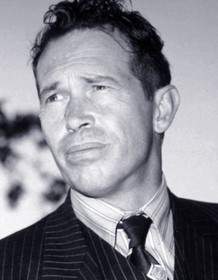
Col. Willoughby (Warren Oates)
Played by Warren Oates
A pragmatic commander of American forces who views Smith with suspicion and moral ambiguity. He orders operations in the field and embodies the hardline stance of occupying power as the conflict escalates.
- 🪖 Military Authority
- 🎯 Strategic
- 😠 Strict
- B(
Bullen (Ian Mune)
Played by Ian Mune
A senior guerrilla leader whose determination drags Smith deeper into the rebellion. He embodies the insurgent cause and moral complexity, forcing difficult choices on those around him.
- ⚔️ Guerrilla Leader
- 🔥 Determined
- J(
Jesperson (Clyde Scott)
Played by Clyde Scott
A police interrogator who recognizes Smith as a potential rebel leader, using coercion to extract information. His role exposes the personal betrayals and the coercive machinery of the state.
- 🕵️ Interrogator
- 💼 Bureaucrat
- 💀 Relentless
Where and When Is Sleeping Dogs Set?
Sleeping Dogs is set in Coromandel Peninsula island and New Zealand. Here is why the place matters to the story.
Where
Coromandel Peninsula island, New Zealand
A quiet, coastal island off New Zealand's Coromandel Peninsula, owned by a Māori tribe. It provides a peaceful backdrop for Smith's initial attempt to escape urban conflict. The landscape contrasts with the turmoil unfolding on the mainland.
- 🌊 Coastal
- 🗺️ Remote
- 🪵 Māori-owned
What Are the Themes of Sleeping Dogs?
3 ideas the story keeps returning to, among them War & Power, Escape & Survival and Isolation & Companionship.
-
01
War & Power
The narrative centers on civil unrest, guerrilla warfare, and the heavy price of political power. Government crackdowns and battlefield ambushes underscore how ordinary lives are subsumed by larger strategic aims.
-
02
Escape & Survival
Smith seeks refuge and a semblance of normalcy on the island, only to be dragged back into conflict. The story tracks his attempts to disappear, adapt, and outlive the threats around him.
-
03
Isolation & Companionship
The isolated setting amplifies the bond between Smith and his dog, illustrating how companionship can anchor a person against a collapsing society. The dog’s presence highlights themes of loyalty and resilience in tough times.
What Kind of Film Is Sleeping Dogs?
Bleak in tone, with variable pacing and a moderate story, going by the plot summary.
- Tone
- Bleak
- Pacing
- Variable
- Story
- Moderate
- Intensity
- High
- Ending
- Bleak
A tense and melancholic thriller that follows a man's desperate attempt to maintain his apolitical stance as he is violently dragged into a brutal civil war, culminating in a bleak and fatalistic conclusion.
- paranoid
- oppressive
- tense
- isolated
- melancholic
- desperate
- dystopian future
- civil war
- forced participation
- political repression
Content notes: war violence, imprisonment, death of protagonist, political execution, bombings.
Quiz
How well do you remember Sleeping Dogs? Test yourself on the story.